Why This Checklist Matters
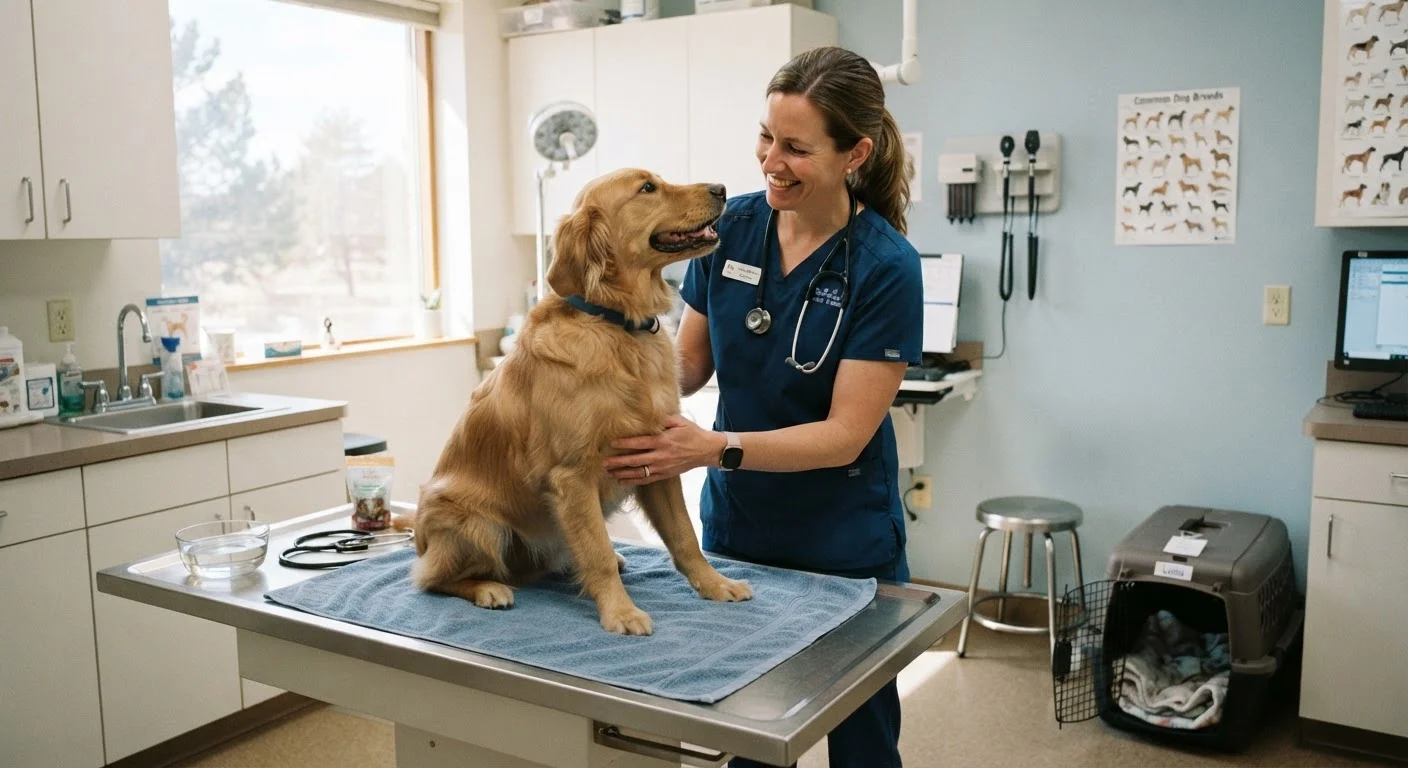
A yearly wellness exam is far more than a quick once-over. Your veterinarian uses it to establish a health baseline, catch early signs of disease, update preventive care, and assess changes in weight, coat, teeth, and organ function. Because pets age faster than humans and often hide discomfort, a lot can shift between visits.
This checklist helps you arrive prepared - with the right records, the right observations, and the right questions - so the appointment is as productive as possible for both you and your pet. For a detailed walkthrough of what actually happens during the exam itself, see our guide to annual wellness exams.
Before You Leave Home
Vaccinations and Preventive Care
Physical Health Checks
Questions to Ask Your Vet
Before the Appointment
Good preparation starts at home. Gather paperwork, observe your pet's recent habits, and note anything that has changed since the last visit - even things that seem minor. Behavioral shifts can sometimes signal an underlying medical issue; if you've noticed sudden changes in mood or routine, our article on behavioral red flags that may have medical causes is worth a read before you go.
Pet health records folder
Keeps vaccination history, past lab results, and medication lists organized and easy to bring to every appointment.
Sealed stool sample container
Required for intestinal parasite testing - most clinics ask for a fresh sample collected within 24 hours.
Written question list
Prevents you from forgetting important concerns once you're in the exam room.
Pet carrier or leash
Ensures safe transport to and from the clinic; a familiar-scented carrier can reduce stress for cats.
Microchip registration details
Allows you to verify or update your contact information in the national registry if your pet's chip isn't already linked.
If your pet needs parasite prevention reviewed, our overview of common parasites in dogs and cats can help you frame your questions for the vet.
Topics to Cover During the Visit
Use the checklist groups above to guide the conversation with your veterinarian. Don't hesitate to raise concerns about weight - obesity in pets is closely linked to joint disease, diabetes, and shortened lifespan. Our resource on keeping your pet at a healthy weight explains how vets assess body condition and what a weight-management plan looks like.
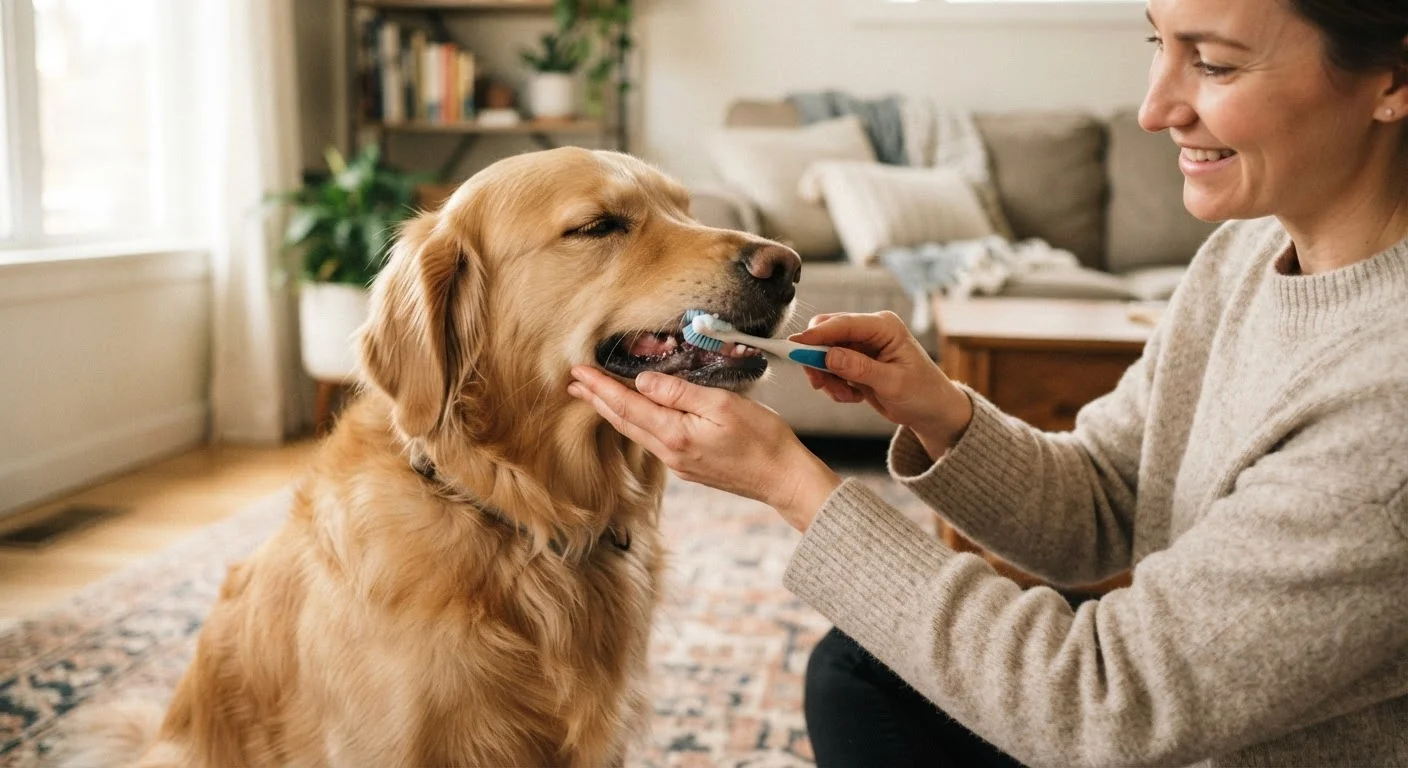
Dental health deserves particular attention. Periodontal disease affects the majority of adult dogs and cats, often progressing silently. Ask your vet to assess your pet's teeth and gums, and review our complete guide to pet dental health to understand what to do between professional cleanings.
Never Skip the Dental Assessment
Dental disease is one of the most underdiagnosed conditions in household pets. By age three, most dogs and cats show some degree of periodontal disease - yet the signs are often invisible without a professional exam. Left untreated, oral bacteria can affect the heart, kidneys, and liver. Ask your vet directly about your pet's dental health at every visit, and follow up with our closer look at dental disease in dogs and cats.
If your pet is entering their senior years, note that health needs shift considerably with age. Our guide on caring for a senior pet covers what to watch for and when to schedule more frequent checkups.
Annual Visits Aren't Always Enough
Pets over seven years old, those with chronic conditions, and some breeds prone to specific health issues may need wellness exams every six months rather than once a year. Ask your veterinarian to recommend the right schedule for your individual pet - do not assume one visit per year is sufficient for every animal.
This article provides general educational information about routine pet care and is not a substitute for professional veterinary advice. Always consult a licensed veterinarian for guidance specific to your pet's health needs.