More Than a Shot: What the Exam Actually Covers
Many pet owners arrive at the annual visit expecting a quick vaccine and little else. In practice, a routine wellness exam is a structured, systematic evaluation that takes stock of nearly every aspect of your pet's physical health.
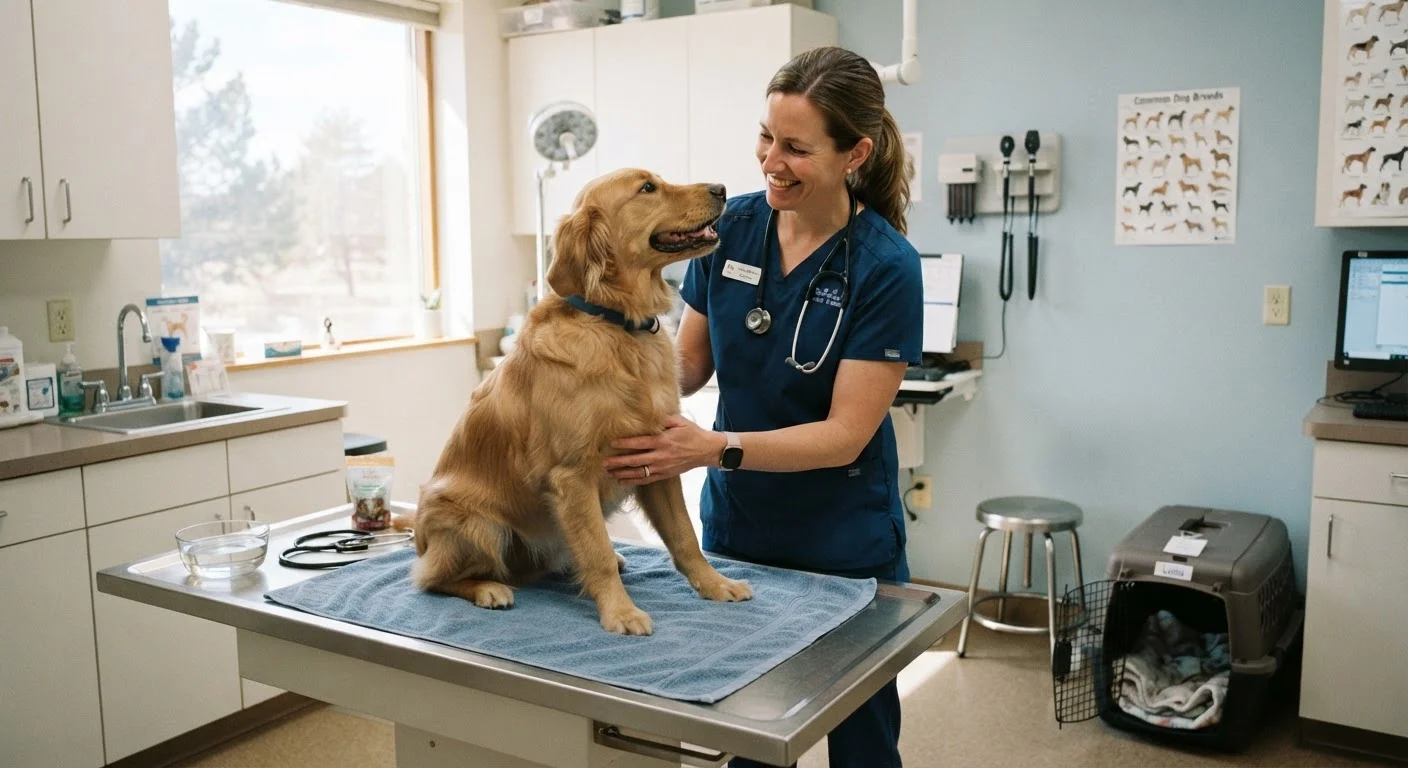
The visit typically begins with a technician recording weight, temperature, heart rate, and respiratory rate. These vital signs are compared to previous visits to flag gradual shifts — a few pounds of unexplained weight loss in a cat, for example, can be an early signal of hyperthyroidism or kidney disease.
The veterinarian then performs a hands-on physical examination that covers:
- Eyes and ears: Checking for discharge, inflammation, or signs of infection
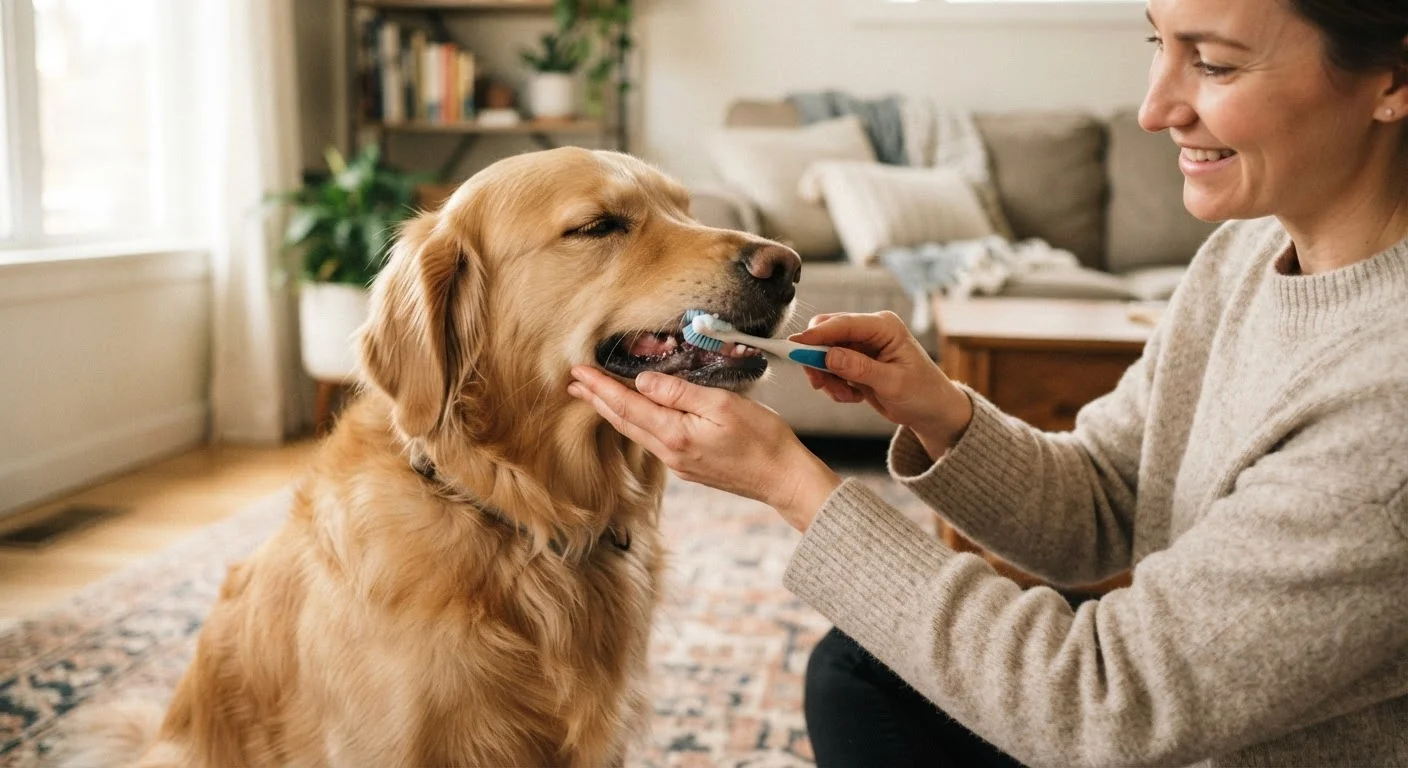
- Mouth and teeth: Assessing dental tartar buildup, gum health, and any broken teeth
- Skin and coat: Looking for lumps, parasites, hair loss, or skin changes
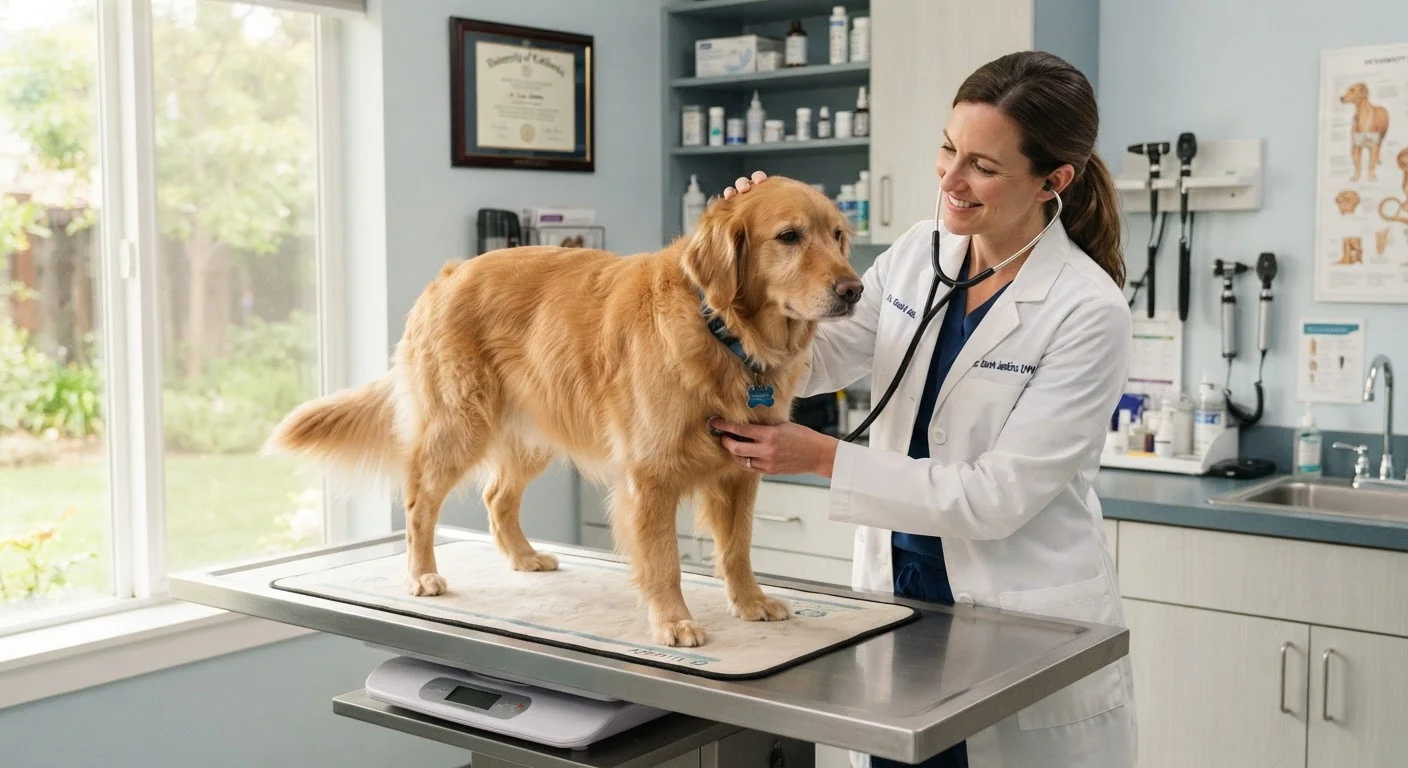
- Heart and lungs: Listening for murmurs, arrhythmias, or abnormal breath sounds
- Abdomen: Palpating organs to identify unusual size, texture, or pain response
- Lymph nodes and musculoskeletal system: Noting swelling or changes in mobility and muscle condition
This is also when your vet reviews your pet's parasite prevention protocol and discusses whether the current approach is appropriate for your pet's lifestyle and local risk environment. For a detailed preparation guide, see our annual vet visit checklist for dogs and cats.
1 in 3
Pets with hidden illness found at routine exams
The American Veterinary Medical Association notes that physical exams regularly uncover conditions in pets showing no outward signs of illness.
7x
Faster aging rate in dogs vs. humans
Depending on breed and size, dogs can age roughly 5–7 years in human health terms for every calendar year, making annual exams a critical monitoring tool.
70%
Of pets over age 3 have dental disease
According to the American Veterinary Dental College, dental disease is one of the most common conditions identified during routine wellness exams.
Vaccinations, Bloodwork, and Screening Tests
Vaccines are part of the annual visit, but they are not the whole story. Which vaccines your pet receives — and how often — depends on species, age, lifestyle, and regional disease risk. Core vaccines protect against serious, widespread illnesses, while lifestyle vaccines are selected based on individual exposure risk. For a deeper look at how these schedules work, our pet vaccination schedules guide explains booster timelines in plain terms.
For adult and senior pets, veterinarians commonly recommend routine bloodwork — a complete blood count (CBC) and chemistry panel — to evaluate organ function, blood cell health, and metabolic markers. These tests can surface early-stage kidney or liver disease, diabetes, and anemia in animals that appear outwardly healthy.
A fecal sample screens for intestinal parasites, many of which cause no obvious symptoms but can affect your pet's long-term health and, in some cases, pose risks to human household members. Heartworm testing is standard in many regions for dogs and sometimes cats depending on geographic risk.
Keep a Health Journal Between Visits
Note any changes in your pet's appetite, thirst, energy, coat condition, or bathroom habits in the weeks before the appointment. Even minor observations give your vet useful context that a physical exam alone cannot capture. A simple notes app on your phone works well for this.
Why Preventive Visits Pay Off Over Time
The primary value of annual exams lies in their cumulative effect. A single visit gives your vet a snapshot; a series of visits over years creates a health timeline that makes subtle changes visible. A heart murmur detected early allows for monitoring and intervention before the condition worsens. A weight trend identified at year two prompts dietary changes before obesity-related complications develop.
Pets age significantly faster than humans, and conditions can progress quickly between annual visits. This is especially true for cats and small dogs entering their senior years, where the recommendation often shifts to twice-yearly exams. Spaying or neutering is among the health decisions vets often discuss during wellness visits as well — our article on spaying vs. neutering covers what owners should know about each procedure.
It's also worth understanding the financial dimension: early detection almost always results in simpler, less expensive treatment. Our article why waiting too long to see a vet costs more than just money outlines why delayed care tends to create more complex — and costly — outcomes.
Getting the Most Out of Every Visit
The annual exam is also a conversation. Vets rely on owner observations to complete the clinical picture, so what you notice at home — changes in appetite, water intake, energy level, or bathroom habits — is genuinely useful diagnostic information.
If your pet has shown any behavioral changes, bring them up. Sudden aggression, increased hiding, or house-soiling can have medical causes that a physical exam might identify. See our related guide on when a vet visit should come before behavioral assumptions for context on this overlap.
Come prepared with any medications or supplements your pet currently takes, vaccination records if you're at a new clinic, and a written list of questions. A focused, well-prepared owner helps the veterinarian prioritize the visit and address what matters most to your pet's care.
This article provides general educational information about routine veterinary care and is not a substitute for professional veterinary advice. Always consult a licensed veterinarian for guidance specific to your pet's health needs.