Why Routine Matters More Than You Might Think
Dogs don't experience time the way humans do. What they do experience is pattern - the sequence of events that shapes their understanding of what's coming next. When that sequence is reliable, dogs feel safe. When it's unpredictable, even small disruptions can trigger anxiety, restlessness, or problem behaviors like excessive barking or destructive chewing.
A well-structured daily routine isn't about being rigid for your own sake - it's about speaking your dog's language. Predictability communicates security. That's why building a routine that supports good behavior is one of the most effective tools available to pet owners, often more powerful than training alone.
“Dogs are creatures of habit. A predictable environment reduces stress by giving them a sense of control over what happens next in their day.”
— American Kennel Club, National breed registry and canine health authority
The Core Elements of a Dependable Daily Schedule
A solid dog routine rests on four pillars: feeding, exercise, rest, and enrichment. Each serves a distinct purpose and, when timed consistently, works together to keep your dog calm and content.
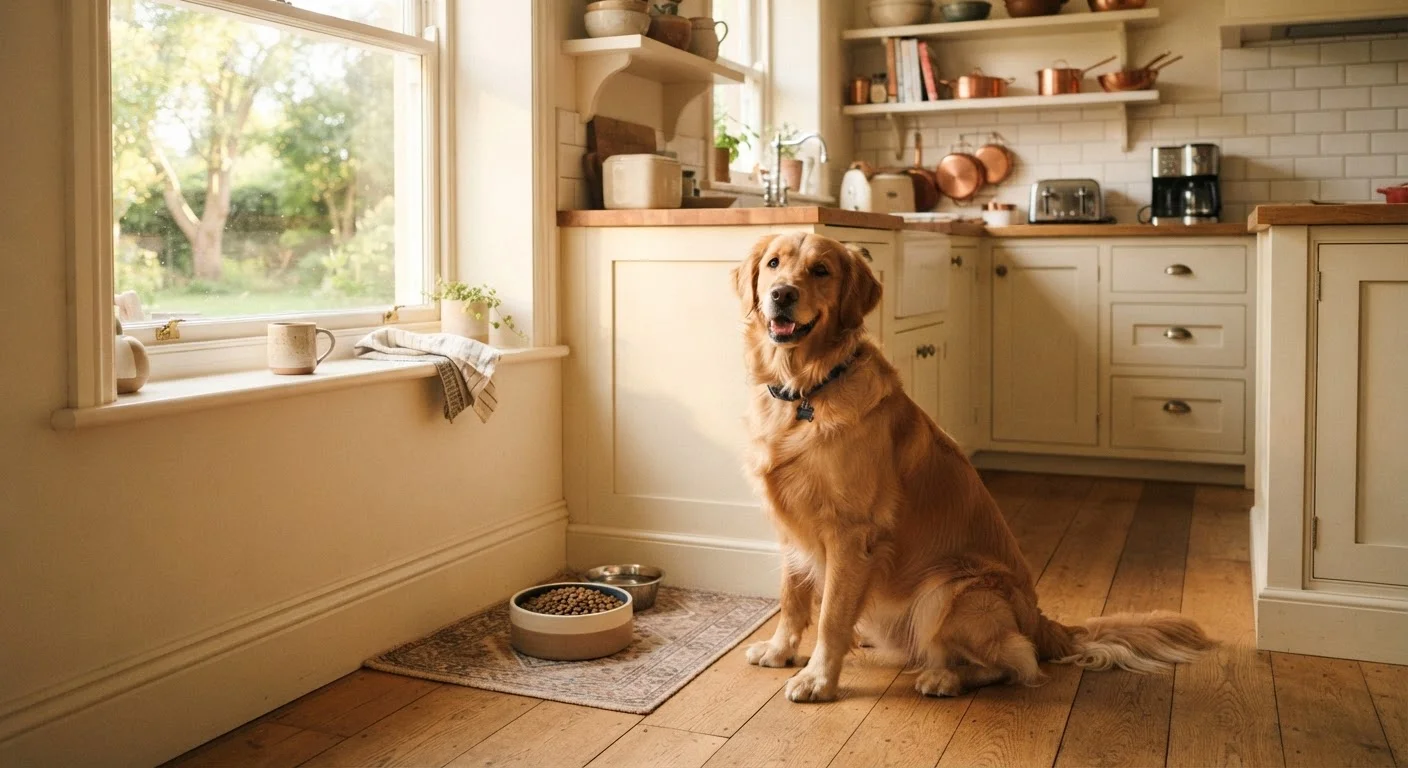
- Feed at the same times every day. Consistent meal timing regulates digestion and sets a reliable internal clock. Dogs who eat on a schedule are typically calmer and less food-anxious. For example, offering breakfast at 7 a.m. and dinner at 6 p.m. gives your dog clear expectations and reduces mealtime restlessness. Pair feeding schedules with guidance from your vet, especially for puppies, seniors, or dogs with health conditions.
- Schedule walks at predictable times. Physical exercise burns energy and provides critical sensory stimulation. More importantly, walks at predictable times give dogs something to anticipate. Most adult dogs benefit from two to three walks daily - morning, midday if possible, and evening. If your dog is reactive on leash, consistent walk timing also helps you manage exposure more deliberately.
- Protect rest periods. Dogs sleep far more than people realize - typically 12 to 14 hours per day. Designating a quiet, consistent rest space helps your dog decompress between activity blocks. Disrupting sleep cycles with unpredictable noise or activity can contribute to irritability and stress.
- Include daily enrichment. Mental stimulation - through training exercises, puzzle feeders, or scent games - prevents boredom-related behavior issues. Even five minutes of structured engagement counts.
Every Dog's Needs Are a Little Different
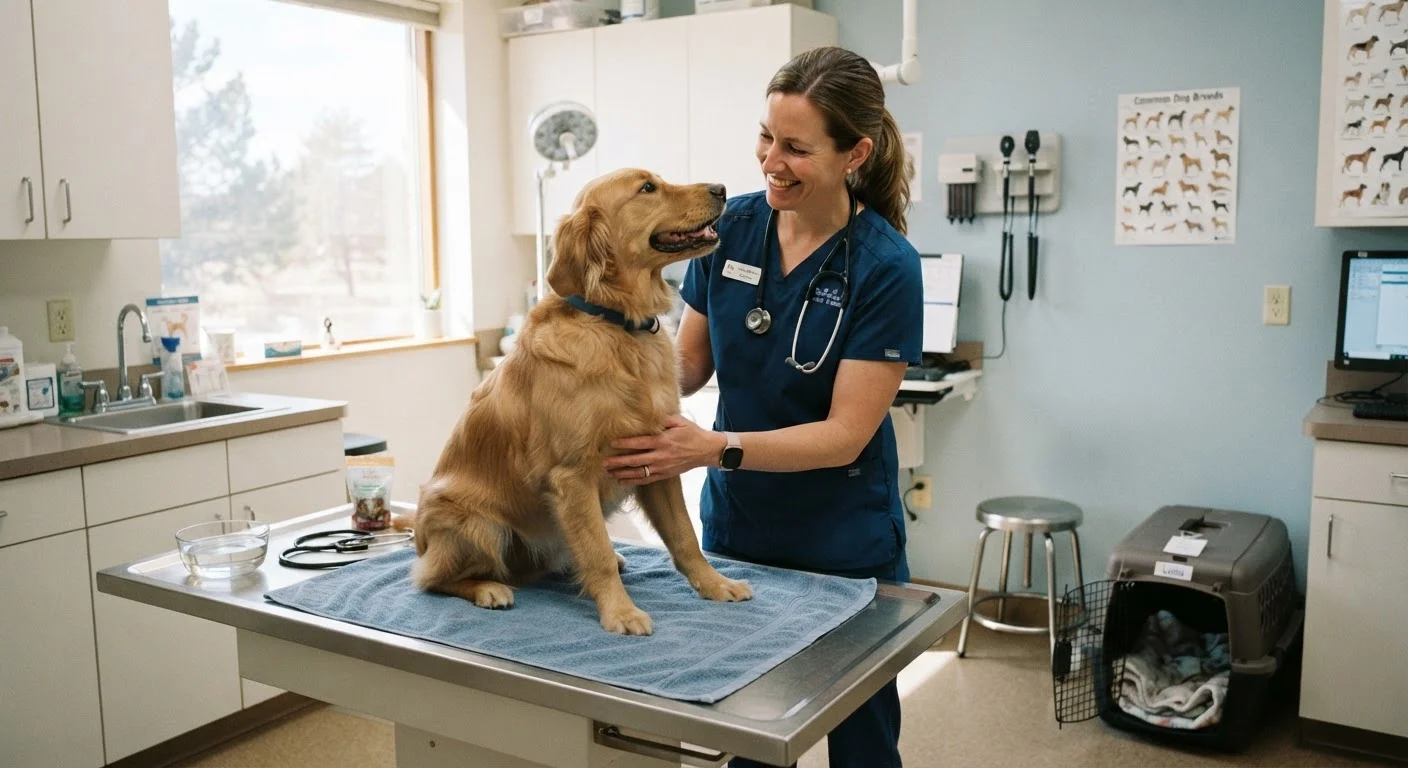
Age, breed, size, and health status all influence how much exercise, sleep, and mental stimulation a dog requires. A high-energy working breed needs a very different daily structure than a senior lap dog. When in doubt about your specific dog's needs, consult your veterinarian for personalized guidance.
How to Actually Make Routine Stick
Knowing what a good routine looks like and maintaining one day-to-day are two different challenges. The most effective approach is to anchor your dog's schedule to your own existing habits rather than treating it as a separate task.
Build Routine Into What You Already Do
The most sustainable dog routines are attached to your own existing habits - your morning coffee, your commute departure, your bedtime wind-down. Pairing your dog's walks or feeding with something you already do reliably makes it far easier to stay consistent without extra effort.
Grooming is one area where routine integration pays off quickly. Grooming your dog at home is far less stressful for both of you when it's a predictable weekly occurrence rather than an occasional event. Similarly, keeping your dog's living space consistently clean supports the overall routine - see our guide on how often to clean your pet's living space for a practical schedule.
When life requires changes - travel, schedule shifts, a new household member - introduce adjustments gradually rather than all at once. Shift meal or walk times by 15-minute increments over several days. Dogs adapt well to change when it's paced.
Routine as a Long-Term Investment in Your Dog's Health
A dependable daily structure isn't just about preventing bad behavior - it's about building a foundation for lifelong wellbeing. Dogs with consistent routines tend to be easier to care for, easier to take to the vet, and more adaptable when disruption does occur. Routine also makes it easier to notice when something is off: if your dog suddenly skips a meal or refuses a usual walk, that deviation itself becomes useful health information.
If you're setting up care for a new dog, the new pet health checklist is a useful companion resource for covering all the foundational bases alongside your daily routine. And if your dog's coat type shapes how often grooming fits into your week, our breakdown of coat types and the routines they need can help you schedule appropriately.
72%
Dogs showing anxiety signs without routine
Behavioral veterinarians commonly observe anxiety-linked behaviors - excessive barking, destructive chewing, and house-training regression - in dogs lacking consistent daily structure.
2-3x
Daily walks recommended for most adult dogs
Most veterinary and canine behaviorist guidelines suggest adult dogs benefit from at least two to three walks per day for physical and mental health.
This article is for general informational purposes only and does not constitute veterinary advice. Always consult a licensed veterinarian for guidance specific to your dog's health and care needs.