Why Behavior and Health Are Never Separate
When a dog that's been reliably house-trained for years suddenly starts having accidents indoors, or a cat that's always been affectionate begins hissing without warning, many owners' first instinct is to assume a behavioral problem. But veterinary professionals consistently emphasize a critical point: behavior is biology. Changes in how a pet acts are frequently the only way they can communicate that something is physically wrong.
Conditions like urinary tract infections, arthritis, dental pain, hypothyroidism, cognitive dysfunction, and even certain cancers can all produce behavioral changes that look indistinguishable from "acting out." Attempting to correct these behaviors through training or discipline - while an undiagnosed medical issue persists - is not only ineffective but can increase a pet's distress. See our guide on why punishment often backfires for a deeper look at that risk.
This checklist is designed to help you assess whether your pet's behavioral changes warrant a veterinary evaluation before you pursue any behavioral intervention. Use it as a structured way to observe, document, and communicate what you're seeing to your vet. This article provides general educational information and is not a substitute for professional veterinary advice.
Red-Flag Behavioral Changes That Warrant Immediate Vet Attention
Behavioral Signs That Suggest Pain or Physical Discomfort
Documentation to Gather Before the Appointment
After the Vet Visit: Next Steps
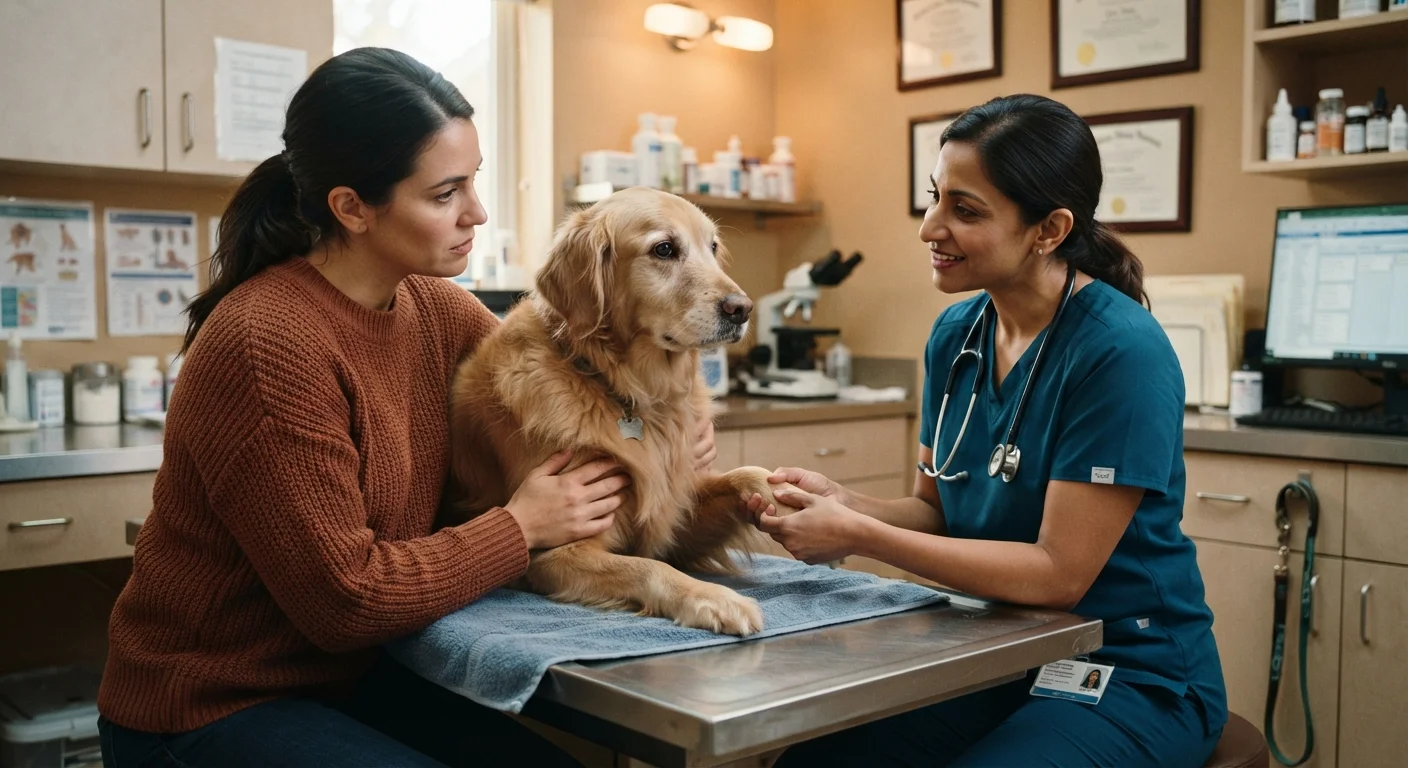
How to Prepare for the Vet Conversation
Bringing organized observations to your appointment dramatically improves your vet's ability to identify a medical cause. Rather than describing a behavior in general terms, aim to provide a timeline, frequency, duration, and any environmental context. Note whether the change appeared gradually or suddenly - a sudden onset is often a stronger indicator of an acute medical issue than a slow shift over months.
Behavior journal or notebook
Record dates, times, frequency, and context of behavioral changes to share with your vet.
Smartphone with video capability
Capture short clips of the behavior in action so your vet can observe what you're describing.
Pet's medical records and medication list
Provide your vet with a complete history of prior diagnoses, treatments, and current medications.
Pet health insurance information (if applicable)
Have coverage details on hand to understand what diagnostics may be covered during the evaluation.
If your pet has had a recent change in diet, a new household member, a change in schedule, or any prior medical history, bring that information too. Your vet may also want to know whether the behavior occurs at specific times of day or in specific locations, as this can point to particular physical triggers such as pain during movement or light sensitivity.
Once a medical cause is ruled out or treated, you'll be in a much stronger position to evaluate whether a behavioral specialist or trainer is the right next step. The article on pet anxiety and behavioral health covers what that path can look like. And if you're building toward a regular wellness routine, our annual vet visit checklist can help you stay proactive year-round.
Never Correct a Behavior Before Ruling Out Pain
Applying punishment or aversive correction to a pet that is acting out due to pain or illness can cause serious psychological harm and erode trust. If a pet snaps when touched, for example, that reaction may be a pain response - not defiance. Always consult your veterinarian before starting any behavioral modification program when a change in behavior appears suddenly or without a clear trigger.
Acting promptly matters more than many owners realize. Delayed veterinary care can allow treatable conditions to progress, making both recovery and behavior management significantly harder.
Sudden Neurological Symptoms Require Emergency Care
Seizures, sudden blindness, collapse, loss of coordination, or drastic personality change can indicate a neurological emergency, toxic ingestion, or acute organ failure. Do not wait for a scheduled appointment - contact an emergency veterinary clinic immediately. These symptoms go beyond the scope of any behavioral checklist and require urgent medical attention.