
When Does a Pet Become 'Senior'?
The label "senior" isn't tied to a single birthday — it varies by species, breed, and size. As a general guideline, cats and small-to-medium dogs are often considered senior somewhere between ages 7 and 10. Large dog breeds (those over roughly 50 pounds as adults) tend to age more rapidly; a Great Dane, for example, may reach senior status by age 5 or 6.
Understanding where your pet falls on this spectrum matters because it shapes how often they should be examined and which health screenings are appropriate. If you're setting up care for a younger pet and want to understand the full arc of preventive health, the new pet health checklist provides a helpful starting point for establishing lifelong habits.
Cognitive Dysfunction Syndrome
A neurological condition in older dogs and cats that affects memory, awareness, and behavior — similar in some ways to dementia in humans.
Body Condition Score
A standardized scale veterinarians use to assess whether a pet is underweight, at a healthy weight, or overweight based on fat coverage and muscle mass.
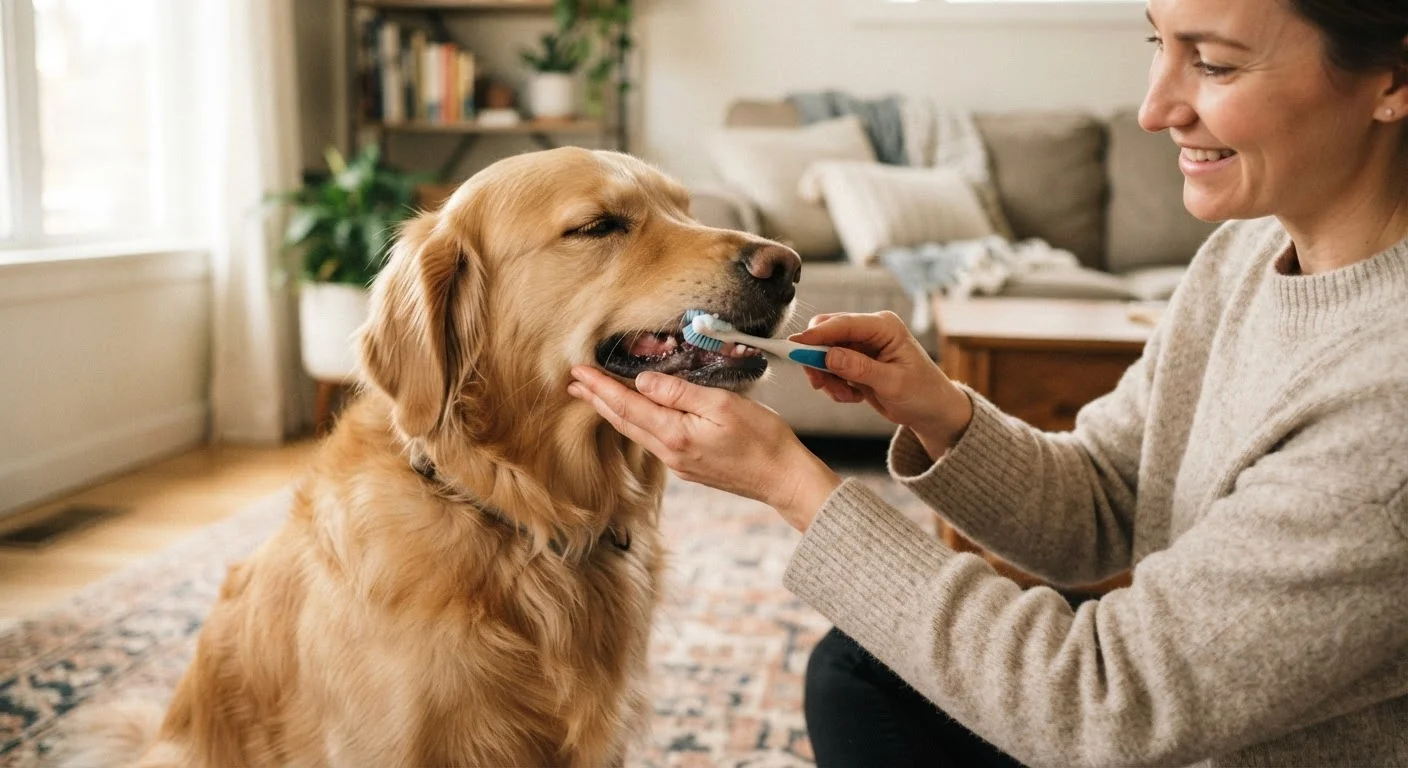
Periodontal Disease
An infection and inflammation of the structures supporting the teeth, caused by plaque and tartar buildup. It is common in older pets and can affect overall health if untreated.
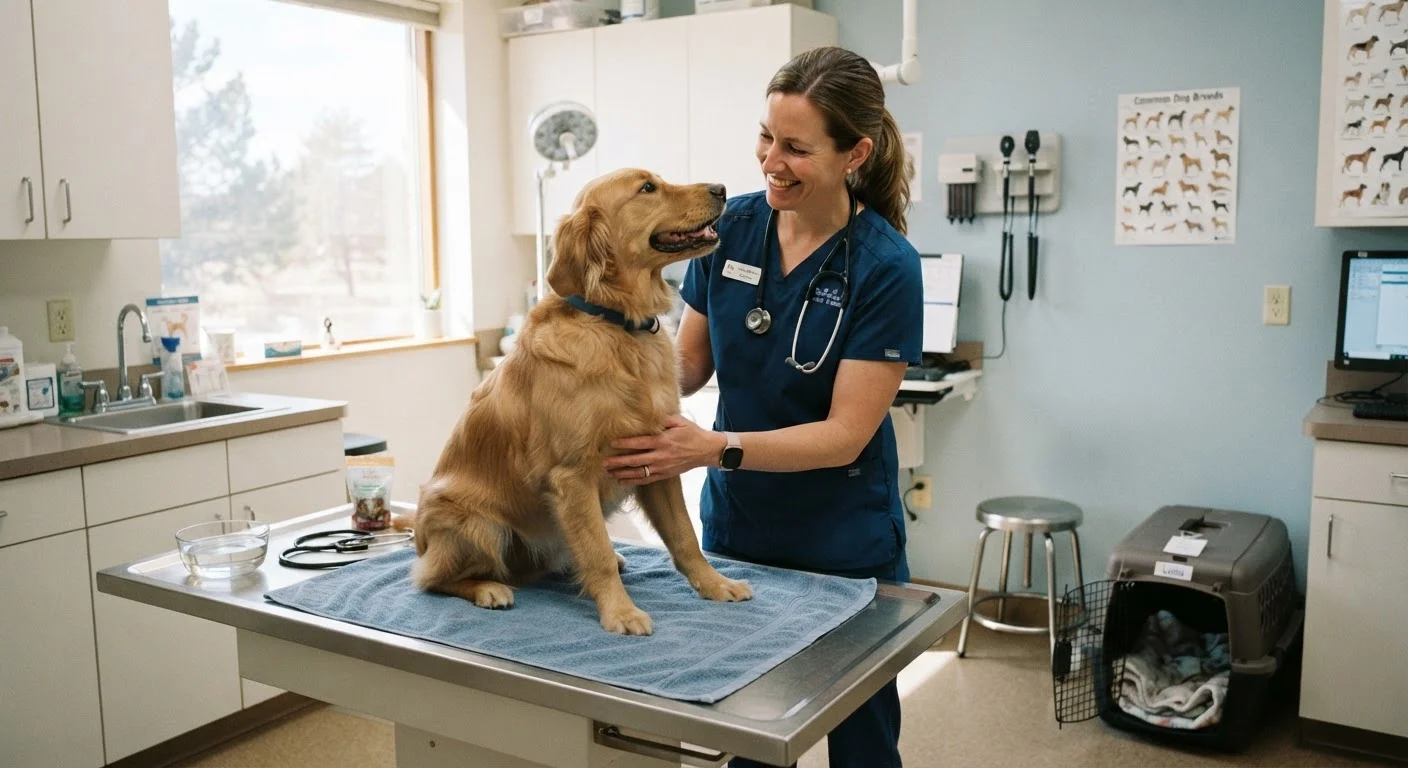
Wellness Exam
A routine veterinary check-up designed to assess overall health, catch early signs of disease, and update preventive care — even when a pet appears healthy.
Arthritis
A degenerative joint condition that causes pain and stiffness. It is one of the most common age-related health issues in both dogs and cats.
Common Physical Changes in Older Pets
Aging brings a predictable range of physical changes. Knowing what's typical helps you distinguish normal wear from warning signs that need veterinary attention.
- Joint stiffness and reduced mobility: Arthritis is extremely common in senior dogs and cats. You may notice your pet hesitating to jump, moving more slowly in the morning, or favoring certain limbs.
- Dental disease: Periodontal disease accumulates over a lifetime. In older pets, dental pain or infection can affect eating, weight, and even organ health if bacteria enter the bloodstream.
- Weight changes: Some seniors gain weight due to reduced activity; others lose muscle mass or body condition unexpectedly. Both directions of change can signal underlying disease. Our articles on maintaining a healthy weight and why pets gain weight offer practical context.
- Sensory decline: Vision and hearing can diminish gradually. A pet that seems startled more easily, bumps into furniture, or doesn't respond to its name as reliably may be experiencing sensory loss.
- Lumps and skin changes: Older pets develop lumps more frequently. While many are benign, any new growth should be evaluated by a veterinarian rather than monitored at home indefinitely.
Don't Write Off New Lumps as 'Just Aging'
While fatty lumps (lipomas) are common and often benign in older dogs, not every growth is harmless. New or changing lumps should always be evaluated by a veterinarian using a physical exam and, if needed, a fine-needle aspirate. Early detection of abnormal tissue growth significantly improves treatment options.
Behavioral and Cognitive Shifts to Watch For
Behavioral changes in older pets are often dismissed as personality quirks, but they deserve careful attention. Both dogs and cats can develop cognitive dysfunction syndrome (CDS) — a neurological condition with similarities to dementia in humans. Signs include:
- Appearing disoriented in familiar spaces
- Waking at night and vocalizing
- Forgetting previously learned habits (like house training)
- Reduced interaction with family members
- Staring blankly or seeming "checked out"
Behavioral shifts can also be the first sign of a physical problem — pain, thyroid imbalance, or organ disease can all present as changed behavior before other symptoms appear. This is why it's worth reading about when behavioral changes warrant a vet visit first. For cat owners specifically, subtle behavioral shifts that signal illness in cats is a useful companion read.
Keep a Simple Health Journal for Your Senior Pet
A brief weekly log of your pet's appetite, mobility, and behavior takes just a few minutes and can be invaluable at vet appointments. Patterns that seem subtle day-to-day often become clear when reviewed over weeks. Share this log with your veterinarian at each visit to support more informed care decisions.
Nutritional Needs in the Senior Years
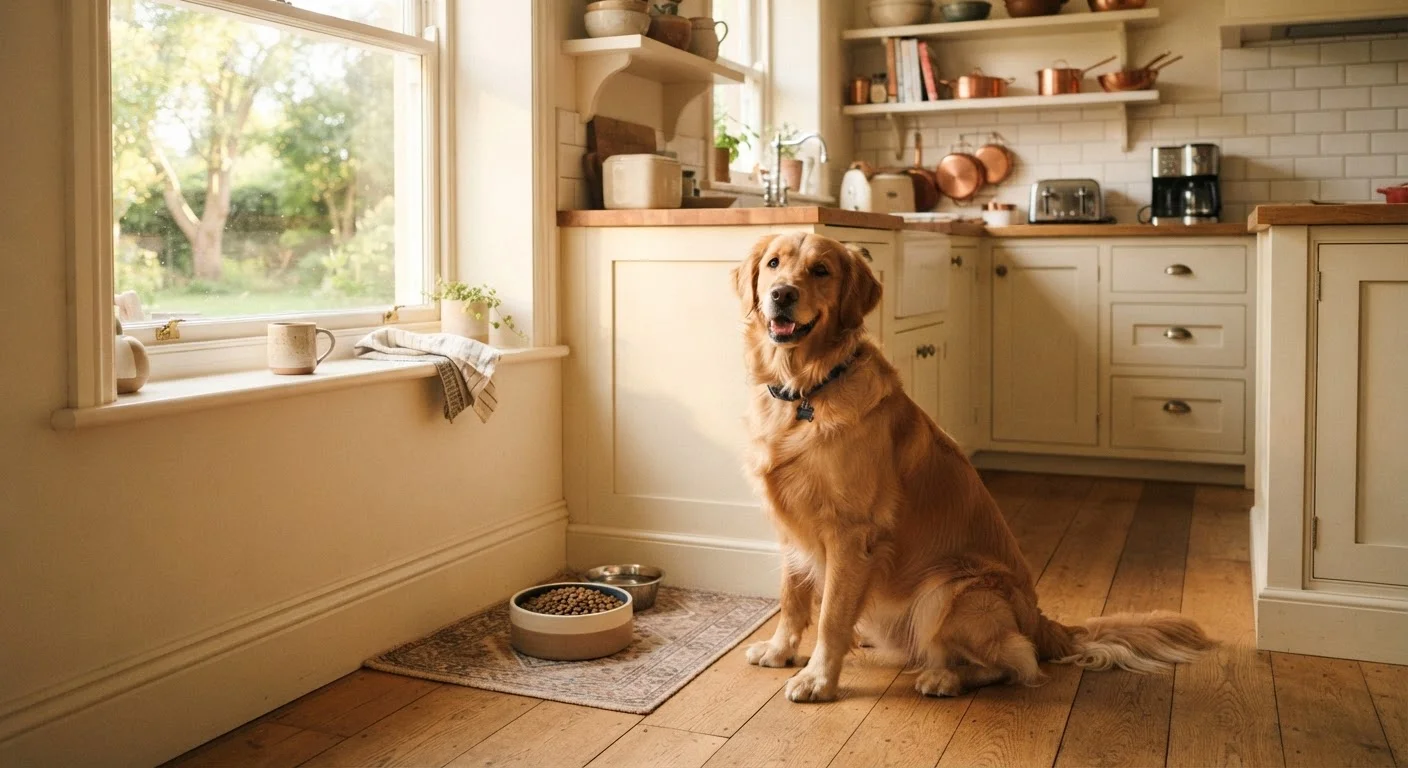
Nutrition in a senior pet isn't simply about switching to a bag labeled "senior formula." Your pet's actual dietary needs depend on their health status, weight, and any diagnosed conditions. A few principles generally apply:
- Protein quality matters: Contrary to older thinking, most healthy senior pets benefit from adequate high-quality protein to maintain muscle mass. Protein restriction is only appropriate when specifically indicated by conditions like advanced kidney disease — always under veterinary guidance.
- Caloric adjustment: Many seniors are less active and prone to weight gain. Adjusting portion sizes based on body condition — not just age — is more precise than blanket calorie cuts.
- Joint-supporting nutrients: Some diets include omega-3 fatty acids or glucosamine; while evidence varies, your vet can advise whether these make sense for your pet's situation.
Any significant dietary change in a senior pet should be discussed with your veterinarian, especially if the pet has been diagnosed with a chronic condition.
Dietary Needs Vary by Individual Health Status
"Senior" pet food formulas are not regulated to a single standard — their composition varies widely by manufacturer. A diet that suits one older pet may not be appropriate for another with different health conditions. Work with your veterinarian or a board-certified veterinary nutritionist to determine the best diet for your specific senior pet.
Preventive Care: Vet Visits and Monitoring at Home
The most important shift you can make for a senior pet is increasing the frequency of professional health assessments. Most veterinarians recommend twice-yearly wellness exams for older animals, compared to annual visits for younger pets. These check-ups often include bloodwork, urinalysis, blood pressure measurement, and dental evaluation — screenings that can detect disease before visible symptoms emerge.
Between visits, attentive home monitoring plays a real role. Keep informal notes on:
- Eating, drinking, and bathroom habits
- Activity level and willingness to exercise
- Any new lumps, limping, or postural changes
- Sleep patterns and nighttime behavior
Because senior pets often instinctively conceal discomfort, subtle changes are easy to overlook. Familiarizing yourself with the signs of hidden pain — covered in our guide on signs your pet may be in pain — can help you act before a problem becomes serious. Providing a loving, attentive environment is genuinely one of the most meaningful things you can do as a senior pet's owner.
This article is for general informational purposes only and does not constitute veterinary medical advice. Always consult a licensed veterinarian for guidance specific to your pet's health needs.