Why Pet Weight Management Matters
Excess body weight is consistently ranked among the most common health conditions seen in veterinary practice. Studies from veterinary associations have estimated that more than half of dogs and cats in the United States are overweight or obese. The consequences extend well beyond appearance: excess weight is associated with a shorter lifespan, increased risk of diabetes, joint degeneration, heart disease, respiratory difficulty, and certain cancers.
The encouraging reality is that weight-related health risks are largely preventable with consistent habits and veterinary support. This guide focuses on the practical steps pet owners can take — and what to do when professional intervention is needed. For a broader view of preventive care, see our Pet Care Basics hub.
“Obesity is not simply a cosmetic concern — it is a medical disease that shortens life expectancy and reduces quality of life in companion animals. The good news is that it is also one of the most preventable.”
— World Small Animal Veterinary Association (WSAVA) Nutritional Assessment Guidelines, Global veterinary standards body for small animal practice
Assessing Your Pet's Body Condition at Home
Before you can manage your pet's weight, you need a clear-eyed assessment of where they are now. The body condition score (BCS) gives you a structured, repeatable way to evaluate your pet's physique using touch and observation rather than just a number on the scale. Different species and breeds carry weight differently, so scale weight alone is rarely sufficient.
To apply the BCS at home: run your hands along your pet's ribcage. You should feel individual ribs without having to press. When viewed from above, your pet should have a recognizable waist behind the rib cage. When viewed from the side, the abdomen should tuck upward slightly rather than hang down. Ask your veterinarian to walk you through the BCS during your next visit — it takes only a few minutes and pays off in early detection. Your annual vet visit checklist is also a great place to make weight assessment a recurring agenda item.
59%
of U.S. dogs classified as overweight or obese
According to the Association for Pet Obesity Prevention's annual clinical survey of veterinary professionals.
61%
of U.S. cats classified as overweight or obese
From the same Association for Pet Obesity Prevention annual survey, reflecting consistent multi-year trends.
2 years
Estimated lifespan reduction linked to obesity in dogs
Research published in veterinary journals has associated significant obesity with meaningful reductions in life expectancy in canines.
Feeding Practices That Support a Healthy Weight
What and how much you feed your pet are the most direct levers you control. Inconsistent portions and untracked treats are the most common culprits behind gradual weight gain in otherwise healthy animals.
Use a body condition score to assess your pet's physique regularly.
The body condition score (BCS) is a standardized 9-point scale used by veterinarians to evaluate whether a pet is underweight, at an ideal weight, or overweight. Learning to apply it at home helps you catch gradual weight gain before it becomes a health problem. You should be able to feel your pet's ribs without pressing hard, and see a visible waist when viewed from above.
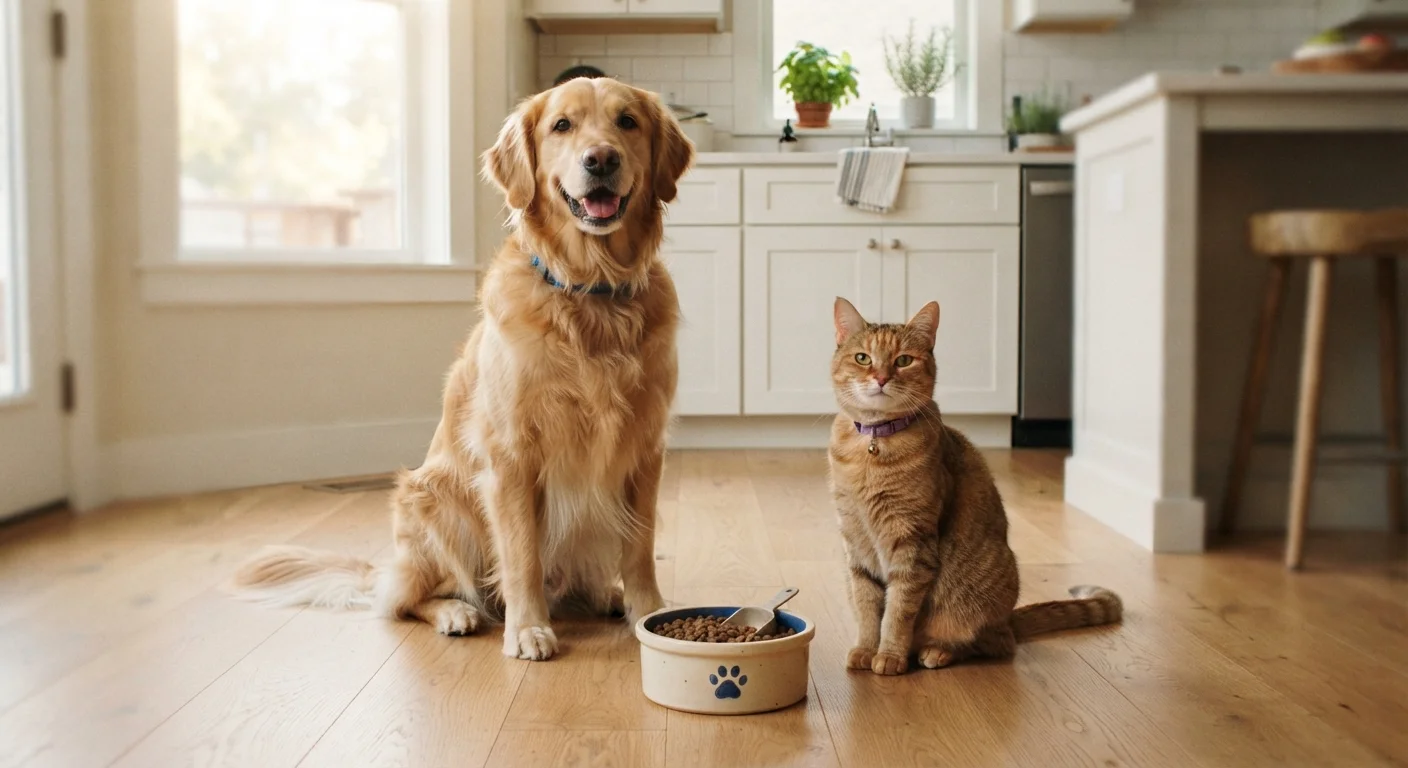
Measure every meal rather than relying on visual estimates.
Free-feeding and eyeballed portions are among the leading contributors to pet obesity. Even a small daily caloric surplus accumulates over weeks and months. Using a kitchen scale or a standardized measuring cup ensures consistency and makes it easier to identify when portions need adjusting.
Treat calories count — factor them into your pet's daily intake.
Treats are a normal and valuable part of pet ownership, but they can add up quickly. Many commercial treats are calorie-dense, and multiple treats per day can push a pet well over their daily energy needs. A commonly cited guideline from veterinary nutrition experts is that treats should make up no more than 10% of total daily calories.
Build consistent physical activity into your pet's routine.
Regular movement supports calorie expenditure, muscle tone, joint health, and mental wellbeing. The appropriate type and amount of exercise varies significantly by species, breed, age, and health status. A young Border Collie has very different needs than an elderly Persian cat, and overexertion in an obese pet can cause injury.
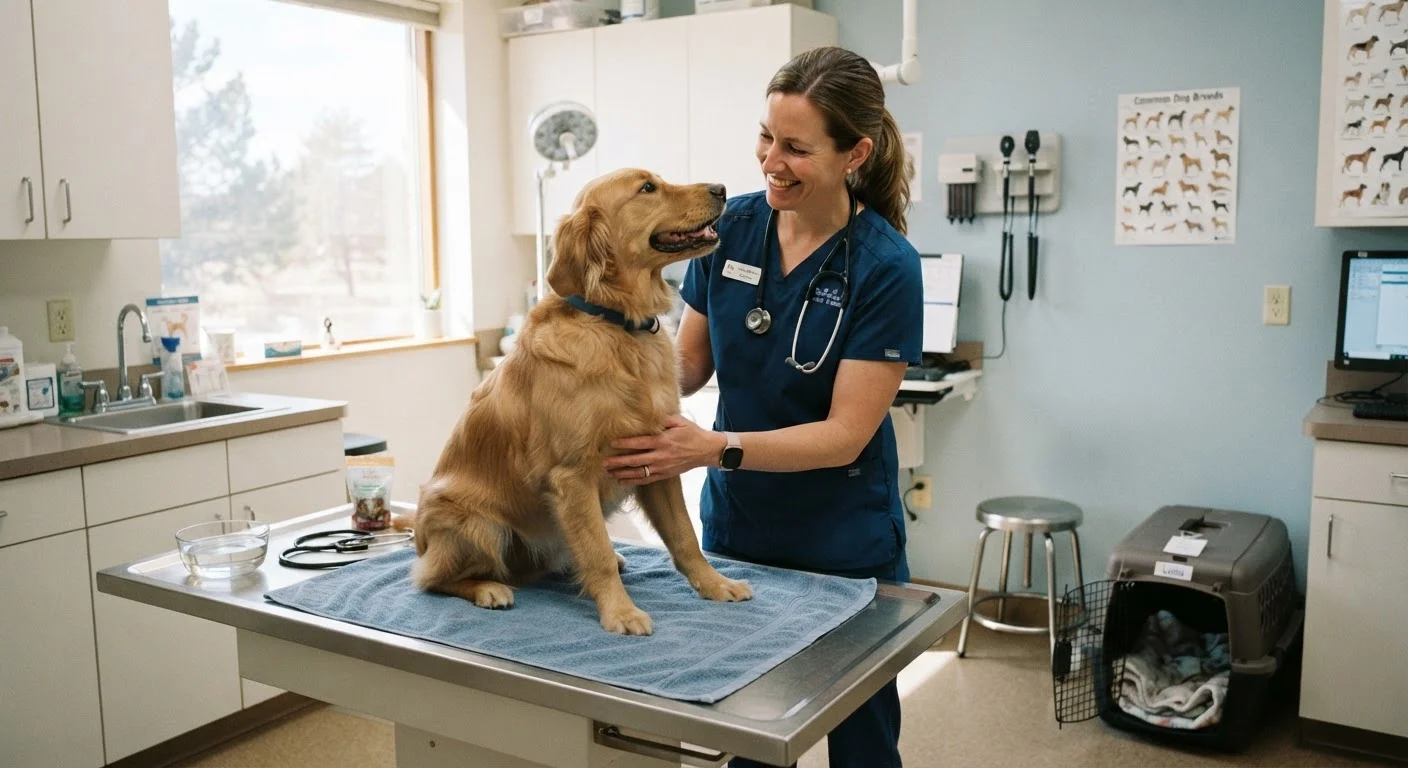
Partner with your veterinarian to create and monitor a weight-loss plan.
Rapid or unsupervised weight loss in pets carries real risks, including hepatic lipidosis (fatty liver disease) in cats. A veterinarian can identify any underlying medical causes of weight gain, recommend an appropriate caloric target, and schedule follow-up weigh-ins to track progress safely.
Food format can also influence caloric intake and satiety. Wet food and dry food differ meaningfully in calorie density and moisture content, which may affect how satisfied your pet feels after meals. Discuss food format choices with your vet in the context of your pet's overall health profile.
Getting Started: Quick Actions for Today
You don't need to overhaul everything at once. Small, consistent changes add up significantly over weeks and months. The following actions are low-effort starting points that can make a measurable difference:
Weight Issues in Senior Pets
Older pets face unique metabolic changes that can make weight management more complex. Reduced activity, hormonal shifts, and age-related conditions all influence body composition. If your pet is entering their senior years, review their nutrition and exercise routine with your vet. See our guide to caring for senior pets for more on age-related health changes.
This article is for general informational purposes only and does not constitute veterinary or medical advice. Always consult a licensed veterinarian before making changes to your pet's diet or exercise routine, particularly if your pet has an existing health condition.