Why Dental Health Matters for Pets
Dental disease is among the most common health conditions affecting dogs and cats. According to the American Veterinary Medical Association, the majority of pets show evidence of periodontal disease by the time they reach three years of age. Left untreated, it does not stay confined to the mouth - bacteria from infected gums can enter the bloodstream and place strain on the heart, kidneys, and liver over time.
For a deeper look at how the disease progresses, see our companion piece on dental disease in dogs and cats. Understanding the "why" behind dental care makes it far easier to stay consistent with the "how."
80%
Dogs with dental disease by age 3
The American Veterinary Medical Association estimates that most dogs show signs of periodontal disease by their third year of life.
70%
Cats affected by dental disease by age 3
Veterinary dental specialists note that the majority of cats also develop some form of oral disease well before middle age.
#1
Most common health problem in pets
Periodontal disease is consistently cited by veterinary organizations as the most frequently diagnosed condition in adult dogs and cats.
Warning Signs of Dental Disease
Pets rarely signal tooth pain the way humans do. Because instinct drives many animals to hide discomfort, owners need to watch for subtler cues. Contact your veterinarian if you notice any of the following:
- Persistent bad breath - a foul odor beyond normal "dog breath" often reflects bacterial buildup or infection
- Visible tartar - yellow or brown deposits along the gumline, especially on upper back teeth
- Red, swollen, or bleeding gums - early markers of gingivitis
- Difficulty chewing or dropping food - may indicate mouth pain
- Pawing at the face or mouth
- Decreased appetite or preference for soft food
- Loose or missing teeth
Some of these behaviors can also reflect other health issues. A veterinary exam is always the appropriate next step - do not attempt to diagnose or treat dental conditions at home.
Don't Wait for Obvious Pain
Animals instinctively mask discomfort, so by the time a pet visibly shows signs of mouth pain, the underlying disease may already be advanced. Routine veterinary dental exams - not just home observation - are essential for catching problems early. If you notice any of the warning signs listed above, schedule a veterinary appointment rather than monitoring the situation at home.
How to Brush Your Pet's Teeth
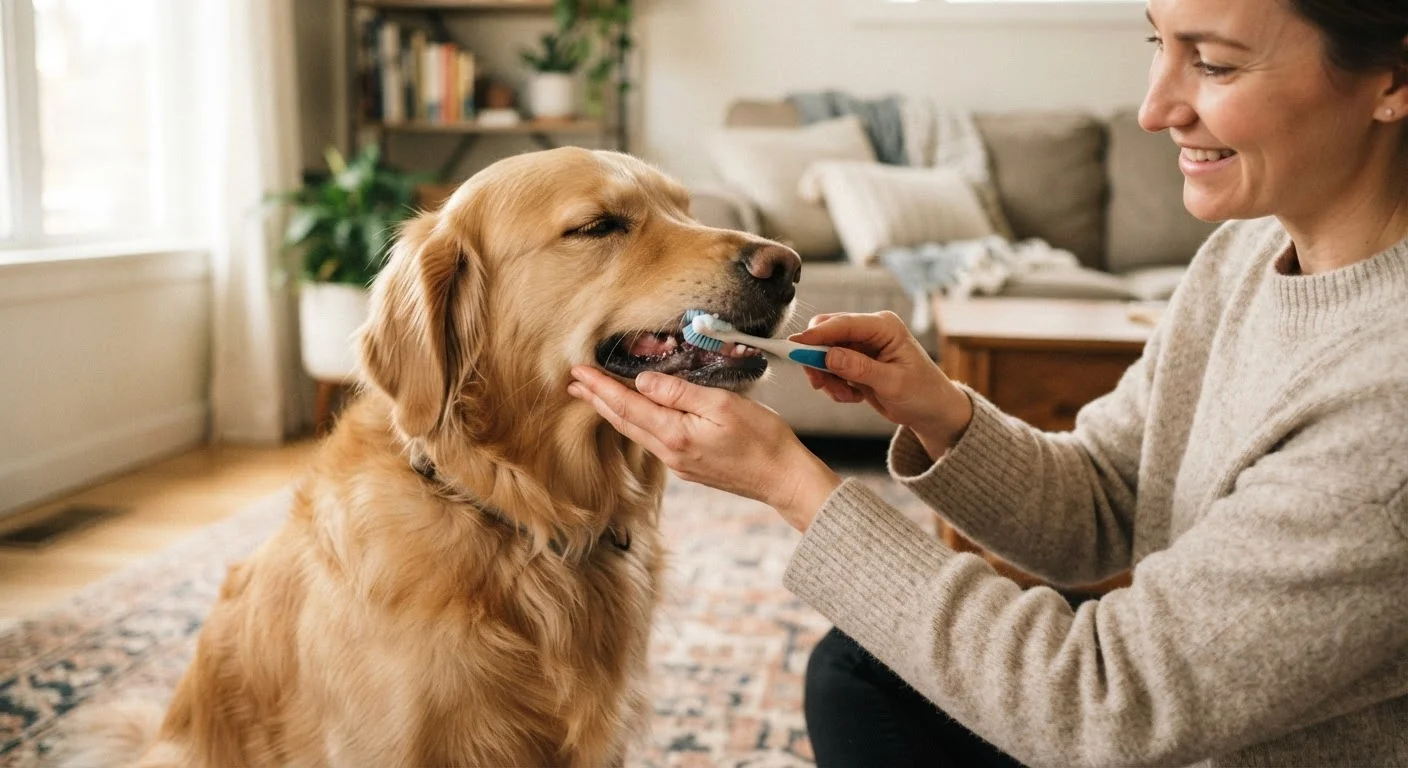
Toothbrushing remains the single most effective at-home measure for reducing plaque before it hardens into tartar. Use only toothpaste formulated for pets - human toothpaste contains fluoride and xylitol, both of which are toxic to dogs and cats.
Getting Started
- Introduce gradually. Let your pet sniff and lick a small amount of pet toothpaste from your finger over several days before introducing a brush.
- Choose the right tool. Finger brushes work well for small mouths; long-handled brushes reach the back teeth more effectively in larger dogs.
- Focus on the outer surfaces. The tongue naturally cleans the inner tooth surfaces. Concentrate on the cheek-facing side where tartar accumulates fastest.
- Keep sessions short. Thirty to sixty seconds of gentle circular motion is sufficient. Stop before your pet becomes agitated.
- End positively. Praise and a small reward after each session help build lasting cooperation.
Brushing at the same time each day - such as after an evening walk - helps both owner and pet build the habit. If your dog is prone to stress during grooming routines, the techniques in our guide on grooming your dog at home without causing stress may help.
If your pet refuses the brush entirely, start by wrapping a piece of gauze around your finger and rubbing the teeth gently - it delivers some mechanical cleaning while you work toward full brushing acceptance.
Gradual desensitization is more effective than forcing compliance, which can create lasting mouth-handling aversion and make veterinary exams harder.
Chicken- or beef-flavored pet toothpastes dramatically improve cooperation in most dogs and many cats - let your pet choose a flavor they'll tolerate before committing to a full routine.
A palatable toothpaste turns brushing from an unpleasant event into something the pet may even look forward to, making habit formation significantly easier.
Dental Diets, Chews, and Supplements
When daily brushing is difficult or as a complementary measure, several adjunct products can help slow plaque accumulation. The Veterinary Oral Health Council (VOHC) awards a seal to products that have met its standards for plaque or tartar reduction through controlled trials. Looking for this seal is a reliable way to evaluate dental chews, rinses, and water additives.
Common Options
- Dental diets: Specially textured kibble that creates a mild abrasive effect as pets chew, rather than crumbling on contact.
- Dental chews: Edible chews that mechanically reduce plaque; effectiveness varies by product and chewing style.
- Water additives and oral rinses: Solutions added to drinking water or applied directly to reduce bacterial load.
- Dental wipes: A useful option for pets that resist a toothbrush, though they cover less surface area than brushing.
Avoid Hard Chews That Can Crack Teeth
Antlers, hard nylon bones, and real bones are firm enough to fracture a pet's teeth - a painful and costly injury. A commonly cited veterinary rule of thumb: if you press firmly on the chew and it doesn't flex at all, it may be too hard for safe chewing. Ask your veterinarian before introducing any new chew.
No chew or diet replaces toothbrushing, but these tools are genuinely useful adjuncts, especially for owners working toward a full routine.
Professional Dental Cleanings: What to Expect
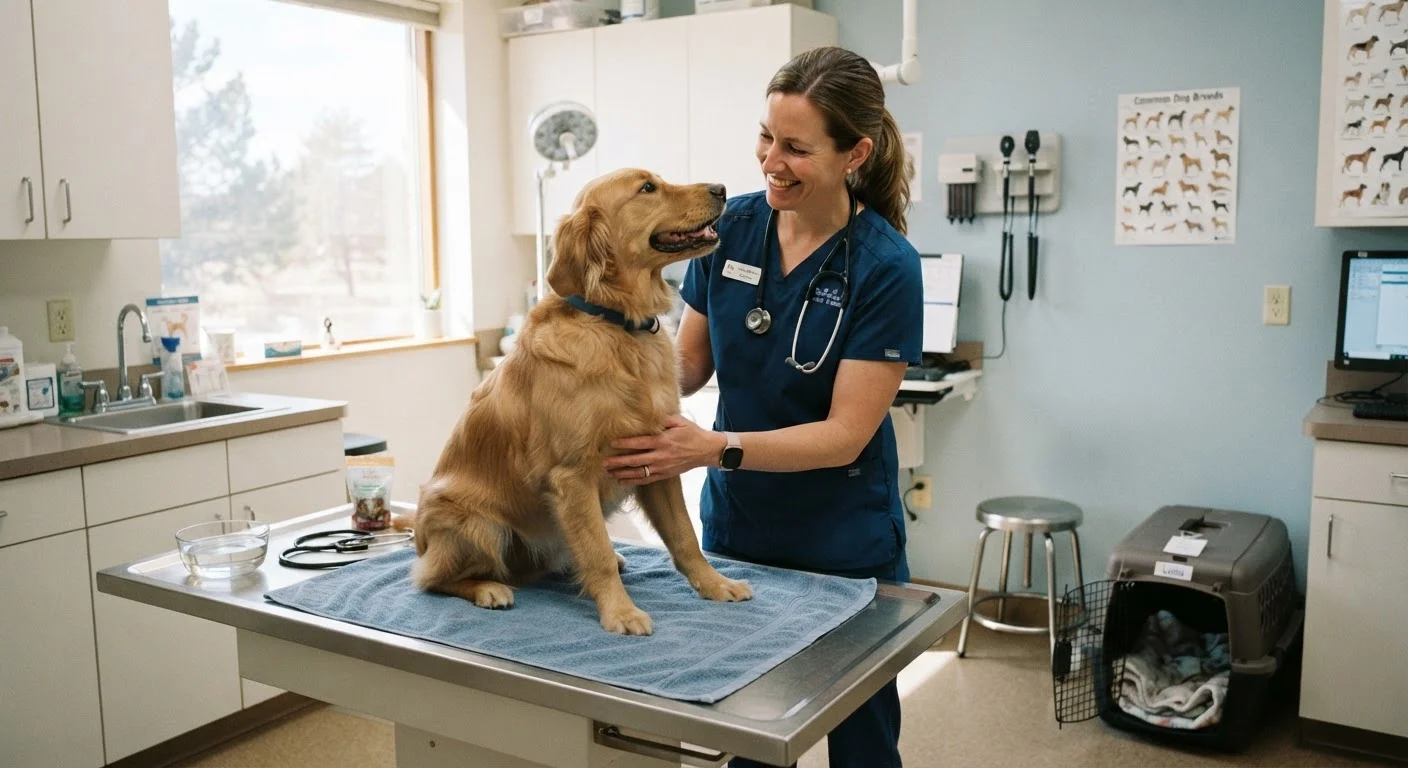
Home care addresses what accumulates above the gumline day to day. Professional cleanings - performed by a veterinarian under general anesthesia - are necessary to treat tartar below the gumline, probe for pockets of infection, and take dental X-rays that reveal root and bone health invisible to the naked eye.
General anesthesia is required because animals cannot hold still for the precision instruments used, and awake cleanings leave subgingival (below-gum) disease untreated. Modern veterinary anesthesia protocols include pre-anesthetic bloodwork, monitoring throughout the procedure, and careful recovery - your veterinarian can explain the specific safety steps used in their practice.
Frequency varies by individual animal. Some pets need annual professional cleanings; others may go longer between visits depending on breed, home care consistency, and disease progression. Your veterinarian will recommend a schedule based on examination findings. Dental health is a standard part of yearly wellness visits - our annual vet visit checklist covers what else to expect at those appointments.
Building a Lasting Dental Care Routine
Consistency matters more than perfection. Even brushing three to four times per week provides meaningful benefit compared to no brushing at all. The earlier in life a pet is introduced to mouth handling and brushing, the more cooperative they tend to become - but older pets can learn too, with patience and gradual desensitization.
A practical routine might look like:
- Daily or near-daily toothbrushing
- A VOHC-accepted dental chew several times per week
- Water additive if your veterinarian recommends one
- Professional cleaning on the schedule your veterinarian advises
Track your pet's dental health alongside their broader wellness picture. For a comprehensive overview of setting up preventive care from the start, explore our new pet health checklist. Dental care is just one piece - but it's a piece that significantly influences your pet's comfort and long-term health.
Veterinary Oral Health Council (VOHC) Accepted Products List
The VOHC publishes a regularly updated list of pet dental products that have met its efficacy standards. Useful for evaluating chews, rinses, and diets before purchase.
Annual Vet Visit Checklist for Dogs and Cats
A practical checklist covering what to expect at your pet's yearly exam, including dental health assessment, vaccinations, and questions to bring to your veterinarian.
This article provides general educational information about pet dental health and is not a substitute for professional veterinary advice. Always consult a licensed veterinarian for guidance specific to your pet's needs.