Why your car communicates before it fails
Modern vehicles are complex machines, but they rarely fail without warning. Long before a component reaches complete failure, it usually produces detectable changes - a new sound, an unfamiliar smell, a shift in how the car feels under your hands or feet. Learning to recognize these signals is one of the most practical skills any driver can develop.
The checklist below is organized around how you perceive a symptom: what you hear, smell, feel through the wheel or pedal, and see. If you are not yet familiar with the underlying components being referenced, knowing what a CV joint, serpentine belt, or caliper does will help you communicate more clearly with a mechanic when something needs attention.
For a broader habit of proactive awareness, pair this checklist with a pre-drive safety check - a quick routine that takes only a couple of minutes and can catch visible issues before every trip.
Never ignore brake-related symptoms
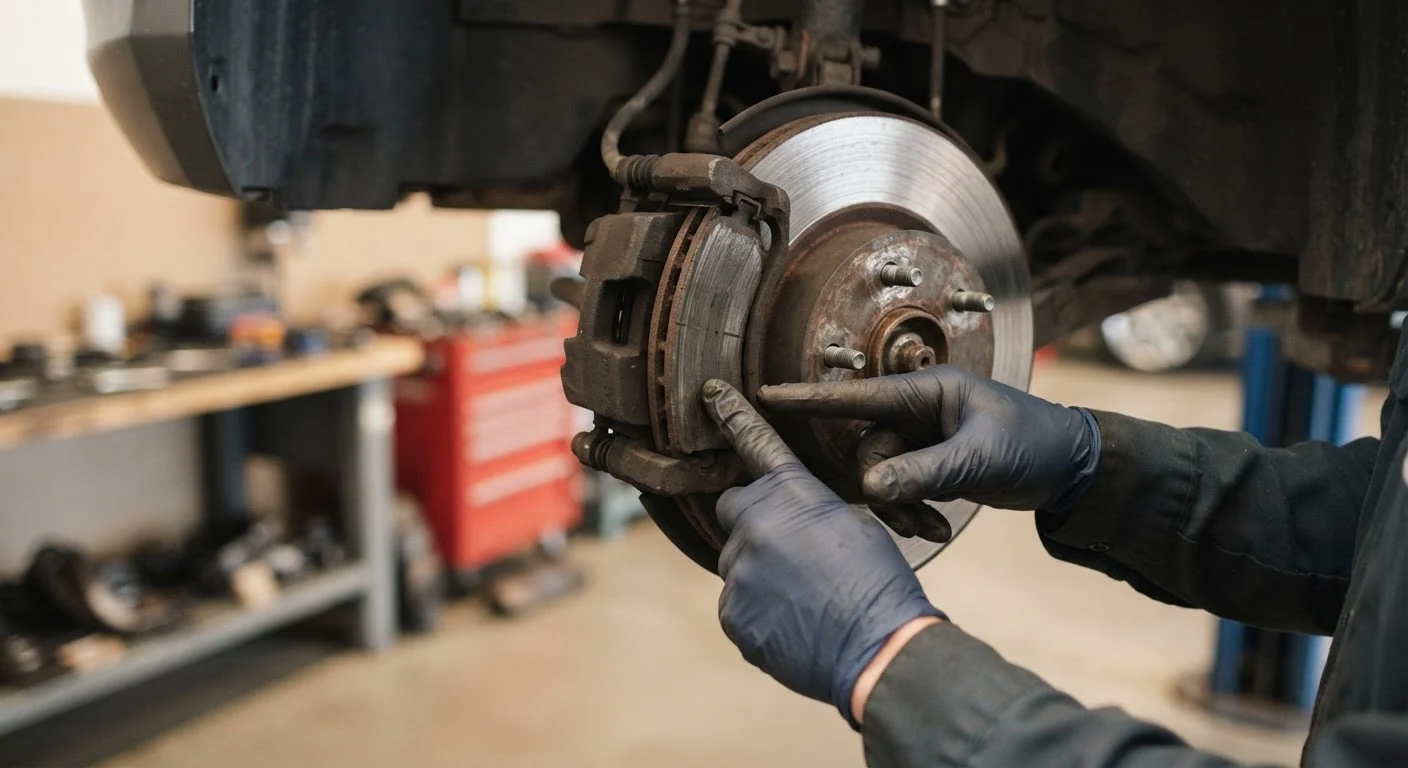
Grinding, pulsating, or a soft brake pedal are signs that your braking system may be compromised. Brakes are your most critical safety system - do not delay having them inspected. Driving on failing brakes puts you, your passengers, and others on the road at serious risk.
Overheating can destroy an engine quickly
If your temperature gauge enters the red zone or a coolant warning light appears, pull over safely as soon as possible and turn off the engine. Continuing to drive an overheating vehicle can cause severe, often irreparable engine damage within minutes.
How to use this checklist
Work through each group when you notice something feels different about your vehicle, or use it periodically as a general audit. You do not need any mechanical expertise - the goal is observation and documentation. Note what you noticed, when it started, and under what conditions it occurs (cold start, highway speed, turning, braking). That information is exactly what a mechanic needs to diagnose a problem efficiently.
OBD-II diagnostic scanner
Reads fault codes stored by your car's onboard computer to help identify the system triggering a warning light.
Tire pressure gauge
Allows you to check each tire's inflation level, which affects handling, wear, and fuel efficiency.
Flashlight or work light
Essential for inspecting under the hood, beneath the vehicle, and around tires in low-light conditions.
Clean white rag or paper towel
Used to check dipstick readings for oil level and color, and to identify fluid leak colors on the ground.
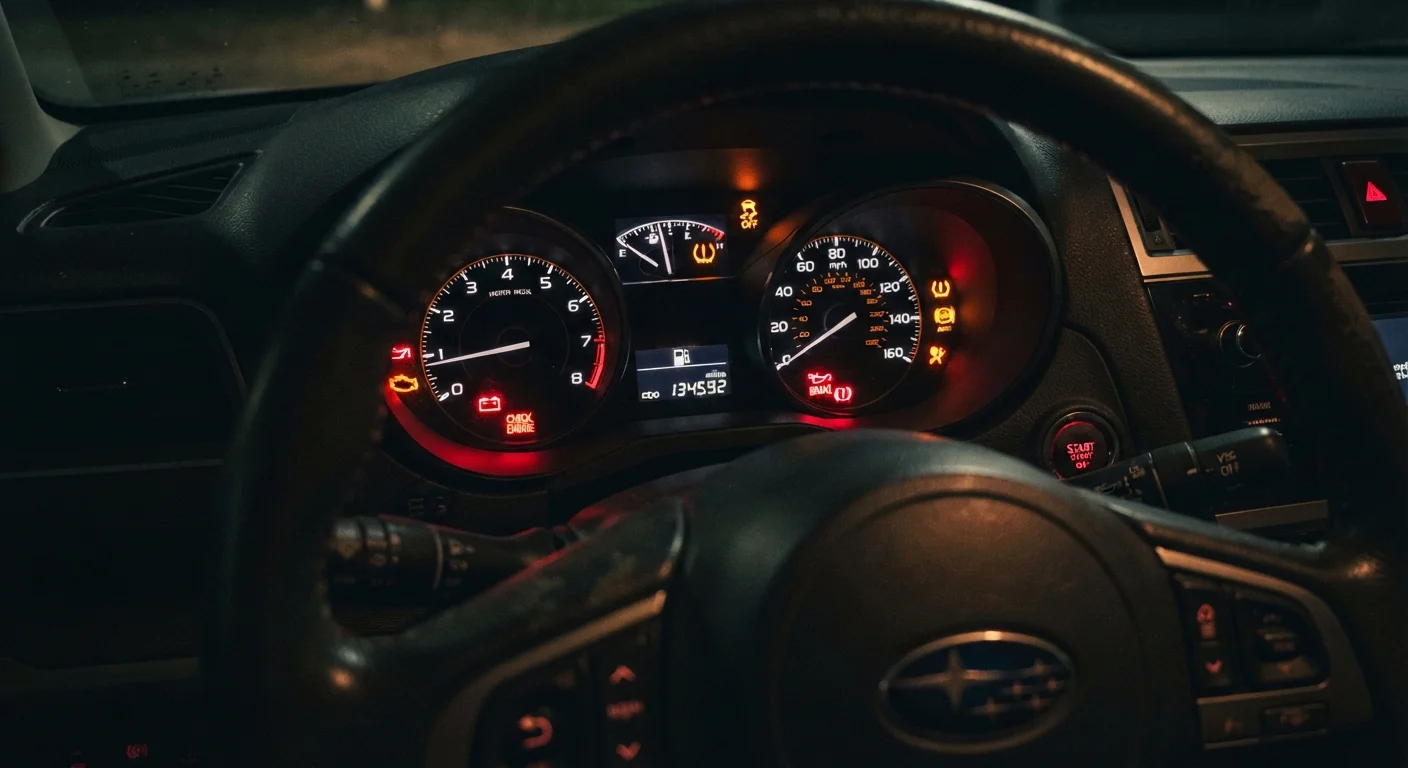
If any item triggers a dashboard warning light, consult a plain-language guide to dashboard warning lights to understand urgency level. For check engine light specifics, understanding what triggers it and which codes are urgent will help you decide how quickly to act. Keep in mind that dashboard lights often appear after physical symptoms - which is exactly why this checklist focuses on what you can detect yourself.
When symptoms appear, act - don't wait
It can be tempting to postpone a mechanic visit when a symptom seems minor. In most cases, the underlying cause will worsen with continued driving. Early diagnosis typically means simpler, less expensive repairs. If you are unsure whether a symptom is urgent, err on the side of caution and have the vehicle checked.
Before a long trip, combine these checks with a full pre-road-trip vehicle inspection covering tires, fluids, lights, and emergency supplies. For ongoing maintenance context, the Car Maintenance hub covers the essential upkeep your vehicle needs to stay reliable.
Sounds to take seriously
Smells that indicate a problem
Handling and ride quality changes
Visual cues and fluid checks