How Dashboard Warning Lights Are Organized
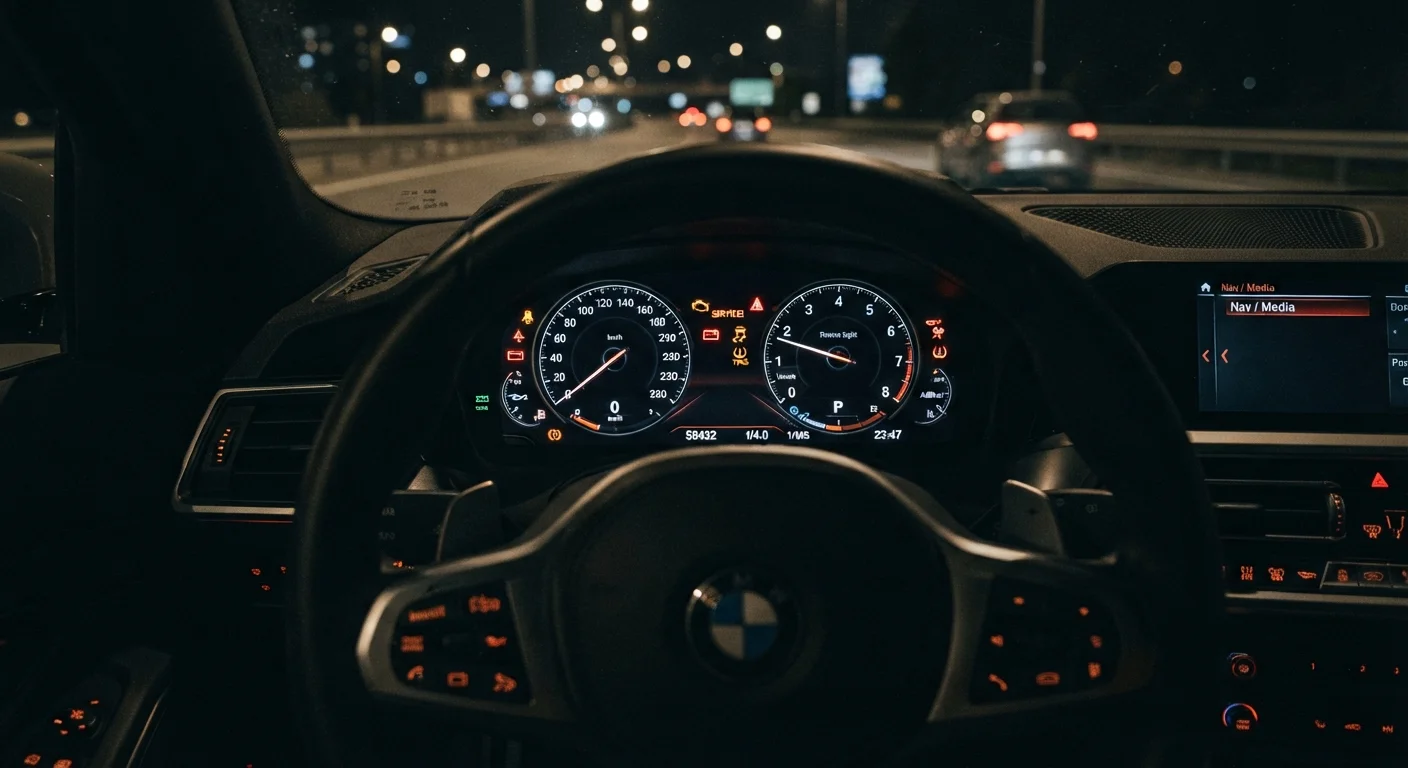
Modern vehicles communicate through a tiered warning system built into the instrument cluster. Understanding the color-coding alone can tell you a great deal before you ever look up the symbol.
| Warning light colors | Red = stop soon; Amber = service needed; Green/Blue = system active |
| OBD-II standard applies to | All U.S. passenger vehicles sold from 1996 onward (U.S. Environmental Protection Agency) |
| TPMS required since | 2008 (all new U.S. passenger vehicles) (NHTSA TPMS Final Rule) |
| Most common cause of check engine light | Loose or faulty gas cap (evaporative emissions leak) |
| Oil pressure light - safe driving window | Near zero - stop the engine as quickly as safely possible |
Red lights signal serious, often immediate problems - low oil pressure, overheating, or a brake system fault. Pull over safely as soon as possible when a red light appears. Amber or yellow lights indicate a condition that needs attention soon but may not require stopping immediately - a failing oxygen sensor or low tire pressure, for example. Green and blue lights are informational, confirming that a system (like high beams or cruise control) is active. They are not warnings.
For a deeper look at individual symbols, the plain-English dashboard glossary covers the full range of common icons and their urgency levels.
The Warning Lights You're Most Likely to See
While every vehicle differs, a handful of warning lights appear across nearly all makes and models. Here's what each one is actually communicating.
MIL (Malfunction Indicator Lamp)
The official term for the check engine light. It activates when the vehicle's onboard diagnostic system (OBD-II) detects a fault in the engine, transmission, or emissions systems and stores a diagnostic trouble code.
OBD-II
On-Board Diagnostics, second generation - a standardized system used in vehicles sold in the U.S. since 1996 to monitor emissions and engine performance and report fault codes readable by a scan tool.
TPMS
Tire Pressure Monitoring System. A federally mandated system (required on U.S. vehicles since 2008) that alerts the driver when one or more tires drops significantly below the recommended inflation pressure.
Instrument Cluster
The panel directly behind the steering wheel that houses the speedometer, fuel gauge, tachometer, and all warning and indicator lights.
Catalytic Converter
An emissions control device in the exhaust system that converts harmful combustion byproducts into less harmful gases. Engine misfires can overheat and permanently damage it.
Alternator
A generator driven by the engine that produces electrical current to charge the battery and power the vehicle's electrical systems while the engine is running.
Check Engine (MIL)
The Malfunction Indicator Lamp - commonly called the check engine light - signals that the vehicle's onboard diagnostics have logged a fault code. A steady light often indicates a non-emergency issue like a loose gas cap or a failing emissions sensor. A flashing check engine light points to an active misfire that can damage the catalytic converter and warrants stopping soon. Learn what the check engine light is actually telling you before assuming the worst.
Oil Pressure Warning
This red light - typically an old-fashioned oil can icon - means the engine is not receiving adequate lubrication. Driving with low oil pressure can cause catastrophic, irreversible engine damage within minutes. Stop the vehicle safely, shut off the engine, and check the oil level before proceeding.
Temperature Warning
A red thermometer rising from wavy lines means the engine is overheating. Turn off the A/C, pull over, and allow the engine to cool completely before opening the hood. Never open a hot radiator cap.
Battery / Charging System
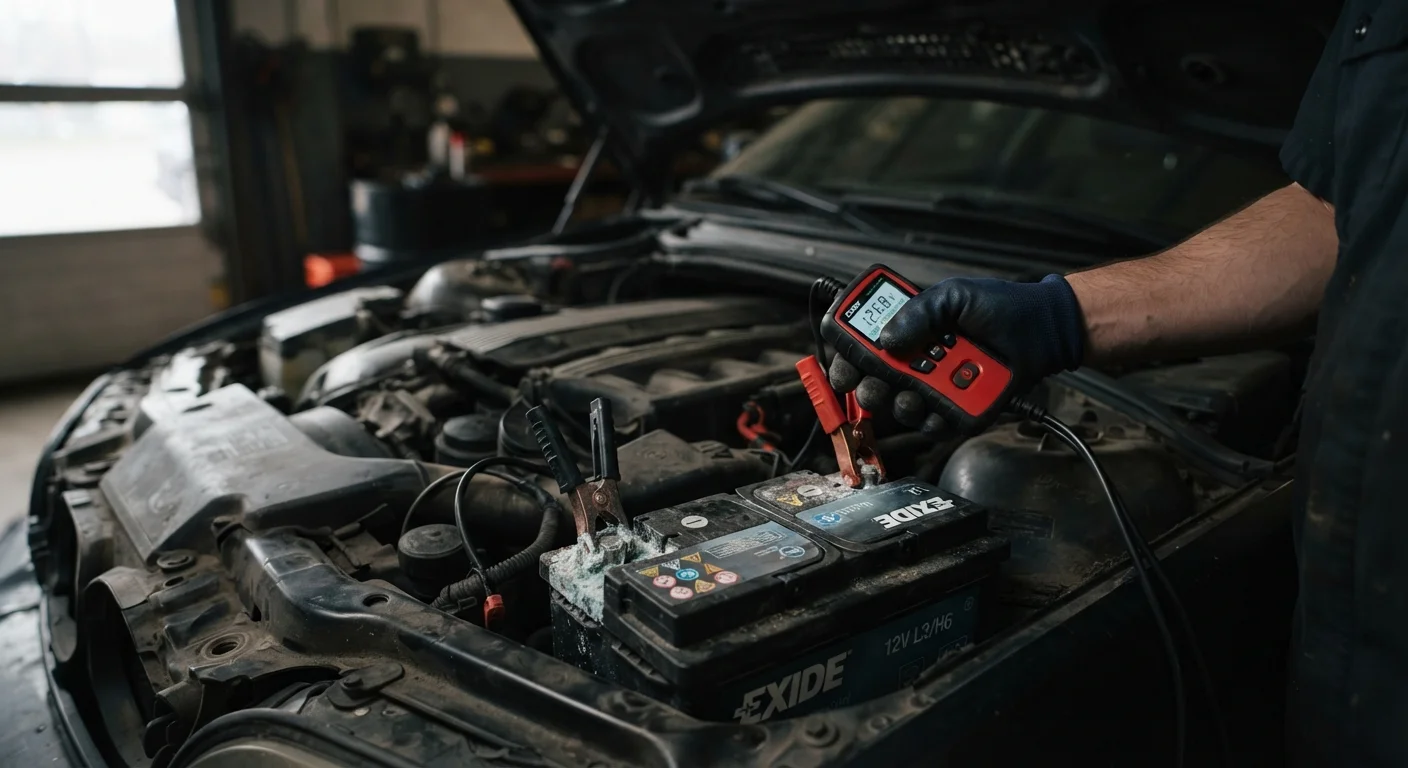
An amber or red battery symbol suggests the charging system isn't maintaining adequate voltage. The alternator, battery, or wiring may be at fault. Your vehicle may continue running briefly on battery reserve, but electrical systems will begin failing. Reach a mechanic promptly.
Tire Pressure Monitoring System (TPMS)
An amber exclamation point inside a tire cross-section means one or more tires has dropped below the recommended pressure. Under-inflated tires affect handling, fuel economy, and wear life. Check pressure manually - the TPMS light can also illuminate if a sensor has failed, not just when a tire is low.
Brake System Warning
A red circle with an exclamation mark (or the letter "P" in a circle) can mean the parking brake is engaged, or - if that's ruled out - that brake fluid is low or there's a hydraulic fault. A brake system problem demands immediate attention; do not ignore this light while driving.
When to Stop Immediately vs. When to Schedule Service
Not every warning light is a roadside emergency, but some are. Use this general framework:
- Stop now: Oil pressure, engine temperature, brake system fault (non-parking brake), or any red light accompanied by unusual sounds, smells, or a loss of vehicle control.
- Drive to a mechanic today: Battery/charging warning, a flashing check engine light, or any amber light paired with noticeable performance changes.
- Schedule service within a week: Steady check engine light with no other symptoms, TPMS alert, or a service reminder light (oil life monitor, service due).
Your Owner's Manual Is the Authoritative Source
Symbol designs vary by manufacturer. A light that looks like an engine on one vehicle may represent a different system on another. Always cross-reference a warning light with the instrument cluster section of your owner's manual - most are also available as free PDFs from manufacturer websites. When in doubt, a qualified mechanic with a scan tool can read stored fault codes in minutes.
Unusual sounds and smells often appear before a warning light does - being alert to both gives you the best chance of catching problems early. Incorporating a quick instrument cluster scan into your pre-drive safety check takes less than five seconds and can prevent a far more expensive roadside situation.