Why Part Names Matter More Than You Think
You don't need to be a mechanic to be an informed car owner. But knowing the names and basic functions of key components makes a genuine difference: it helps you describe problems accurately, understand repair estimates, and recognize when something a shop recommends is legitimate versus unnecessary. It also makes your maintenance decisions more strategic - because you can weigh the urgency of a repair against what the part actually does.
The components below aren't every part on your vehicle. They're the ones that come up most often in repair conversations, show recognizable symptoms before failing, and are worth understanding before your next service appointment.
Serpentine Belt
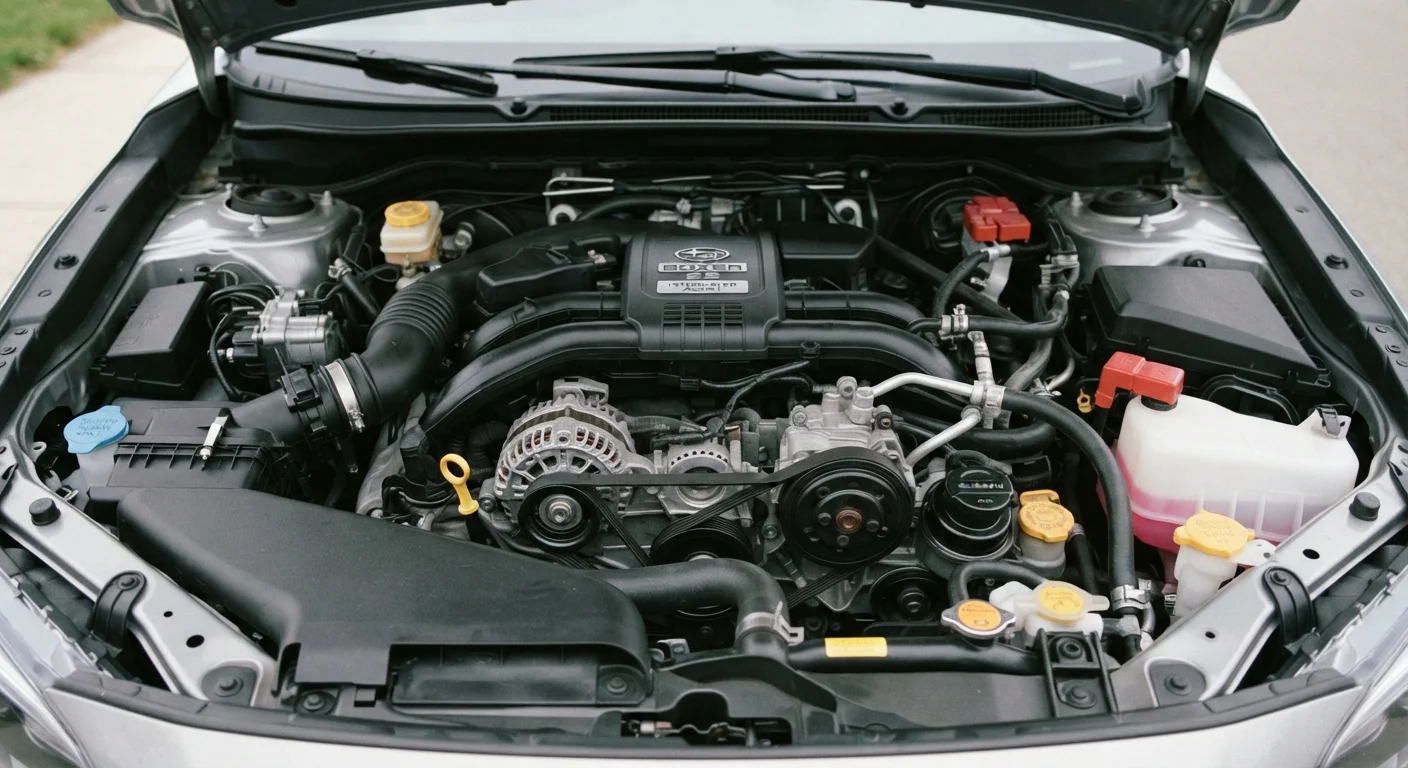
The serpentine belt is a single, continuous rubber belt that loops around multiple engine components - including the alternator, power steering pump, air conditioning compressor, and water pump - transferring power from the engine's crankshaft to run them all. Because it drives so many systems at once, a snapped or slipping serpentine belt can cause several things to fail simultaneously. Signs of wear include squealing noises under the hood, visible cracking along the belt's surface, or a sudden loss of power steering. Most manufacturers recommend inspection at regular intervals; consult your owner's manual for the interval specific to your vehicle.
One snapped serpentine belt can cause your alternator, power steering, and water pump to fail at the same time.
CV Joint (Constant Velocity Joint)
A CV joint - short for constant velocity joint - is a flexible coupling that transfers engine power to the wheels at a consistent speed, even as the wheels turn and the suspension moves up and down. Front-wheel-drive vehicles rely heavily on them. Each CV joint is encased in a rubber CV boot packed with grease. When that boot cracks or tears, the grease escapes, contaminants enter, and the joint wears out quickly. The most recognizable symptom is a clicking or popping sound when turning, especially at low speeds. Catching a torn boot early - before joint damage occurs - is significantly less expensive to fix.
A torn CV boot caught early costs far less to fix than a fully failed CV joint.
Brake Caliper
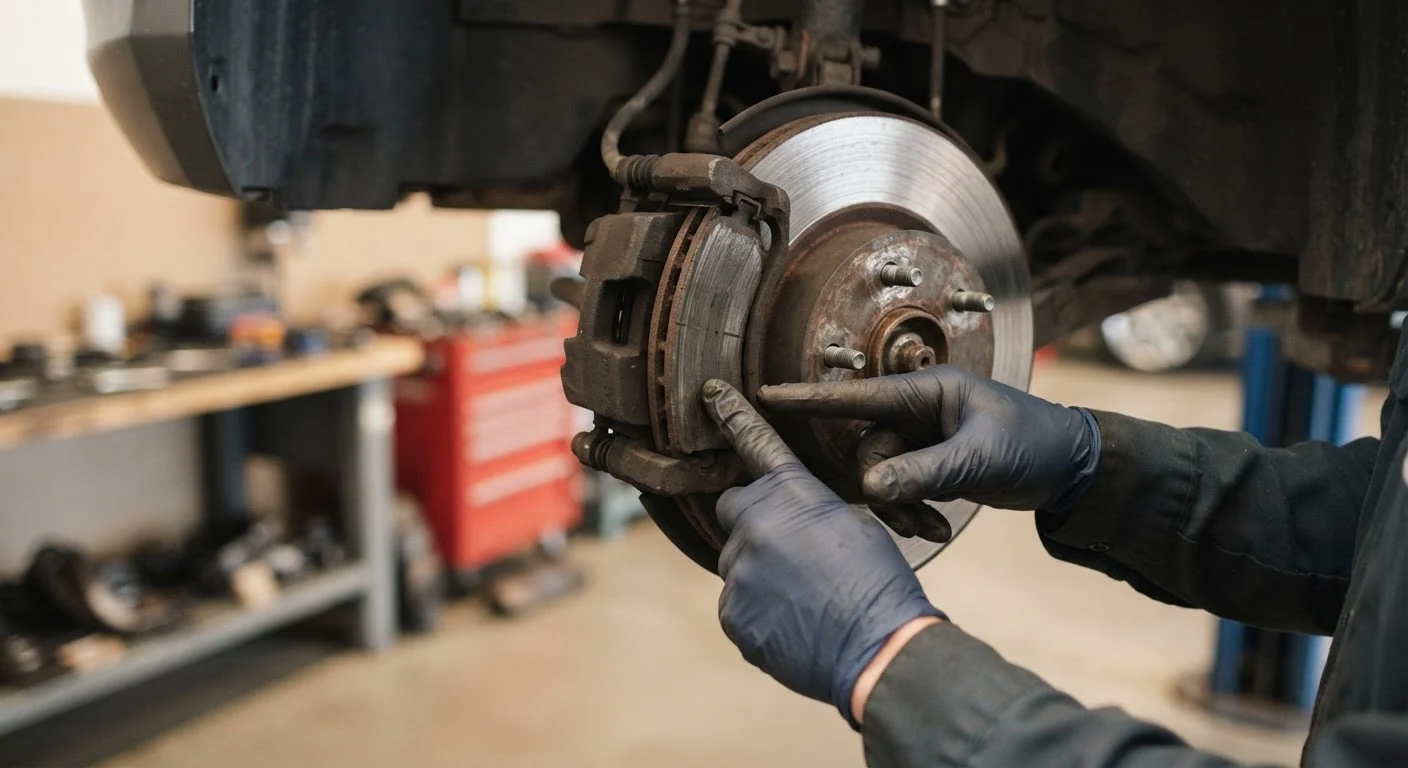
The brake caliper is a hydraulic clamp that squeezes brake pads against the brake rotor (the disc) when you press the brake pedal, creating the friction that slows the vehicle. Most modern cars use disc brakes on all four wheels, though some still use drum brakes at the rear. A sticking caliper - one that doesn't fully release - can cause uneven braking, premature pad wear, or a burning smell after driving. If your car pulls to one side when braking, a caliper is one of the first things a mechanic will inspect. Brake system issues are safety-critical; have any suspected caliper problem evaluated by a qualified technician promptly.
A sticking brake caliper can cause uneven braking and a burning smell - both safety-critical warning signs.
Alternator
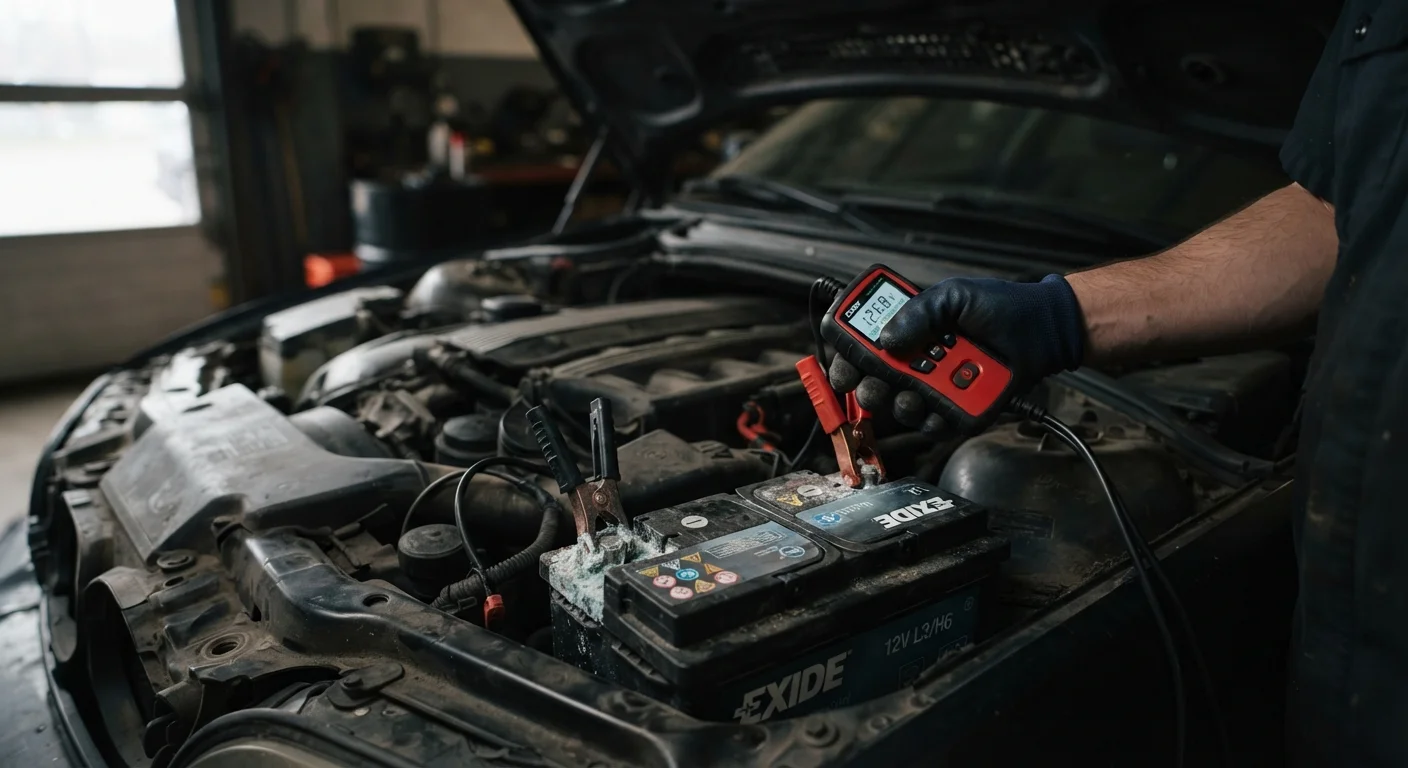
The alternator is a generator driven by the serpentine belt that produces electricity to power your car's electrical systems and recharge the battery while the engine is running. It's commonly confused with the battery, but they perform different roles: the battery starts the engine; the alternator keeps everything running afterward. Symptoms of a failing alternator include dimming headlights, dashboard warning lights (particularly the battery light), difficulty starting, and electrical accessories behaving erratically. Understanding this distinction helps you describe the issue accurately - and avoid paying for a battery replacement when the alternator is actually the cause. See our guide to dashboard warning lights if you're unsure what a symbol means.
Your battery starts the engine; your alternator keeps it powered - knowing the difference can save you a misdiagnosis.
Tie Rod End
A tie rod end is a small ball-and-socket joint that connects the steering rack to the wheel hub, transmitting steering input so the wheels turn in the direction you intend. There are inner and outer tie rod ends on each side of the vehicle. When they wear out, the most common symptoms are loose or wandering steering, uneven tire wear, and a clunking noise when turning. Worn tie rod ends also cause the vehicle to go out of alignment, which is why alignment issues sometimes trace back to suspension and steering components rather than the alignment itself. This is closely connected to what a wheel alignment service actually corrects.
Worn tie rod ends can mimic alignment problems - knowing the difference helps you ask the right questions.
Throttle Body
The throttle body is a valve assembly that controls the amount of air flowing into the engine. In most modern fuel-injected vehicles, it's electronically controlled - your accelerator pedal sends a signal to the throttle body rather than being mechanically connected to it. When the throttle body becomes dirty or fails, symptoms can include rough idling, hesitation when accelerating, a check engine light, or reduced power. Carbon buildup is a common cause and can often be addressed with a cleaning service. Understanding that the throttle body governs airflow - and that air and fuel must be balanced for combustion - makes it easier to grasp why engine performance issues arise. For a deeper look, see how a car engine turns fuel into motion.
The throttle body controls airflow into your engine - dirt buildup alone can cause rough idling and hesitation.
Strut and Shock Absorber
Struts and shock absorbers (shocks) are suspension components that dampen the oscillation of your springs, keeping your tires in contact with the road surface. While often used interchangeably in casual conversation, they're different: a strut is a structural part of the suspension assembly, while a shock absorber is a standalone damping device. Worn shocks or struts cause excessive bouncing, nose-diving during hard braking, reduced steering control, and uneven tire wear. Because they degrade gradually, the change in ride quality can be subtle - many drivers don't notice until the problem is significant. Replacing struts also typically requires a wheel alignment afterward, since the geometry of the suspension shifts.
Struts and shocks degrade so gradually that most drivers don't notice the handling loss until it's significant.
Write Down Symptoms Before Your Appointment
Before visiting a mechanic, jot down exactly when the symptom occurs - during braking, turning, acceleration, or at idle - and how long it's been happening. Using the correct part name when you can, combined with a precise description of the symptom, helps a technician diagnose the issue faster and reduces diagnostic time charges.
Building Confidence Behind the Wheel and Under the Hood
Familiarity with these terms turns a mechanic's estimate from an intimidating document into something you can actually evaluate. When a shop says your CV boot is cracked and recommends replacing the joint, you now understand why timing matters. When your dashboard lights up and the shop mentions the alternator, you won't assume it's the battery.
When to Involve a Professional
Knowing these part names is a starting point - not a replacement for professional diagnosis. Many symptoms overlap between components, and modern vehicles have complex, interconnected systems. When in doubt, describe what you're experiencing to a licensed mechanic and ask them to explain what they find. A good shop will welcome informed questions.
Pair this knowledge with regular observation. A quick pre-drive walk-around takes less than two minutes and can surface fluid leaks, unusual tire wear, or sounds that point to the components covered here. The more consistently you look, the earlier you'll catch problems - and early detection almost always means lower repair costs and better safety outcomes.
For a broader foundation as a car owner, the first-year car ownership guide covers how to read repair estimates, understand service intervals, and build a maintenance routine that protects your investment over time.