What 'Aesthetic' Actually Means in Personal Style
The word aesthetic gets thrown around constantly in style conversations, but it has a straightforward meaning: it's your visual sensibility — the set of qualities that make something feel right to you. In personal style, your aesthetic is the through-line that connects the clothes, colors, and textures you're drawn to, even when you can't immediately articulate why.
It's worth separating aesthetic from trend. Trends are seasonal, externally driven, and temporary. Your aesthetic is slower-moving and more personal — it reflects something about how you see the world and want to show up in it. Understanding this distinction is freeing. You're not chasing what's popular; you're uncovering what's already yours.
If you want to get familiar with the vocabulary used to describe different aesthetics — terms like capsule wardrobe, quiet luxury, or cottagecore — our Style Vocabulary reference guide is a useful companion to keep nearby as you explore.
Aesthetic
Your personal visual sensibility — the consistent qualities in color, shape, texture, and mood that make something feel right or 'you.'
Style archetype
A named framework that groups common aesthetic qualities together, such as 'minimalist' or 'romantic,' used as a reference point rather than a rigid label.
Capsule wardrobe
A curated, smaller collection of versatile clothing pieces that work well together, reducing decision fatigue while reflecting a cohesive aesthetic.
Silhouette
The overall shape and outline of a garment or outfit — whether it's fitted, flowing, structured, or relaxed.
Mood board
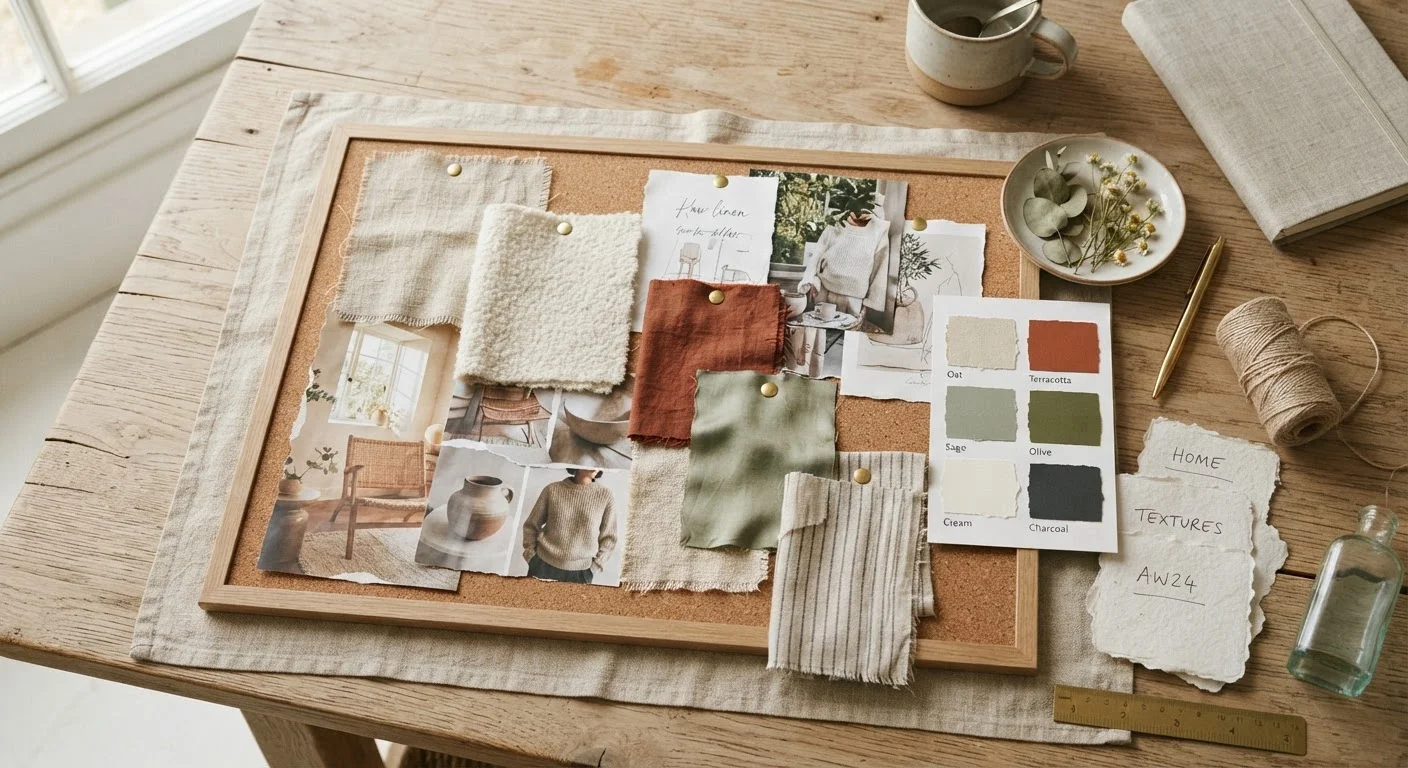
A visual collage of images, colors, and textures assembled to capture a feeling or aesthetic direction, used as a reference when making style decisions.
Start With What You Already Respond To
Before you open a single style guide or shopping app, look inward — or more precisely, look at what you already save, screenshot, and linger on. Your existing visual habits are a goldmine of information about your aesthetic instincts.
Try this: spend a week saving any image that genuinely excites you, whether it's a room interior, a film still, a painting, or an outfit. Don't filter or second-guess. At the end of the week, lay those images side by side. You'll almost certainly notice recurring colors, moods, or qualities — and that's your aesthetic talking.
This exercise works because aesthetic responses happen before the rational brain kicks in. You feel drawn to something before you decide to be. Trusting that initial pull — rather than what you think you should like — is the fastest route to an authentic style foundation.
Cast a Wide Net at First
Don't limit your inspiration-gathering to fashion sources alone. Architecture, film, nature photography, and interior design can all reveal aesthetic preferences just as clearly as runway images. The broader your visual input, the richer the pattern that emerges.
Recognizing Your Visual Patterns
Once you have a collection of images you love, it's time to look for patterns. Common categories to examine include:
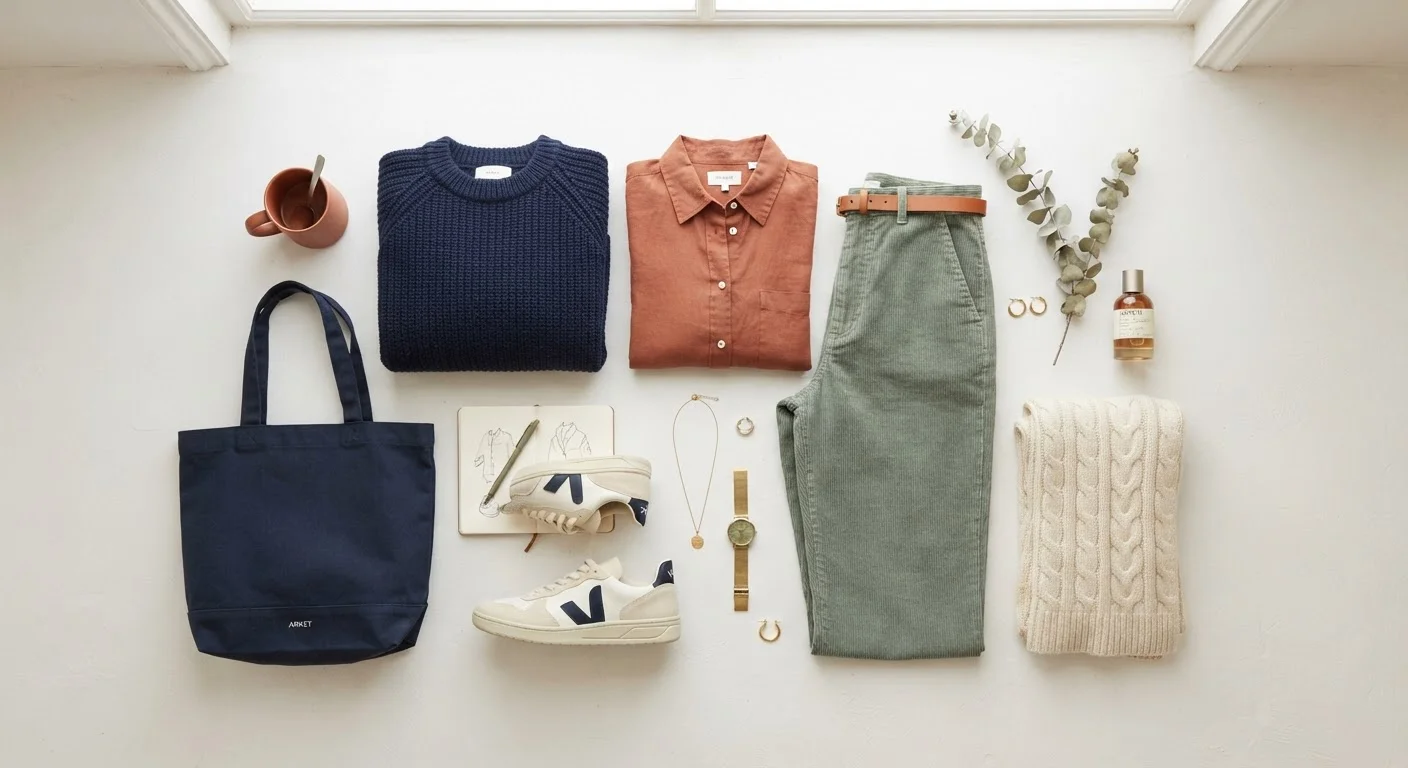
- Color palette: Are you drawn to muted neutrals, saturated brights, earthy tones, or high-contrast black and white?
- Silhouette: Do the shapes you love tend to be structured and tailored, relaxed and oversized, fitted, or flowing?
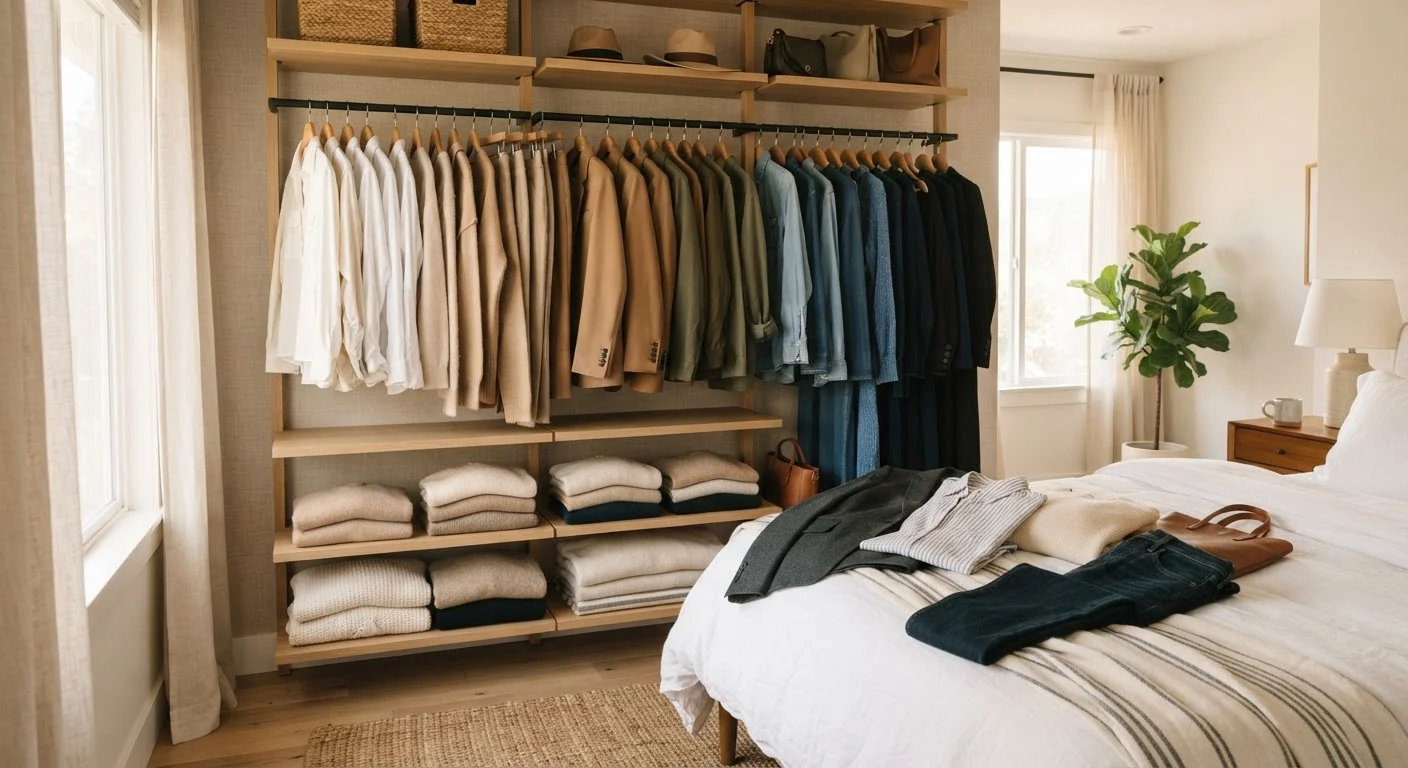
- Texture and fabric feel: Do you gravitate toward crisp cottons, soft knits, smooth leather, or natural linen?
- Mood: Does your collection feel polished, casual, romantic, minimal, or eclectic?
These patterns are the raw ingredients of your aesthetic. You don't need to name it or assign it a label — though if you're curious how common aesthetic frameworks compare, Wardrobe Archetypes: Classic, Minimalist, Eclectic, and Romantic Compared is a great place to explore the landscape.
Translating Inspiration Into Wearable Choices
Inspiration boards are only useful if they connect to real life. A common stumbling block for style beginners is collecting beautiful images that feel totally disconnected from their actual wardrobe, body, or daily context. Closing that gap is where the real work begins.
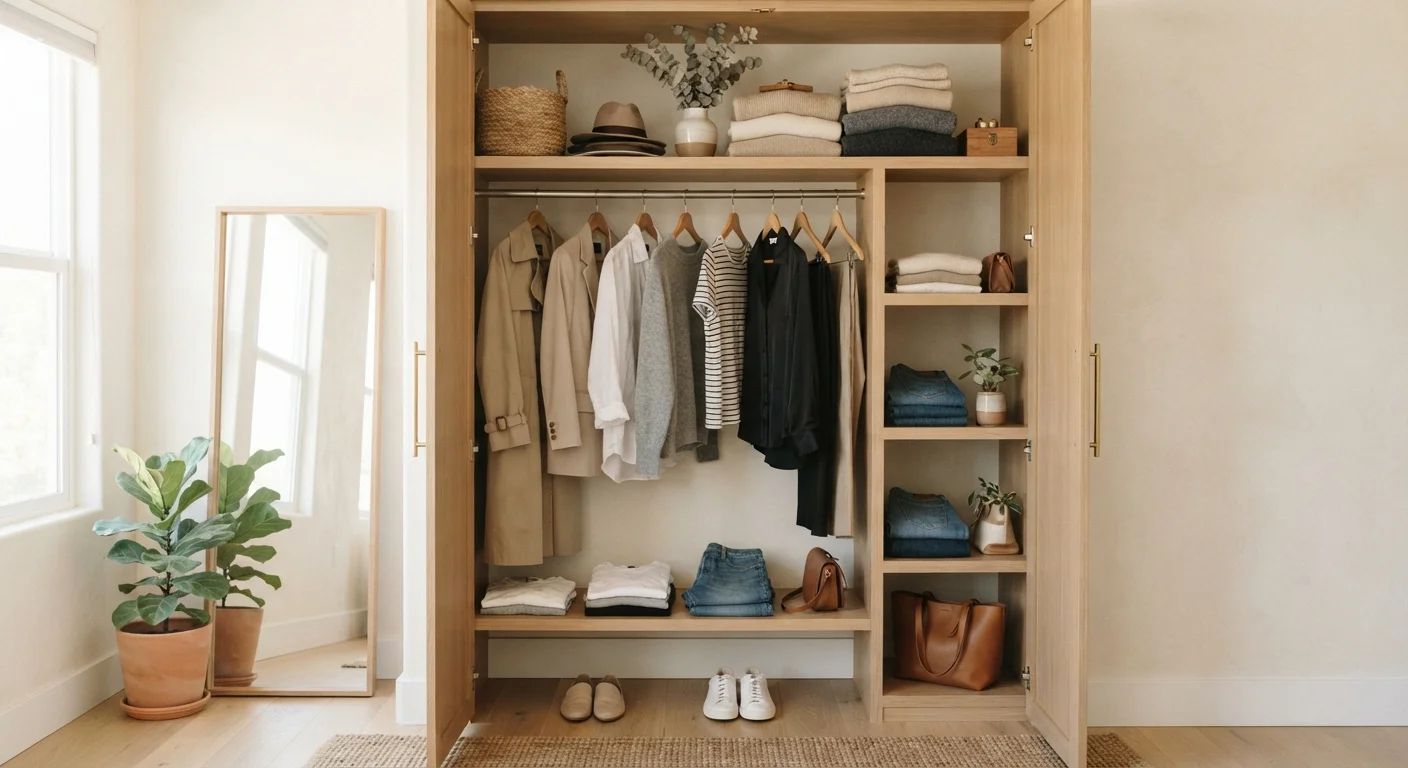
Start by auditing what you already own. Pull out the pieces you reach for without hesitation — these are clues about your current instinctive aesthetic. Then compare them to your inspiration images. Where do they overlap? That overlap is your working aesthetic right now, and it's a practical place to build from.
When you're ready to add new pieces, let your patterns guide you rather than individual items. If your inspiration consistently shows clean lines in neutral tones, a single dramatic floral might feel out of place — not because it's wrong, but because it doesn't align with your identified visual language. Our guide on using mood boards to develop your look explores how to make inspiration genuinely actionable.
Giving Yourself Permission to Evolve
One of the biggest misconceptions about personal style is that you need to figure it out once and lock it in. In reality, your aesthetic will shift — sometimes gradually, sometimes in bigger leaps — as you grow, travel, change careers, or simply encounter new ideas that resonate.
That's not inconsistency. That's a living, breathing relationship with self-expression. The goal isn't a fixed aesthetic; it's a practiced awareness of what resonates with you at any given stage of your life.
If your outfits feel scattered or your closet lacks direction right now, that's a common experience — and it's addressable. Our article on why your outfits feel inconsistent walks through the most common reasons style becomes fragmented and how to bring it back into focus. And when you're ready for a deeper dive, the complete framework for developing your own aesthetic takes you through every dimension of building a lasting personal style.
Start where you are. Notice what you love. Let the rest follow.