Start With Your Actual Life
The single most common wardrobe-building mistake is planning for a hypothetical life — the dinner parties you might attend, the office job you don't have yet, the weekend hiking trips that haven't happened. Before buying a single item, map out what your days actually look like right now.
Ask yourself: How do you spend most of your time? Is your week primarily casual, professional, or a mix? What climates do you dress for? Honest answers to these questions will determine which categories of clothing deserve priority and which can wait.
If you're still figuring out what resonates with you visually, exploring your personal aesthetic first gives your purchasing decisions a clearer direction.
Capsule wardrobe
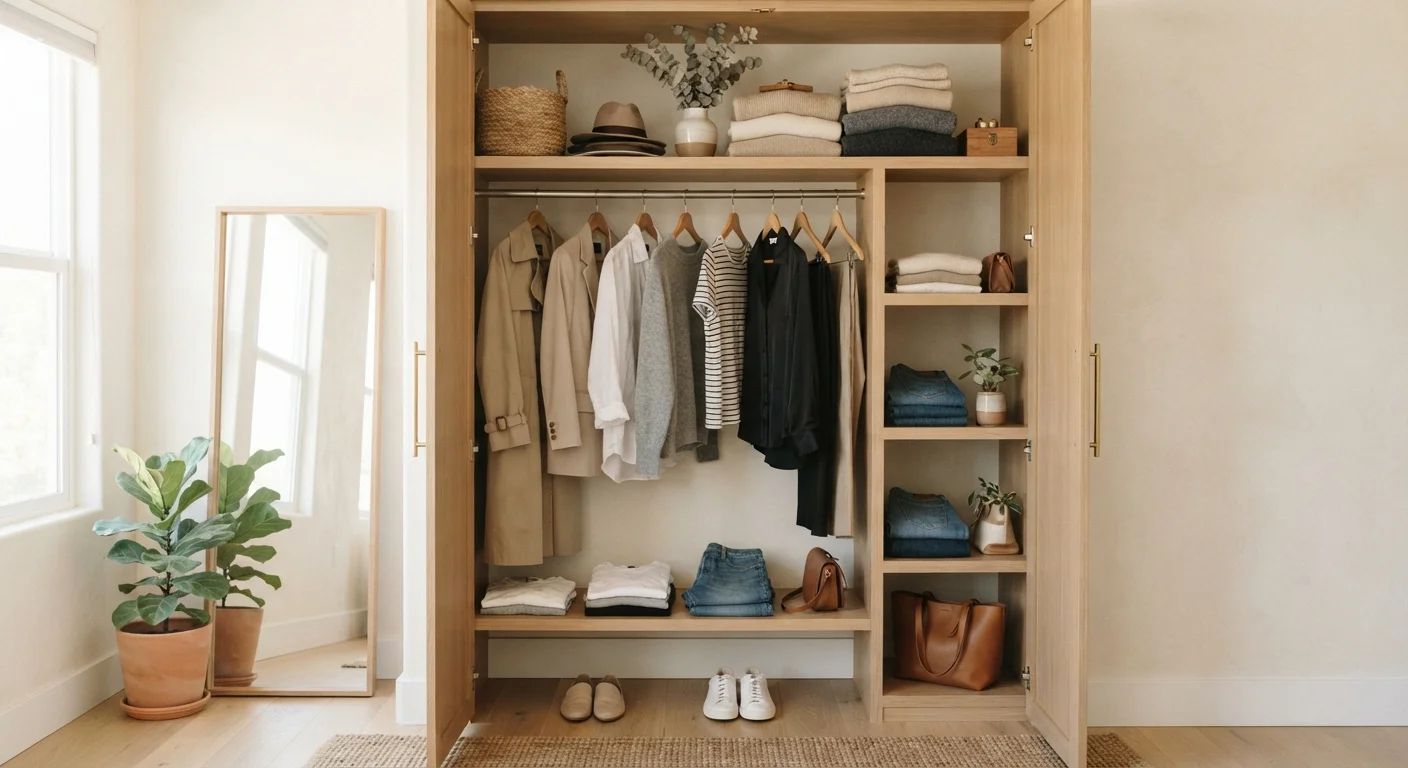
A small, intentionally curated collection of clothing pieces — usually 30 to 40 items — chosen to work together in many different combinations.
Cost-per-wear
A way to evaluate clothing value by dividing the purchase price by the number of times you expect to actually wear the item.
Wardrobe foundation
The core set of versatile, neutral pieces that form the base of a functional wardrobe and can be mixed and matched with nearly everything.
Versatility
How many different outfits or occasions a single clothing item can work for — the more versatile a piece, the more value it typically delivers.
Layering piece
A garment — like a blazer, cardigan, or jacket — worn over another item to add warmth, polish, or style variation to an outfit.
The Foundational Pieces Worth Prioritizing
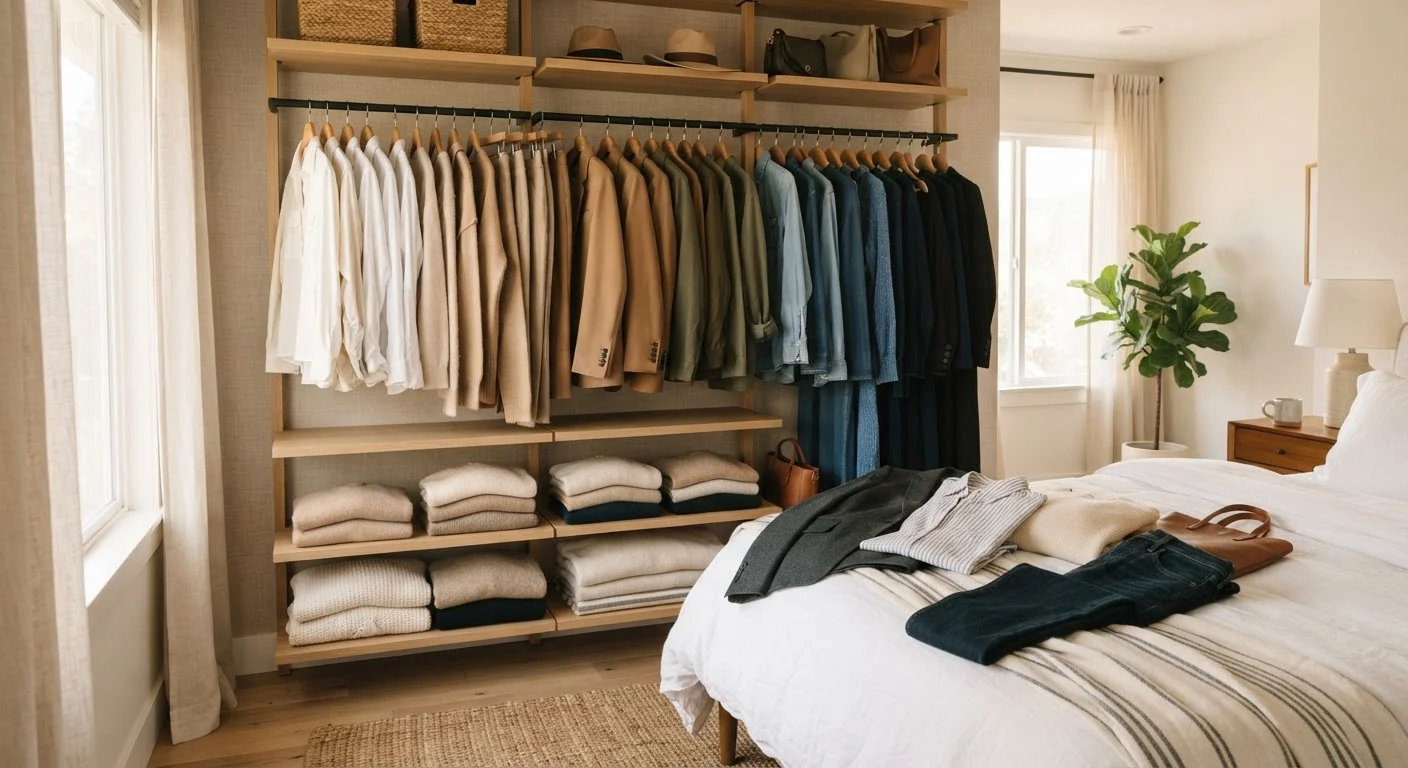
Every functional wardrobe — regardless of personal style — benefits from a core set of versatile, adaptable pieces. Think of these as your wardrobe's load-bearing walls: everything else layers on top.
- Neutral bottoms: Well-fitting trousers or jeans in a dark or neutral tone work across a wide range of occasions and pair with almost anything.
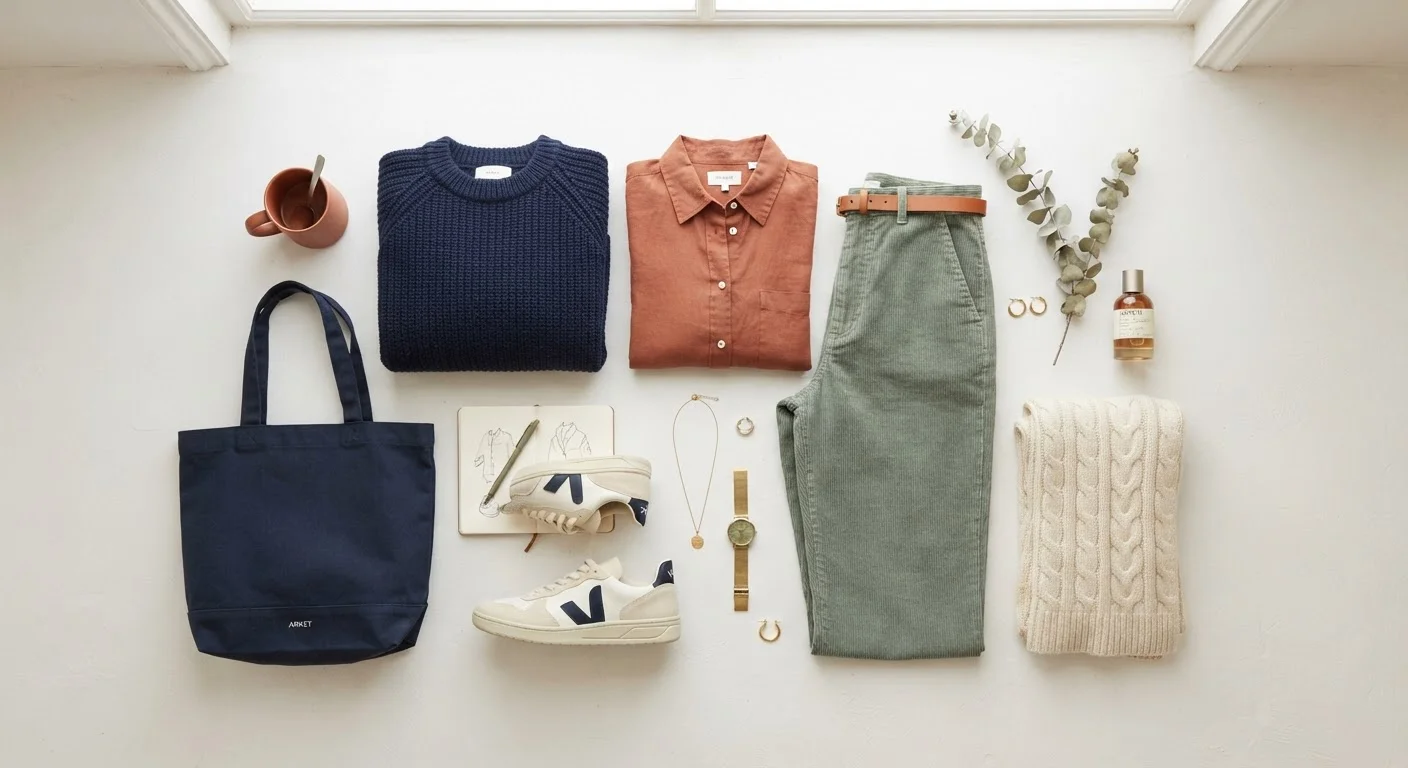
- Simple tops: Solid-color shirts or lightweight knits in whites, grays, or earth tones give you maximum mixing flexibility.
- A layering piece: A structured blazer, denim jacket, or cardigan instantly shifts an outfit's register from casual to polished.
- Versatile footwear: Two to three pairs covering casual, smart-casual, and active needs outperform a rack of shoes that only work with one look.
- A functional outer layer: A weather-appropriate coat or jacket that coordinates with your other pieces rather than clashing.
Missing even one of these categories can make a closet full of clothes feel frustratingly unusable. The wardrobe gaps most people find too late are worth knowing before you start, not after.
Start With Three Colors, Not Ten
When choosing foundational pieces, limit yourself to two or three core colors that genuinely work together — for example, navy, white, and tan. This constraint makes almost every combination you own into a workable outfit. Expanding your palette becomes much easier once a neutral base is in place.
Understanding Versatility and the Cost-Per-Wear Principle
Cost-per-wear is a straightforward way to evaluate whether a purchase makes financial sense. Divide the item's price by the number of times you realistically expect to wear it. A $120 coat worn 80 times over three winters costs $1.50 per wear. A $30 novelty top worn twice costs $15 per wear — five times as much in practice.
This framework shifts focus from upfront price to long-term value, which is especially useful when you're working with a limited budget. It also naturally steers you toward versatile, durable pieces over trend-driven impulse purchases.
Building a wardrobe is also a financial exercise. If you're working within a monthly budget, treating clothing as a planned expense rather than a spontaneous one helps. General guidance on budgeting basics can help you set realistic clothing spending targets.
Price and Quality Aren't Always Linked
A higher price tag doesn't automatically indicate better construction or longer-lasting materials. It's worth learning to assess fabric weight, stitching quality, and seam finishing when evaluating a piece — skills that become more intuitive over time. Thrift stores and secondhand platforms can also yield well-made pieces at a fraction of their original cost.
How to Build Gradually Without Buying Everything at Once
A common trap is treating wardrobe-building as a single event — a weekend shopping trip designed to fill an empty closet. In reality, the most functional wardrobes are assembled incrementally over months or even years, with each purchase informed by what came before it.
A practical approach: identify your single most urgent gap — the item whose absence is causing daily frustration — and fill that first. Then reassess. This gap-closing method prevents the overbuying that leaves people with a stuffed closet and nothing to wear.
As your wardrobe grows, seasonal transitions will require their own thinking. Seasonal wardrobe transitions can be managed strategically without starting from scratch every few months.
Common Mistakes to Avoid at the Start
Even well-intentioned wardrobe builders fall into predictable traps. Knowing them in advance saves both money and frustration.
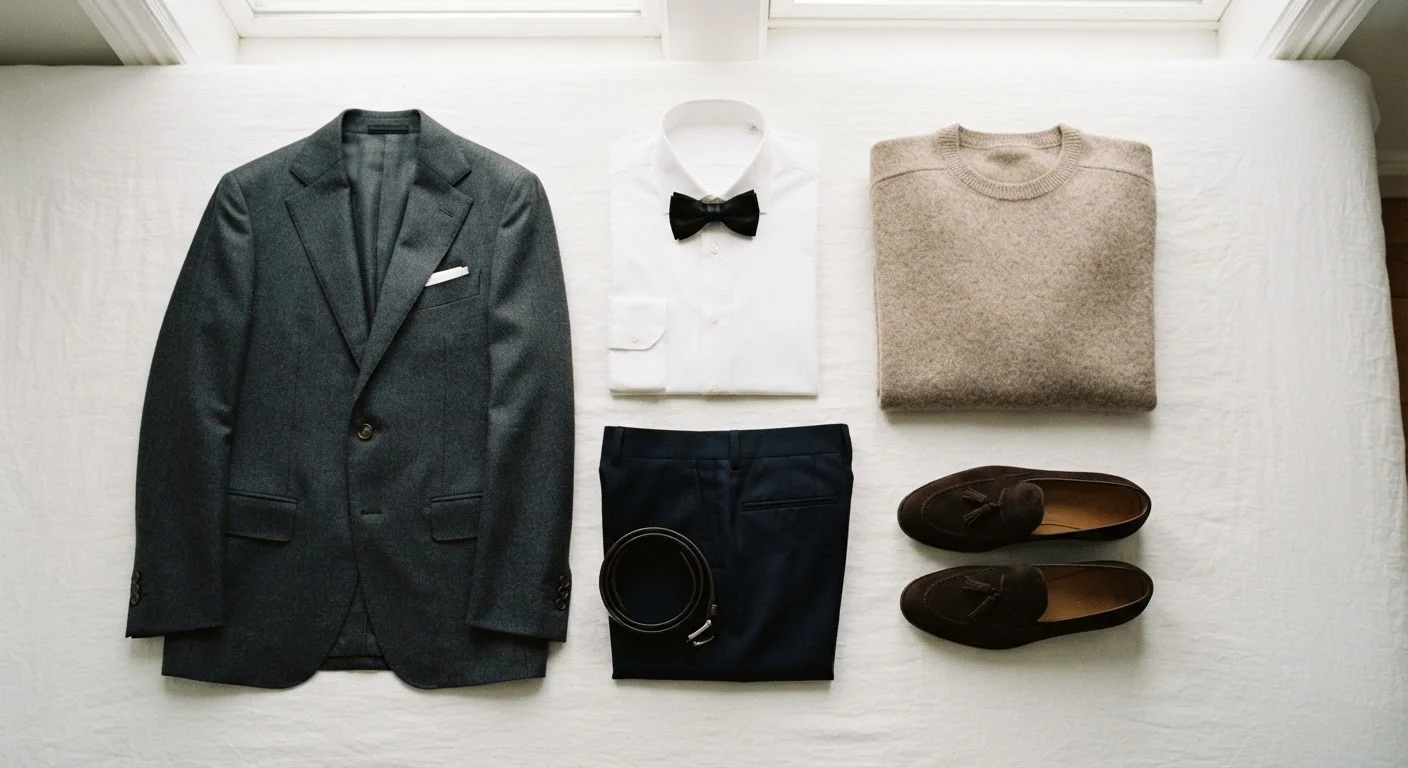
- Buying for aspiration, not reality: Formalwear you'll wear once a year doesn't deserve closet real estate at the start. Prioritize what you actually need weekly.
- Ignoring fit: Fit is the single most transformative factor in how clothing looks on a body. An inexpensive item that fits well almost always outperforms an expensive one that doesn't.
- Chasing trends too early: Trend pieces have a short shelf life. Build your neutral foundation first, then add trend-driven accents sparingly once you have a stable base.
- Buying pieces that don't connect: Every new addition should work with at least two or three items you already own. Isolated pieces — no matter how appealing alone — add clutter without usefulness.
Once you have the basics in place, a structured wardrobe audit can help you evaluate whether what you've built genuinely reflects who you are and how you live.
Avoid the 'Full Wardrobe Now' Mindset
Trying to build a complete wardrobe in one shopping session often leads to purchases driven by urgency rather than intention. Rushed buying typically results in items that don't coordinate, don't fit well, or simply don't get worn. Slower, more deliberate building almost always produces a more functional result.