The Real Reason Your Closet Feels Like Chaos
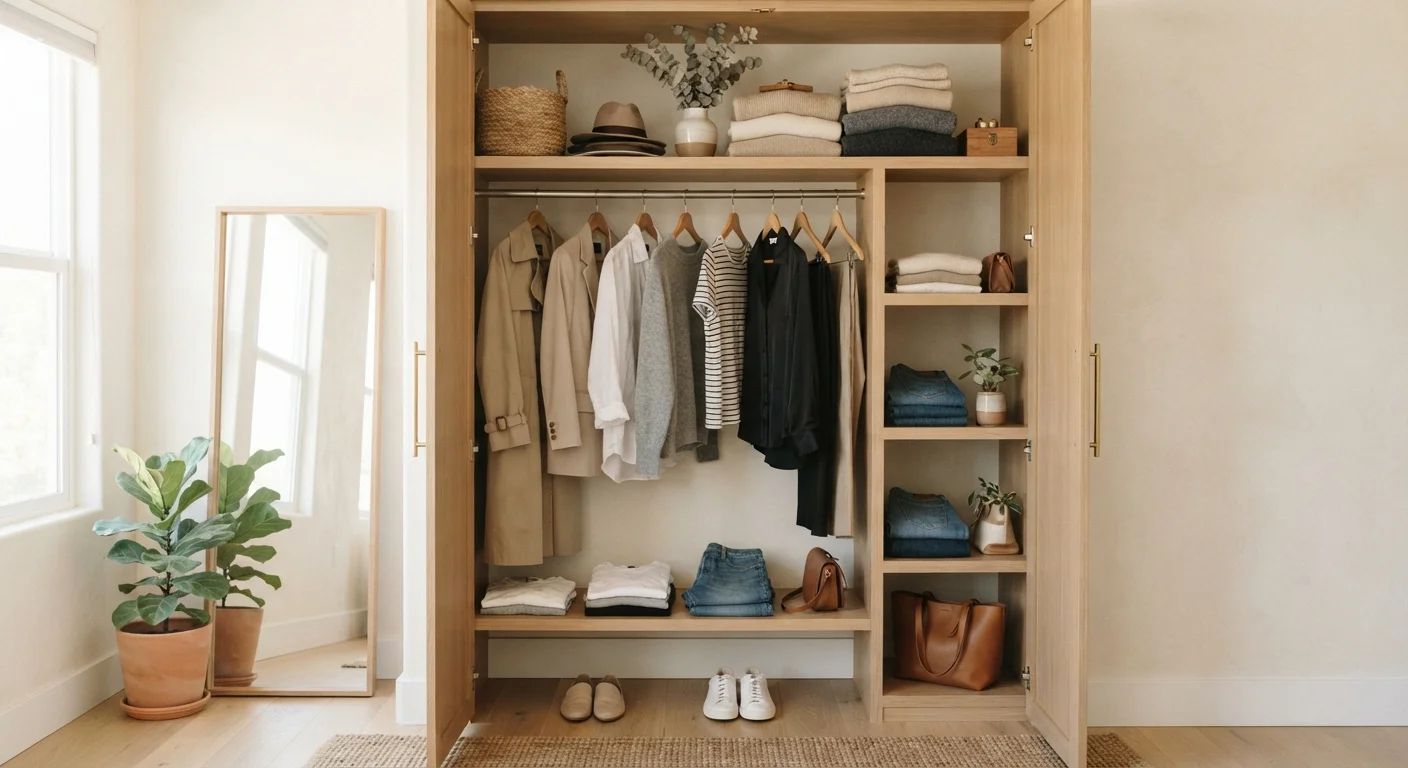
You open your closet, stare at a packed rail of clothes, and still feel like you have nothing to wear. Sound familiar? That nagging disconnect usually isn't about quantity — it's about coherence. When outfits feel inconsistent, it's a signal that your wardrobe evolved without a guiding intention. Pieces accumulated from impulse buys, seasonal trends, and different life phases that no longer reflect who you are today.
The good news: this is an extremely common challenge, and it's entirely fixable. Whether you're just beginning to explore your aesthetic or realizing your style has drifted, understanding the specific mistakes behind the inconsistency is the fastest path to fixing it. If you're starting from scratch, this guide to finding your aesthetic is a useful first stop before diving into the mistakes below.
Shopping reactively rather than intentionally — buying items because they're appealing in the moment without considering how they'll integrate with what you already own.
Why it happens: Retail environments and social media are designed to make individual pieces look irresistible in isolation. Without a clear personal framework, it's easy to say yes to things that don't actually belong in your wardrobe.
Chasing trends without filtering them through personal relevance, resulting in a wardrobe that reflects every passing season rather than a consistent identity.
Why it happens: Trend content is everywhere and designed to create urgency. Many people absorb trend cycles passively and shop accordingly, without pausing to ask whether a given trend actually suits their lifestyle or aesthetic.
Ignoring lifestyle context and buying clothes suited to a life you don't actually live day-to-day.
Why it happens: People often shop aspirationally — for occasions that rarely come up or an identity they're projecting rather than inhabiting. This creates a wardrobe full of pieces that technically don't work for most of your actual week.
Holding onto pieces that no longer represent your current aesthetic out of guilt, sunk-cost thinking, or the belief that you'll eventually "find a way to wear them."
Why it happens: Letting go of clothing can feel wasteful, especially for items that were expensive or were once favorites. But keeping pieces that don't connect with the rest of your wardrobe actively disrupts outfit coherence.
Never defining what your aesthetic actually is, leaving style decisions perpetually up to chance or whatever feels right on a given morning.
Why it happens: Many people find the idea of defining a personal style intimidating, or assume it requires a level of fashion knowledge they don't have. Without a working definition, though, the wardrobe evolves without direction.
How to Start Building Consistency Right Now
Fixing outfit inconsistency doesn't require a dramatic closet overhaul or a significant spend. It starts with awareness — identifying which of the mistakes above are most active in your wardrobe and addressing them one at a time.
~80%
Clothes worn rarely or never
Research and wardrobe studies have consistently suggested that most people regularly wear only about 20% of the clothes they own, with the rest rarely or never used.
3-item rule
Versatility test for new purchases
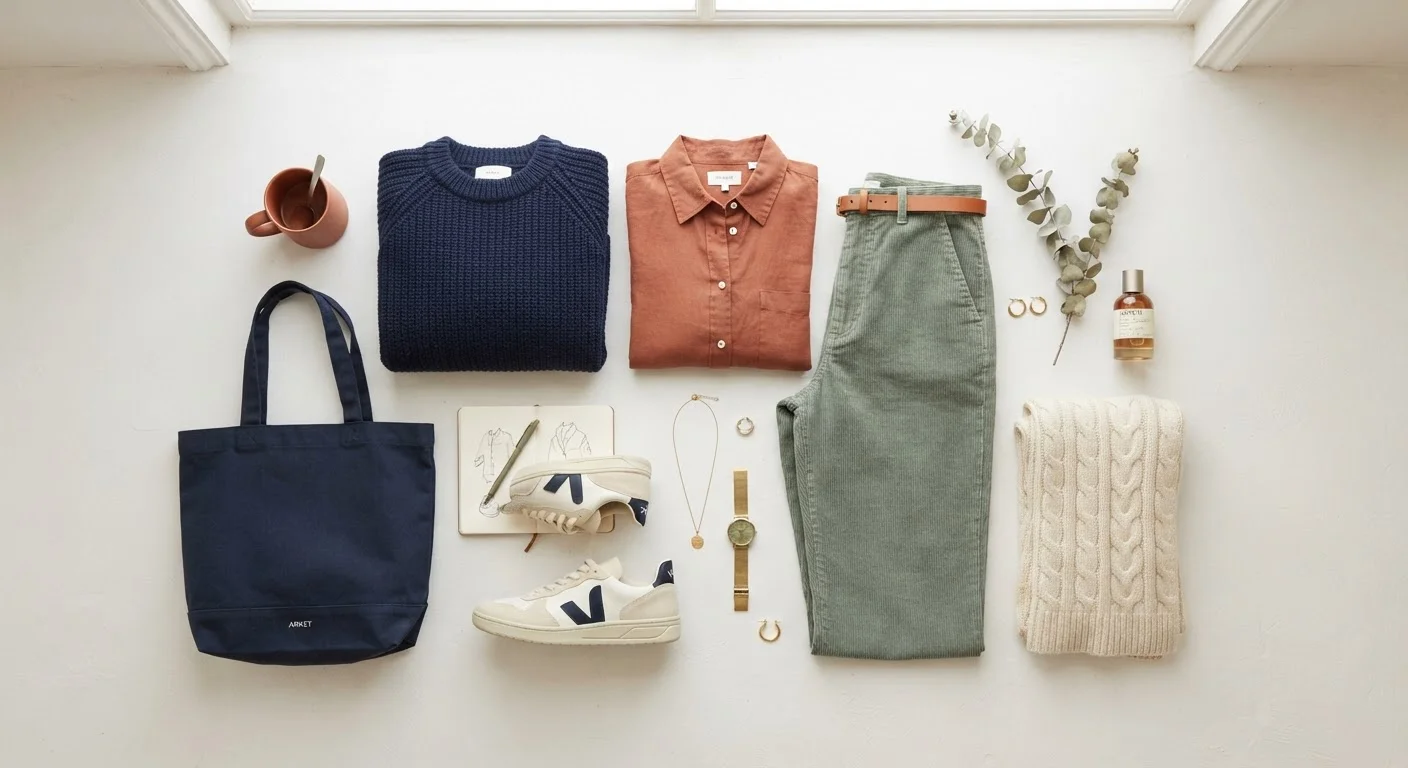
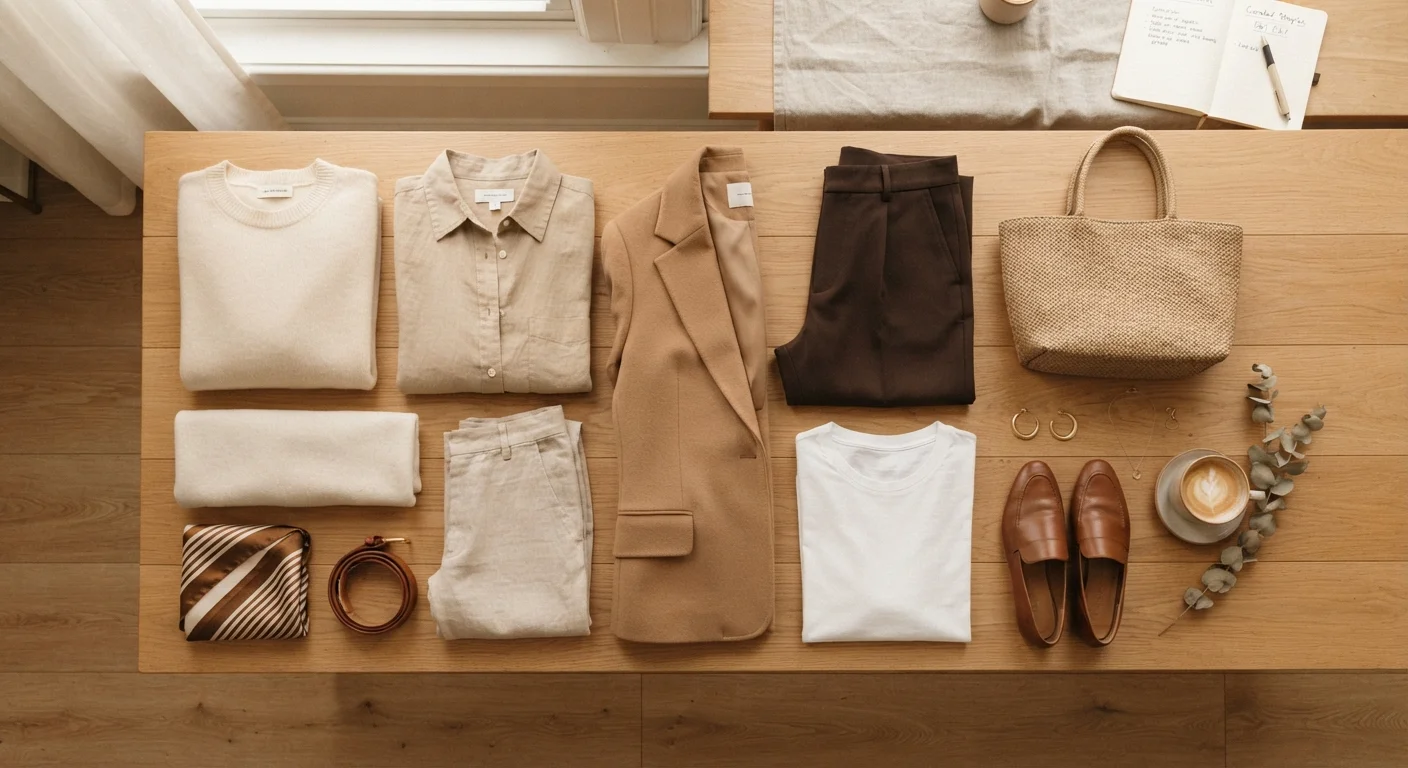
Style editors and wardrobe consultants widely recommend the "three-item rule" — a new piece should pair with at least three existing items to earn its place in a cohesive closet.
A practical first step is a wardrobe audit: pull everything out, group items by the vibe or occasion they suggest, and look for patterns. Items that don't group with anything else are often the culprits behind that "nothing to wear" feeling. For a structured approach to this process, Building a Wardrobe That Actually Reflects Who You Are offers a practical checklist to guide you.
It also helps to become intentional about future shopping. Before adding anything new, ask whether it fits the aesthetic you're building and whether it connects with at least three other pieces you already own. Gaps are worth knowing about too — common wardrobe gaps often explain why a full closet still fails to produce complete outfits. And if you've been held back by style "rules" that feel restrictive, many of those rules are worth questioning.
Avoid the 'Fresh Start' Shopping Trap
When people recognize their wardrobe feels incoherent, the instinct is often to shop their way to a solution. Buying more without first understanding the root cause typically just adds more inconsistency. Clarity about your aesthetic needs to come before new additions — otherwise the cycle repeats.
Style coherence is a practice, not a destination. As your life evolves, your aesthetic can evolve with it — the goal is simply that the two stay in conversation with each other. For a deeper look at balancing current trends with a timeless personal identity, explore navigating trends and timelessness. And for broader fashion basics that support everyday dressing decisions, that hub is a great ongoing resource.