Why Style Terminology Matters
Ever scroll through a style account, see a word like maximalist or dark academia, and think — wait, what does that actually mean? You're not alone. Fashion has its own vocabulary, and knowing it doesn't just help you decode trend reports. It helps you identify what genuinely resonates with you, shop with more intention, and communicate your aesthetic to others (or to yourself).
This reference guide breaks down the most commonly used aesthetic and style terms in plain language. Think of it as a living dictionary for your personal style journey. For a deeper framework on building that journey, see our complete personal style guide.
Aesthetic
A recognizable visual style or sensibility that ties clothing, color, texture, and mood together into a coherent look. In personal style, your aesthetic is the consistent thread that runs through your outfit choices.
Capsule Wardrobe
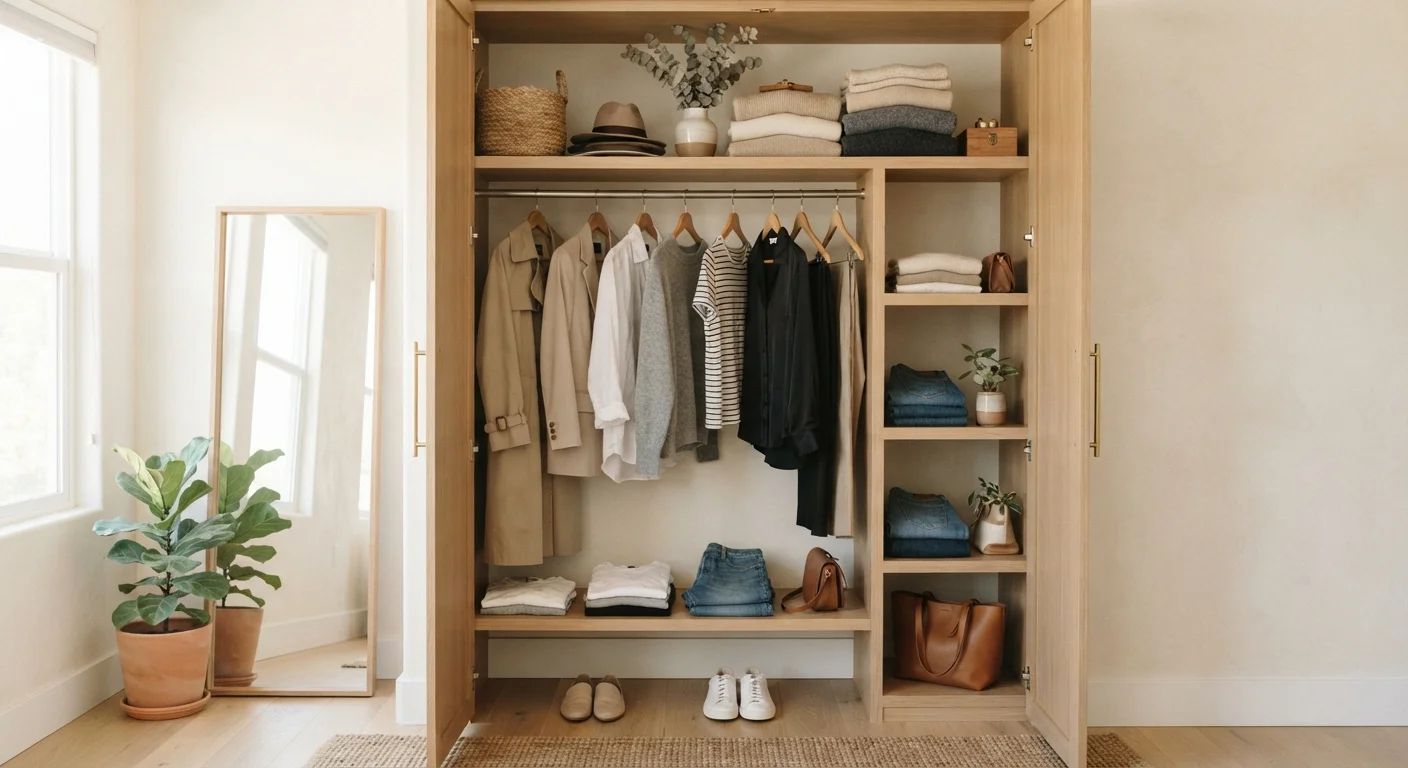
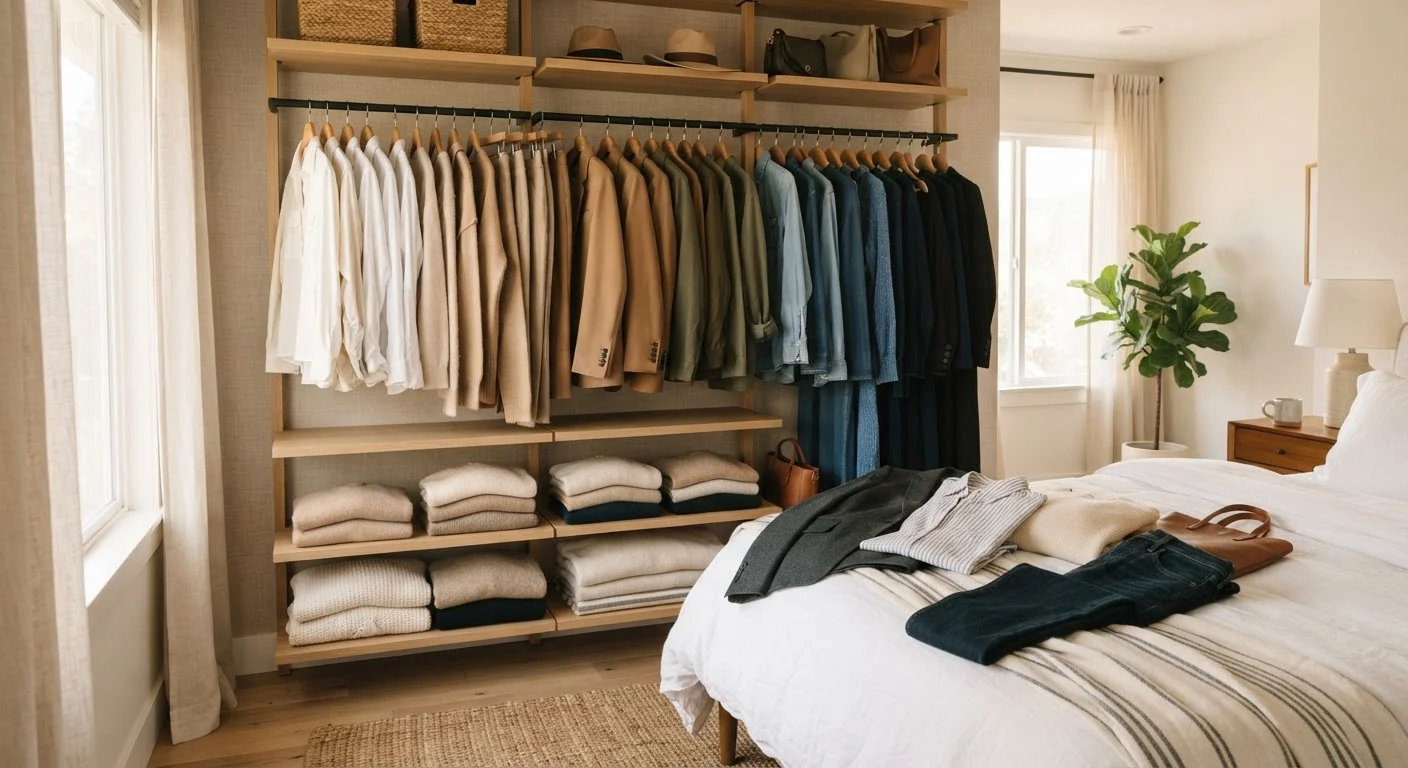
A curated collection of versatile, enduring pieces that can be mixed and matched to create many outfits. The idea is to own fewer items that work harder together, reducing decision fatigue and waste.
Quiet Luxury
An aesthetic defined by understated, high-quality pieces in neutral tones with minimal visible branding. The emphasis is on fabric quality, precise tailoring, and restraint over flash.
Cottagecore
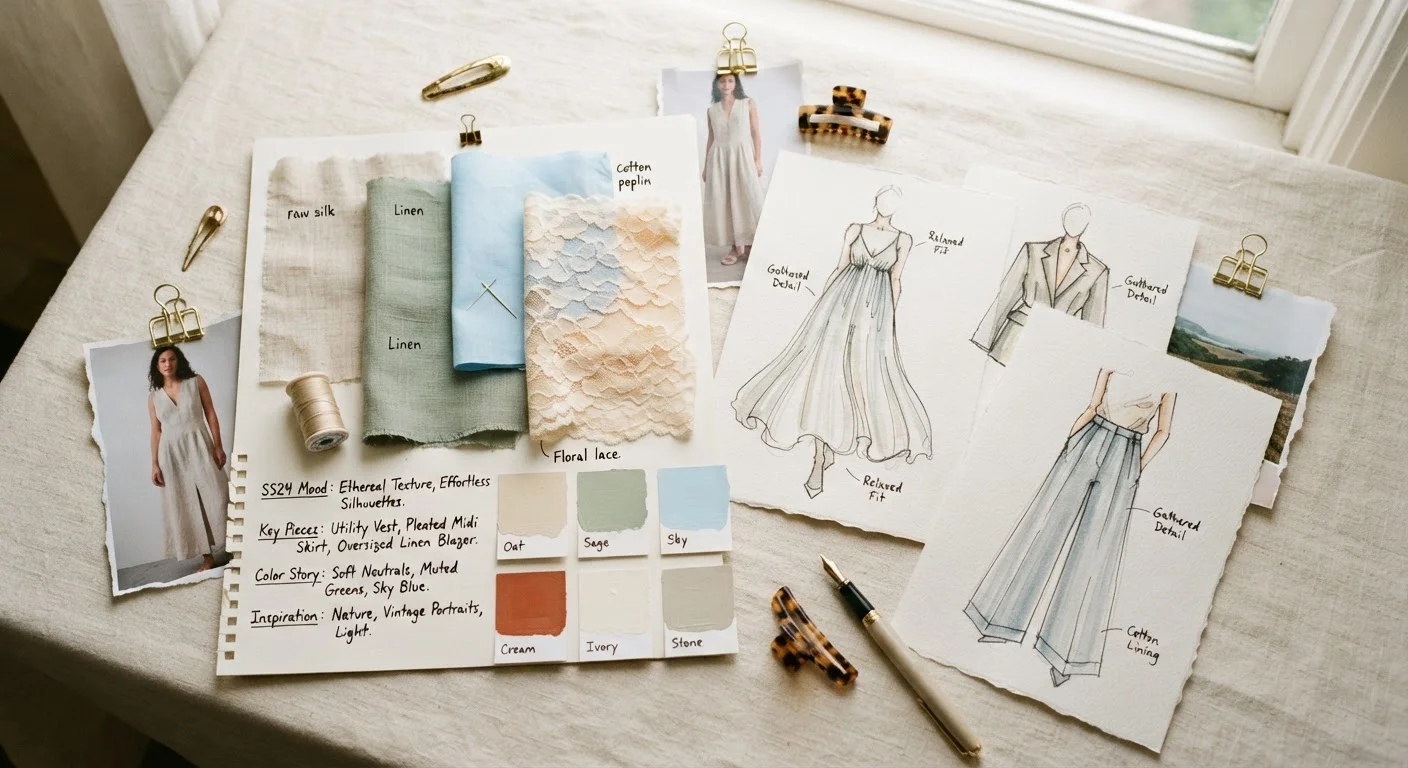
A romantic aesthetic inspired by rural, pastoral life — think floral prints, linen, lace trim, and a soft, nature-forward color palette. It evokes a slower, handmade sensibility.
Maximalism
A style philosophy that embraces more — bold color, mixed prints, layered textures, and statement accessories worn together intentionally. The opposite of minimalism; the goal is richness and self-expression.
Dark Academia
An aesthetic rooted in scholarly, literary imagery — tweed blazers, plaid, turtlenecks, and a muted palette of browns, blacks, and oxblood. It draws heavily from classic European university dressing.
Minimalism
A style approach centered on a limited color palette, clean silhouettes, and restrained detail. Minimalist dressing prioritizes form, fit, and quality over quantity or ornamentation.
Silhouette
The overall shape or outline a garment or outfit creates on the body. Common silhouettes include oversized, fitted, A-line, and boxy — and each communicates a different aesthetic mood.
Vintage
Clothing or style elements authentically produced in a prior decade, generally 20 or more years ago. 'Vintage-inspired' refers to new pieces designed to evoke the look of a specific era.
Streetwear
A casual aesthetic originating in skateboarding and hip-hop culture, characterized by graphic tees, hoodies, sneakers, and relaxed fits. It has strongly influenced mainstream fashion and high-end design.
Color Palette
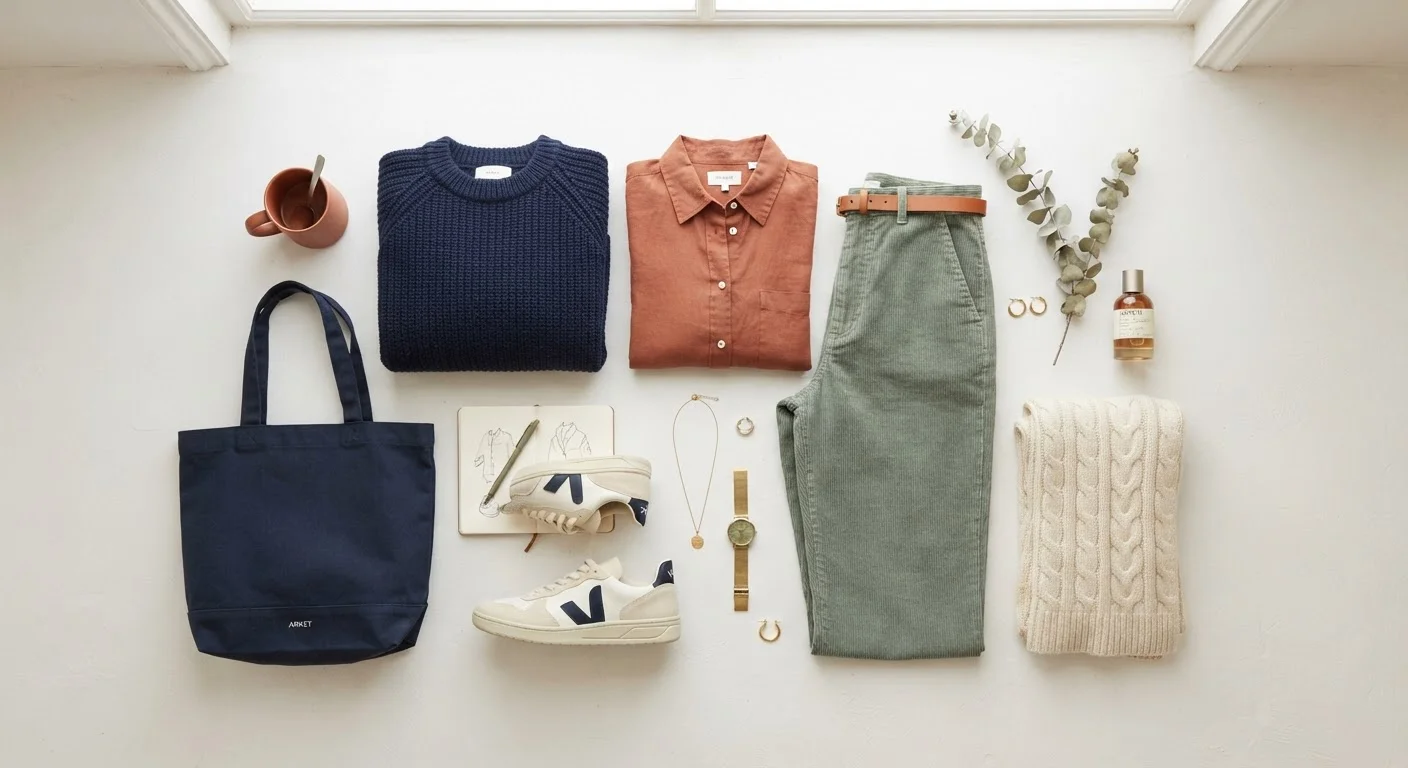
The recurring set of colors that define someone's wardrobe or aesthetic. A consistent personal color palette makes outfits easier to assemble and gives a look cohesion.
Statement Piece
A single item — a bold coat, printed trousers, sculptural jewelry — designed to anchor and define an outfit. A statement piece draws the eye and expresses personality clearly.
Key Stats on Aesthetic Culture
Aesthetic-driven style isn't a passing social media trend — it reflects how people genuinely relate to clothing and self-expression. A few numbers help put that in context.
62%
Shoppers who research a style aesthetic before buying
According to a consumer fashion insights survey by ThredUp (2023), a majority of shoppers describe having a defined personal aesthetic that guides their purchases.
3–5
Distinct aesthetic categories most wardrobes blend
Style analysts generally observe that most people's wardrobes don't map to a single aesthetic but reflect a personal blend of several recognizable categories.
2x
More outfit combinations from a curated wardrobe
Wardrobe research consistently finds that a smaller, cohesively curated collection yields significantly more wearable combinations than a larger, unfocused one.
Understanding which aesthetic language speaks to you is one of the most practical steps you can take toward a wardrobe that feels both coherent and personally meaningful. Explore what defines a signature look for ideas on anchoring your aesthetic with recurring touchstones.
Quick Reference: Aesthetic Snapshot
Not sure where your style lands? The quick facts below map some of the most recognizable aesthetic categories to their defining visual signatures — handy for pinpointing your starting point.
| Quiet Luxury — defining signal | Neutral tones, quality fabric, zero visible logos |
| Cottagecore — defining signal | Florals, linen, lace, earthy pastels |
| Dark Academia — defining signal | Plaid, tweed, oxblood, layered knits |
| Streetwear — defining signal | Graphic tees, sneakers, relaxed silhouettes |
| Maximalism — defining signal | Bold color, mixed prints, layered accessories |
| Minimalism — defining signal | Neutral palette, clean lines, limited detail |
If terms like capsule wardrobe appear across several aesthetics, that's no coincidence — the concept works as a structural tool for almost any aesthetic. Our capsule wardrobe explainer walks through exactly how it functions. Browse the full fashion basics hub for more foundational guides.
Aesthetics Are a Starting Point, Not a Box
Aesthetic labels are useful shorthand, but your personal style doesn't have to fit neatly into one category. Many people draw from several aesthetics to create something uniquely their own. Use these terms as tools for exploration and communication — not as rules you're required to follow.