What Are Wardrobe Archetypes — and Why Do They Matter?
A wardrobe archetype is essentially a visual and emotional framework that describes how someone instinctively gravitates toward dressing. Think of it less as a label and more as a lens — a way to understand the underlying logic behind the clothes you keep reaching for. If you've ever wondered why certain outfits just feel right while others sit unworn, archetypes can help explain that intuition.
The four archetypes explored here — Classic, Minimalist, Eclectic, and Romantic — are among the most widely recognized in the personal style conversation. Each has a distinct visual identity, a different relationship to color and texture, and a unique approach to building a wardrobe over time. For a plain-language breakdown of common style terms used across these discussions, the Style Vocabulary reference guide is a helpful companion resource. If you're just starting to explore what resonates with you, Finding Your Aesthetic offers a strong entry point before diving into archetype specifics.
The Four Archetypes: A Side-by-Side Look
Understanding how these archetypes differ in practice — across color, silhouette, fabric, and mindset — makes it far easier to spot which one aligns with your own instincts.
| Classic | Minimalist | Eclectic | Romantic | |
|---|---|---|---|---|
| Core palette | Neutrals: navy, camel, white | Monochrome: black, white, gray | Bold, mixed, no single rule | Soft: blush, cream, sage, lavender |
| Silhouette preference | Tailored, structured, fitted | Clean, architectural, uncluttered | Layered, contrasting, dynamic | Flowing, soft, feminine |
| Relationship to trends | Largely ignores them | Rejects most trends actively | Selectively absorbs or subverts | Drawn to romantic-era revivals |
| Texture and fabric | Quality wovens, wool, cotton | Matte, structured, simple weaves | Varied — vintage, knit, denim | Lace, chiffon, velvet, silk |
| Pattern use | Minimal: pinstripe, plaid | Rarely or never | Frequent, often clashing intentionally | Florals, ditsy prints, delicate motifs |
| Wardrobe philosophy | Invest in timeless essentials | Own less, choose intentionally | Curate a personal story | Dress for mood and atmosphere |
| Complexity to execute | Low — formulas work reliably | Very low — fewer decisions | High — requires strong instinct | Medium — detail-forward but intuitive |
It's worth noting that these categories aren't airtight. Many people operate as a blend — perhaps primarily Classic with Romantic accents, or Minimalist with Eclectic flair. The table above is designed to highlight the core characteristics of each, not to suggest they're mutually exclusive.
Classic and Minimalist: The Case for Restraint
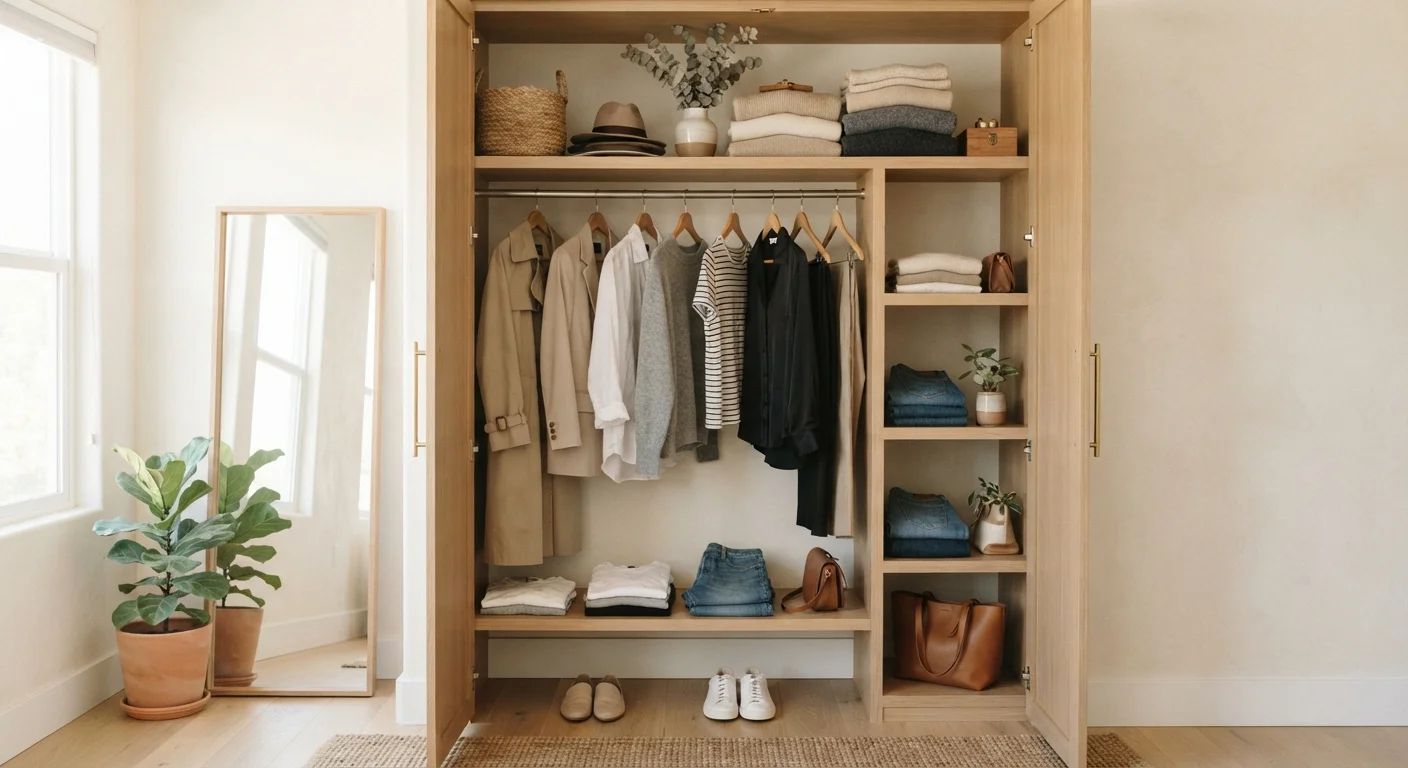
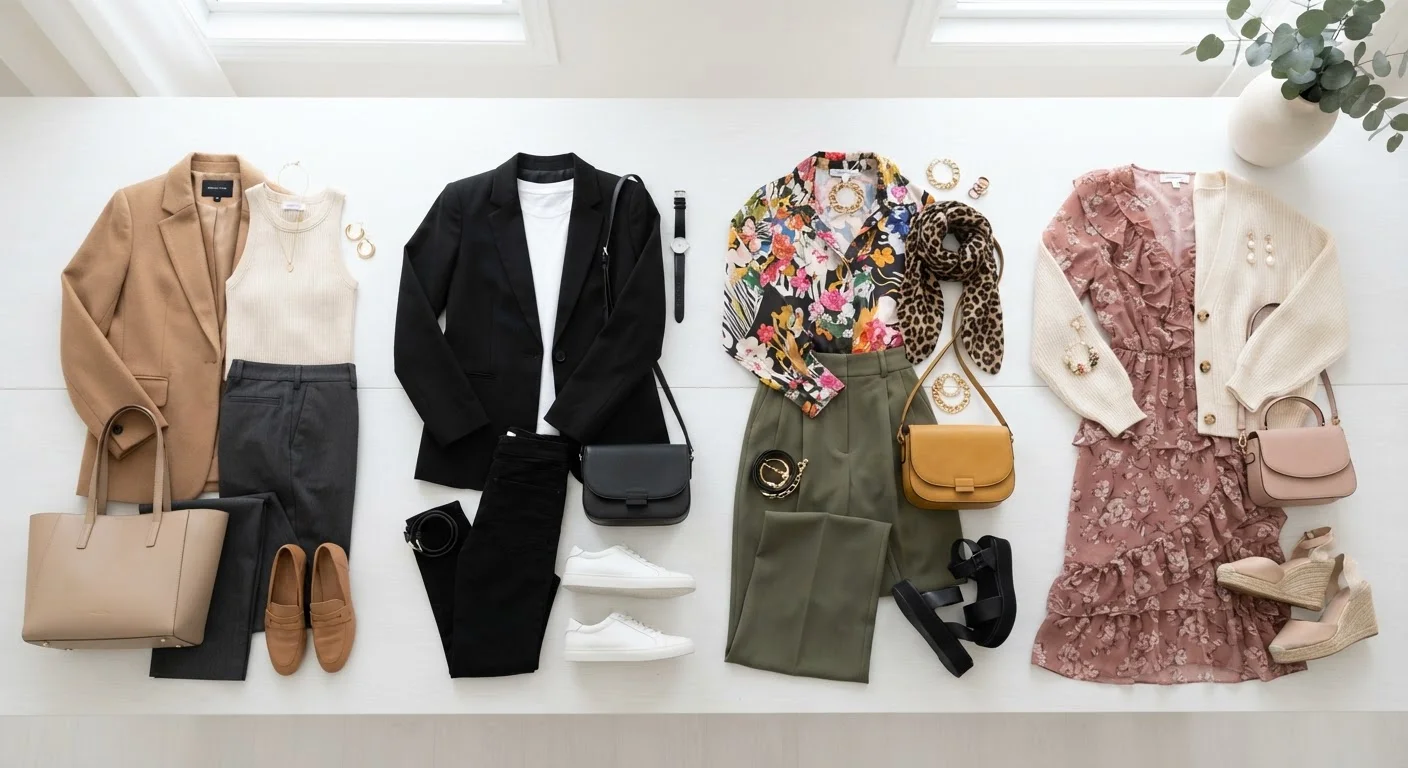
Classic style is built on permanence. Its foundation includes tailored blazers, well-fitted trousers, button-down shirts, and a neutral-anchored palette (think navy, camel, white, and charcoal). The Classic dresser isn't chasing trends — they're investing in pieces with staying power. This approach tends to produce a highly functional wardrobe that transitions smoothly from professional settings to casual weekends without friction.
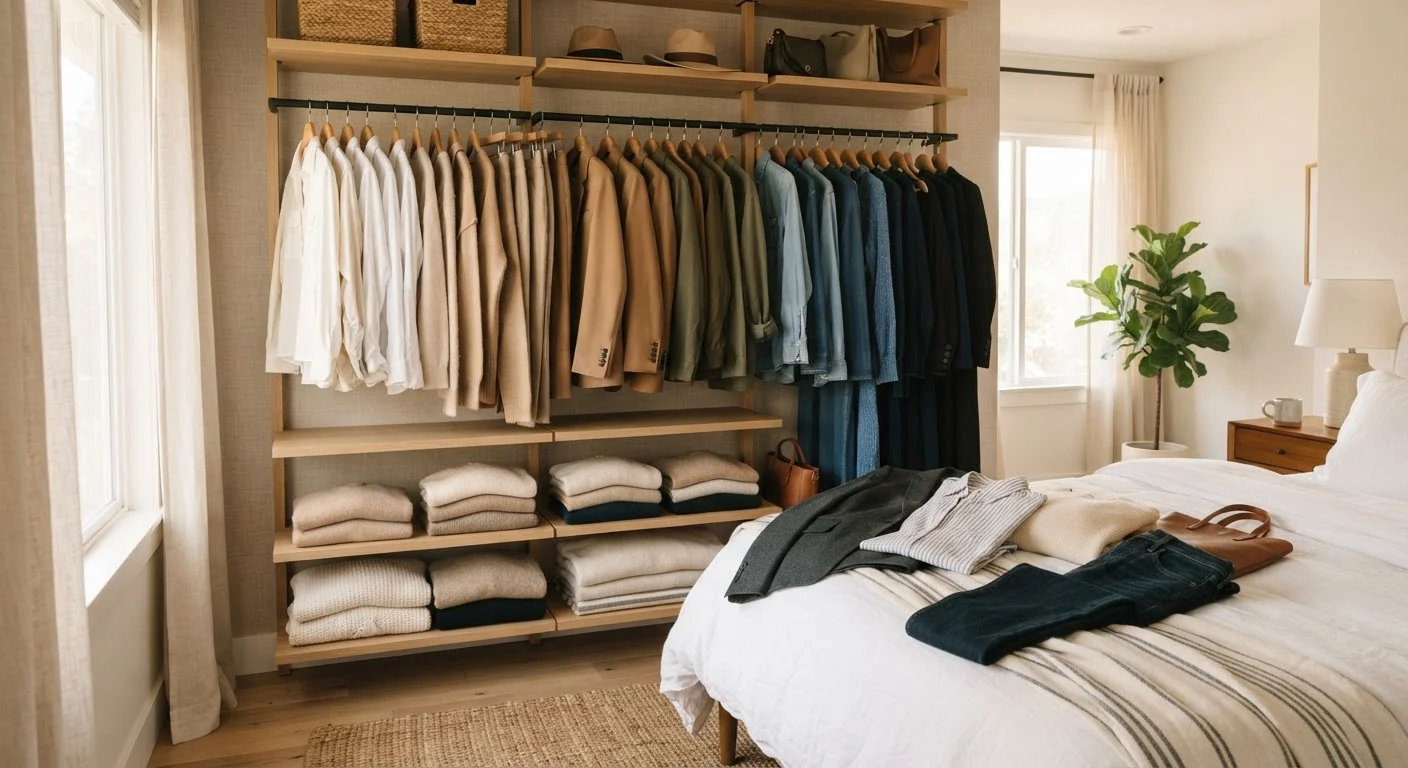
Minimalist style shares the Classic preference for restraint but pushes it further. Where Classic allows for some ornamentation (a structured watch, a silk scarf), Minimalism strips things down to essential form. The palette is often even more pared back — blacks, whites, grays, and warm off-whites dominate. Silhouettes are clean and architectural. Every item earns its place. This approach is beloved for reducing decision fatigue and aligning naturally with a more intentional approach to consumption. See how these principles connect to practical closet-building in Building a Wardrobe That Actually Reflects Who You Are.
Use Your Existing Wardrobe as a Mirror
Before buying anything new, look at the pieces you already wear most often. Group them by silhouette, color, and texture — patterns will emerge that reveal your natural archetype tendencies. This exercise costs nothing and often clarifies more than any style quiz. The goal is to see what you already are, not construct something entirely new.
Eclectic and Romantic: The Case for Expressiveness
Eclectic style is the most rule-resistant of the four. It's defined by intentional mixing — pairing vintage with contemporary, prints with plains, structured with slouchy. The Eclectic dresser has a highly developed visual instinct; what might look chaotic from the outside reads as deliberate and layered up close. Color is embraced boldly. Pattern-mixing is a strength, not an accident. The energy here is curious, playful, and deeply personal — the wardrobe functions as an ongoing creative project.
Romantic style is softer and more mood-driven. Florals, lace, ruffle details, flowing silhouettes, and delicate embellishments are the vocabulary here. The palette often includes blush, cream, dusty rose, sage, and lavender. Where Eclectic leans on surprise, Romantic leans into atmosphere — the goal is a look that feels dreamy, feminine, and considered. This archetype also has a strong relationship with texture: chiffon, velvet, and silk are preferred over structured wovens. If navigating how your archetype interacts with seasonal trends concerns you, the article on trends versus timelessness addresses that tension directly.
Choosing a Framework That's Actually Yours
The goal of identifying an archetype isn't to confine yourself — it's to develop a clearer editorial eye for what belongs in your wardrobe and what doesn't. When you understand that you're instinctively drawn to Romantic detail work, for example, it becomes easier to pass on the structured minimalist pieces that look great on someone else but never quite feel like you.
The most useful exercise is to audit what you already own and notice patterns — not in what you think you should wear, but in what you consistently feel confident wearing. The Complete Framework for Personal Style offers an end-to-end approach for doing exactly that. Archetypes are a starting point for self-awareness, not a final destination — your style will always be a living, evolving reflection of who you are. See also how these foundational ideas apply across everyday dressing contexts in Fashion Basics.