How Dashboard Warning Lights Are Organized
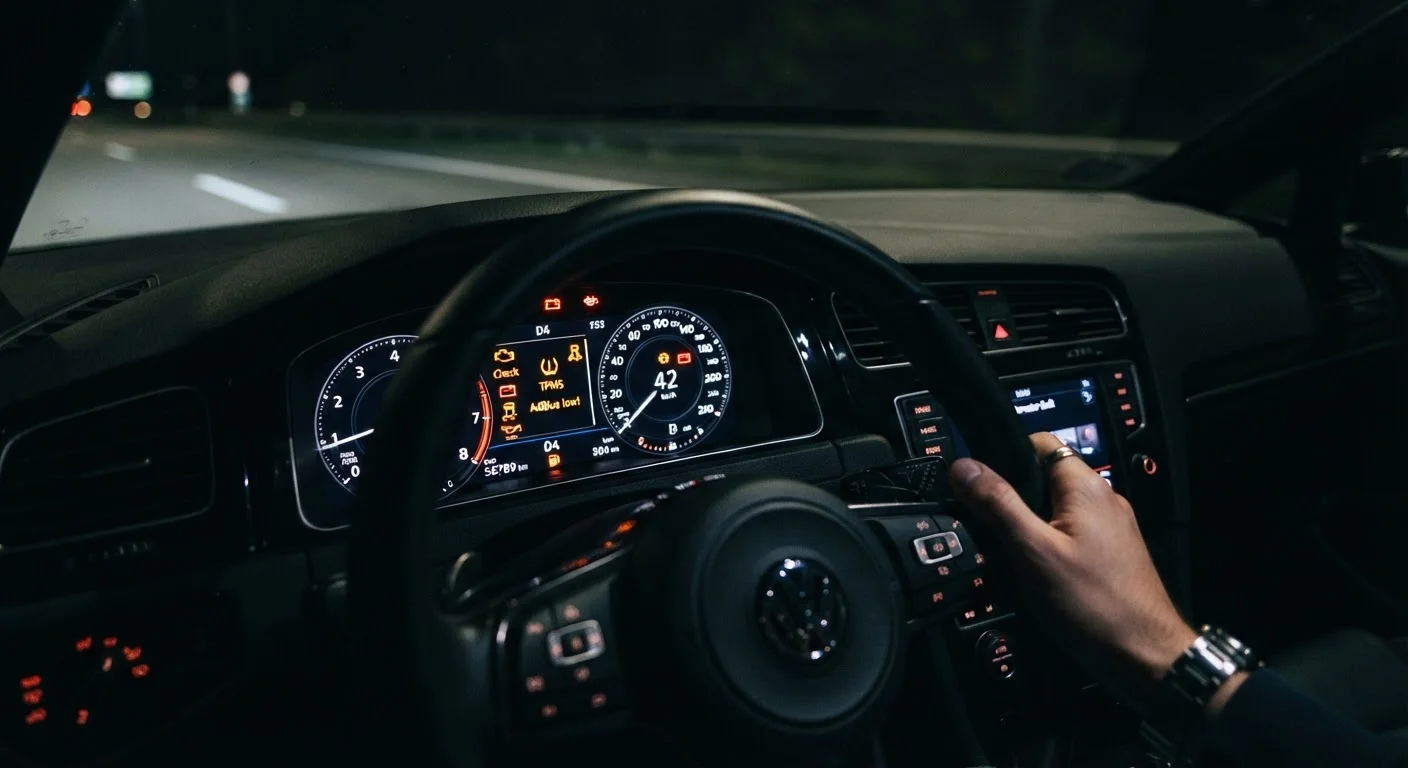
Modern vehicles monitor dozens of systems simultaneously and communicate faults through dashboard warning lights. While the specific icons vary by manufacturer, nearly all follow a universal color-coded urgency system established by international automotive standards.
| Color: Red | Stop or act immediately - safety-critical system |
| Color: Amber/Yellow | Caution - service or inspection needed soon |
| Color: Green/Blue | Informational - system is active (e.g., high beams, turn signal) |
| OBD-II Standard Adopted | Required on all U.S. passenger vehicles sold from 1996 onward (U.S. EPA / CARB mandate) |
| TPMS Mandate | Required on all new U.S. passenger vehicles from model year 2008 (TREAD Act, U.S. DOT) |
| Most Ignored Light | Check engine light - frequently left unaddressed for weeks or months (Industry service data) |
Red lights demand immediate attention - pull over safely and address the issue before continuing to drive. Amber or yellow lights indicate something needs service soon but doesn't usually require you to stop immediately. Green and blue lights are informational, confirming that a feature like cruise control or high beams is currently active.
Understanding this framework means you can quickly judge how urgently any unfamiliar symbol needs attention, even before looking it up. For a broader grounding in vehicle systems and components, see our guide to car parts you should know by name.
Your Owner's Manual Is the Definitive Source
Symbol shapes and colors can vary between manufacturers. Some automakers use proprietary icons not covered by any universal standard. Always consult your vehicle's owner's manual for the exact meaning of any unfamiliar light. A digital copy is often available through the manufacturer's website if you don't have the printed version.
Lights That Come On at Startup Are Normal
When you first turn the ignition to the 'on' position, most warning lights briefly illuminate as part of a self-test sequence. This is expected behavior. A light that stays on after the engine starts - or comes on while driving - is the signal that warrants attention.
The Most Common Warning Lights Decoded
The following covers the lights drivers encounter most frequently, what they actually mean, and the appropriate response.
Check Engine Light (MIL)
This amber engine-shaped icon is the most common - and most misunderstood - warning light on American roads. It can signal anything from a loose gas cap to a misfiring engine. A steady check engine light usually means the issue is non-emergency but requires diagnosis. A flashing check engine light signals an active misfire that can damage the catalytic converter - reduce speed and seek service promptly. Learn more about what the check engine light is actually telling you before assuming the worst.
Oil Pressure Warning (Red Oil Can)
This is one of the few lights where stopping immediately is the correct response. Low oil pressure - distinct from simply being low on oil - means the engine's moving parts may not be adequately lubricated. Driving even a short distance can result in catastrophic engine failure. Pull over, switch off the engine, and check oil level only after the engine cools.
Battery / Charging System (Red Battery)
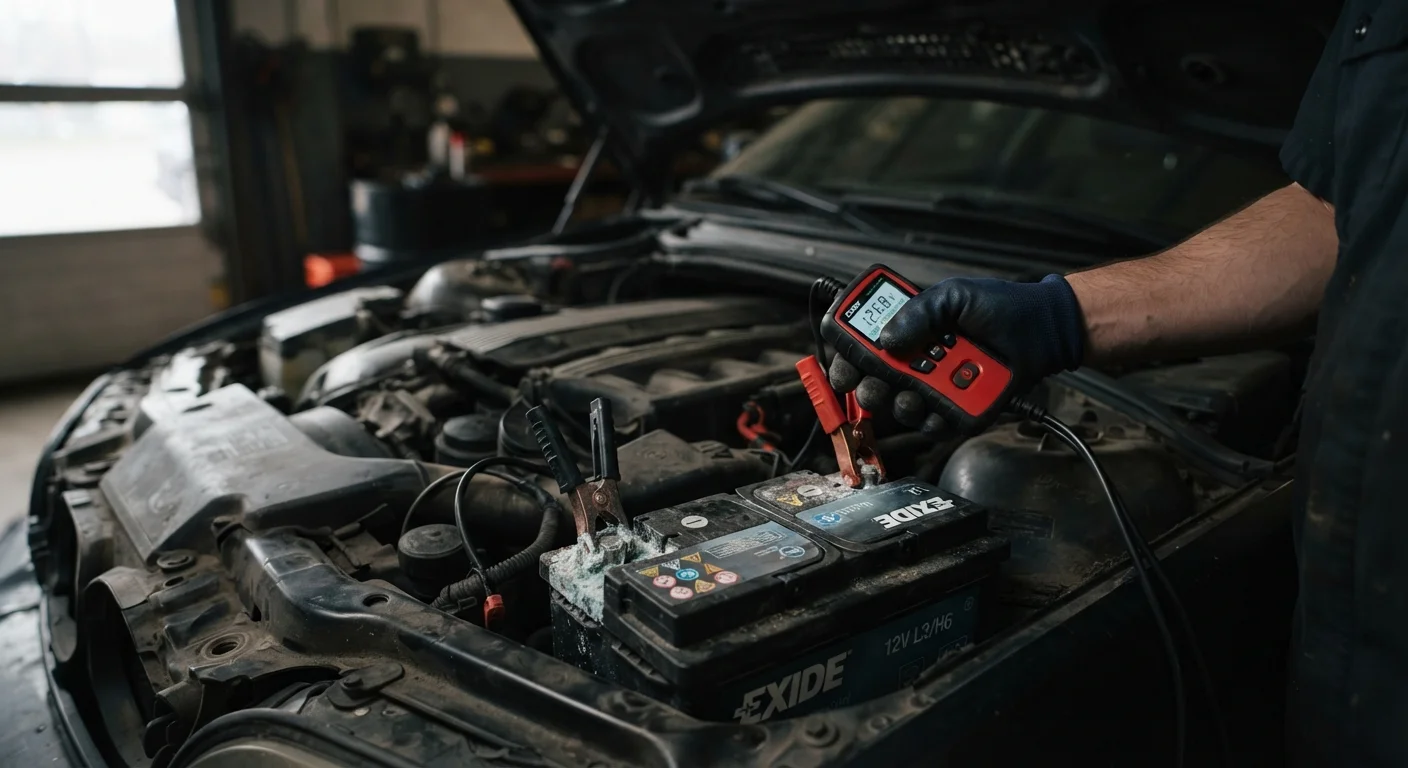
Indicates the vehicle's electrical charging system isn't maintaining adequate voltage - usually a failing alternator, weak battery, or damaged belt. Electrical accessories may begin shutting down as charge depletes. Plan to get the vehicle assessed promptly; running until fully discharged can leave you stranded.
TPMS (Tire Pressure)
An amber icon showing a cross-section of a tire with an exclamation point means one or more tires has dropped significantly below the recommended pressure. Check all four tires (and the spare if your vehicle monitors it) with a gauge and inflate to the pressure listed on the driver's door jamb sticker - not the maximum pressure printed on the tire sidewall.
ABS Warning
A steady ABS light means the anti-lock braking system has detected a fault. Standard braking still functions, but the wheel-lockup prevention feature may be disabled. Avoid aggressive braking maneuvers until the system is inspected.
Airbag / SRS Warning
An illuminated SRS light means the supplemental restraint system has a detected fault. Airbags may not deploy - or could deploy unexpectedly - in a collision. This warrants professional diagnosis; it is not a warning to defer.
Temperature Warning (Red Thermometer)
Signals that engine coolant temperature has exceeded safe operating range. Pull over safely, turn off the engine, and do not open the radiator cap while the engine is hot. Continuing to drive an overheating engine can cause permanent damage. See also: early warning signals your car gives before something goes seriously wrong.
Definitions for Key Terms
Several dashboard lights reference systems that drivers may not be immediately familiar with. The glossary below defines the most important terms you're likely to encounter.
MIL (Malfunction Indicator Lamp)
The official name for the check engine light. It illuminates when the vehicle's onboard diagnostics system (OBD-II) detects a fault in the engine, transmission, or emissions systems. A stored fault code must be read with a scan tool to identify the specific issue.
TPMS (Tire Pressure Monitoring System)
A sensor-based system that tracks air pressure in each tire and alerts the driver when one or more tires drops significantly below the recommended PSI. Most systems trigger at 25% below the vehicle manufacturer's recommended pressure.
ABS (Anti-lock Braking System)
A safety system that prevents wheel lockup during hard braking, allowing the driver to maintain steering control. When the ABS warning light is on, the system may be disabled and standard brakes still function, but stopping distances on slippery surfaces can increase.
ESC / VSC (Electronic/Vehicle Stability Control)
A computerized safety system that detects and reduces loss of traction or skidding by automatically applying brakes to individual wheels. A steadily lit ESC warning light typically indicates the system is off or malfunctioning.
EPC (Electronic Power Control)
Found primarily on Volkswagen Group vehicles, this light signals a fault in the electronic throttle, traction control, or related systems. It often requires prompt professional diagnosis.
SRS (Supplemental Restraint System)
Refers to the airbag system and seatbelt pretensioners. An illuminated SRS light means the system has detected a fault, and airbags may not deploy correctly in a collision - professional inspection is advisable.
OBD-II (On-Board Diagnostics, Generation 2)
A standardized vehicle self-diagnostic system required on all cars sold in the U.S. after 1996. It continuously monitors engine and emissions systems and stores fault codes that technicians can retrieve with a scan tool.
Oil Pressure Warning
Indicates dangerously low oil pressure in the engine - not simply low oil level. This is one of the most critical warning lights; continued driving can cause severe, irreversible engine damage within minutes.
When a warning light appears that isn't covered here, consult your owner's manual first. If the manual describes the light as requiring dealer diagnosis, treat that guidance seriously - some faults, particularly those involving safety systems, require specialized equipment to diagnose accurately. For a deeper reference on dashboard and road-sign symbols together, see our traffic signs reference guide.
This article provides general educational information about vehicle warning lights. Specific meanings can vary by make, model, and model year. Always refer to your vehicle's owner's manual and consult a qualified mechanic for diagnosis and repair.