Why Seasons Matter for Your Vehicle
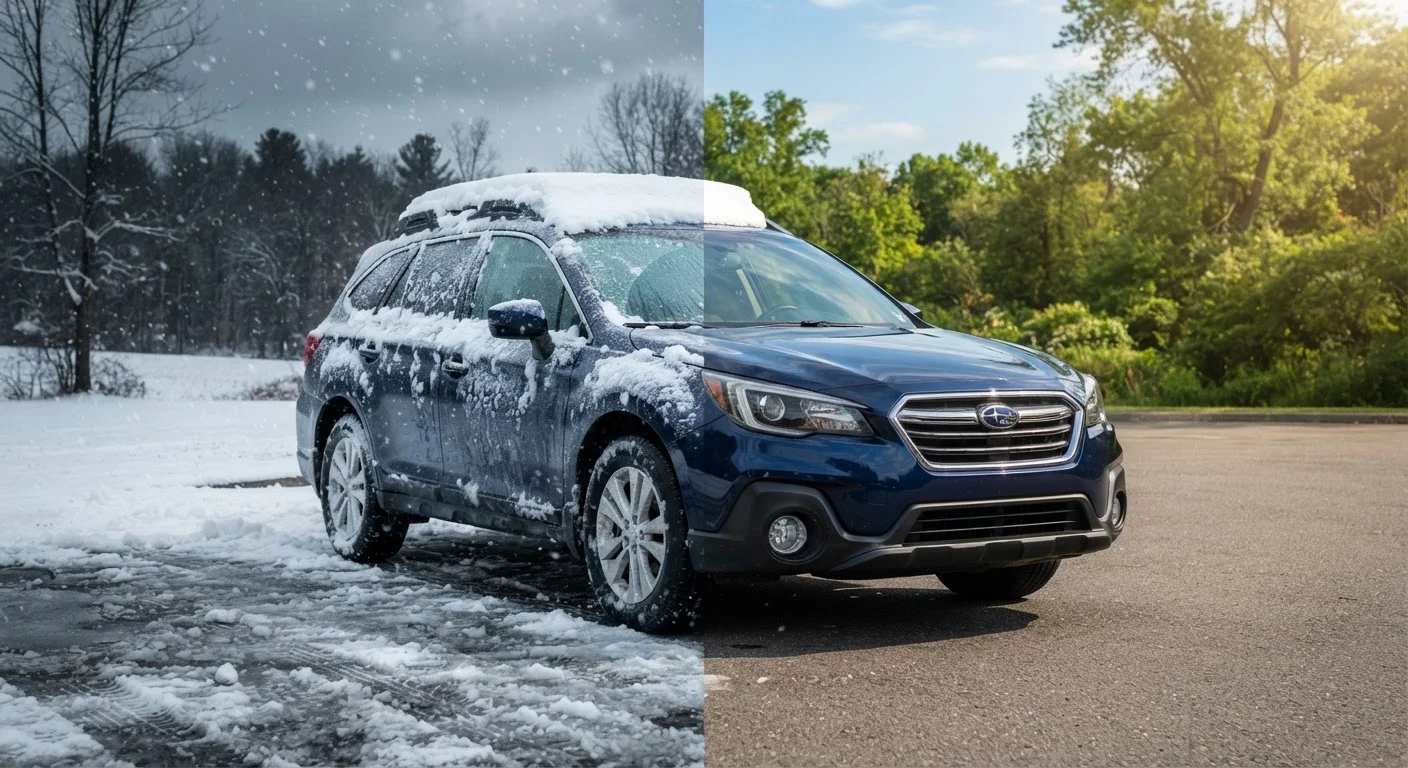
Most mechanical failures don't happen randomly. They happen when a borderline component meets an environmental stress it can no longer handle - and seasonal extremes are among the most reliable triggers. Heat accelerates fluid degradation and pushes cooling systems to their limits. Cold thickens lubricants, weakens batteries, and causes tire pressure to drop. A maintenance habit tuned only to mileage intervals may leave you unprepared for either scenario.
Thinking seasonally means layering a simple checkpoint routine on top of your regular service schedule. It doesn't require extra trips to a shop - many items can be evaluated during a visual walk-around and basic instrument check. For a broader look at how scheduled services fit together, see our maintenance schedule guide.
Check Your Owner's Manual First
Every vehicle has specific fluid capacities, recommended grades, and service intervals set by its manufacturer. Before making any fluid changes or following general seasonal advice, confirm the specifications in your owner's manual or the manufacturer's maintenance guide. What works for one vehicle may not be appropriate for another, particularly with oil viscosity grades and coolant types.
Summer Prep: Managing Heat Stress
Summer heat is hardest on your cooling system and battery. Coolant - the fluid that regulates engine temperature - degrades over time and loses its ability to prevent boiling and corrosion. Before peak summer temperatures arrive, inspect the coolant level in the reservoir and check the fluid's color; it should appear bright, not murky or rusty. A qualified mechanic can test the coolant's freeze and boil-over protection with an inexpensive tool. For a deeper look at what goes wrong when cooling systems fail, see why cars overheat.
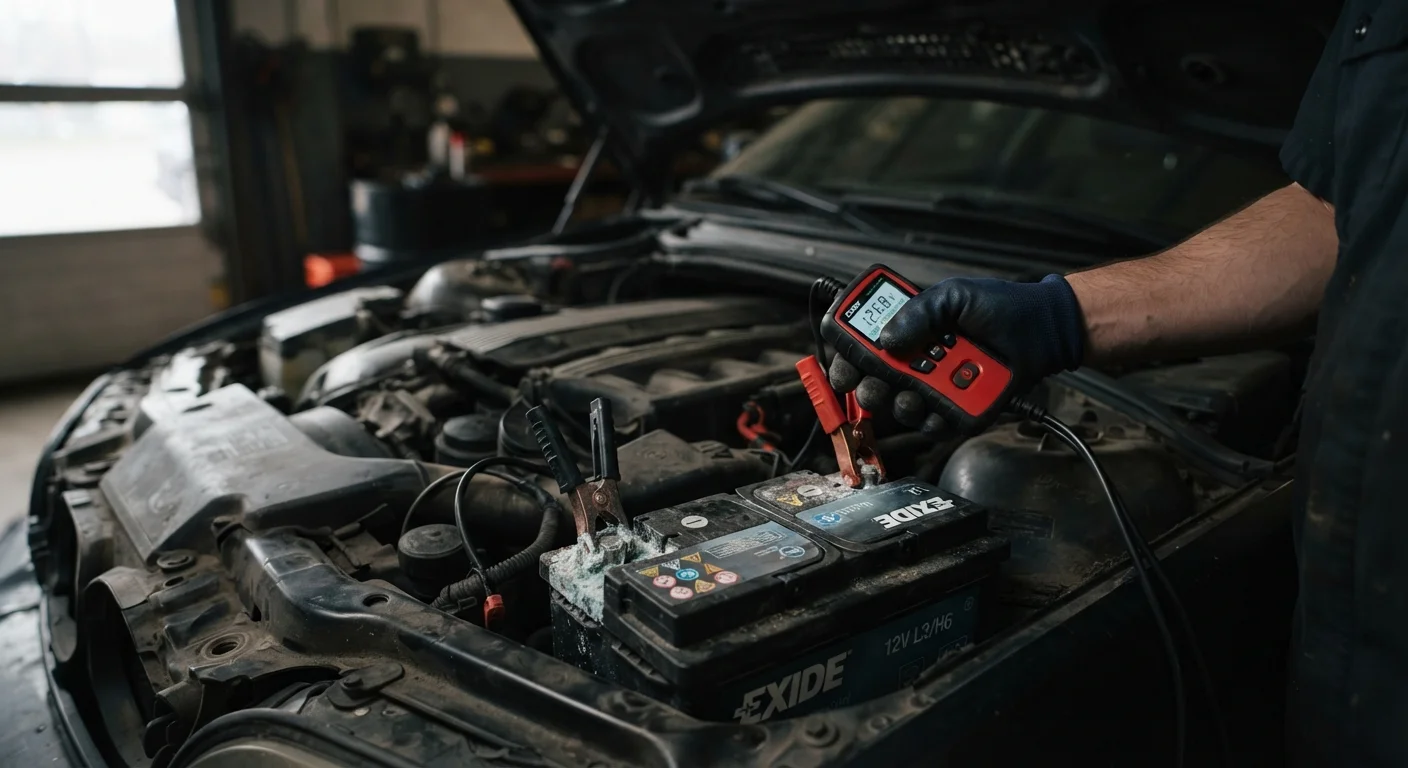
Car batteries are under significant strain in hot weather because heat accelerates the chemical reactions inside the cells and evaporates electrolyte fluid. A battery that barely made it through winter may fail on the first hot July afternoon. Have the battery load-tested at a shop if it's more than three years old - it's a quick, inexpensive check. Also inspect belts and hoses for cracking or softness; high heat hastens rubber deterioration.
Check coolant condition and level before summer heat peaks.
Degraded coolant loses its ability to prevent boiling and internal corrosion, making overheating far more likely under sustained high temperatures. Catching a low or contaminated coolant level early is inexpensive; a blown head gasket caused by overheating is not.
Have your battery load-tested every autumn and before any extended summer driving.
Batteries weaken gradually and often show no outward symptoms until they fail. Both extreme cold and heat accelerate this decline, and a failing battery may not provide enough cranking power when temperatures drop overnight.
Verify tire pressure whenever ambient temperature changes by 15°F or more.
Tire pressure tracks air temperature closely. Under-inflated tires handle unpredictably, wear faster at the edges, and reduce fuel efficiency - all problems that compound in extreme seasonal conditions.
Inspect wiper blades and refill washer fluid with a freeze-rated formula before winter.
Standard washer fluid freezes on the windshield and on the nozzles in cold weather, and worn wiper blades streak rather than clear, reducing visibility in rain, sleet, and snow. Both are low-cost fixes with direct safety implications.
Examine belts and hoses visually at every seasonal transition.
Rubber components degrade faster under thermal cycling - the repeated expansion and contraction caused by temperature swings. Cracks, fraying, or soft spots in belts and radiator hoses signal that failure is approaching.
Winter Prep: Cold-Weather Essentials
Cold weather shrinks tire pressure at a predictable rate - roughly 1 PSI (pound per square inch) for every 10°F drop in temperature. Under-inflated tires reduce handling precision and increase wear, so check pressures against the figure on your door jamb sticker (not the maximum listed on the tire sidewall) whenever temperatures shift significantly. If you live in a region with heavy snowfall, the bad-weather driving guide pairs well with this prep checklist.
Engine oil thickens in cold conditions, which slows lubrication at startup - the moment when wear is highest. Many modern vehicles already use multi-grade oils that perform well in both cold and warm conditions, but if your owner's manual offers a winter-weight option (e.g., 0W-20 versus 5W-30), colder climates may warrant the switch. Confirm the right specification for your engine with a qualified technician rather than assuming. Wiper blades, washer fluid rated for freezing temperatures, and functional defrosters round out the cold-weather checklist.
Best Practices Across Both Seasons
Several habits apply year-round but become especially important at seasonal transitions. Keeping your fuel tank at least half full in winter reduces moisture accumulation and ensures the fuel pump stays cool. In summer, a full tank in extreme heat can be less of a concern for modern sealed systems, but consistent fueling habits prevent you from being stranded either way.
Drivers working with limited budgets should prioritize the checks with the highest safety stakes - tires, brakes, and battery - before cosmetic or comfort items. Our budget maintenance guide explains how to triage services when resources are tight. Finally, one persistent myth worth dispelling: most modern fuel-injected engines don't need extended idling warm-ups in cold weather. Driving gently for the first few minutes achieves operating temperature faster and more efficiently. See our common car myths article for more on this topic.
~1 PSI
Tire pressure lost per 10°F temperature drop
This is a well-established physical relationship between air volume and temperature, meaning a 30°F overnight drop can deflate tires noticeably below the recommended level.
3-5 years
Typical car battery service life
Most automotive engineers and mechanics suggest having battery health tested once it reaches three years of age, as capacity degradation accelerates after this point.