
Why Automotive Myths Are So Persistent
Car myths endure for a simple reason: many were once partially true. Advice that made sense for carbureted engines from the 1970s gets passed down to owners of modern fuel-injected vehicles where it no longer applies - or actively wastes money. Others stem from marketing language that drivers misread as technical guidance. Understanding why these ideas spread makes it easier to recognize and discard them.
The cost of acting on outdated information ranges from minor (buying fuel your engine doesn't need) to significant (skipping a service interval that genuinely matters). The Car Maintenance hub is a good starting point for building habits based on current evidence rather than inherited folklore.
Myth
You need to let your engine idle for several minutes in cold weather before driving.
Fact
Modern fuel-injected engines reach operating temperature faster by driving gently than by sitting still.
Extended idling made sense for older carbureted engines that needed time to adjust the fuel-air mixture. Today's electronically managed engines use sensors to compensate for cold temperatures almost instantly. Prolonged idling in cold weather actually washes oil from cylinder walls with unburned fuel, increasing engine wear. A 30-second idle to clear the windshield is reasonable; anything beyond that is unnecessary. For more on how seasons affect your vehicle, see Seasonal Car Prep.
Myth
Premium fuel will make any car run better and last longer.
Fact
Premium fuel only benefits engines engineered to require or recommend it; using it in standard engines provides no measurable advantage.
Premium fuel has a higher octane rating, which resists premature ignition (called knock) in high-compression or turbocharged engines. If your owner's manual says "regular unleaded," premium fuel will not improve performance, fuel economy, or engine longevity - it simply costs more. Check the fuel door sticker or manual: "required" means you should use it; "recommended" means premium is preferred but the engine management system can adapt to regular.
Myth
You should change your oil every 3,000 miles, no matter what.
Fact
Most modern vehicles and synthetic oils are designed for intervals of 5,000 to 10,000 miles or more, depending on driving conditions.
The 3,000-mile interval was reasonable for older engines and conventional oil in the 1970s and 80s. Today, engine tolerances are tighter, oil chemistry is more advanced, and many manufacturers specify intervals that far exceed this figure. Your owner's manual - not the sticker from a quick-lube shop - is the authoritative source for your vehicle's service schedule. Severe driving conditions (frequent short trips, towing, extreme temperatures) may justify more frequent changes; highway driving typically warrants less. Understand what each oil type actually does in Synthetic vs. Conventional Motor Oil.
Myth
All-wheel drive means you can drive normally in snow and ice.
Fact
All-wheel drive (AWD) improves traction for acceleration but does nothing to shorten stopping distances.
AWD distributes power to all four wheels, which helps a vehicle move from a stop or maintain momentum on slippery surfaces. However, braking and cornering are governed by tire grip, not drivetrain layout. An AWD vehicle on all-season tires will stop in roughly the same distance as a front-wheel-drive car - and overconfidence in AWD is a documented factor in winter accidents. Dedicated winter tires make a far greater difference to braking and handling than drivetrain configuration alone.
Myth
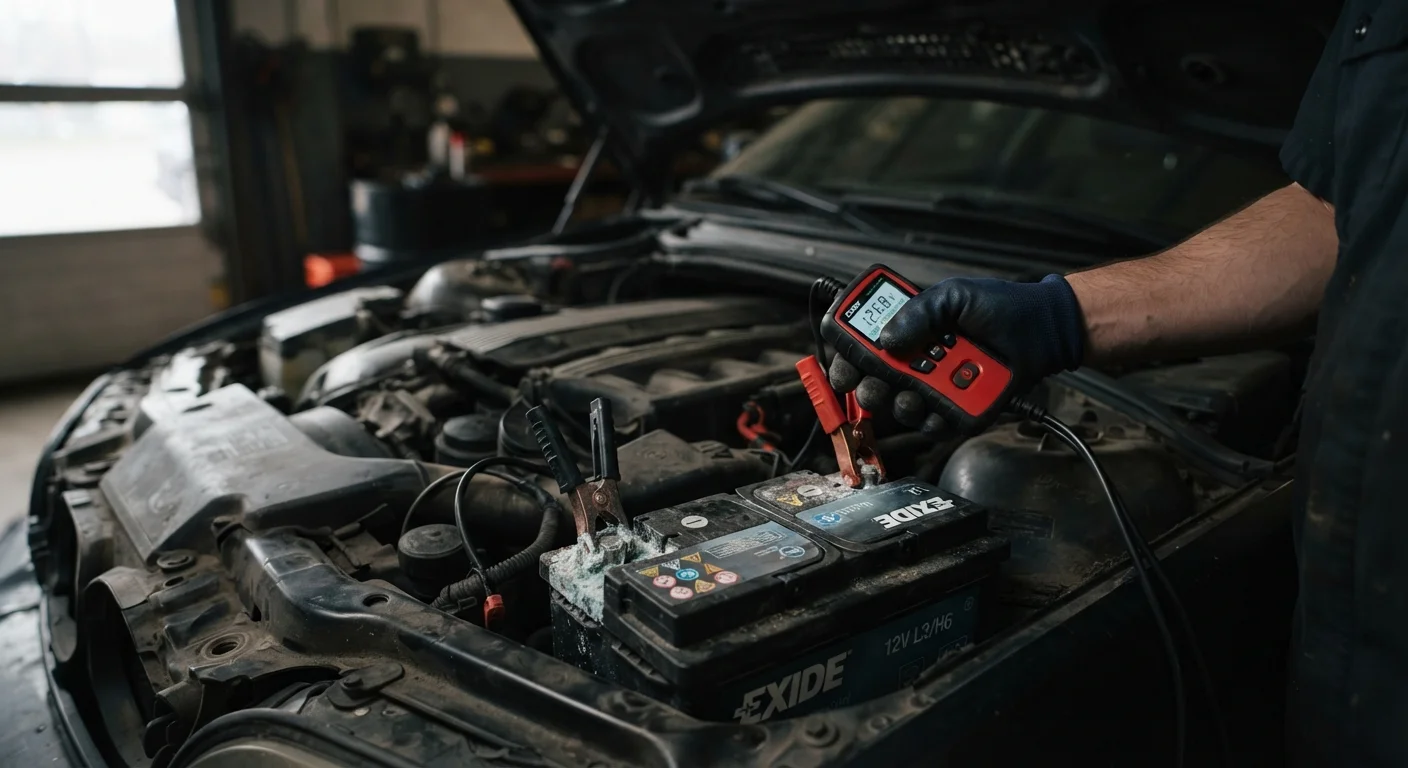
A short drive after a jump-start will fully recharge a dead battery.
Fact
Fully recharging a deeply discharged battery typically requires an extended drive or a dedicated battery charger.
Your alternator restores some charge while driving, but it's designed to maintain a healthy battery, not recover a deeply discharged one efficiently. A 10- or 15-minute drive after a jump may provide enough charge to restart the engine once, but the battery will likely struggle again. If a battery has discharged completely, the safest approach is to connect it to a dedicated charger for several hours or have it tested - deep discharge cycles reduce a battery's overall lifespan and capacity over time.
[important_callout]Myth
Bigger, wider tires always improve handling and safety.
Fact
Tire size must be matched to the vehicle's design; incorrectly sized tires can compromise handling, speedometer accuracy, and safety systems.
While wider tires can increase the contact patch on dry pavement, they also increase the risk of hydroplaning in wet conditions and may interfere with wheel-well clearance, suspension geometry, and the calibration of ABS and stability control systems. The tire size specified by the manufacturer represents an engineering balance across grip, safety, fuel economy, and ride comfort. Deviating significantly from that specification - even with a "better" tire - can introduce trade-offs the vehicle wasn't designed to handle.
What the Evidence Actually Shows
Correcting these myths isn't just about saving money at the pump or the shop - it's about understanding how your vehicle actually works. A driver who knows that all-wheel drive improves traction but not braking, for example, is less likely to carry dangerous speed into a winter corner. Knowledge translates directly into safer decisions on the road.
~10,000 mi
Common synthetic oil change interval
Many manufacturer-specified oil change intervals for full synthetic oil now range from 7,500 to 10,000 miles or more, depending on the vehicle and driving conditions.
0%
Braking improvement from AWD
All-wheel drive improves acceleration traction but contributes no measurable reduction in braking distance, which is determined by tire grip and vehicle weight.
For a deeper look at one of the most misunderstood fluid choices, see our article on synthetic vs. conventional motor oil. And if you want to audit your entire maintenance routine against what genuinely matters, Car Maintenance on a Tight Budget offers a practical, evidence-grounded framework.
Don't Let Myths Delay Real Maintenance
Dismissing a service interval because you heard it was unnecessary can have real consequences if that advice was based on a myth rather than your vehicle's specifications. Always cross-reference popular advice against your owner's manual. For first-time owners who want a reliable framework, Car Ownership Explained covers what you actually need to track.