What Each Approach Actually Means
Style advice has long centered on a familiar idea: identify your body shape — hourglass, pear, rectangle, apple, or inverted triangle — then choose clothes designed to "balance" or "flatter" those proportions. The underlying logic is visual harmony: certain silhouettes create the illusion of symmetry, lengthening or minimizing specific areas of the body.
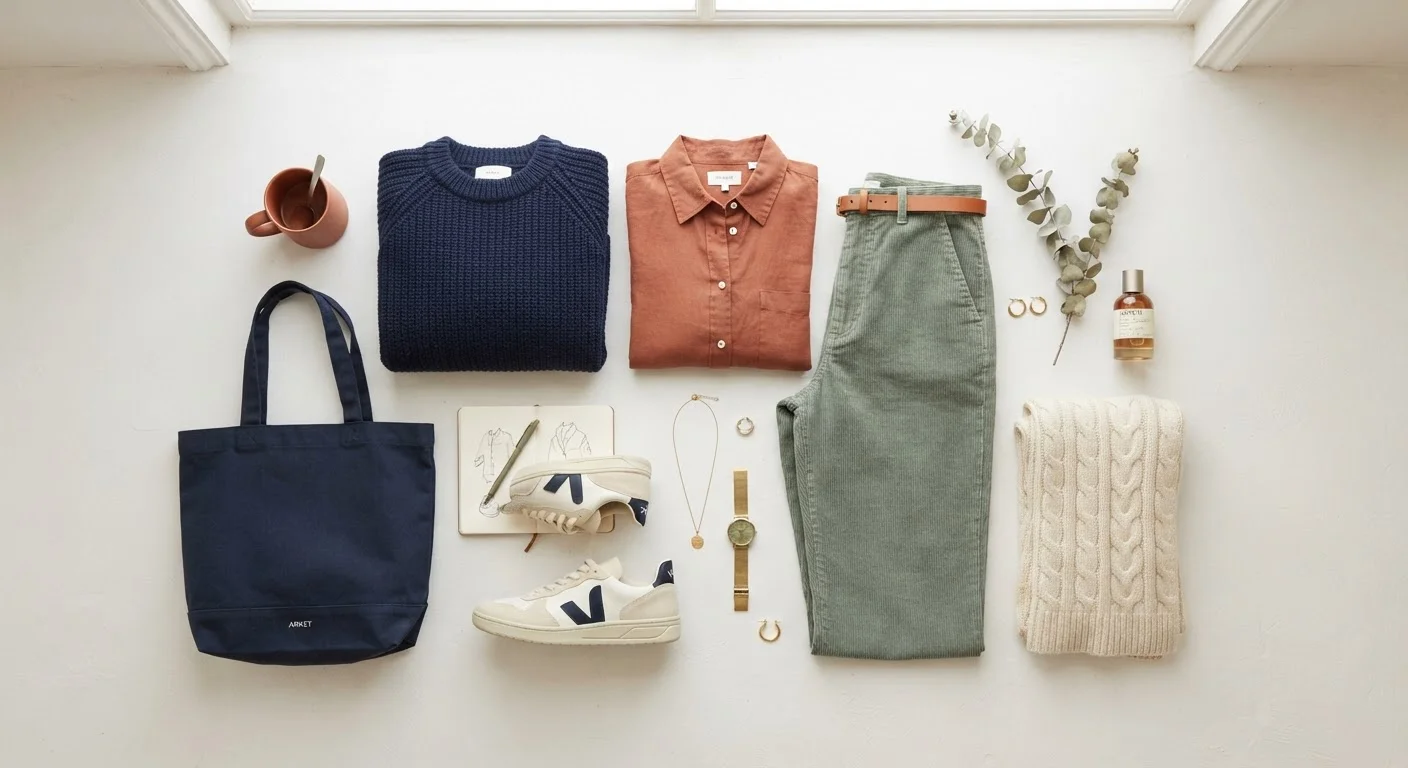
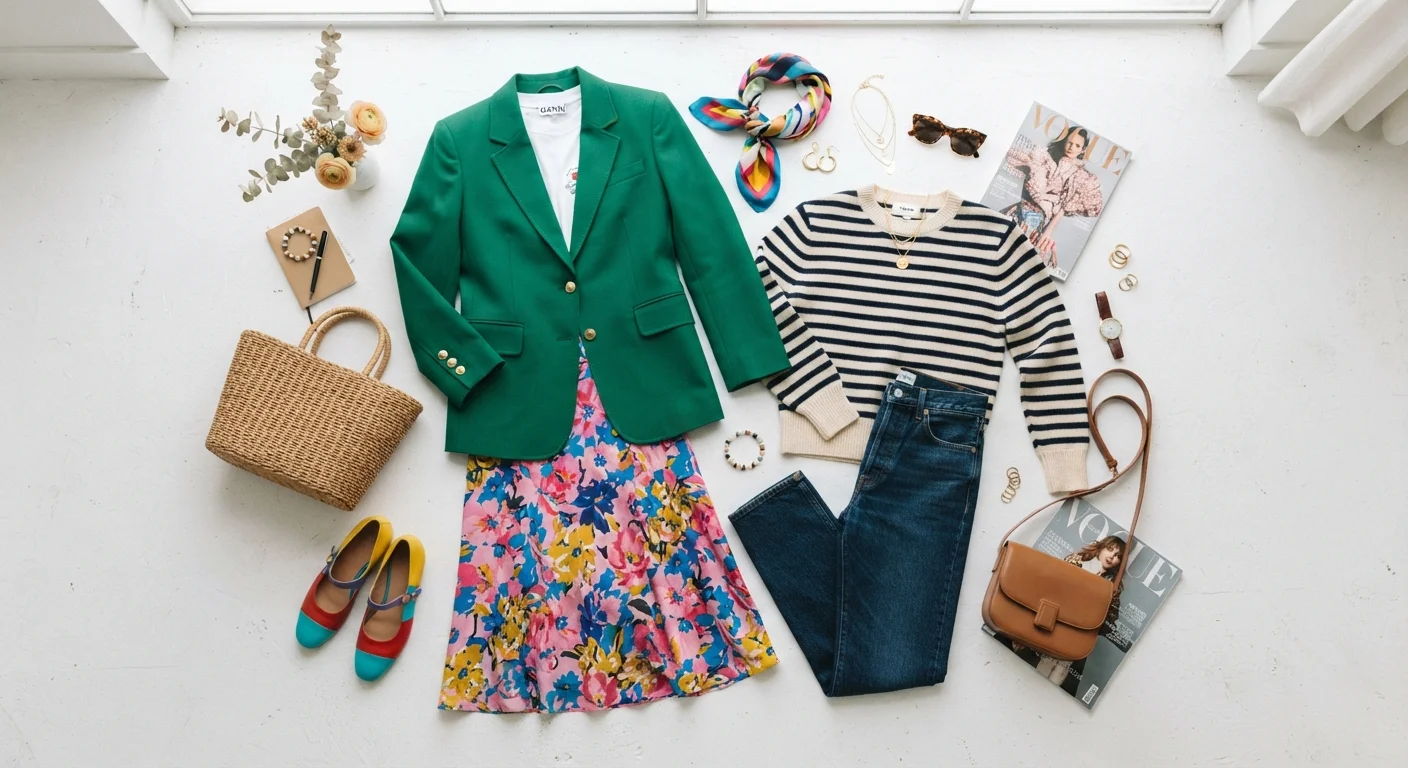
Dressing for your personality takes a different starting point entirely. Instead of asking what shape am I? it asks who am I? Your color preferences, the aesthetics that energize you, the mood you want to project — these become the compass. A maximalist might layer bold prints and statement accessories. A minimalist might gravitate toward monochromatic palettes and clean lines. Neither is about proportions; both are about identity.
It's worth noting that body-shape guidance is descriptive, not prescriptive. These are proportion suggestions, not mandates — something style myth debunking often clarifies for readers who've internalized them as ironclad rules.
| Criterion | Dressing for Body Shape | Dressing for Personality |
|---|---|---|
| Primary focus | Physical proportions and visual balance | Identity, mood, and self-expression |
| Starting question | What silhouette flatters my frame? | What reflects who I am? |
| Guiding principle | Proportion and symmetry | Authenticity and resonance |
| Strength | Clear, structured decision-making framework | Builds a durable, deeply personal wardrobe |
| Limitation | Can feel restrictive or prescriptive | Requires self-awareness and experimentation |
| Best entry point | When fit and proportion feel like challenges | When rules feel stifling or inauthentic |
| Long-term wardrobe impact | Functional, well-fitting capsule | Expressive, cohesive personal aesthetic |
The Case for Proportion Awareness
There's genuine utility in understanding how cut and silhouette interact with your frame. A well-fitted garment — one that doesn't pull, gap, or bunch — tends to look intentional regardless of style direction. Knowing that a certain trouser rise or sleeve length works well for your body can simplify shopping enormously.
Body-shape principles also offer a useful shorthand when you're building a wardrobe from scratch or navigating unfamiliar clothing categories. If you're curious about how fit factors into different garment types, tailoring versus buying off the rack is worth exploring as a companion topic.
The limitation? Proportion rules were historically developed around a narrow range of body types and cultural aesthetics. Applied rigidly, they can make dressing feel like a problem to solve rather than an opportunity to express yourself.
96%
People who say clothing affects confidence
A survey by the American Psychological Association found that a large majority of respondents reported their clothing choices influenced how confident they felt.
2x
More likely to keep personality-aligned pieces
Style researchers have noted that consumers tend to wear and retain garments they chose for emotional or identity reasons far longer than purely trend-driven purchases.
The Case for Leading with Personality
Research in psychology has explored how clothing shapes self-perception and behavior — a concept sometimes called enclothed cognition. The idea is that what we wear influences how we feel and, consequently, how we act. Dressing in a way that aligns with your identity can reinforce confidence and a sense of coherence. Intentional dressing and self-image digs deeper into this relationship.
Personality-driven dressing also tends to produce more durable wardrobes. When you buy pieces because they genuinely excite you — rather than because they follow a proportion formula — you're more likely to reach for them repeatedly. Style satisfaction comes from authenticity, not adherence to external rules.
Color is particularly powerful here. The shades you choose communicate mood and identity before anyone reads a single detail of your outfit. Understanding how color functions in personal style can help you use it with greater intention.
Finding Your Blend
In practice, most compelling personal style draws on both approaches. You might love oversized, deconstructed silhouettes that technically "ignore" traditional proportion advice — but you still care about fabric quality and garment fit. Or you might use body-shape principles as a starting filter, then inject personality through color, print, and accessory choices.
The key is knowing which approach to prioritize when they conflict. If a garment feels authentically you but doesn't technically "flatter" your proportions by conventional standards, that's a personal judgment call — not a fashion emergency. Style evolves too. Life transitions, changing environments, and shifting values all reshape how we dress. Navigating style across life transitions offers useful perspective for anyone whose aesthetic is in flux.
Ultimately, the most empowering wardrobe is one you reach for eagerly — because it fits and feels like you. Both philosophies, used thoughtfully, can help you get there.
A Note on "Flattering"
The word "flattering" in fashion typically means "creating the appearance of conventional proportions." But conventional isn't universal, and what reads as flattering is shaped by cultural standards that shift over time. It's worth asking whether a piece makes you feel good — not just whether it conforms to a proportion ideal. Your comfort and confidence are the more meaningful metrics.