The Core Question: Fix It or Find It?
Every shopper eventually faces the fitting room dilemma: a garment looks great on the hanger, fits almost perfectly on your body — but not quite. Do you search for something that fits better off the rack, or do you buy what's close and bring in a tailor?
The answer depends on the garment, the type of fit issue, your budget, and how often you'll actually wear the piece. Understanding these variables helps you stop guessing and start making wardrobe decisions with real confidence. For a broader look at how fit intersects with personal style, see this exploration of dressing for shape vs. personality.
When Off-the-Rack Is the Smarter Move
Off-the-rack clothing is designed around standardized size ranges, and for shoppers whose proportions fall close to those standards, it delivers solid fit with zero wait time and no additional cost. The key is knowing which measurement matters most for a given garment.
- Shoulders on a jacket or blazer: Shoulder seams are extremely difficult and expensive to alter. If the shoulders fit, almost everything else can be adjusted.
- Chest and hips on a dress: Waist suppression is a relatively simple alteration; accommodating a significantly larger chest or hip is not. Shop to fit the largest measurement.
- Inseam on pants: Hemming is one of the most affordable and routine alterations — don't let a too-long inseam push you away from an otherwise well-fitting trouser.
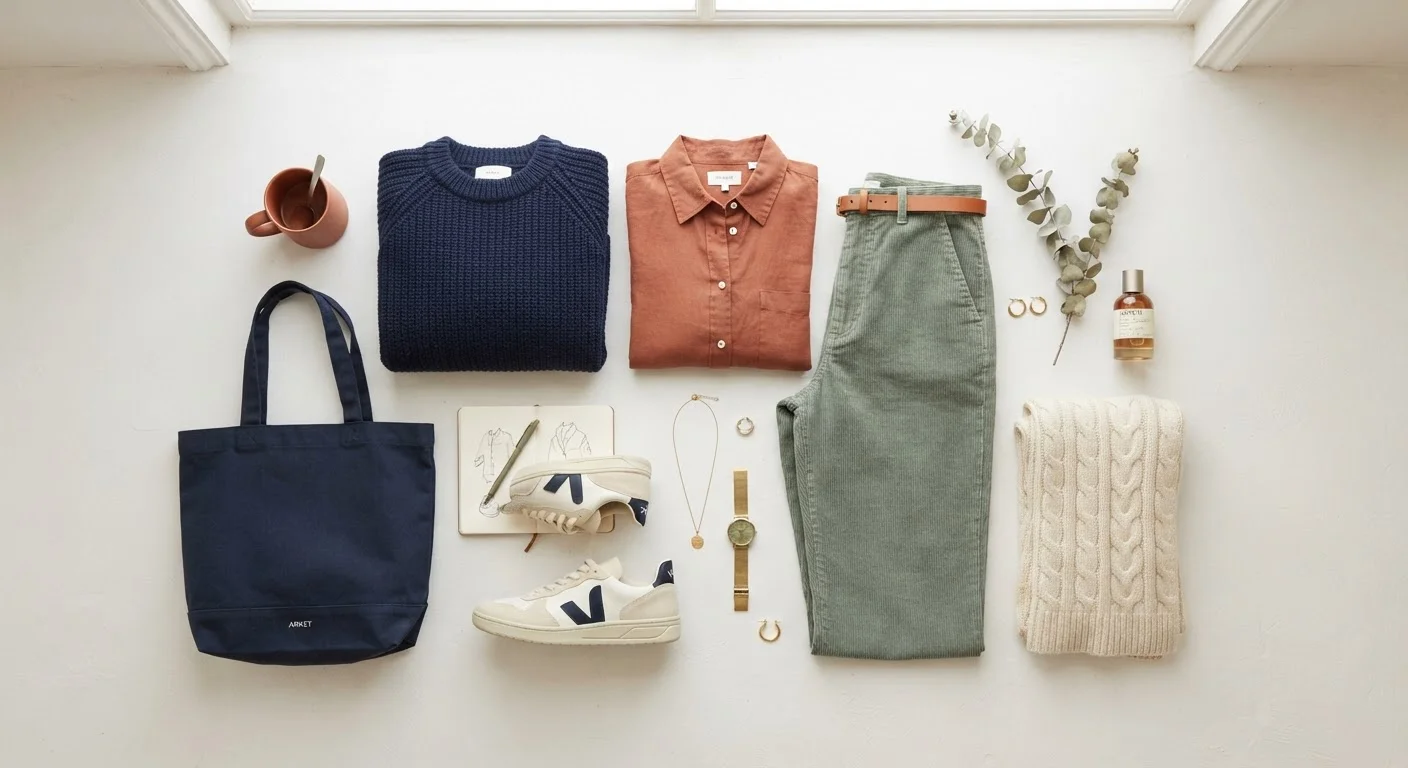
If a piece fits beautifully across its non-alterable zones, the off-the-rack route wins on speed and cost. Casual items like T-shirts, knit tops, and stretchy fabrics are also strong candidates for off-the-rack buying, since slight imprecision rarely registers.
| Tailoring | Off-the-Rack | |
|---|---|---|
| Cost | Additional expense beyond purchase price | Included in purchase price |
| Time | Days to weeks turnaround | Immediate wear |
| Fit precision | Custom to your measurements | Designed for average proportions |
| Best garment types | Suits, blazers, tailored trousers, occasion wear | Casualwear, knitwear, stretchy fabrics |
| Structural limits | Can fix most issues except poor-quality construction | Works best when proportions match standard sizing |
| Long-term value | Higher per-wear value on frequently worn pieces | Depends on how well the fit holds up |
When Tailoring Is Worth It
Tailoring pays off most clearly in two scenarios: when you have consistent fit challenges that standard sizing can't resolve, and when the garment is one you'll wear frequently or in high-stakes situations.
Common fit challenges that benefit from tailoring include a shorter torso paired with standard-length tops, broad or sloping shoulders in relation to a smaller chest, or a significant difference between waist and hip measurements. If you find yourself repeatedly buying pieces that need the same adjustment — waist taken in, sleeves shortened — building a relationship with a tailor often saves time and frustration in the long run.
Start With the Shoulder, Always
When trying on any structured jacket or blazer, check the shoulder seam position first — it should sit precisely at the edge of your shoulder, not drooping down your arm or pulling toward your neck. This is the one measurement tailors consistently flag as too costly and complex to fix after the fact. Get the shoulders right at the rack, and almost everything else becomes workable.
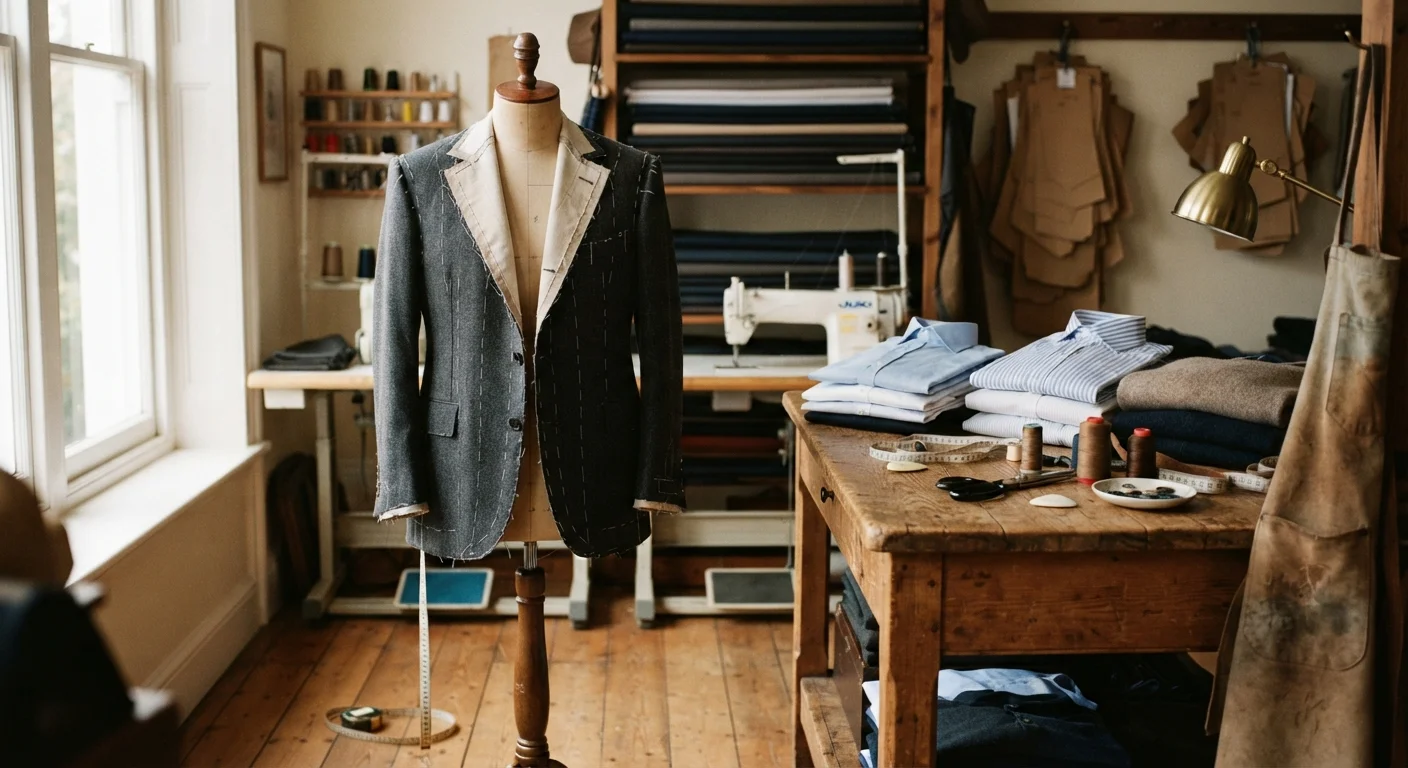
Structurally significant garments like suits, blazers, and tailored trousers have the most to gain from professional fitting. These pieces rely on precise construction to drape correctly, and even small inaccuracies in seam placement are visually obvious. For pieces you're building a wardrobe around, see common wardrobe gaps worth knowing before they become problems.
Understanding Alteration Costs and Limits
Not all alterations are created equal. Simple adjustments — hemming pants, taking in a side seam, shortening sleeves on a casual shirt — are generally affordable and completed quickly. Structural changes — recutting a shoulder, repositioning a collar, adding or removing panels — require significantly more labor and may cost more than the garment itself.
$15–$40
Typical cost to hem pants
Basic hemming is one of the most common and affordable alterations at most local tailoring shops.
$75–$200+
Cost to alter jacket shoulders
Shoulder restructuring is among the most labor-intensive alterations, often costing more than simpler adjustments combined.
Before committing to an alteration, it's worth asking a tailor to assess whether enough seam allowance exists to make the change. Some fast-fashion garments are constructed with minimal fabric margins, making even basic adjustments impossible without compromising the garment's structure.
Keeping alteration costs in context of your overall clothing budget is smart practice. For guidance on tracking and balancing clothing spend, budgeting basics offers practical frameworks worth reviewing.
Building a Hybrid Strategy That Works for You
The most practical wardrobe approach combines both methods deliberately. Shop off-the-rack for items where standard sizing works — casual separates, knitwear, accessories. Reserve your tailoring budget for the pieces that appear most often and matter most visually: a well-worn blazer, your go-to trousers, a special-occasion dress.
A useful habit: before purchasing, mentally categorize the garment as alterable or not in its key fit zone. If the critical measurement fits and the rest can be adjusted, buy and alter. If the non-alterable zone is off, keep searching. This framework prevents both over-spending on alterations and building a wardrobe full of things that never quite feel right.
For help auditing what's already in your closet and identifying what earns its space, a structured closet audit is a great next step. And if you're working toward a wardrobe that genuinely reflects your identity, this guide to building a meaningful wardrobe can help you align fit decisions with your broader style goals.