The Psychology Behind Getting Dressed
Every morning, the act of getting dressed is far more than a practical ritual. Research in psychology suggests that our clothing choices have a measurable effect on how we think, feel, and perform throughout the day. Researchers Hajo Adam and Adam Galinsky introduced the term enclothed cognition to describe this phenomenon — the idea that clothing carries symbolic meaning, and when we wear it, we internalize that meaning in ways that shape our behavior.
In their studies, participants who wore a lab coat they were told belonged to a doctor showed increased sustained attention compared to those who wore the same coat but were told it was a painter's smock. The physical garment was identical; the psychological effect came from meaning. For everyday dressers, this is profound: the outfit you choose doesn't just reflect who you are — it can actively reinforce it.
Enclothed Cognition
Psychology concept linking clothing to behavior
Research by Adam and Galinsky (2012) found that the symbolic meaning of clothing influences the wearer's psychological state and cognitive performance.
~59%
Adults who say clothing affects their confidence
Various consumer surveys have found a majority of respondents believe what they wear has a meaningful impact on their confidence and mood during the day.
What Intentional Dressing Actually Looks Like
Intentional dressing isn't about wearing expensive clothes or following a strict aesthetic. It's about closing the gap between what you put on your body and how you genuinely see yourself. That might look like choosing a structured blazer on a day when you need to feel in command, or reaching for a soft, familiar sweater when you want to feel grounded.
It also means resisting the pull to dress for approval and instead asking: Does this feel like me? That question is easier to answer when you understand your personal style — your recurring color preferences, the silhouettes that feel natural on your body, and the textures that resonate with your aesthetic. For a deeper look at how color plays into this, see our article on how color shapes self-perception and personal style.
Try a 'Feels Like Me' Litmus Test
Before adding a new piece to your wardrobe, ask yourself: 'Would I feel like myself wearing this?' If the honest answer is no — even if the item is on-trend or fits well — that's valuable information. Building a wardrobe around authentic resonance rather than obligation is one of the most effective ways to dress more intentionally over time.
How Clothing Choices Build (or Undermine) Self-Image
Self-image — the internal picture we hold of ourselves — is shaped by many forces, and clothing is one of the quieter ones. When your wardrobe consistently reflects your values and identity, it sends you a steady signal of self-consistency. Conversely, wearing clothes that feel misaligned — whether because they no longer fit who you've become or because they were purchased to please others — can create a subtle but persistent sense of disconnect.
This is particularly relevant during life transitions. Career changes, moves, or personal growth can all shift how we see ourselves, and our wardrobes often lag behind. Navigating personal style across major life changes is a skill worth developing, because style that evolves with you keeps self-expression authentic rather than performative.
Building a Wardrobe That Reflects Your True Self
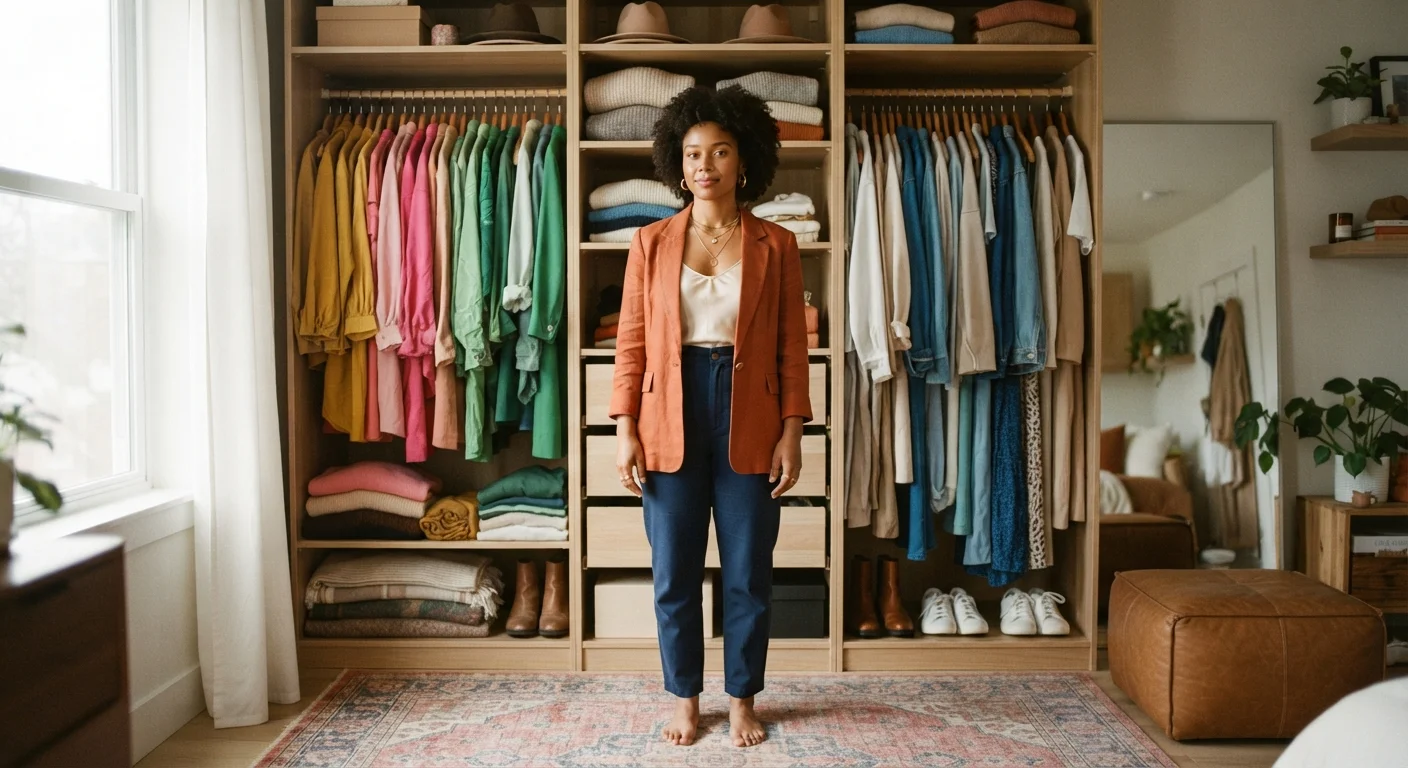
The practical step that makes intentional dressing sustainable is curation. A wardrobe stuffed with clothes you don't connect with makes deliberate choices harder, not easier. The goal is a collection — however small or large — where almost every piece earns its place because it fits your lifestyle, reflects your aesthetic, and makes you feel like yourself.
Start by noticing patterns in the pieces you reach for most often. What do they have in common? From there, you can make more purposeful additions and let go of what's just taking up space. Our guide to building a wardrobe that actually reflects who you are walks through a practical audit process. And if you've ever wondered whether you're dressing for your body or for your personality — that tension is worth exploring too: dressing for body shape vs. personality unpacks both approaches thoughtfully.
Intentional dressing is ultimately a practice, not a destination. Each choice is a small act of self-authorship — and over time, those choices add up to something that looks and feels unmistakably like you.