The Habits That Quietly Add Up
Pet weight gain rarely happens all at once. It tends to accumulate through small, daily habits that seem harmless on their own — an extra scoop of kibble here, a bite of dinner there. Because pets can't advocate for themselves nutritionally, the responsibility for managing caloric intake falls entirely on their owners.
Understanding where the extra calories come from is the first step. The conditions that lead to overweight pets are often predictable and, importantly, correctable once identified. Below are the most common mistakes pet owners make — and what to do instead.
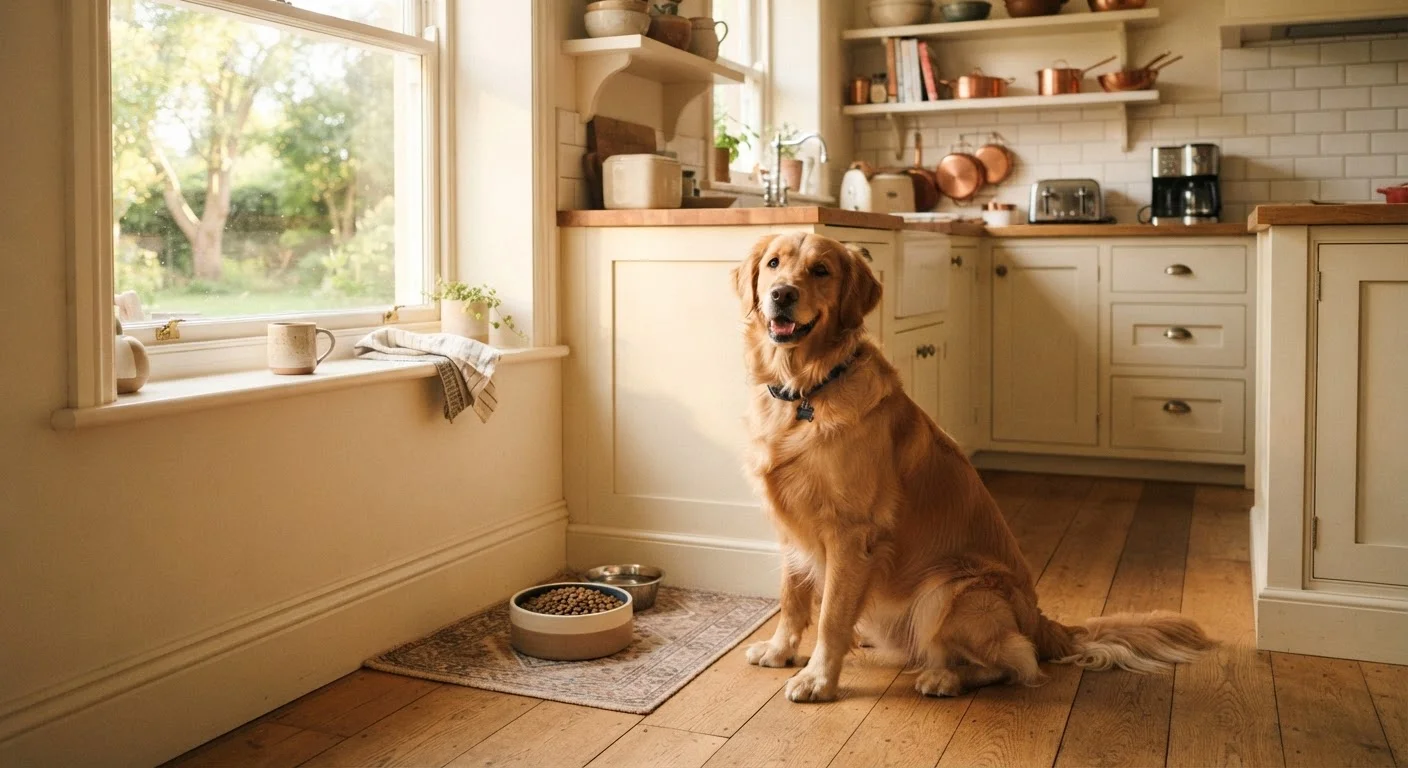
Free-feeding without portion control — leaving food out all day and letting a pet eat whenever it wants.
Why it happens: Many owners assume pets will self-regulate, especially with dry kibble. It feels convenient and even kind to provide constant access to food.
Underestimating how many calories come from treats and table scraps.
Why it happens: Treats feel like small additions, and sharing food is a natural way owners bond with pets. The caloric impact of these extras is easy to underestimate.
Not adjusting food portions when a pet's activity level decreases — such as after an injury, during winter, or following a move indoors.
Why it happens: Owners often keep feeding the same amount out of habit, unaware that a less active pet burns significantly fewer calories.
Ignoring the caloric difference between a pet's food before and after switching brands or formulas.
Why it happens: Pet owners may assume that cup-for-cup, one food is interchangeable with another. Caloric density varies widely between formulas.
Overlooking the effect of spaying, neutering, or aging on a pet's metabolism.
Why it happens: These are normal life events, and many owners aren't told that metabolic rate can decrease noticeably afterward — sometimes within weeks of surgery.
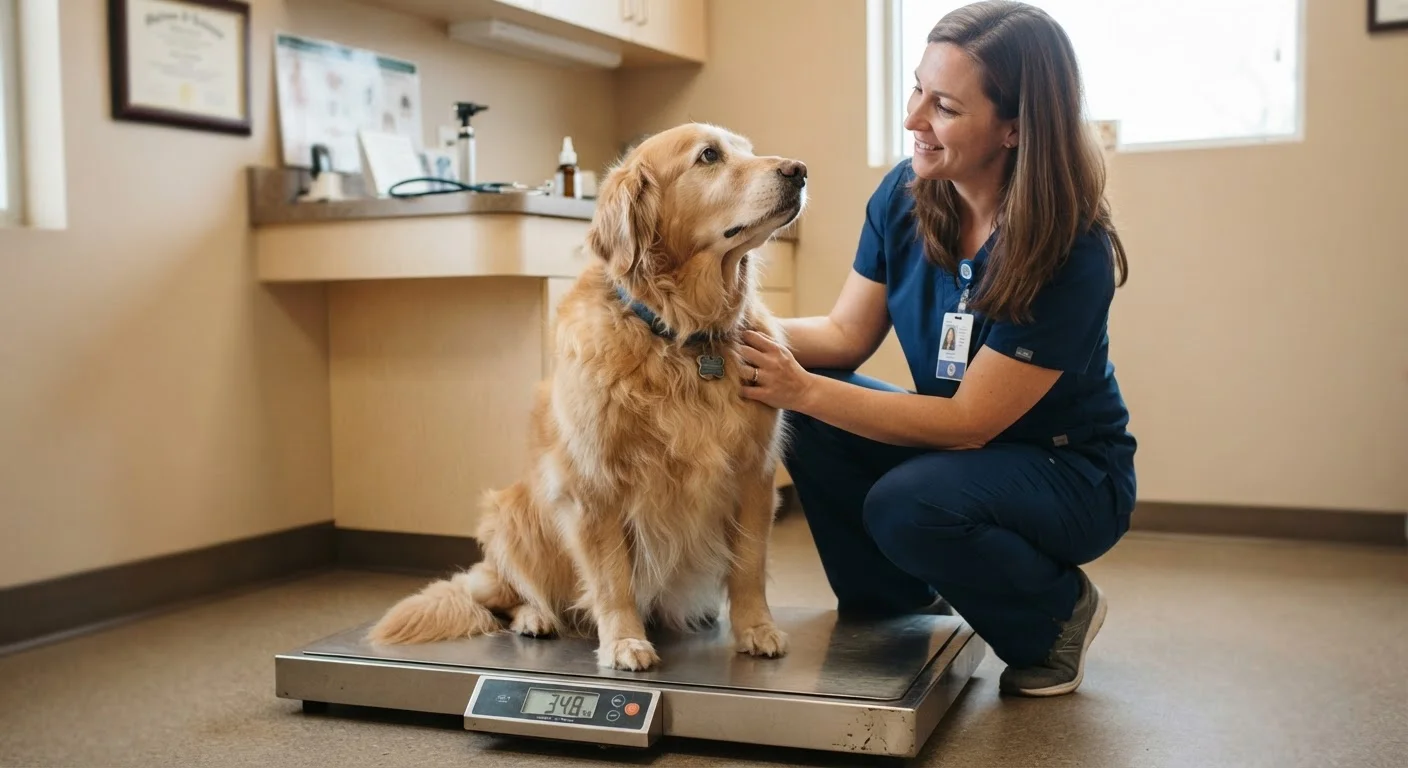
Relying on visual appearance alone to assess whether a pet is at a healthy weight.
Why it happens: Thick coats, natural body shapes, or gradual changes make weight gain hard to notice until it's significant. Owners also see their pets every day, which slows perception of change.
When Diet Isn't the Whole Picture
Even owners who feed carefully measured portions may find their pet gaining weight. In some cases, the cause is medical rather than behavioral. Hormonal disorders, certain medications (including some steroids), and the metabolic shifts that follow spaying or neutering can all promote weight gain independent of how much a pet eats.
Weight Gain Can Signal a Medical Problem
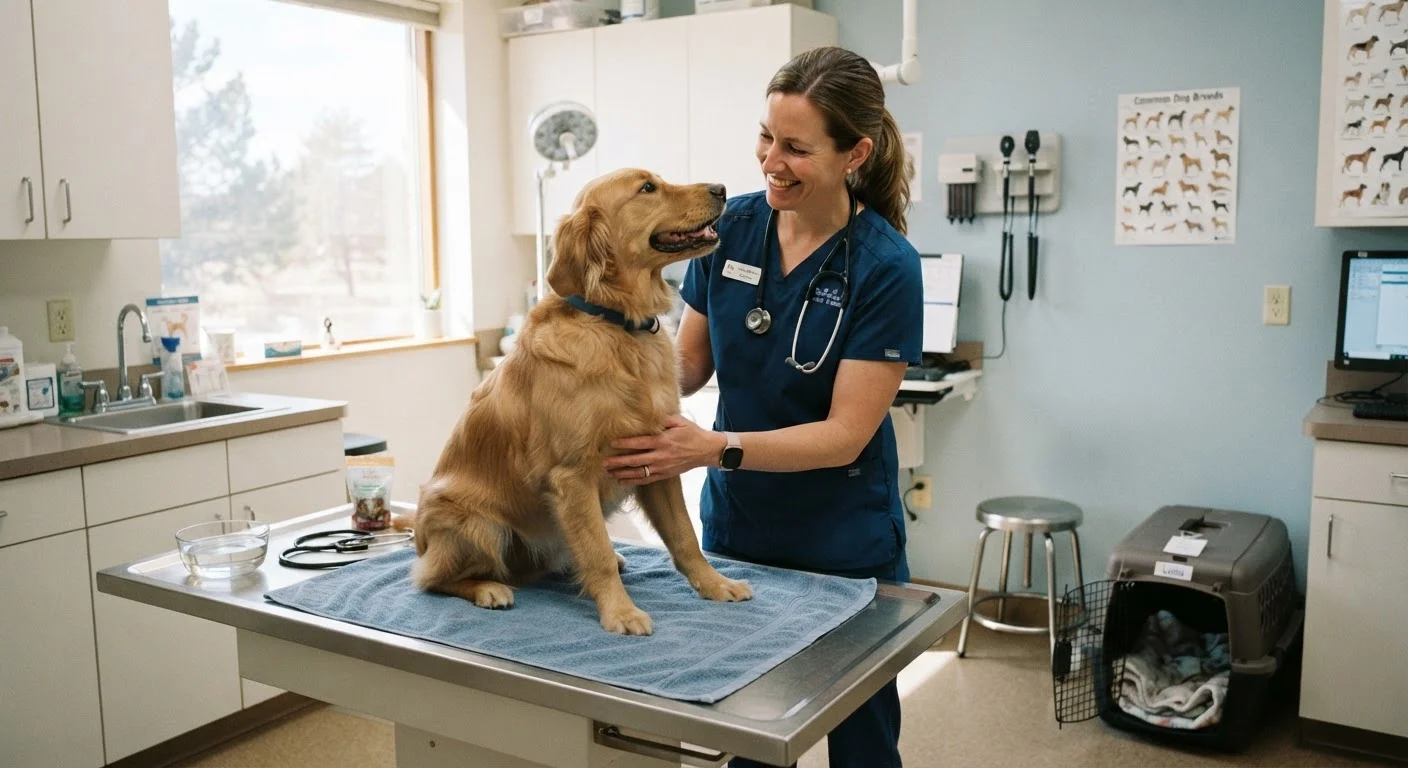
Not all pet weight gain stems from diet or activity. Conditions such as hypothyroidism in dogs and hyperadrenocorticism (Cushing's disease) can cause unexplained weight gain even when food intake seems normal. If your pet is gaining weight despite no obvious dietary changes, schedule a veterinary exam before adjusting food portions on your own.
If you've ruled out feeding habits as a cause and your pet continues to gain weight, don't delay a vet visit. Blood work can identify thyroid dysfunction or other underlying issues that a diet change alone won't fix.
It's also worth noting that different species carry weight differently. Cats, for example, are obligate carnivores whose nutritional needs differ substantially from dogs — a weight management strategy that works for one species won't automatically apply to the other. Your veterinarian is the right person to guide a species- and individual-appropriate plan. For a broader look at how everyday assumptions about pet health can mislead owners, see our piece on common pet health myths vets frequently address.
~60%
U.S. dogs and cats classified as overweight or obese
According to the Association for Pet Obesity Prevention's annual surveys, roughly 60% of cats and dogs in the United States have been classified as overweight or obese by their veterinarians.
10%
Recommended daily treat calorie limit
Veterinary nutritionists generally recommend that treats and extras account for no more than 10% of a pet's total daily caloric intake to prevent gradual weight creep.
This article is for general informational purposes and does not constitute veterinary or medical advice. Always consult a licensed veterinarian regarding your pet's individual health and nutritional needs.