What the Research Generally Shows
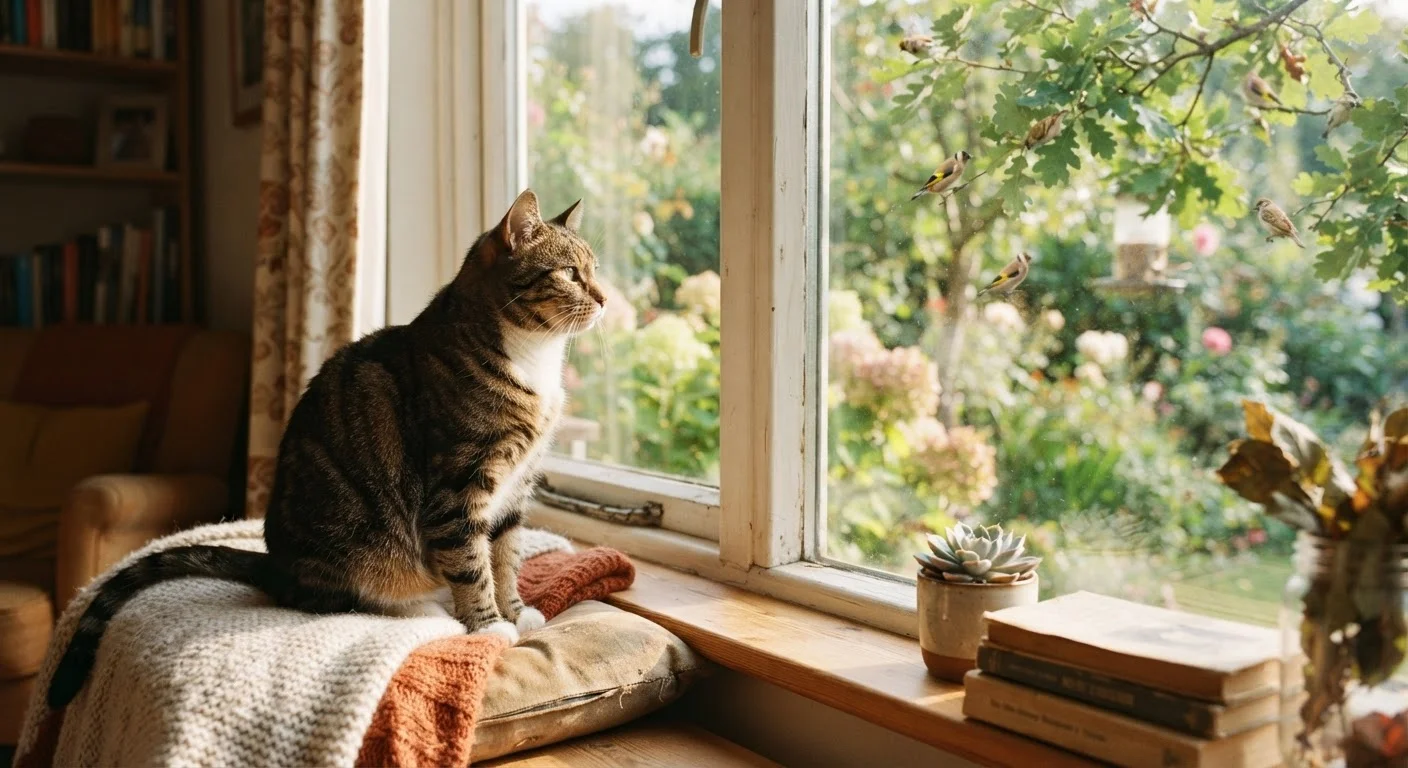
The indoor-versus-outdoor question is one of the most frequently debated topics in cat welfare, and the evidence leans in a consistent direction: cats kept exclusively indoors tend to live substantially longer. Veterinary organizations and animal welfare groups generally attribute this to the removal of preventable causes of death — road accidents, predator attacks, exposure to infectious disease, and accidental poisoning.
That said, lifespan alone doesn't capture the full picture. A long life lived in a barren, understimulating environment has its own welfare costs. The quality of an indoor environment — the space, enrichment, and social interaction available — matters as much as the setting itself.
For a broader look at how lifestyle choices affect feline wellbeing, see the Pet Health hub for general guidance on keeping cats thriving at every life stage.
Advantages of Keeping Cats Indoors
The health case for indoor living is built largely on risk elimination. When cats are protected from traffic, territorial fights with strays, and exposure to sick animals, a major category of injury and illness disappears.
Dramatically longer average lifespan
Veterinary sources commonly cite indoor cats living 12–18 years on average, compared to estimates of 2–5 years for free-roaming outdoor cats — a gap driven largely by preventable hazards.
Protection from traffic and predators
Vehicle strikes and attacks from dogs, coyotes, or other cats are among the leading causes of injury and death in outdoor cats. Indoor cats are shielded from these risks entirely.
Reduced infectious disease exposure
Diseases such as feline leukemia virus (FeLV), feline immunodeficiency virus (FIV), and upper respiratory infections spread more readily through outdoor contact with other cats.
Lower parasite burden
Fleas, ticks, intestinal worms, and ear mites are far more common in cats that roam outdoors, and some parasites pose secondary risks to human household members.
Easier health monitoring
When a cat lives exclusively indoors, owners are more likely to notice early changes in appetite, litter box habits, or behavior — all of which can signal illness. See our guide to subtle behavioral shifts that can signal illness in cats.
Nutrition also plays a role. Indoor cats eat predictable, owner-controlled diets, making it easier to manage caloric intake. For context on how food format affects health, our article on dry food vs. wet food explores the tradeoffs between food types — relevant whether your cat is indoors or out.
The Real Risks of the Indoor Life
Indoor living isn't without its own health hazards. The most significant is a sedentary lifestyle. Cats allowed outdoors self-regulate activity through exploration and hunting behavior; indoor cats depend entirely on their owners to create those opportunities.
Higher risk of obesity and related conditions
Without the calorie burn of roaming and hunting, indoor cats are more prone to weight gain, which can contribute to diabetes, joint problems, and urinary tract disease.
Boredom and behavioral issues
Understimulated indoor cats may develop repetitive behaviors, over-grooming, or aggression. Environmental enrichment — such as puzzle feeders and vertical space — is essential but requires owner effort.
Stress in confined or under-enriched environments
Cats are territorial by nature, and a poorly designed indoor environment can generate chronic low-level stress, particularly in multi-cat homes. Our article on feline territorial behavior in multi-cat households covers how to reduce tension.
Lack of natural behavioral expression
Hunting, climbing, and exploring are core feline instincts. Indoor-only cats that lack outlets for these drives may experience reduced psychological wellbeing over time.
The 'Supervised Outdoor' Middle Ground
Many veterinarians and animal behaviorists support structured outdoor access as a compromise. Options include enclosed catios (outdoor enclosures attached to the home), harness and leash walks, or secured garden fencing designed specifically for cats. These approaches allow natural stimulation while sharply limiting the most dangerous risks. The right fit depends on your cat's temperament, your environment, and how much time you can invest in supervision.
Feeding practices matter here too. Feeding schedules — whether free-feeding or measured meals — can meaningfully affect an indoor cat's weight and behavior. Portion control is generally advisable for cats with limited activity.
Making the Right Call for Your Cat
There's no universal answer that fits every cat or household. A confident, high-energy cat raised with outdoor access from kittenhood presents a different case than a timid indoor-born cat who has never shown interest in the outside world.
12–18 yrs
Typical indoor cat lifespan
Veterinary and animal welfare organizations commonly cite this range as the average for indoor-only cats in North America.
2–5 yrs
Estimated free-roaming outdoor cat lifespan
Figures from feral and free-roaming cat studies suggest dramatically shorter lives, primarily due to injury, disease, and environmental hazards.
~50%
Higher obesity risk in indoor cats
Some veterinary nutrition surveys indicate indoor cats are at meaningfully elevated risk of overweight compared to cats with outdoor access, owing to reduced activity levels.
Key questions to weigh include your geographic environment (urban traffic density, local wildlife), your cat's age and health status, and whether you can realistically provide enrichment that meets an indoor cat's behavioral needs. Cats with compromised immune systems, FeLV or FIV diagnoses, or recovering from injury are typically best kept indoors regardless of their history.
Whatever arrangement you choose, regular veterinary check-ups remain essential. Cats are skilled at masking discomfort — learning to spot subtle behavioral shifts that signal illness can help you catch problems early, indoors or out.
This article provides general information for educational purposes and is not a substitute for personalized veterinary advice. Consult your veterinarian before making significant changes to your cat's lifestyle or care routine.