The Core Difference: What's Actually in Each Format
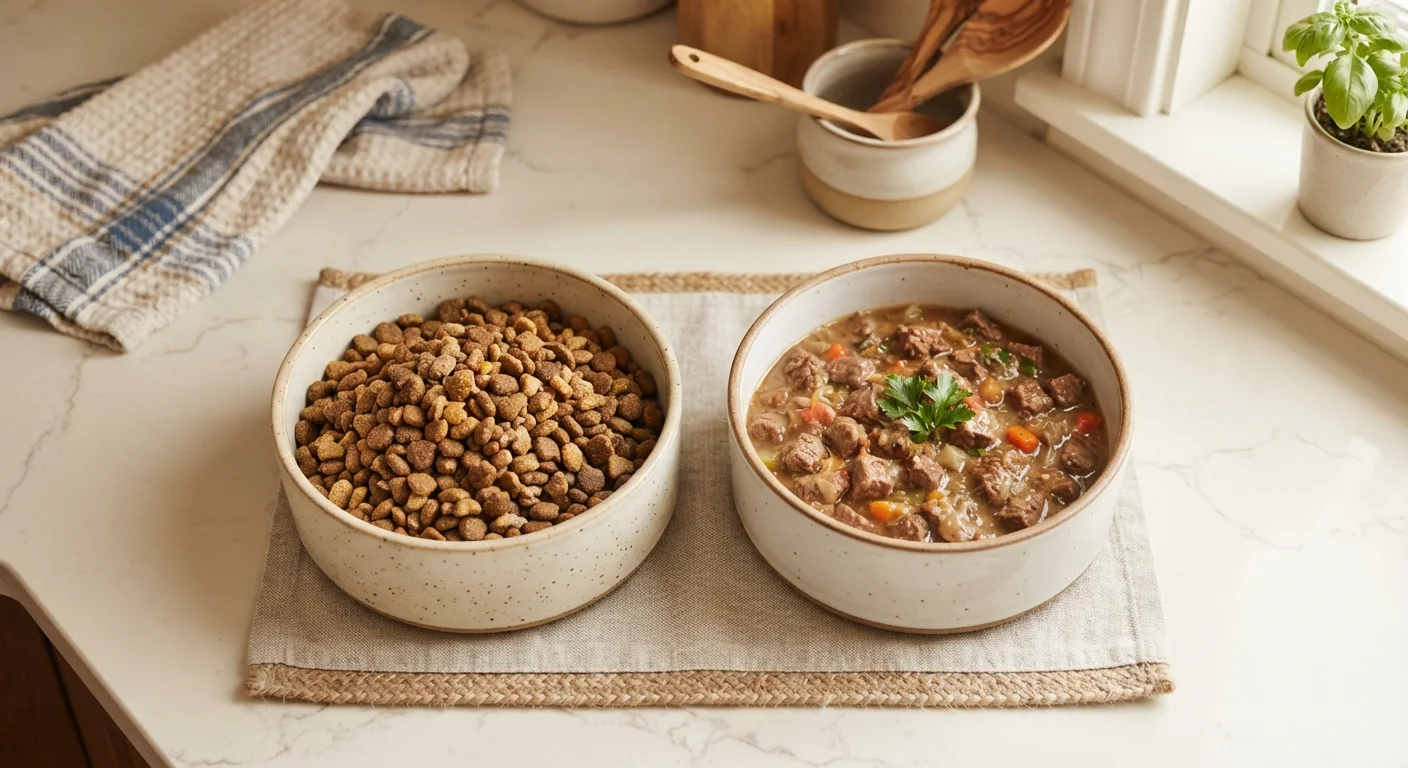
The most fundamental distinction between dry and wet pet food is water content. Kibble typically contains around 10% moisture, while canned or pouched wet food generally ranges from 70-80% moisture. Everything else - protein, fat, carbohydrates, vitamins, and minerals - is packed into the remaining dry matter. That single difference in water content ripples through nearly every other health consideration.
Both formats can be nutritionally complete, meaning they can meet your pet's daily requirements when formulated to AAFCO (Association of American Feed Control Officials) standards. The format itself doesn't determine quality - ingredient composition, processing methods, and the specific nutritional profile all matter more. For a deeper look at how to read those details, see our guide on what pet food labels actually tell you.
| Criterion | Dry Food (Kibble) | Wet Food (Canned/Pouched) |
|---|---|---|
| Moisture content | ~10% | 70-80% |
| Caloric density (per oz) | Higher | Lower |
| Cost per serving | Generally lower | Generally higher |
| Shelf stability | Long; no refrigeration needed | Short once opened; requires refrigeration |
| Dental impact | Modest plaque reduction | More residue on teeth |
| Palatability for picky eaters | Variable | Generally higher |
| Ease of use with feeders | Compatible with auto-feeders | Not suitable for most auto-feeders |
| Best for urinary health | Less supportive | More supportive |
Hydration: Why Moisture Content Matters More for Some Pets
Cats evolved as desert animals and have a naturally low thirst drive. In the wild, they obtained most of their water through prey. This makes wet food particularly relevant for cats - it delivers hydration passively through each meal rather than requiring them to drink separately. Research in veterinary nutrition consistently notes that cats on dry-only diets tend to have more concentrated urine, which can raise the risk of urinary tract issues and contribute to chronic kidney disease over time.
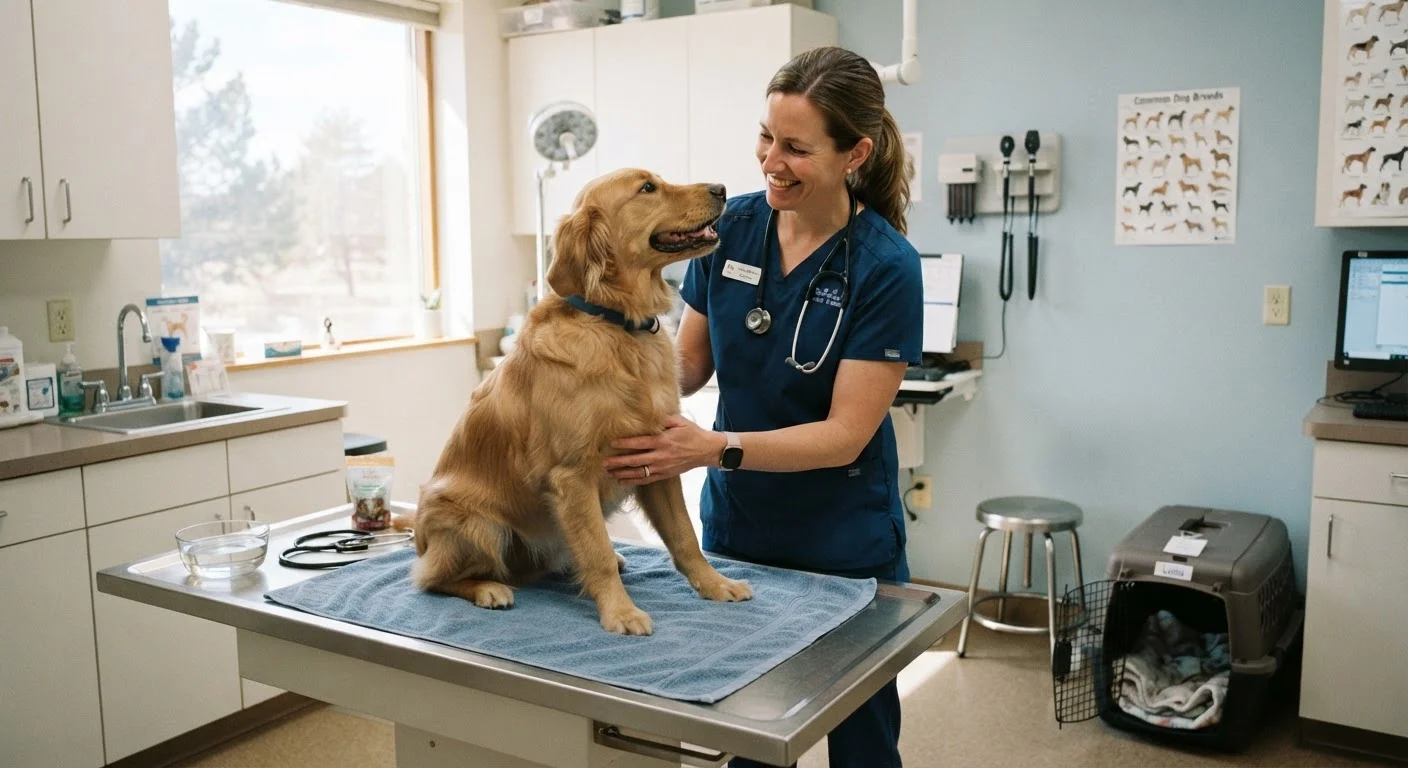
Dogs are more reliable drinkers and generally compensate better on dry-only diets, though dogs with kidney disease, urinary crystals, or certain other conditions may also benefit from the added moisture in wet food. If your pet has any of these concerns, your veterinarian is the right person to guide your format choice. The Pet Health hub offers additional context on common conditions that affect feeding decisions.
What About Mixing Both Formats?
Many veterinarians consider a combination approach - dry food as the primary diet with wet food added regularly - a practical middle ground. This can help improve hydration without the full cost of an all-wet diet, while still offering variety and palatability. If you go this route, be sure to account for the total caloric intake from both formats to avoid unintentional overfeeding. Ask your vet about appropriate ratios for your pet's size, age, and health status.
Dental Health, Calories, and Cost: The Practical Trade-Offs
Dental health: Dry food is often marketed as better for teeth because the crunching action may help reduce plaque buildup. This claim has some support but is frequently overstated - the mechanical abrasion from most kibble shapes is modest, and it doesn't replace brushing or professional dental cleanings. Wet food, by contrast, leaves more residue on teeth. Neither format eliminates the need for active dental care.
Caloric density: Gram for gram, dry food delivers more calories because so little of its weight is water. This matters for portion control. A cup of kibble contains significantly more calories than a similar volume of wet food, which can make it easier to accidentally overfeed. If your pet is managing their weight, understanding caloric density is essential - our article on keeping your pet at a healthy weight walks through how to assess body condition and adjust portions accordingly.
Cost: On a per-calorie basis, dry food is almost always less expensive than wet food. Canned and pouched foods cost more to produce and package, and that cost passes to consumers. For multi-pet households or larger dogs, the price difference can be substantial over time. A mixed feeding approach - dry food as the primary diet with wet food offered periodically - can help manage costs while still providing some moisture benefits.
70-80%
Moisture in wet pet food
Compared to approximately 10% in dry kibble, this difference makes wet food a meaningful source of daily fluid intake for cats and dogs.
~3-4x
Cost difference per calorie
Wet food often costs several times more per calorie than dry kibble, a gap that compounds significantly for larger pets or multi-pet households.
~59%
U.S. cats affected by chronic kidney disease by age 15
Veterinary estimates suggest kidney disease is highly prevalent in older cats, making hydration through diet a frequently discussed preventive consideration.
Palatability, Digestibility, and Special Needs
Wet food tends to be more palatable to picky eaters, particularly cats. The stronger aroma and softer texture appeal to pets who are recovering from illness, have reduced appetite, or are transitioning off a diet they've become bored with. It's also the preferred format for pets with missing teeth, oral pain, or jaw injuries.
Digestibility varies by recipe rather than format alone. Some pets with sensitive stomachs do better on one format; others show no difference. If your pet has gastrointestinal issues, your vet may recommend a specific formulation - wet or dry - based on fiber content, protein source, or fat levels rather than the format itself.
For pets with specific health conditions such as diabetes, kidney disease, or food allergies, your veterinarian may have a clear preference for one format over the other as part of a broader management plan. Feeding format is one part of a larger nutritional picture - you can also explore common pet nutrition myths veterinarians correct to sharpen your overall approach.
This article is for general informational purposes only and is not a substitute for veterinary advice. Always consult a licensed veterinarian before making significant changes to your pet's diet, especially if your pet has an existing health condition.