Why Home Grooming Matters Beyond Appearance
Regular grooming is about much more than keeping your dog looking tidy. Brushing distributes natural skin oils, prevents painful matting, and gives you a chance to spot skin abnormalities early. Nail maintenance affects posture - overgrown nails force dogs to shift their weight awkwardly, which can strain joints over time. Clean ears reduce the risk of infection. And routine handling helps your dog stay comfortable being touched, which matters enormously during veterinary exams.
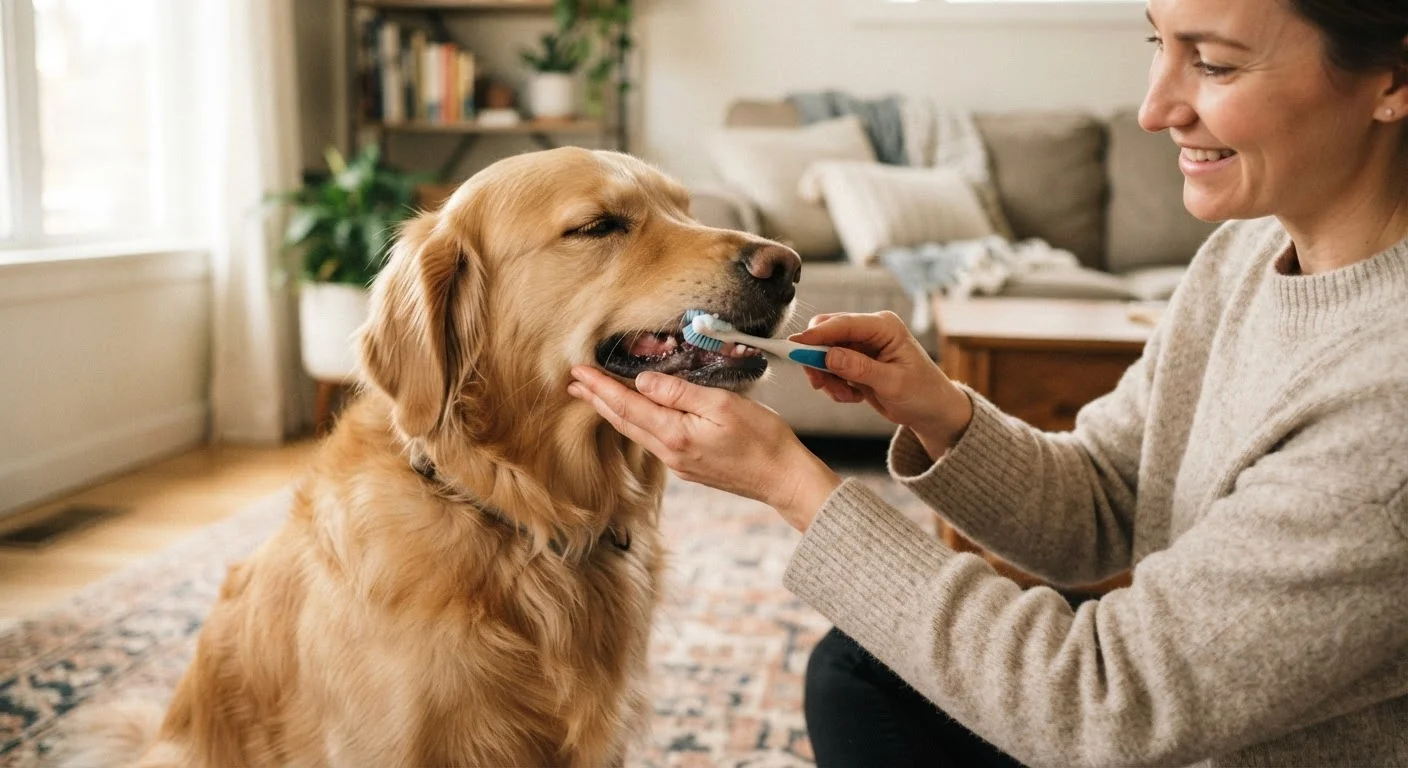
Grooming also fits naturally into a broader wellness routine. Just as a dependable daily routine supports your dog's behavior and emotional stability, predictable grooming sessions contribute to their overall sense of security. Don't overlook dental hygiene as part of this picture either - our complete guide to pet dental health covers what home tooth care looks like in practice.
What you will need
What You'll Need Before You Start
Having the right tools makes a meaningful difference in how smoothly a home grooming session goes. Below are the core items worth having on hand. Not every dog will need every tool at every session - tailor your kit to your dog's coat type, nail growth rate, and ear health.
Slicker Brush
Removes loose fur, detangles light mats, and distributes coat oils during brushing.
Dog Nail Clippers
Trims nails to a safe length to prevent discomfort and posture problems.
Dog-Formulated Shampoo
Cleanses skin and coat without disrupting your dog's natural pH balance.
Vet-Recommended Ear Cleaner
Loosens debris and excess wax in the ear canal without irritating delicate tissue.
Styptic Powder
Stops minor bleeding quickly if a nail is accidentally trimmed too short.
Non-Slip Bath Mat
Keeps your dog stable in the tub, reducing anxiety caused by slipping.
Avoid improvising with human grooming tools. Dog skin and coat have different properties, and using the wrong equipment can cause discomfort or accidental injury.
Step-by-Step: The Home Grooming Routine
Follow these steps in order for the most comfortable experience for both you and your dog. If your dog is new to home grooming or tends to be anxious, consider breaking the routine into shorter sessions across two or three days rather than completing everything at once.
Start Young - or Start Slow
Puppies introduced to grooming tools early are generally more comfortable as adults. For older dogs new to home grooming, begin by simply touching their paws, ears, and mouth daily without any tools. This desensitization, paired with treats and calm praise, lays the groundwork for stress-free sessions.
Set up a calm environment before you begin
Choose a quiet time of day when your dog is relaxed - after a walk or play session works well. Gather all your supplies beforehand so you never have to leave your dog unattended mid-session. Keep your voice low and your movements slow. Anxious energy transfers easily to dogs.
Brush the coat thoroughly before bathing
Always brush before a bath, not after. Water tightens tangles and mats, making them far harder to remove once wet. Work in sections from the skin outward, using short, gentle strokes. Pay extra attention to areas prone to matting: behind the ears, under the armpits, and around the collar. For coat-specific brushing guidance, see our article on coat types and the grooming routines they need.
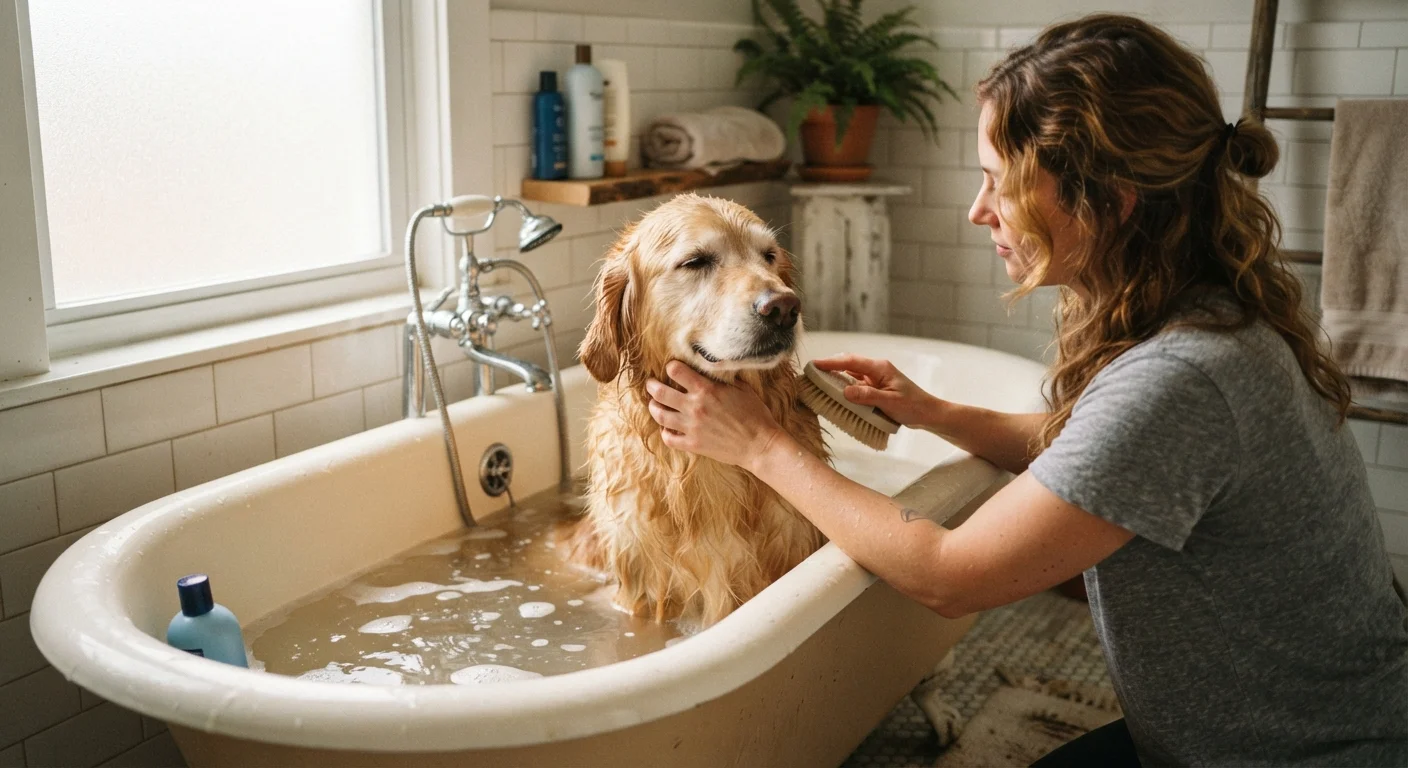
Bathe your dog with lukewarm water and dog-safe shampoo
Wet your dog's coat thoroughly using a handheld sprayer or a cup, working from the neck back. Apply dog-specific shampoo and lather from neck to tail, avoiding the eyes and ear canals. Rinse completely - leftover shampoo residue can irritate the skin. Dry with towels first, then a low-heat blow dryer if your dog tolerates it, keeping the dryer moving to prevent heat concentration.
Trim the nails carefully
Have your dog in a stable position - sitting or lying down. Hold one paw firmly but gently. Clip just the curved tip of each nail at a slight angle, avoiding the quick. Work one paw at a time and reward generously between paws. If your dog becomes very stressed, it's fine to trim one paw per session across multiple days rather than forcing a complete trim at once.
Clean the ears if needed
Healthy ears do not need frequent cleaning - check them weekly and clean only when you see visible debris or mild buildup. Apply a small amount of vet-recommended ear cleaner to a cotton ball or gauze pad and gently wipe the visible inner ear flap and the entrance to the ear canal. Do not insert anything deep into the canal. Signs of infection - dark discharge, odor, or your dog shaking their head repeatedly - require a veterinary visit, not home cleaning.
Finish with a positive reward and a brief inspection
After grooming, give your dog their favorite treat and some calm praise or play. Take a moment to look over their skin for any unusual lumps, redness, or parasites while the coat is clean and accessible. This routine check-in is a simple part of ongoing pet health monitoring. Keeping grooming sessions consistently positive is the most reliable way to make the next one easier.
Know When to Call a Professional
Home grooming covers routine maintenance, but some situations require a licensed groomer or veterinarian. If your dog has severely matted fur, a skin condition, ear discharge with an odor, or becomes dangerously stressed during grooming, stop and consult your vet. Forcing a frightened dog through grooming can cause injury and lasting behavioral fear.
Building Grooming Into Your Ongoing Routine
Consistency is the single biggest factor in stress-free home grooming. Dogs that are groomed regularly - even partially, in short sessions - are far calmer than dogs who only encounter brushes and nail clippers occasionally. How often you groom depends largely on your dog's coat type. Short-coated dogs may need brushing just once a week, while curly or double-coated breeds often require attention every few days. Learn more about matching your routine to your dog's coat in our guide on coat types and grooming routines.
Track what you observe during each session - changes in skin condition, nail growth rate, or ear appearance are useful information for your veterinarian. Home grooming keeps you closely attuned to your dog's body, and that awareness is genuinely valuable for their long-term health and wellness.
Never Cut Into the Quick
The quick is the pink blood vessel inside your dog's nail. Cutting into it causes pain and bleeding. If your dog has dark nails and you cannot see the quick, trim only small slivers at a time and stop when the cut surface shows a dark center dot - that signals you're close enough.
This article is for general informational purposes only and does not constitute veterinary advice. Consult your veterinarian with any concerns about your dog's skin, ears, nails, or overall health.