Why Cleaning Frequency Actually Matters
Pet living spaces accumulate bacteria, parasites, mold spores, and allergens faster than most owners realize. A water bowl left unwashed for even 24 hours can develop a slippery bacterial biofilm. Litter boxes allowed to sit too long become breeding grounds for ammonia fumes and potentially infectious organisms like Toxoplasma gondii. These aren't just unpleasant - they're genuine health considerations for your pet and your household.
The good news is that building a practical, frequency-based cleaning schedule doesn't require hours of work. Most tasks take just minutes when done consistently. This guide breaks down each common pet area by how often it needs attention and why.
Cleaning is also part of the broader picture of pet health - alongside veterinary care, nutrition, and exercise. Keeping your pet's environment clean supports preventive wellness at home.
Daily Tasks: The Non-Negotiables
Some cleaning jobs can't wait. These should be part of every pet owner's daily routine:
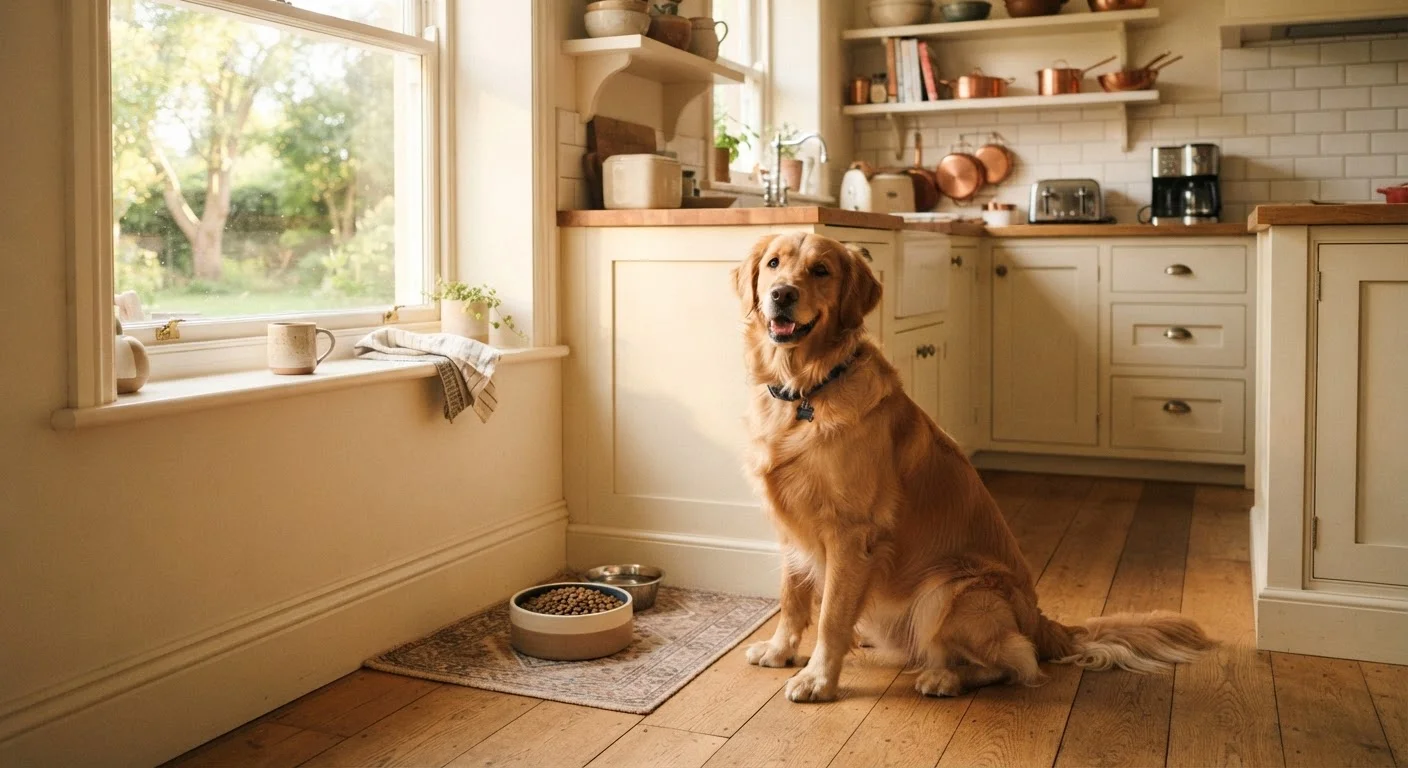
Wash food and water bowls every single day
Biofilm - a sticky bacterial layer - forms on bowl surfaces within hours. Leaving bowls unwashed allows harmful bacteria such as Salmonella and E. coli to proliferate, potentially causing gastrointestinal illness in pets. Stainless steel and ceramic bowls are easiest to sanitize thoroughly.
Scoop litter boxes at least once daily
Cats are fastidious by nature and may avoid a soiled box, leading to inappropriate elimination elsewhere. Daily scooping also limits ammonia buildup, which can irritate a cat's respiratory system, and reduces the window during which infectious oocysts shed in feces can become a transmission risk.
Spot-clean crates and bedding as soon as soiling occurs
Allowing urine or feces to sit in a crate degrades materials and dramatically increases bacterial load. Prompt spot-cleaning also prevents your pet from associating their space with persistent odors, which can cause stress or avoidance behavior.
Rinse and refill water sources daily for small animals, birds, and reptiles
Small animals, birds, and reptiles are particularly sensitive to contaminated water, which can introduce pathogens or algae rapidly. Bottle-style waterers for rabbits and rodents can accumulate slime at the tip and should be rinsed and checked daily.
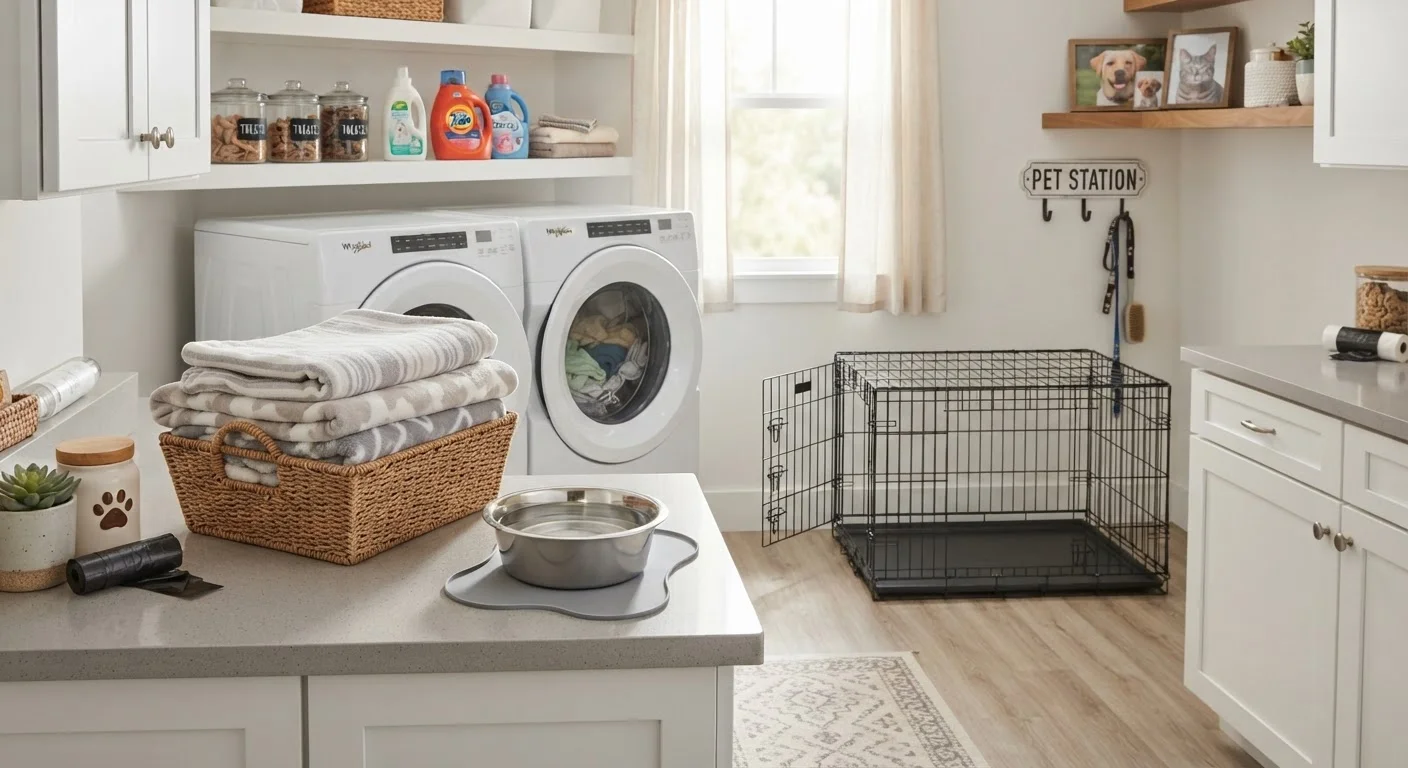
Launder soft bedding and crate liners weekly on a hot wash cycle
Fabric bedding harbors dander, dust mites, flea eggs, and bacteria that routine spot-cleaning cannot remove. Weekly hot laundering reduces these loads significantly and helps manage household allergens. Fragrance-free detergent is recommended to avoid skin irritation in sensitive pets.
Weekly and Monthly Deep Cleaning
Beyond daily tasks, scheduled deeper cleaning protects against buildup that daily spot-cleaning misses.
~65%
Pet bowls with detectable bacterial contamination
A National Sanitation Foundation study found pet food bowls ranked among the top four germiest household items, with bacterial contamination found in roughly two-thirds of bowls tested.
1-5 days
Window for Toxoplasma oocysts to become infectious in litter
According to the CDC, Toxoplasma gondii oocysts shed in cat feces generally take one to five days to become infectious, underscoring the importance of daily litter scooping.
Weekly: Launder all pet bedding, blanket liners, and removable crate pads on a hot cycle. Wipe down hard-surface crates and enclosures with a pet-safe cleaner. For cat owners, replace all litter and thoroughly scrub the box with unscented dish soap - avoid harsh chemical disinfectants that can leave toxic residue.
Monthly: Sanitize hard toys, wash fabric toys, and inspect pet sleeping areas for signs of fleas, ticks, or mold. Vacuum and wipe down any enclosure structures - shelving units, ramps, or tunnel accessories for small animals or rabbits. Refresh litter box liners if used.
Adjusting Frequency for Special Circumstances
Households with immunocompromised individuals, pregnant people, or very young children may need to clean pet spaces more frequently and take additional precautions - particularly around litter boxes. Similarly, if a pet is recovering from illness or receiving treatment, your veterinarian may recommend an adjusted cleaning protocol to support recovery and prevent reinfection. Always follow professional guidance in these situations.
Consistent deep cleaning also makes it easier to spot health warning signs early. If your pet suddenly refuses a space they usually love or you notice unusual odors, those can be signals worth discussing with a vet. Pairing good hygiene habits with routine care - like the guidance in this annual vet visit checklist - helps keep your pet's health picture complete.
Putting It All Together
A cleaning routine is most effective when it's integrated into your existing daily rhythm. Tying bowl washing to mealtimes, litter scooping to morning coffee, and bedding laundry to a set day of the week makes the habit stick without requiring constant mental effort.
“The environment your pet lives in is as much a part of their health as what they eat or how often they exercise. A clean space reduces chronic low-level stress and pathogen exposure in ways that compound over a pet's lifetime.”
— General veterinary preventive care guidance, Established principle in companion animal medicine
Consider building your pet's environment hygiene into a broader care routine. Resources like building a daily routine your dog can count on offer helpful frameworks for structuring all pet care tasks together. If your pet has a health condition, immune compromise, or you've recently introduced a new animal to the home, your veterinarian can advise on whether more frequent cleaning is warranted for your specific situation.
This article provides general pet care information and is not a substitute for professional veterinary advice. Consult your veterinarian with questions specific to your pet's health or environment.