
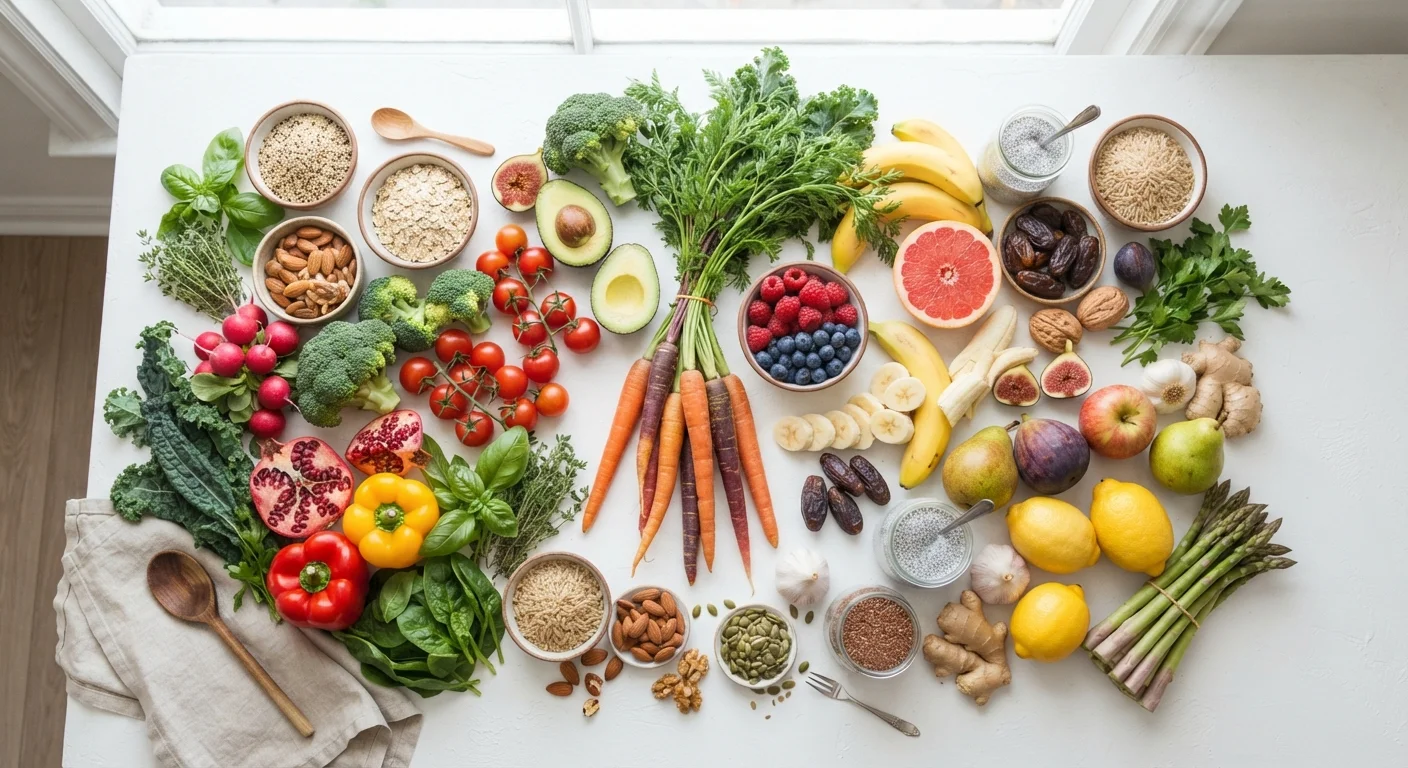
Why Nutrition Myths Spread So Easily
Nutrition is one of the most studied - and most misrepresented - fields in health science. With social media, marketing, and well-meaning friends all competing to offer dietary guidance, separating evidence from enthusiasm is harder than ever. Many widely repeated nutrition claims are either oversimplifications of real research, outdated findings that have since been revised, or marketing messages dressed up as health facts.
Understanding where these myths come from helps you evaluate new claims more critically. The myth-fact pairs below address some of the most common misconceptions circulating today, grounded in what current nutrition science actually demonstrates. As always, this article is general health education - not personal dietary advice. Consult a registered dietitian or healthcare provider before making significant changes to your eating habits.
For a closer look at how misleading patterns can slip into otherwise healthy routines, see common nutrition pitfalls that often go unnoticed.
Myth
Detox diets and juice cleanses remove harmful toxins from your body.
Fact
The body's liver, kidneys, and digestive system continuously process and eliminate waste - no commercial cleanse enhances this process.
The concept of "detoxing" through special diets or juice cleanses is not supported by clinical evidence. Your liver filters blood and metabolizes substances for excretion; your kidneys regulate waste removal through urine; your gut eliminates solid waste. These systems operate continuously and effectively in healthy individuals. No peer-reviewed research demonstrates that a commercial cleanse or juice fast meaningfully accelerates or improves this biological process. Many cleanse products are high in sugar and low in protein, which can leave people feeling fatigued rather than refreshed.
Myth
Fat-free and low-fat foods are always healthier than their full-fat versions.
Fact
Removing fat from food often requires adding sugar, salt, or artificial ingredients to maintain palatability - which can make the product less nutritious overall.
The fat-free food trend of the 1990s was based on the assumption that dietary fat directly caused weight gain and cardiovascular disease. Subsequent research has substantially complicated that picture. Healthy unsaturated fats - found in foods like avocados, nuts, and olive oil - are associated with positive cardiovascular outcomes. Meanwhile, many fat-free products compensate for flavor loss with added sugars and sodium. When evaluating any packaged food, the full nutrient profile matters more than a single "free" label claim.
Myth
Eating carbohydrates at night causes weight gain.
Fact
Weight change is driven by total energy balance over time, not the specific hour at which carbohydrates are consumed.
The idea that nighttime eating automatically leads to fat storage misrepresents how metabolism works. The body doesn't flip a metabolic switch at a specific time of evening. Research on meal timing is ongoing and nuanced - some studies suggest that large late meals may disrupt sleep for some individuals, but the primary driver of weight change remains total caloric intake relative to expenditure across the day. For most people, a modest evening snack that fits within their overall eating pattern is unlikely to have a significant independent effect on body composition.
Myth
Organic produce is significantly more nutritious than conventionally grown produce.
Fact
Studies comparing nutrient content between organic and conventional produce have found modest and inconsistent differences that are unlikely to be clinically meaningful.
Organic farming practices restrict synthetic pesticide and fertilizer use, which is a legitimate environmental and food-system concern. However, nutritional comparisons between organic and conventional crops have generally found small, inconsistent differences in vitamin and mineral content. A 2012 Stanford meta-analysis and subsequent research found no strong evidence that organic produce delivers substantially greater nutritional benefit. Eating a wide variety of vegetables and fruits - regardless of growing method - remains the more impactful dietary choice for most people.
Myth
You need to eat every two to three hours to "keep your metabolism going."
Fact
Meal frequency has minimal effect on metabolic rate in most healthy adults; total daily nutrient intake matters far more than how it is distributed across meals.
The claim that frequent small meals "stoke" the metabolism is often traced to a misinterpretation of the thermic effect of food - the energy the body expends digesting meals. While digestion does temporarily raise energy expenditure, this effect is proportional to the size of the meal, not the number of meals. Research comparing multiple small meals to fewer larger meals has not shown consistent metabolic advantages to high-frequency eating. Meal timing and frequency can be shaped by individual preference, hunger cues, and lifestyle rather than a prescribed schedule.
What the Evidence Actually Supports
Nutrition research is genuinely complex - studies vary in design, duration, and population, which means headlines can outpace the evidence. A single study rarely settles a question, and what's true at a population level may not apply to every individual.
95%
Americans falling short on dietary fiber
According to data cited by the Dietary Guidelines for Americans, the vast majority of U.S. adults do not meet recommended daily fiber intake levels.
~80%
Adults who report reading food labels
FDA consumer surveys have found that a large share of Americans look at nutrition labels, yet misinterpretation of claims like 'fat-free' remains widespread.
70+
Nutrition studies published daily worldwide
PubMed indexes tens of thousands of nutrition-related studies each year, contributing to a research landscape where individual findings are frequently overgeneralized in media coverage.
Rather than chasing dramatic dietary overhauls, most credible nutrition guidance points toward consistent, moderate habits: eating a variety of minimally processed whole foods, getting adequate dietary fiber, and understanding how caloric density affects fullness and intake. Learning to read food labels accurately also matters - decoding nutrition labels can reveal surprising differences between products that appear similar on the shelf.
This Is Education, Not Medical Advice
The information in this article is intended for general health education only. It does not constitute personalized dietary or medical advice. Nutrition needs vary based on individual health status, medications, and other factors. Always consult a registered dietitian, nutritionist, or your healthcare provider before making significant changes to your diet.
Good nutrition doesn't require expensive superfoods or elaborate protocols. Eating well on a budget is achievable with straightforward, evidence-based strategies that prioritize nutrient density over novelty.