Why the Layout of a Grocery Store Matters for Your Health
Most grocery stores are organized according to a logic that is not purely your convenience - product placement is designed to maximize exposure to high-margin items. Understanding this layout and working with it deliberately puts you in control of what ends up in your cart and, ultimately, on your plate.
The general rule of thumb dietitians often share is to shop the perimeter first. The outer ring of a typical American grocery store is where you find produce, proteins, and dairy - the whole, minimally processed foods that anchor a balanced diet. The center aisles, while containing plenty of useful staples, also hold the most heavily processed and calorie-dense packaged goods. That said, dismissing the center aisles entirely would mean missing out on whole grains, legumes, canned fish, and other nutritious options. A smarter approach is knowing what to look for in each zone. See our common nutrition pitfalls guide for patterns worth watching even when shopping with good intentions.
What you will need
Section-by-Section Guide to a Healthier Cart
Use the steps below as a practical walkthrough the next time you shop. Adapt the sequence to your store's specific layout, but the principles apply across most major supermarkets.
Start in the Produce Section
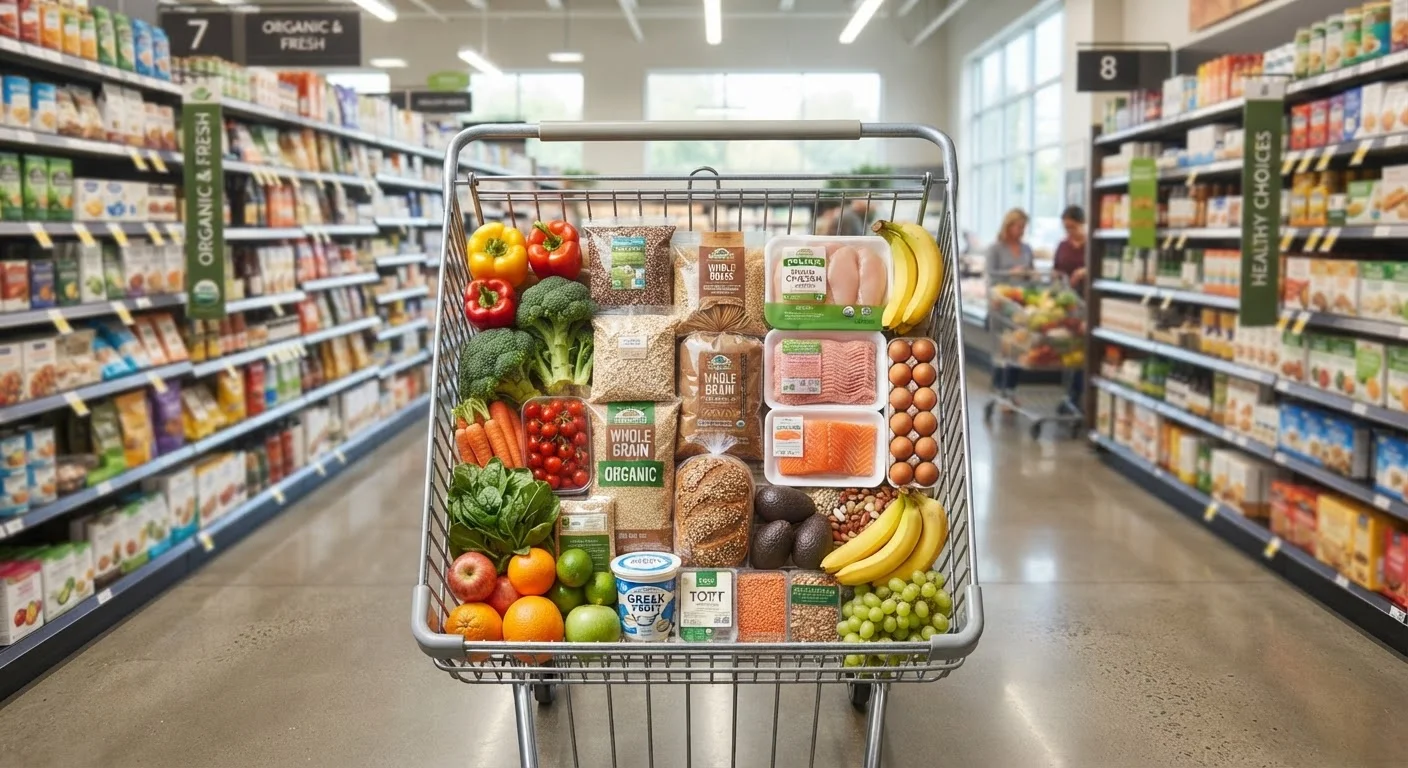
Begin your trip in the produce section and aim to fill roughly half your cart here. Prioritize a variety of colors - dark leafy greens, orange and red vegetables, and a mix of fruits - since color diversity generally reflects a broader range of vitamins, minerals, and antioxidants. Pick what you will realistically eat within the week to minimize waste.
Move to the Protein Section (Meat, Seafood, and Alternatives)
Choose proteins with an eye toward variety across the week. Lean cuts of poultry, fish (especially fatty fish like salmon or sardines, which provide omega-3 fatty acids), and plant-based proteins such as tofu and tempeh each bring different nutrient profiles. Limit highly processed deli meats and sausages, which tend to be high in sodium and preservatives.
Navigate the Dairy and Egg Aisle
Dairy products offer calcium, protein, and in the case of fortified options, vitamin D. Choose plain, unsweetened yogurt when possible - flavored varieties often contain significant added sugar. Eggs are a versatile, affordable source of high-quality protein. If you consume dairy alternatives (oat, almond, soy milk), look for unsweetened versions that are fortified with calcium and vitamin D.
Select Whole Grains from the Center Aisles
In the bread, grain, and cereal aisles, look for products where whole grain appears as the first ingredient. Useful staples include rolled oats, brown rice, whole wheat pasta, quinoa, and 100% whole grain bread. These provide fiber and B vitamins that refined grains largely lack. Check nutrition labels: aim for at least 3 grams of fiber per serving in grain products.
Add Canned and Frozen Staples Strategically
Canned beans, lentils, chickpeas, tomatoes, and fish are nutritious, shelf-stable, and economical. For canned goods, choose low-sodium or no-salt-added versions when available, or rinse canned beans and vegetables under water to reduce sodium by a meaningful amount. Frozen vegetables and fruits with no added sauces or sugars are equally nutritious to fresh and extend your options through the week.
Read Labels on Packaged and Processed Items
When selecting packaged foods - sauces, soups, snack items, condiments - scan the nutrition label for three key figures: sodium, added sugars, and saturated fat. The ingredient list is equally informative: a shorter list with recognizable ingredients generally indicates less processing. This is also where marketing language on the front of packaging ("natural," "multigrain," "light") can be misleading - the label on the back tells the real story.
Shop With a List, Leave With Less Regret
Shoppers who bring a written list have been shown in consumer research to make more deliberate, planned purchases and are less susceptible to impulse buying. Organize your list by store section to move efficiently and reduce backtracking. A structured list also helps you apply the principles from each step above before you even enter the store.
Putting It All Together at Home
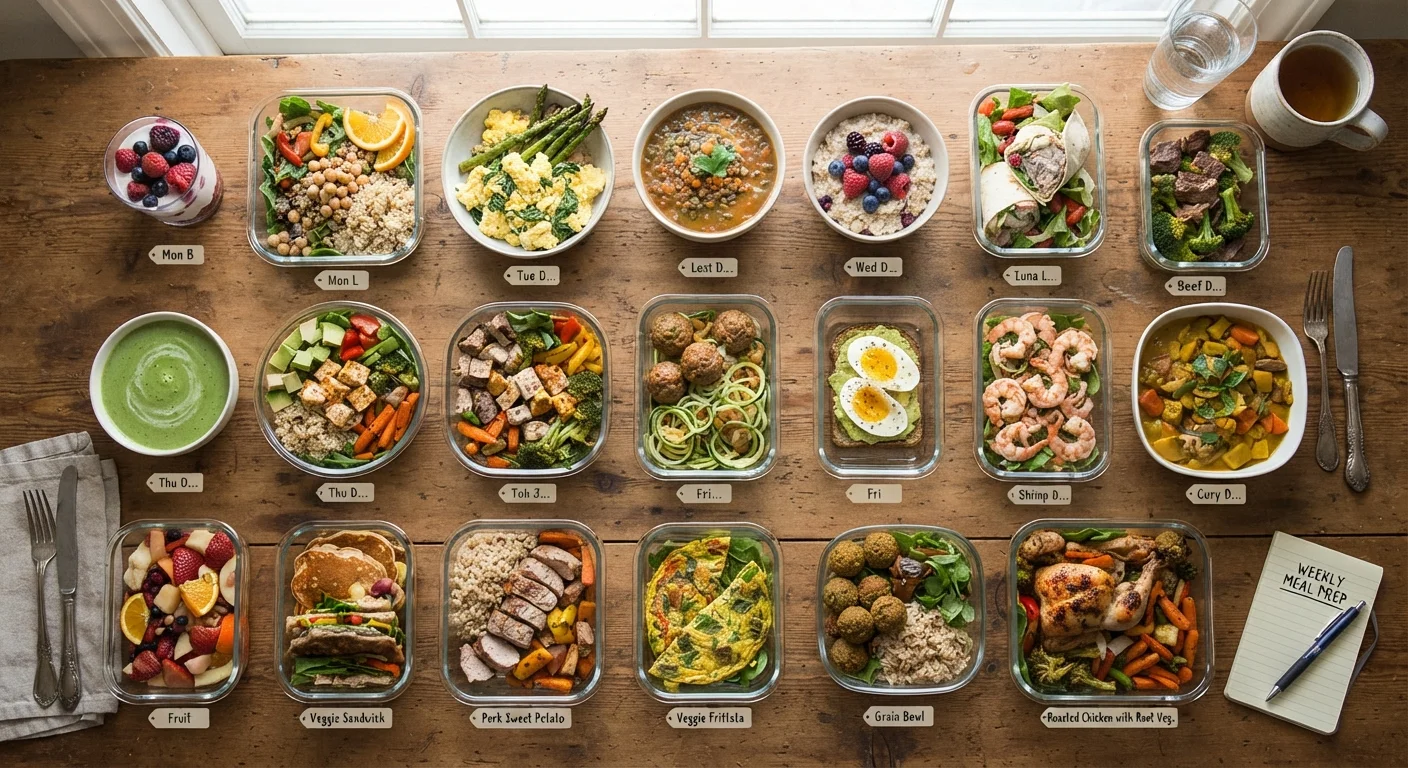
A well-built grocery cart is a foundational step, but nutrition gains come from consistent habits day after day. Once your kitchen is stocked with whole foods from each section of the store, the daily work of preparing balanced meals becomes significantly easier. For a practical look at what that can look like, our week of balanced eating guide shows how sound grocery choices translate directly into realistic daily meals.
If budget is a concern - and it often is - know that many of the most nutritious foods, including dried lentils, frozen vegetables, canned fish, and rolled oats, are also among the most affordable. The eating well on a budget guide outlines core strategies for maintaining nutrition quality without overspending. To regularly check whether your choices are supporting your goals, try the weekly nutrition self-check as a simple reflection tool.
Nutrition Needs Vary by Individual
General grocery guidance applies to most healthy adults but may not account for specific health conditions, food allergies, intolerances, or age-related needs. Children, older adults, pregnant individuals, and those managing chronic conditions should consult a registered dietitian or healthcare provider to tailor food choices to their specific circumstances.
This article is for general informational and educational purposes only and is not a substitute for personalized nutrition or medical advice. Consult a registered dietitian or qualified healthcare professional for guidance specific to your health needs.