Why Budget and Nutrition Aren't at Odds
A common assumption is that healthy eating demands premium ingredients and a generous grocery budget. The evidence doesn't support that. Many of the most nutrient-dense foods available - dried lentils, oats, eggs, canned sardines, frozen spinach - rank among the lowest-cost items in any supermarket. The gap between "eating healthy" and "eating cheap" is often a gap in strategy, not income.
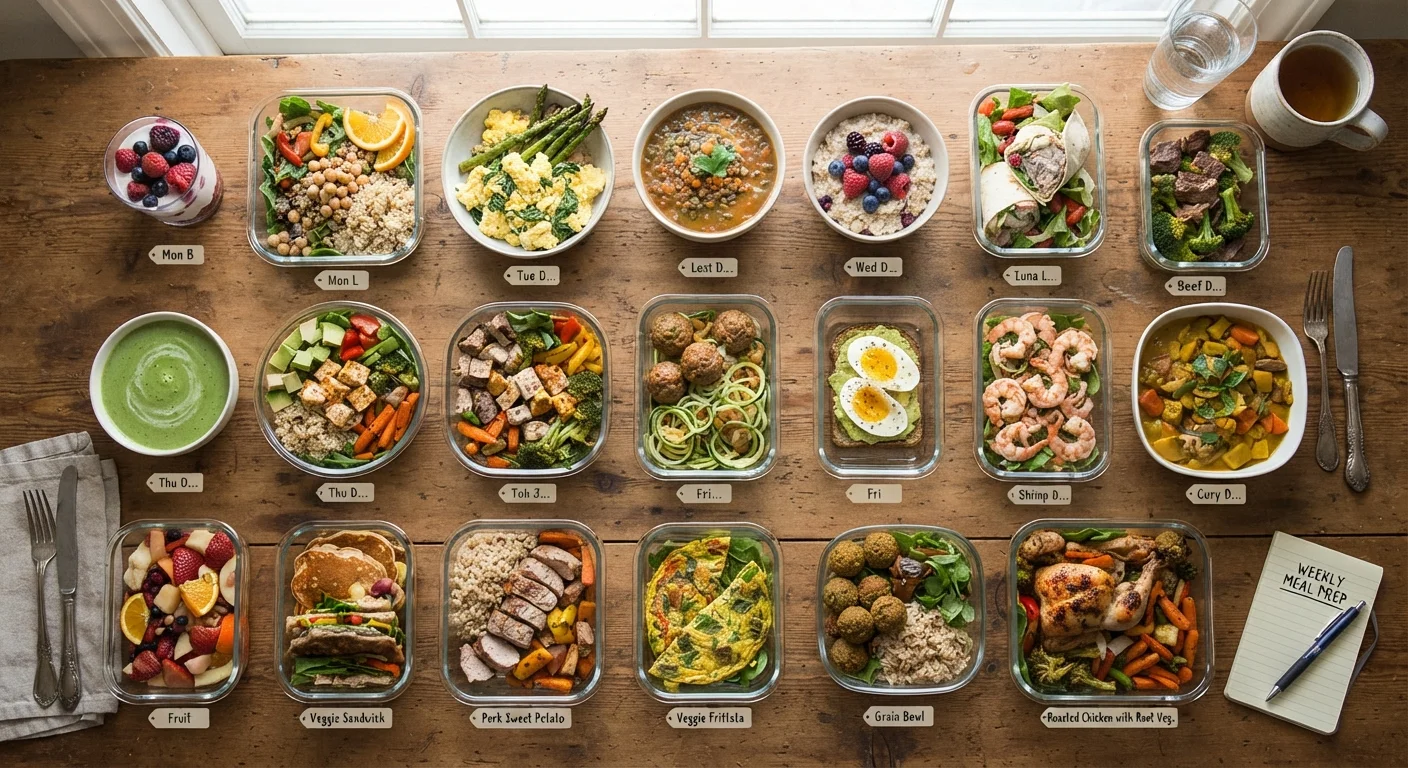
What makes budget eating difficult isn't the cost of nutritious food itself, but the friction involved: planning, cooking time, and knowing which trade-offs matter. This article addresses those friction points directly, offering principles grounded in nutrition science rather than marketing. For a closer look at what balanced daily eating actually looks like in practice, see a week of balanced eating.
Build meals around legumes and whole grains as your primary protein and carbohydrate sources.
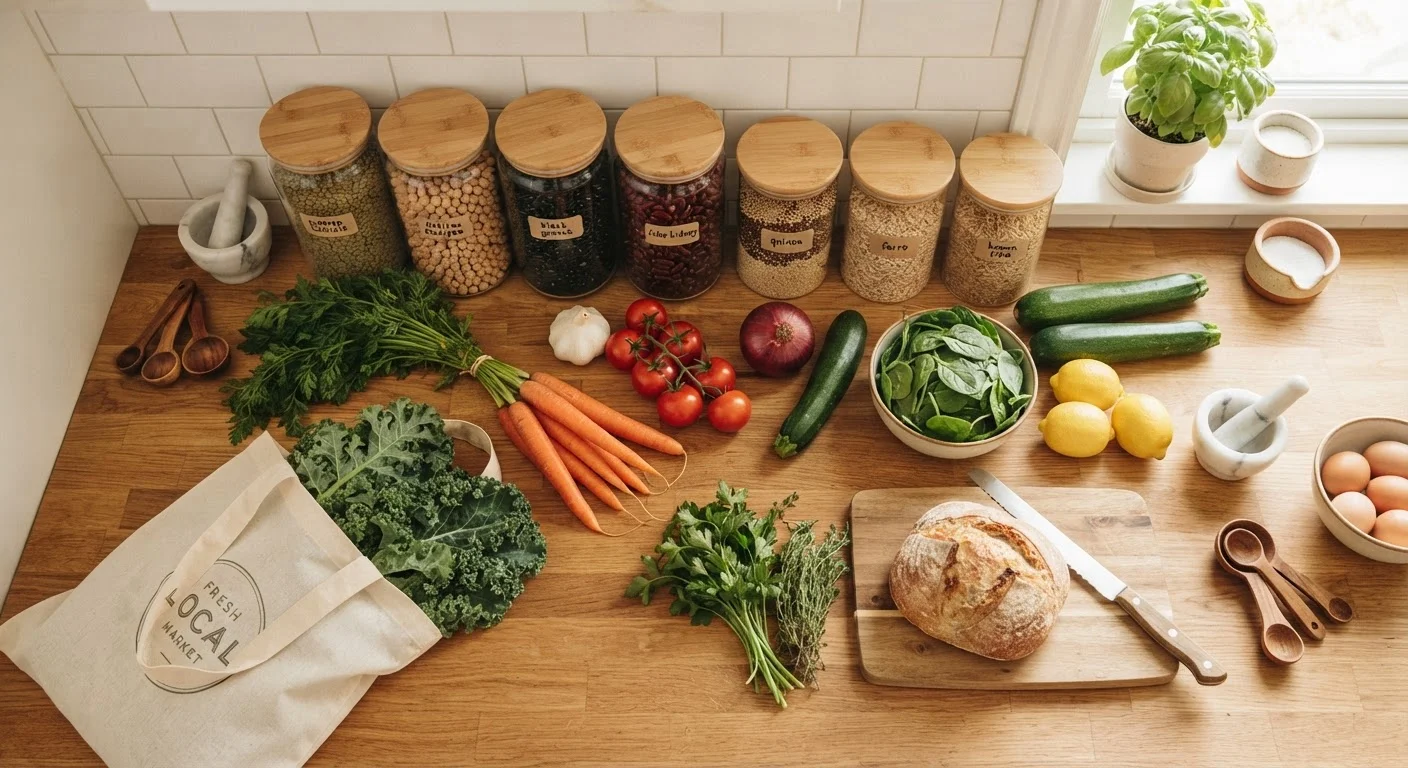
Dried beans, lentils, chickpeas, and whole grains like oats and brown rice are nutritionally dense and extraordinarily affordable. They provide protein, fiber, and essential micronutrients at a fraction of the cost of animal proteins or refined grains.
Rely on frozen and canned vegetables rather than assuming fresh is nutritionally superior.
Fruits and vegetables are typically frozen or canned at peak ripeness, which locks in most of their nutrients. Studies have found nutrient levels in frozen produce are comparable to - and sometimes higher than - fresh produce that has spent days in transit and storage.
Plan a weekly meal template before you shop, not after.
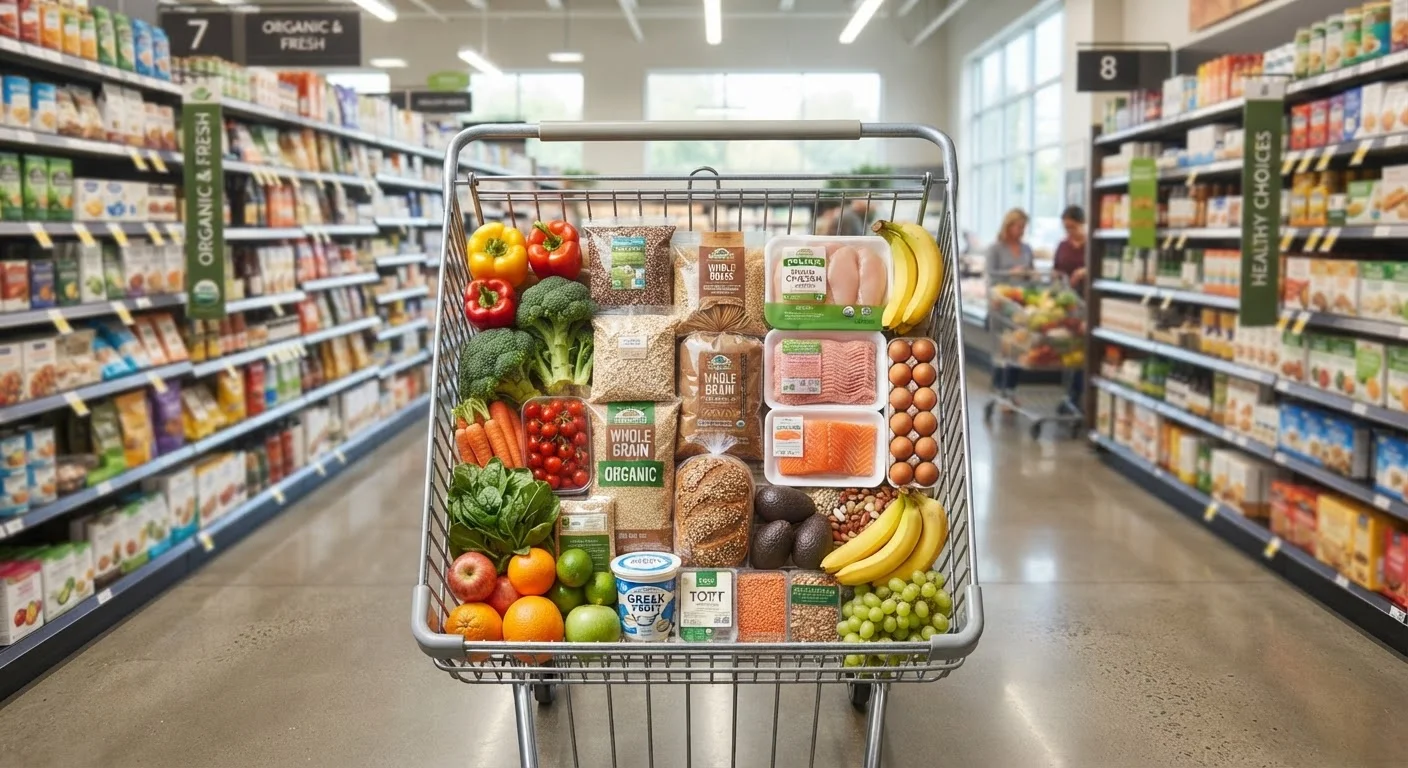
Shopping without a plan leads to impulse purchases, duplicated ingredients, and food waste - all of which inflate costs without improving nutrition. A simple template that maps out five to seven dinners reduces both decision fatigue and unnecessary spending.
Prioritize eggs and canned fish as cost-effective complete protein sources.
Both eggs and canned fish (sardines, tuna, salmon) deliver high-quality protein along with important micronutrients like vitamin D, B12, and omega-3 fatty acids. They require minimal preparation and have a long shelf life, reducing waste.
Buy staple dry goods in bulk when storage allows.
Per-unit costs for dried grains, legumes, nuts, and seeds drop substantially when purchased in larger quantities. Over weeks and months, this approach meaningfully reduces the per-meal cost of nutrient-dense eating without requiring a large upfront investment each time.
Core Practices for Stretching Your Food Dollar
The following principles are both evidence-backed and practically tested. Each one addresses a specific lever - food selection, purchasing habits, or preparation strategy - that directly affects both cost and nutritional quality.
Even well-intentioned eaters have blind spots. It's worth periodically reviewing your habits against a framework like the weekly nutrition self-check to confirm your approach is holding up over time.
What Budget Eating Often Gets Wrong
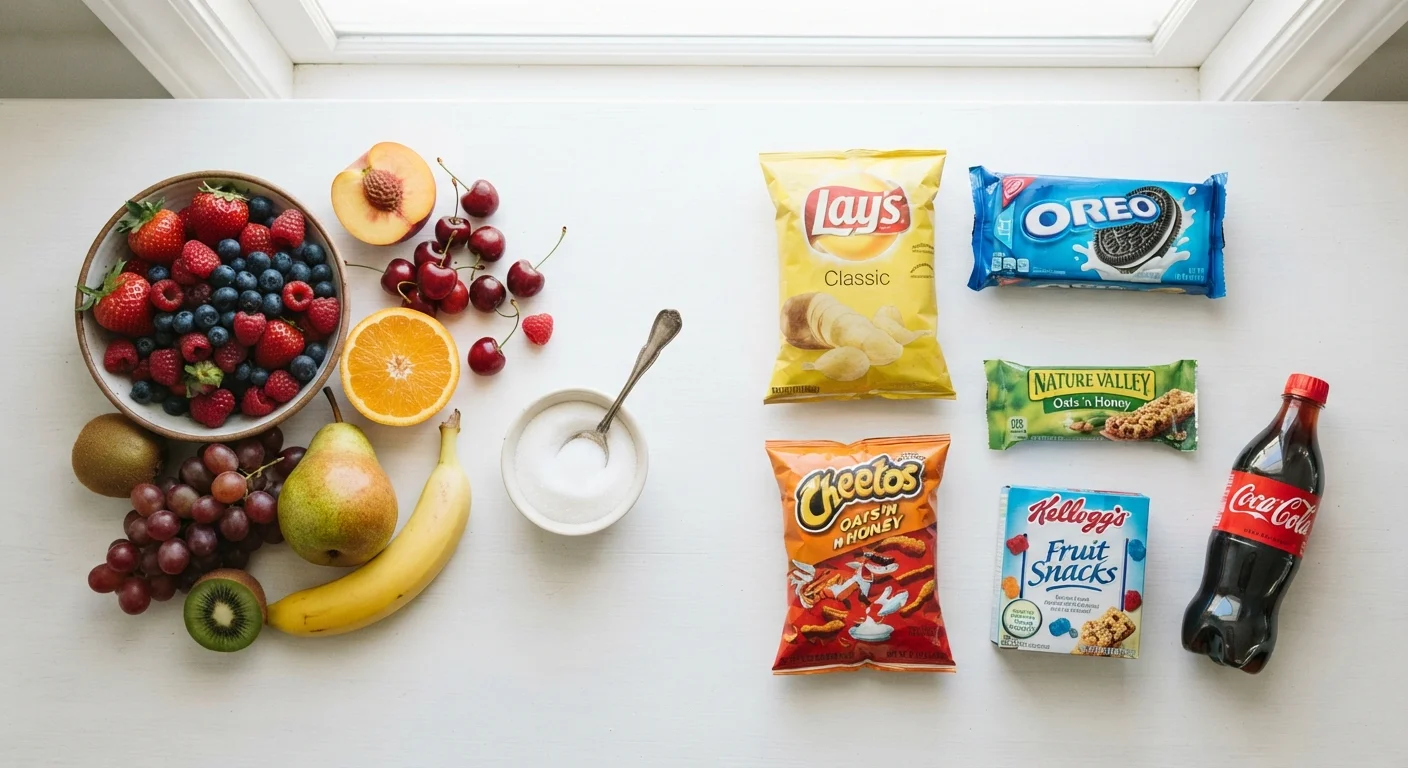
Cutting food costs can backfire nutritionally if the wrong things get cut first. Produce and protein are often the first to go when budgets tighten - yet these are the categories most worth protecting. Ultra-processed convenience foods may appear cheaper per package but tend to deliver fewer nutrients per calorie and can contribute to a diet pattern associated with poorer health outcomes over time.
Whole Foods vs. Processed: A Cost-Per-Nutrient Perspective
When comparing food costs, the most useful metric isn't price per package - it's nutrition delivered per dollar spent. A bag of lentils may cost more upfront than a box of instant noodles, but it provides dramatically more protein, fiber, iron, and folate per serving. Framing grocery decisions around nutrient density rather than sticker price tends to produce better outcomes for both health and budget over time.
It's also worth scrutinizing products marketed as "healthy" at a premium price. Research consistently shows that nutritional value doesn't scale with cost. Many popular nutrition claims are driven more by marketing than evidence - an important reminder when navigating store aisles on a limited budget.
~$1.50
Average cost per serving of dried legumes
USDA Economic Research Service data consistently ranks dried beans and lentils among the lowest-cost protein sources available in the American food supply.
30-40%
Estimated share of food Americans waste at home
According to USDA estimates, the average American household wastes a substantial portion of purchased food - a key driver of inflated grocery costs that meal planning can directly reduce.
Fiber is one nutrient that budget eaters tend to get right - or can easily get right - since high-fiber foods like beans, lentils, and oats are inexpensive. Most Americans fall short on fiber, making this a meaningful area where budget eating can actually outperform the typical American diet.
This article is for general informational and educational purposes only and is not a substitute for personalized dietary or medical advice. Please consult a qualified healthcare professional or registered dietitian for guidance tailored to your individual health needs.