Understanding What Your Car Actually Needs
A car is a collection of interdependent systems - engine, transmission, brakes, suspension, electrical, and more - each with its own maintenance requirements. New drivers often feel overwhelmed by this complexity, but most of what you need to know in your first year comes down to a handful of fundamentals.
The single most underused resource available to every car owner is the owner's manual. It contains mileage-based service intervals, fluid specifications, tire pressure recommendations, and warning light explanations specific to your vehicle - not a generic car. If you haven't opened yours yet, our guide to reading your owner's manual explains exactly what to look for.
Owner's manual
The booklet (or digital document) provided with every vehicle that contains manufacturer-specified maintenance schedules, fluid types, warning light explanations, and operating instructions unique to that model.
Dipstick
A long, slender rod you pull out of the engine to check the level and condition of the oil. Markings on the end show whether the oil is within the acceptable range.
Coolant (antifreeze)
A liquid mixture, typically of water and ethylene glycol, that circulates through the engine to absorb heat and prevent both overheating and freezing.
Deductible
The fixed dollar amount an insured person pays out of pocket on a covered claim before the insurance company pays the remaining balance.
Tread depth
The measurement of the grooves in a tire's surface. Sufficient tread depth is critical for channeling water away and maintaining grip, especially in wet conditions.
Check-engine light
A dashboard warning indicator that illuminates when the vehicle's onboard diagnostics system detects a fault in the engine or emissions system. It requires professional diagnosis to identify the specific cause.
Understanding how your engine converts fuel into motion also helps you appreciate why certain maintenance steps matter. For a plain-language explanation, see how a car engine turns fuel into motion.
Fluids, Filters, and Routine Maintenance Explained
Vehicles rely on several fluids to operate safely, and letting any of them fall critically low can cause damage that far exceeds the cost of a routine check. Here are the ones every new driver should know:
- Engine oil lubricates moving parts and reduces heat. Check it monthly with the dipstick when the engine is cool and the car is on level ground.
- Coolant (antifreeze) regulates engine temperature. Check the overflow reservoir - never open a hot radiator cap.
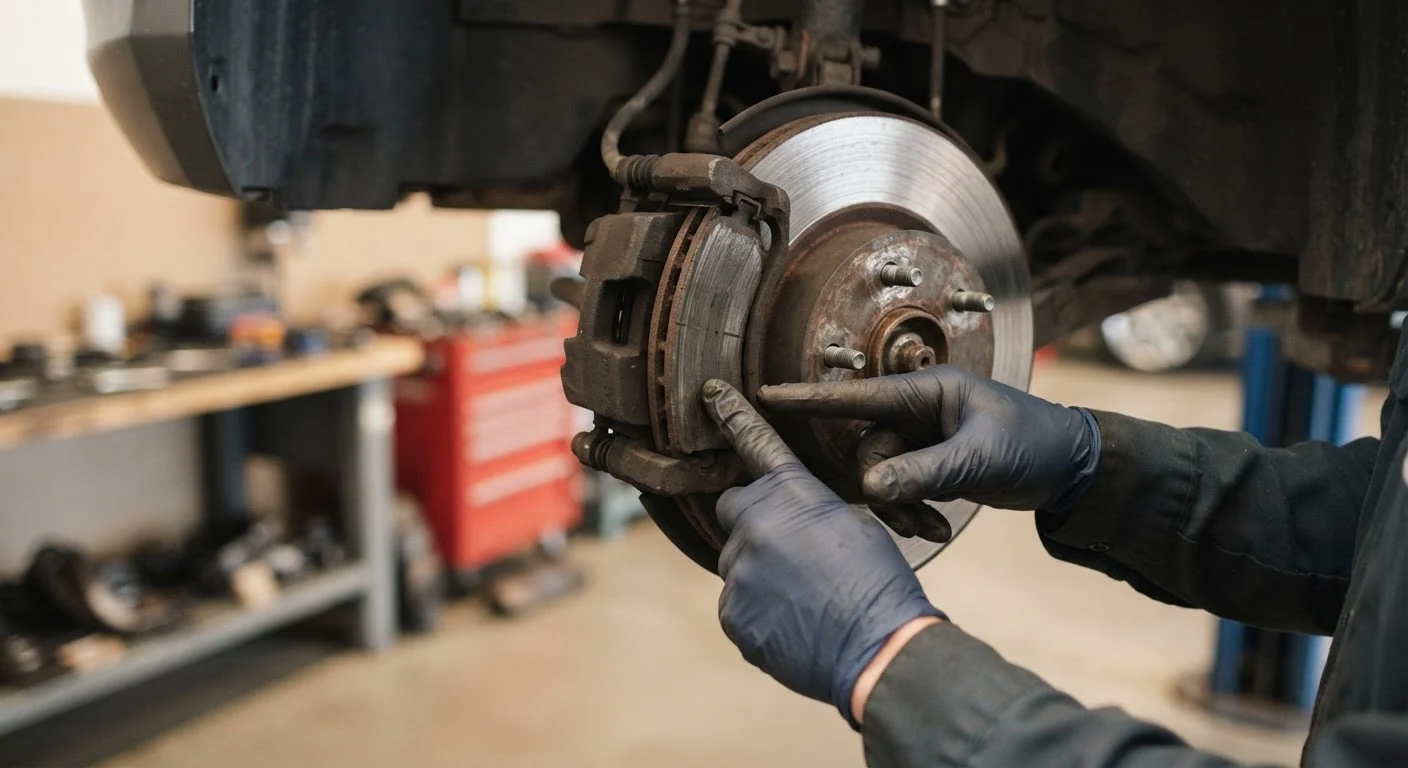
- Brake fluid transfers hydraulic pressure through your brake lines. Low or dark fluid warrants a mechanic's inspection.
- Transmission fluid keeps gear changes smooth. Many modern vehicles have sealed transmissions; check your manual for whether and how yours is serviceable.
- Windshield washer fluid is low-stakes but worth keeping full for visibility.
Check Fluids When the Engine Is Cold
Many fluid checks - especially engine oil and coolant - give more accurate readings when the engine hasn't been running. Make it a habit to check them first thing in the morning before a drive, with the vehicle parked on level ground. This takes less than five minutes and can alert you to a developing problem before it becomes serious.
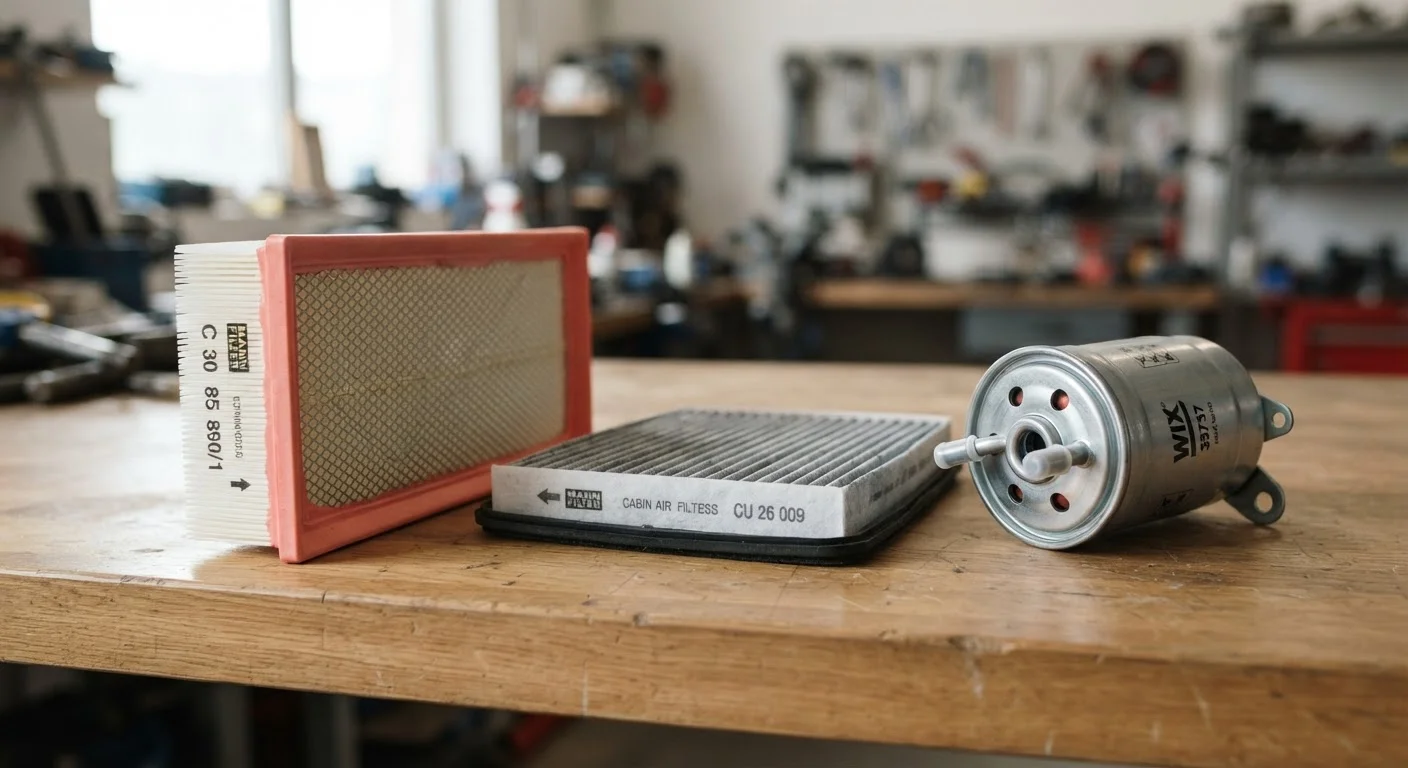
Beyond fluids, filters keep contaminants out of critical systems. Your engine air filter affects performance and fuel efficiency. Your cabin air filter affects the air you breathe inside the car. Both are typically straightforward to inspect and replace on a schedule your owner's manual specifies. For a broader overview of upkeep tasks, visit the Car Maintenance hub.
Decoding Insurance and Repair Estimates
Car insurance is legally required in nearly every U.S. state, but policies are written in terminology that confuses many first-time owners. A few key concepts to understand:
- Liability coverage pays for damage or injury you cause to others. It does not cover your own vehicle.
- Collision coverage pays to repair your vehicle after an accident, regardless of fault, minus your deductible.
- Comprehensive coverage covers non-collision events: theft, weather damage, falling objects, and similar incidents.
- Deductible: the fixed amount you pay before insurance covers the rest of a claim.
- Premium: the amount you pay - typically monthly or semi-annually - to keep your policy active.
Verbal Estimates Are Not Binding
Always request a written repair estimate before authorizing any work. In many states, repair shops are legally required to provide a written estimate and obtain your approval before exceeding it. A verbal quote provides little protection if the final bill is significantly higher than discussed.
When you receive a repair estimate, ask the shop to break out parts and labor as separate line items. This makes it easier to ask informed questions and to compare estimates from different shops. Keep in mind that dealerships, independent shops, and specialty mechanics may all price labor differently. A repair that seems expensive may be reasonable once you understand what's involved - and vice versa. Managing vehicle repair costs connects directly to personal financial planning; the Saving & Debt hub offers guidance on building the kind of emergency fund that makes unexpected car bills less stressful.
Building Smart Ownership Habits from Day One
The drivers who get the most out of their vehicles - and face the fewest surprise repair bills - tend to share a set of consistent habits rather than any specialized knowledge.
- Keep a maintenance log. Record every service, fluid top-off, and repair with the date and mileage. This helps you stay on schedule, supports warranty claims, and adds verifiable history if you ever sell the vehicle.
- Act on warning lights promptly. Ignoring a check-engine light won't make the problem go away; in some cases it allows a small issue to become a larger one. Have codes read at a repair shop - many will do this at no charge - before deciding on next steps.
- Check your tires regularly. Correct tire pressure (found on a sticker inside the driver's door jamb, not on the tire sidewall) affects fuel efficiency, handling, and tire life. Inspect tread depth and look for uneven wear, which can indicate an alignment or suspension issue.
- Don't ignore unusual sounds or smells. Squealing brakes, a burning smell, or a new vibration are your car communicating a change in condition. Describing these accurately to a mechanic helps them diagnose faster and more accurately.
It also pays to separate automotive fact from persistent myth before bad advice costs you money or safety. Common car myths that have been steering drivers wrong is a useful read once you've covered the basics. And if you're still building confidence on the road itself, Road Safety from Day One addresses the habits and awareness skills that complement everything covered here.