Why the Owner's Manual Is More Useful Than Most Drivers Realize
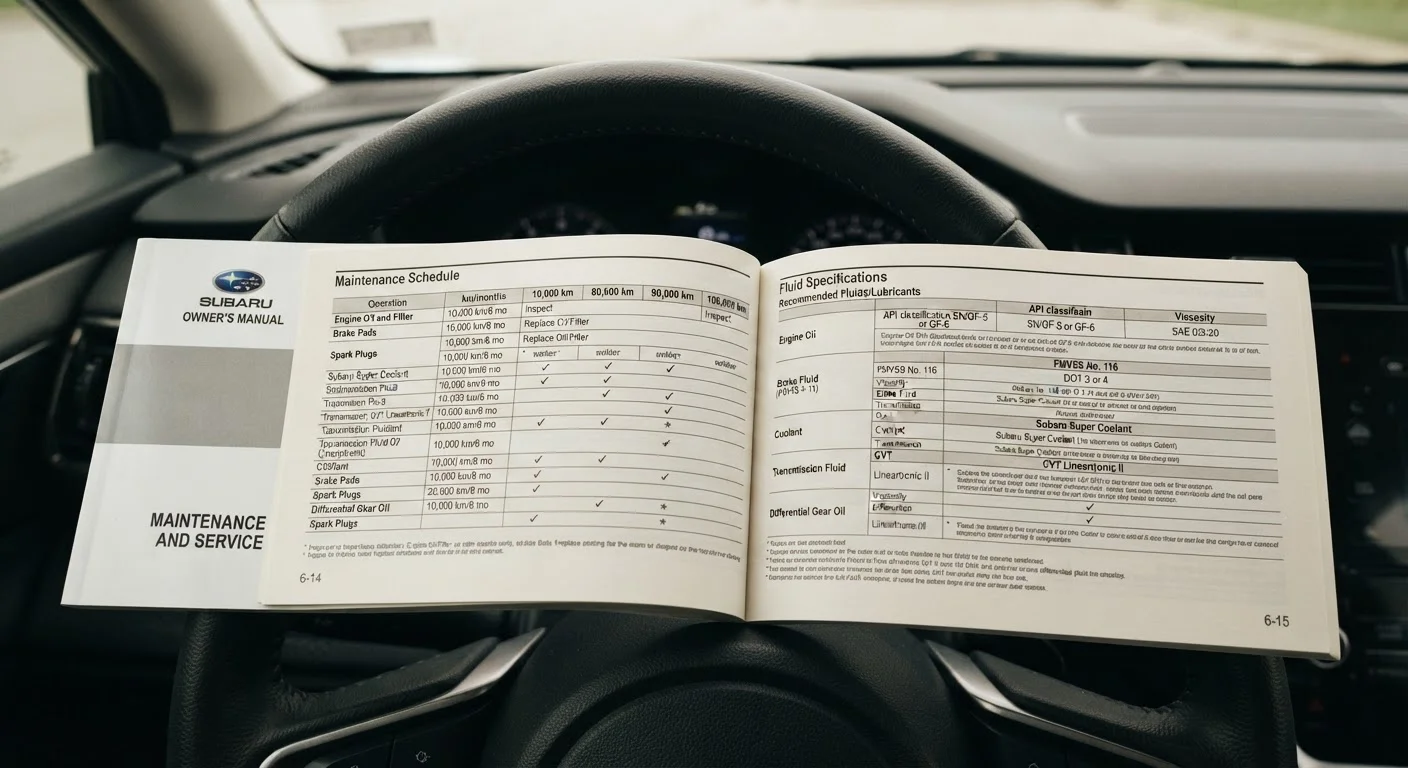
The owner's manual is the single document that contains manufacturer-specified, model-specific guidance for your exact vehicle - not a generalized average, not a shop's upsell recommendation, and not a rule of thumb passed down over decades of automotive folklore. Yet surveys consistently show that a significant share of drivers have never opened theirs beyond a quick glance at the dashboard lights.
Generic service advice - from quick-lube shops, well-meaning friends, or outdated rule-of-thumb intervals - may not reflect what your specific engine, transmission, or cooling system actually requires. Using the wrong oil viscosity, extending a timing belt replacement past its specified mileage, or skipping a brake fluid flush can all create real mechanical problems over time. The manual closes that gap between guesswork and accuracy.
Understanding your manual also helps you become a more informed service customer. When you know what your car actually needs, you're better positioned to ask the right questions, evaluate a repair estimate, and prioritize what actually matters when your budget is limited. It's also foundational knowledge for anyone interested in keeping a high-mileage vehicle running reliably.
Find a Digital Copy If Yours Is Missing
If your physical manual is lost, most manufacturers publish PDF versions on their official websites - search your make, model, and year followed by "owner's manual PDF." Some automakers also provide interactive digital versions through their owner portals. Keep a copy on your phone for quick reference at the shop.
What to Do With the Information You Find
Once you've worked through the steps above, you'll have a clear picture of where your vehicle stands relative to its maintenance requirements. Use that information proactively:
- Schedule overdue services promptly. Delaying a timing belt replacement or coolant flush past its interval isn't a savings - it's a risk transfer to a potentially larger repair bill.
- Verify fluid specs at every service visit. Ask the shop to confirm they're using the type specified in your manual, not just whatever is on the shelf.
- Set calendar reminders. For time-based services (like brake fluid every two years), a reminder takes 30 seconds to set and can prevent an easily avoided oversight.
- Use your manual before calling a mechanic. Many questions about dashboard lights, fluid levels, or tire pressure specifications are answered directly in the manual - often faster than waiting on hold. For correct tire inflation figures, the manual (and the sticker inside your driver's door jamb) is more accurate than the number molded into the tire sidewall. See our tire pressure guide for more context.
Severe Duty Intervals Are Shorter for Good Reason
If your driving profile matches the severe-duty definition in your manual - frequent short trips, stop-and-go traffic, towing, dusty environments, or extreme temperatures - use the shorter service intervals listed. Treating severe-duty driving as normal use accelerates wear on oil, filters, and other consumables. When in doubt, consult a qualified mechanic about which schedule applies to you.
If you'd like a broader foundation in vehicle systems - understanding what components like a serpentine belt, CV joint, or caliper actually do - our guide to the parts of your car you should know by name is a practical companion to the manual-reading process.
Don't Follow Generic Mileage Rules Blindly
The widely repeated "change your oil every 3,000 miles" rule is outdated for most modern vehicles. Your owner's manual specifies the correct interval for your engine and oil type - often 5,000 to 10,000 miles or more. Following an unnecessarily short interval wastes money; following an interval that's too long can damage your engine. The manual is your authoritative source.