Why Aggressive Driving Is a Serious Safety Issue
Aggressive driving is not merely a matter of bad manners - it's a documented contributor to crashes, injuries, and fatalities on American roads. According to the AAA Foundation for Traffic Safety, nearly 80% of drivers reported experiencing significant anger, aggression, or road rage behind the wheel at some point. More concerningly, aggressive driving behaviors such as speeding and failure to yield are cited in a substantial portion of fatal crashes each year.
Understanding this risk is the first step toward responding to it constructively. As part of a broader commitment to safer driving habits and road awareness, recognizing aggressive behavior - both in other drivers and in yourself - is a critical skill.
~80%
Drivers who report significant anger or aggression behind the wheel
According to a multi-year study by the AAA Foundation for Traffic Safety on aggressive driving behaviors.
66%
Of traffic fatalities linked to aggressive driving
The NHTSA has associated aggressive driving behaviors with a substantial share of fatal crash reports on U.S. roads.
37%
Of aggressive driving incidents involve a firearm
Everytown for Gun Safety analysis of road rage incidents in the U.S. found firearms present in a significant portion of cases.
Recognizing the Warning Signs
Aggressive driving rarely appears without warning. Common behavioral indicators include:
- Tailgating: Following too closely to pressure the driver ahead to speed up or move over.
- Excessive horn use or flashing lights: Used to intimidate rather than communicate a hazard.
- Erratic lane changes: Weaving between lanes without signaling to gain positions in traffic.
- Verbal threats or gestures: Shouting, obscene gestures, or deliberate eye contact meant to provoke.
- Blocking or cutting off: Intentionally preventing another vehicle from merging or passing.
The distinction between an isolated lapse in judgment and a sustained pattern of behavior matters. A single hasty lane change is different from a driver who repeatedly targets another vehicle. Defensive driving principles include scanning for these cues early so you can increase distance and reduce exposure.
Common Triggers - and How to Manage Your Own Response
Most aggressive driving incidents don't begin with malice - they begin with stress. Running late, dealing with a difficult day, or encountering a driver who seems inconsiderate can all lower the emotional threshold for a frustrated reaction. The anonymity of being inside a vehicle also plays a role: people often behave behind the wheel in ways they wouldn't in a face-to-face situation.
Build a Buffer Into Your Departure Time
One of the most effective ways to reduce driving stress is to leave earlier than you think you need to. Even a 10-minute buffer can transform a tense, time-pressured commute into a manageable one. When you're not racing the clock, minor delays lose much of their emotional charge.
Self-awareness is a practical tool. If you notice your grip tightening on the wheel, your breathing becoming shallow, or your thoughts fixating on another driver's behavior, those are signals worth heeding. Building the habit of leaving earlier, listening to calming audio, and accepting that some delays are unavoidable can meaningfully reduce the likelihood of reactive driving. For a broader look at the deliberate habits that separate experienced drivers from reactive ones, see safe driving habits that experienced drivers build over time.
How to Respond Safely to an Aggressive Driver
When you encounter aggressive behavior from another driver, the goal is de-escalation - not justice. Retaliating, even with a gesture or a horn tap, risks transforming a one-sided situation into a mutual confrontation.
Practical steps include:
- Don't engage. Avoid eye contact, gestures, and any response that could be interpreted as a challenge.
- Increase your following distance. Give an aggressive driver more space so you have more time to react.
- Change your route if possible. Taking an exit or alternate road removes you from the situation entirely.
- Never stop your vehicle to confront someone. Confrontations outside vehicles have escalated to physical violence and worse.
- If threatened, drive to safety. Head toward a populated, well-lit area such as a gas station or police station and call 911.
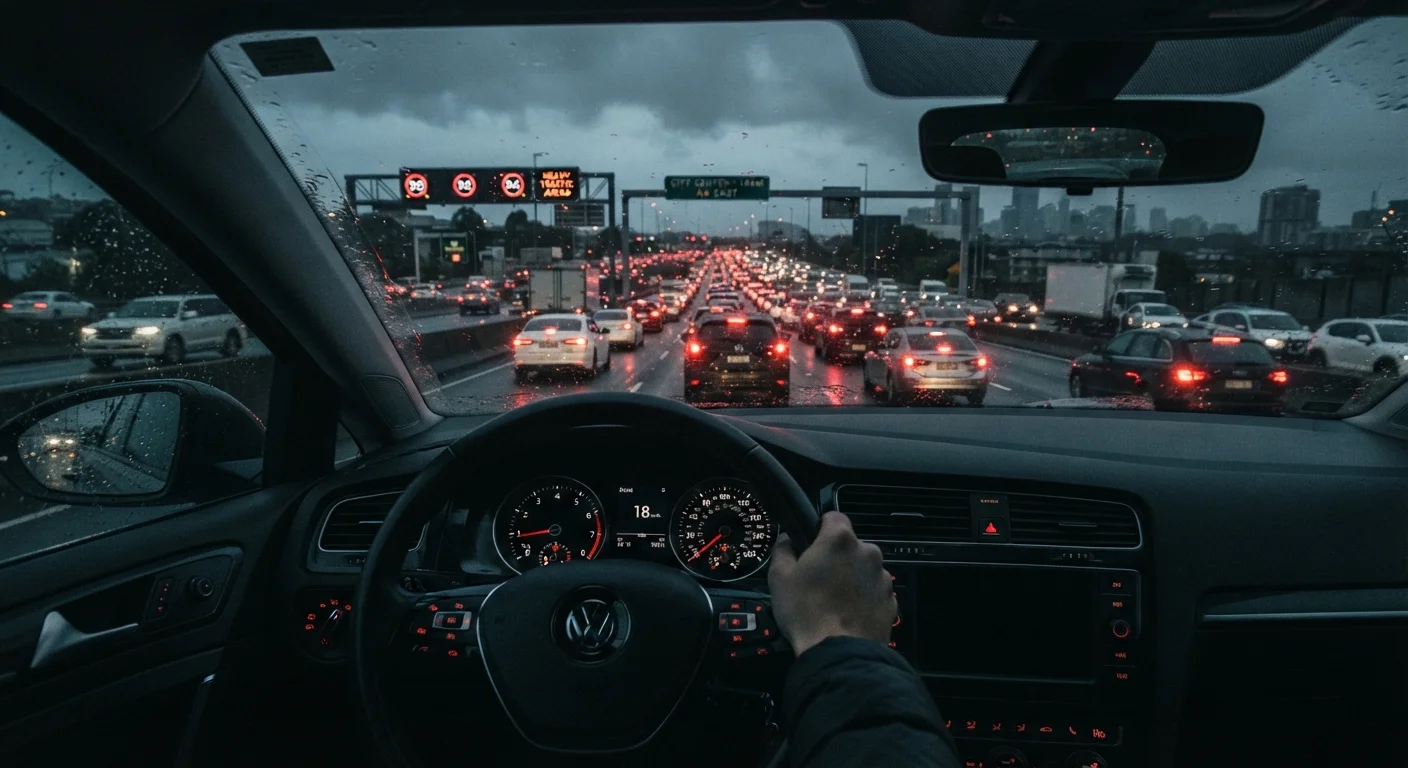
Driving contexts matter too - congested urban roads and isolated rural stretches each carry their own dynamics. Understanding how driving environments differ can help you anticipate where tension is most likely to surface.
When to Involve Law Enforcement
If another driver follows you, blocks your path, exits their vehicle in a threatening manner, or displays a weapon, treat it as an emergency and call 911. Do not attempt to handle the situation independently. Provide dispatchers with your location, a description of the vehicle, and the direction of travel. Your safety is the priority - let trained professionals manage the confrontation.