
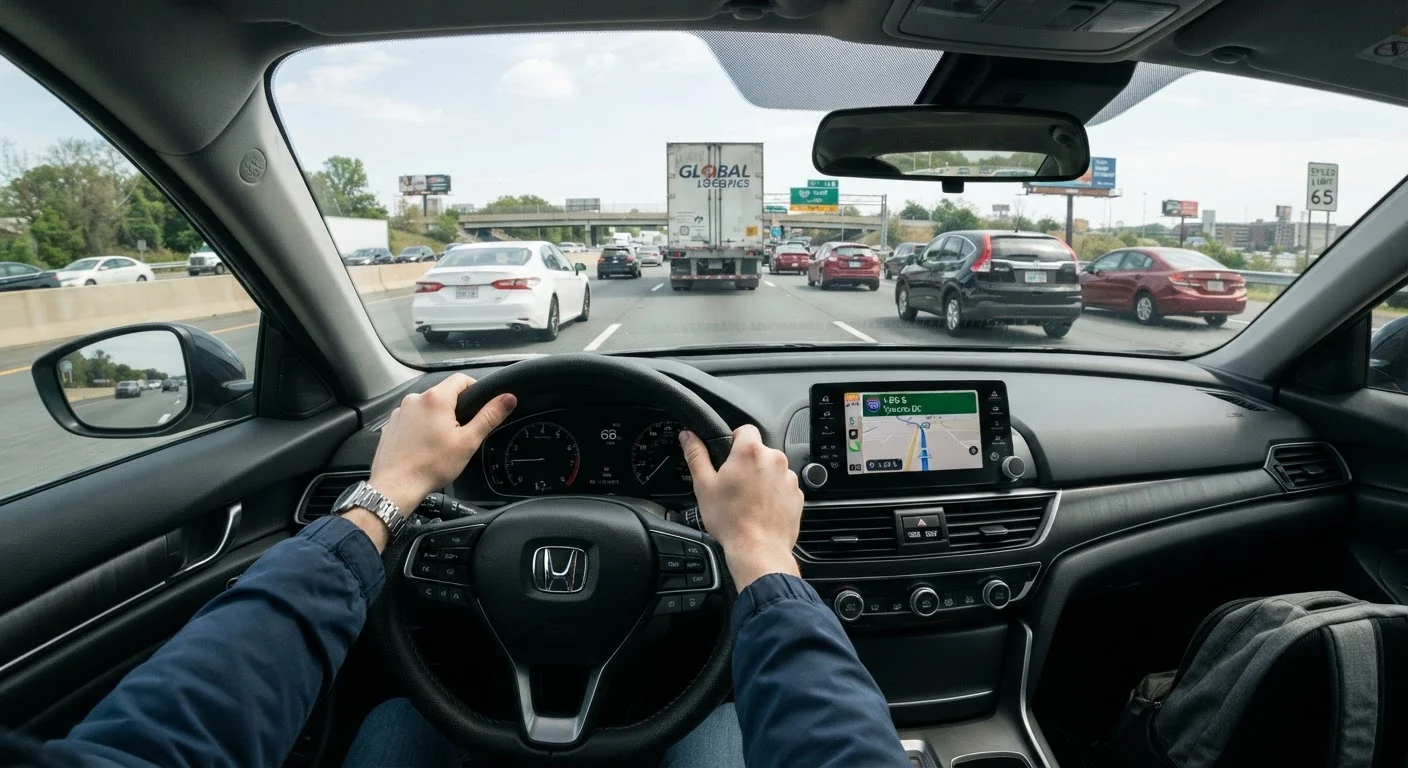
The Core Idea: Expect the Unexpected
Defensive driving rests on one foundational assumption: other drivers will make mistakes. A vehicle may run a red light, a pedestrian may step off the curb without looking, or a driver ahead may brake suddenly with no warning. The defensive driver's job is to be prepared for those moments before they happen.
This mindset shifts driving from a passive task - steer, accelerate, brake - into an active one. Rather than simply responding to what's directly in front of you, defensive driving involves constantly reading the full picture: traffic flow, road conditions, weather, blind spots, and the behavior of vehicles several car lengths ahead.
For a deeper look at how these habits develop over a driving lifetime, see Safe Driving Habits That Experienced Drivers Build Over Time.
~94%
Crashes involving human choice or error
According to the National Highway Traffic Safety Administration (NHTSA), approximately 94% of serious crashes involve human factors - choices and errors that defensive habits directly address.
3 sec
Minimum recommended following distance
Traffic safety educators widely teach the three-second rule as the baseline safe following distance in dry, clear conditions at highway speeds.
4×
Increased crash risk from phone distraction
Research cited by the National Safety Council suggests drivers using a handheld phone are approximately four times more likely to be involved in a crash.
Key Principles That Define Defensive Driving
Defensive driving isn't a single technique - it's a cluster of interconnected habits. Here are the most important ones:
- Scanning ahead: Look 10-15 seconds down the road, not just at the bumper in front of you. This gives you time to process and respond to developing situations.
- Maintaining a safe following distance: The three-second rule is a minimum. Increase that gap in rain, fog, or heavy traffic.
- Eliminating distractions: Phones are the most common culprit, but eating, navigation adjustments, and passengers can also break focus. Research consistently shows that distraction, even hands-free, meaningfully impairs reaction time. See what the research says about phone use while driving for more.
- Controlling speed for conditions: Posted speed limits assume ideal conditions. Wet pavement, reduced visibility, or congested traffic all warrant lower speeds.
- Communicating clearly: Signal early and consistently. Make your intentions known to other drivers before you act.
Practice the Commentary Drive
One technique used in driver training is the 'commentary drive': narrate hazards aloud as you drive - 'car merging left,' 'child near curb,' 'light about to change.' It sounds unusual, but it actively trains your brain to scan for and process information rather than driving on autopilot. Try it for a single commute and notice how much you were previously missing.
How Defensive Driving Differs From Aggressive Driving
One of the clearest ways to understand defensive driving is to contrast it with its opposite. Aggressive driving - tailgating, weaving through traffic, running yellows, responding to perceived slights - is rooted in self-priority. The aggressive driver treats the road as a competition.
Defensive driving is rooted in awareness and cooperation. It doesn't mean being timid or slow; it means being deliberate. A defensive driver chooses not to engage with aggressive behavior, instead creating space and de-escalating situations rather than amplifying them.
Road Rage and Aggressive Driving: Recognizing and Responding Safely covers the psychology behind aggressive behavior and practical strategies for staying calm when others are not.
Who Should Practice Defensive Driving - and How to Build It
Defensive driving is not a remedial course for bad drivers. It is a standard that every driver, from newly licensed to decades-experienced, should hold themselves to. Habits erode over time. Overconfidence is itself a risk factor.
Formal defensive driving courses, offered in-person and online through programs recognized by state DMVs, can reinforce principles that may have become automatic and sloppy. Beyond formal training, the most effective approach is deliberate practice: actively scanning, narrating hazards mentally, and evaluating your own decision-making after each drive.
New drivers looking to build these habits from the ground up should start with Road Safety from Day One, which covers the foundational rules and mental skills that support everything discussed here.
This article is for general informational purposes only. Always follow applicable traffic laws and consult qualified driving instruction resources for personalized guidance.