Why Checking Your Fluids Matters
Your car is a system of interconnected moving parts, and fluids are what keep those parts from destroying each other. Lubricants reduce metal-on-metal contact, coolants manage heat, and hydraulic fluids transmit force to your brakes and steering. When any of these run low or degrade, components wear prematurely - or fail entirely.
The good news is that fluid checks are one of the simplest forms of preventive maintenance available to any driver. Most reservoirs are clearly labeled, most checks require nothing more than reading a dipstick or looking at a translucent tank, and the whole under-hood walkthrough takes less time than a coffee stop. For a broader view of how fluid maintenance fits into your vehicle's overall care schedule, see Your Car's Maintenance Schedule, Decoded.
Viscosity
A measure of how thick or thin a fluid is and how it flows at different temperatures. Engine oil viscosity ratings (e.g., 5W-30) tell you how the oil performs in both cold starts and at operating temperature.
Dipstick
A long metal rod inserted into a fluid reservoir - most commonly the engine oil pan - used to measure fluid level. You pull it out, wipe it clean, reinsert it, and read where the fluid line falls.
Hydraulic fluid
A fluid used to transmit mechanical force through a sealed system. Brake fluid and power steering fluid are both hydraulic fluids - pressing the pedal or turning the wheel moves fluid to apply force at the other end.
Coolant (antifreeze)
A water-based liquid mixed with chemical additives that circulates through the engine and radiator to absorb heat and prevent both freezing and overheating.
Firewall
The metal barrier separating the engine compartment from the passenger cabin. Several fluid reservoirs, including brake fluid, are typically mounted near it.
Sealed/maintenance-free battery
A modern battery design where the internal cells are not accessible. Unlike older flooded batteries, these do not require fluid top-offs and are now standard in most passenger vehicles.
Engine Oil: The Lifeblood of Your Motor
Engine oil lubricates hundreds of moving parts inside your motor, carries heat away from the combustion zone, and suspends microscopic debris so it can be captured by the oil filter. Without adequate oil at the right viscosity (thickness), engine components can seize within minutes.
How to Check It
- Park on level ground and let the engine cool for a few minutes.
- Pull out the dipstick - typically marked with a yellow or orange ring - wipe it clean, reinsert fully, then pull it out again.
- Read the oil level against the MIN and MAX markers. The level should fall between them.
- Also observe the oil's color. Fresh oil is amber. Very dark or gritty oil signals it's due for a change.
Oil viscosity ratings - like 5W-30 or 0W-20 - indicate how the oil flows at different temperatures. Always use the grade specified in your owner's manual. For a deeper look at how to use that document, see Reading Your Owner's Manual.
Check Oil When the Engine Is Warm but Off
For the most accurate reading, check engine oil a few minutes after the engine has been running - this lets oil drain back down into the pan. Always turn the engine off before pulling the dipstick. Checking oil on a cold engine that hasn't run recently can give a slightly misleading level reading.
Coolant, Brake Fluid, and Transmission Fluid
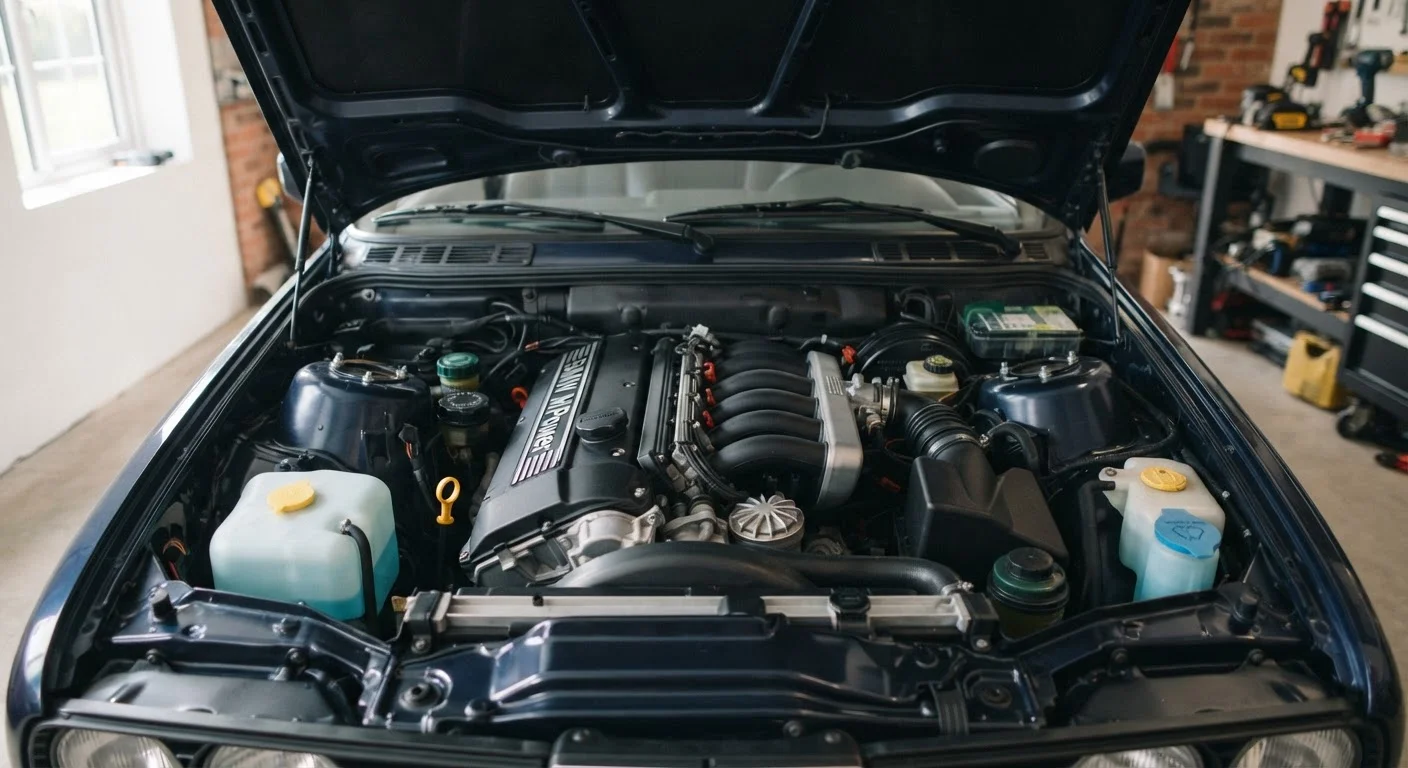
Coolant (antifreeze) circulates through the engine and radiator to regulate operating temperature and prevent freezing in cold weather. Most modern vehicles use a sealed reservoir with MIN/MAX lines visible through the translucent plastic - no dipstick needed. Never open the radiator cap on a hot engine; escaping pressurized steam can cause serious burns.
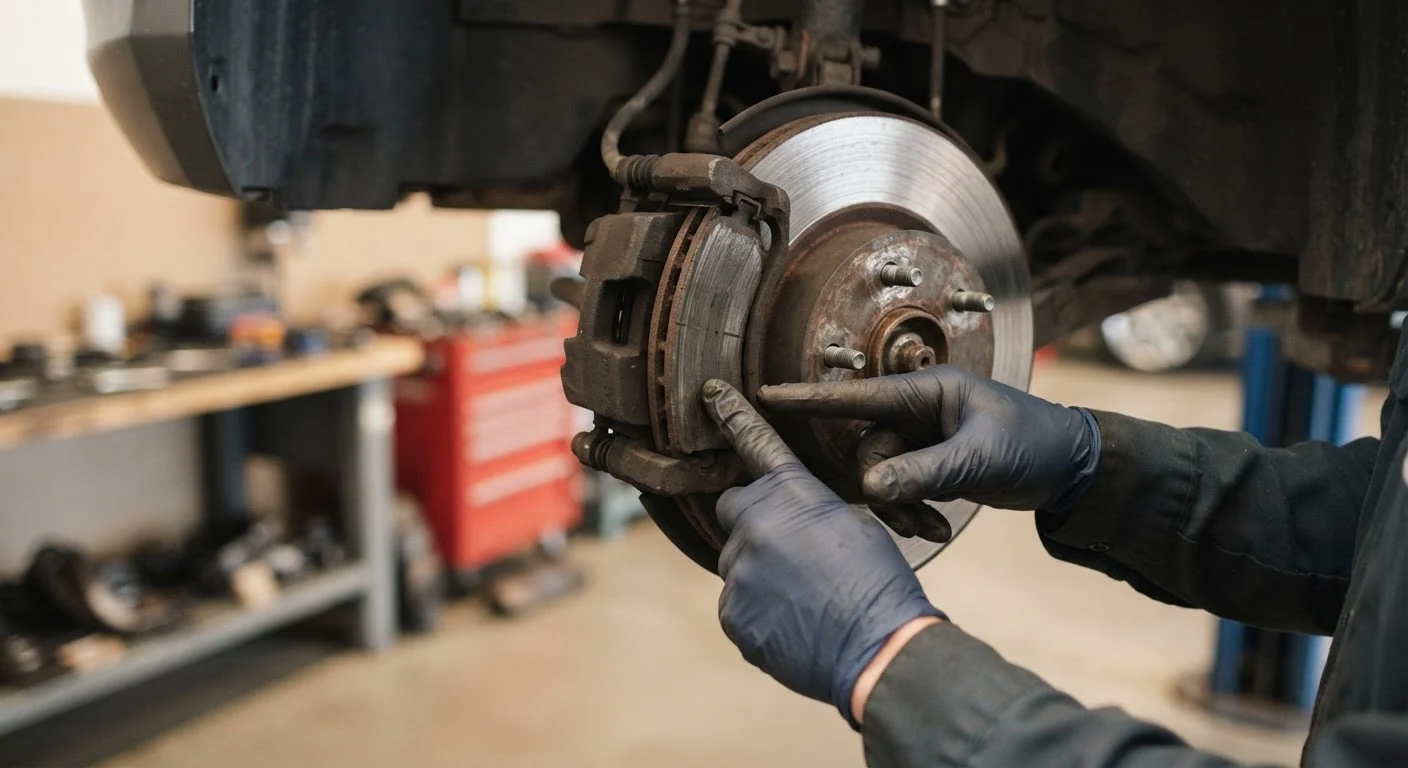
Brake fluid is a hydraulic fluid that transmits the force of your foot on the pedal to the brake calipers at each wheel. It sits in a small reservoir near the firewall (the wall separating the engine from the cabin). The level should remain between MIN and MAX. Because brake fluid absorbs moisture over time - reducing its effectiveness - it's typically replaced on a schedule, not just topped off. A persistent drop in level should be evaluated by a qualified mechanic promptly.
A Dropping Brake Fluid Level Is Never Routine
Unlike engine oil, brake fluid operates in a closed hydraulic loop and should not simply disappear. A steadily declining level typically points to a leak somewhere in the brake lines, calipers, or master cylinder - all of which are safety-critical components. If you notice the level dropping consistently, have the system inspected by a qualified mechanic before driving further than necessary.
Transmission fluid lubricates the gearbox and, in automatic transmissions, acts as a hydraulic fluid for gear changes. Some vehicles have a dedicated dipstick; others require a lift and a professional check. Transmission fluid that smells burnt or appears very dark is a warning sign. Refer to your owner's manual for the correct fluid type - using the wrong specification can cause transmission damage.
Power Steering, Windshield Washer, and Battery Fluid
Power steering fluid powers the hydraulic assist that makes turning the wheel manageable. Many newer vehicles use electric power steering and have no fluid reservoir at all - check your owner's manual to confirm. On vehicles that do have it, the reservoir is typically near the front of the engine bay with MIN/MAX markings. A whining noise when turning can indicate low fluid.
Windshield washer fluid is the one reservoir you can top off without worry about compatibility - any commercially available washer fluid works, though a freeze-resistant formula is wise in cold climates. Never substitute plain water; it won't clean effectively and will freeze in cold weather.
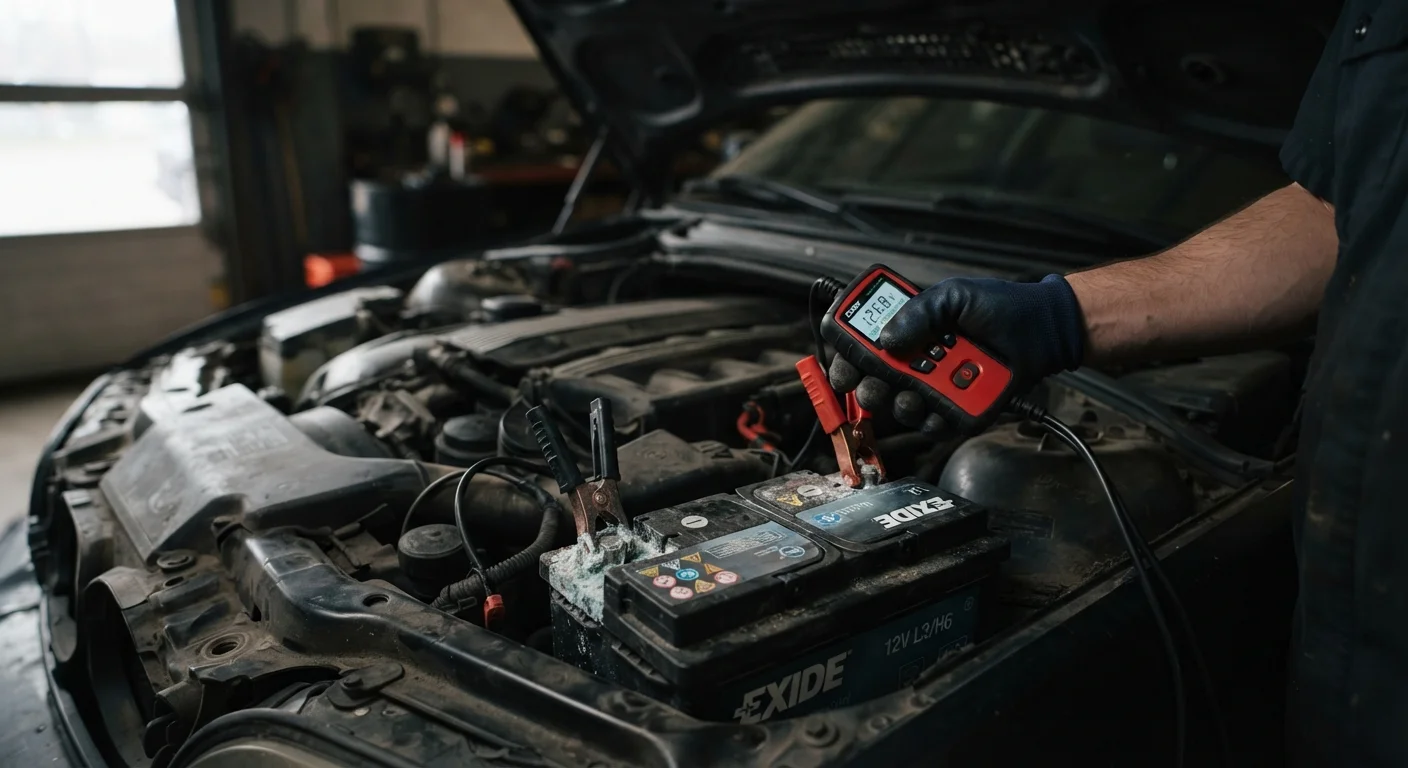
Battery fluid applies only to older-style lead-acid batteries with removable caps (sometimes called flooded or serviceable batteries). The cells inside require distilled water to stay at the correct level. Sealed, maintenance-free batteries - standard in most modern vehicles - do not have accessible cells and require no fluid top-off. If you're unfamiliar with which type your battery is, a mechanic can confirm during any routine service visit.
Understanding what each part is called makes fluid checks - and conversations with mechanics - far easier. See The Parts of Your Car You Should Actually Know by Name for a plain-language reference.
How to Build a Simple Fluid-Check Routine
Consistency matters more than perfection. A quick monthly check of all reservoirs - plus an oil level check before any long highway trip - catches the vast majority of problems before they become expensive. Here's a practical sequence:
- Engine oil - dipstick check; note level and color.
- Coolant - visual check of the reservoir level (cold engine only).
- Brake fluid - visual check through the reservoir; flag any significant drop.
- Transmission fluid - dipstick if accessible; refer to your manual otherwise.
- Power steering fluid - quick visual if your vehicle has a hydraulic system.
- Windshield washer fluid - top off as needed.
If budget is a concern, Car Maintenance on a Tight Budget explains which services protect your vehicle most when you have limited resources. Fluid checks cost nothing and are always at the top of that list. For more on how vehicles work at a fundamental level, explore the Understanding Your Car hub.
Your Owner's Manual Is the Final Word
Fluid specifications vary significantly between makes, models, and model years. The guidance in this article covers general principles, but your owner's manual lists the exact fluid types, capacities, and check intervals for your specific vehicle. When in doubt - especially for coolant type and transmission fluid - consult the manual before topping off or replacing anything.