More Than Outfits: What Personal Style Really Is
Ask most people what personal style means and they'll point to a wardrobe. But reduce it to clothes, and you miss the bigger picture entirely. Personal style is a form of self-authorship — the ongoing choices you make about how you present yourself that, taken together, tell a story about who you are.
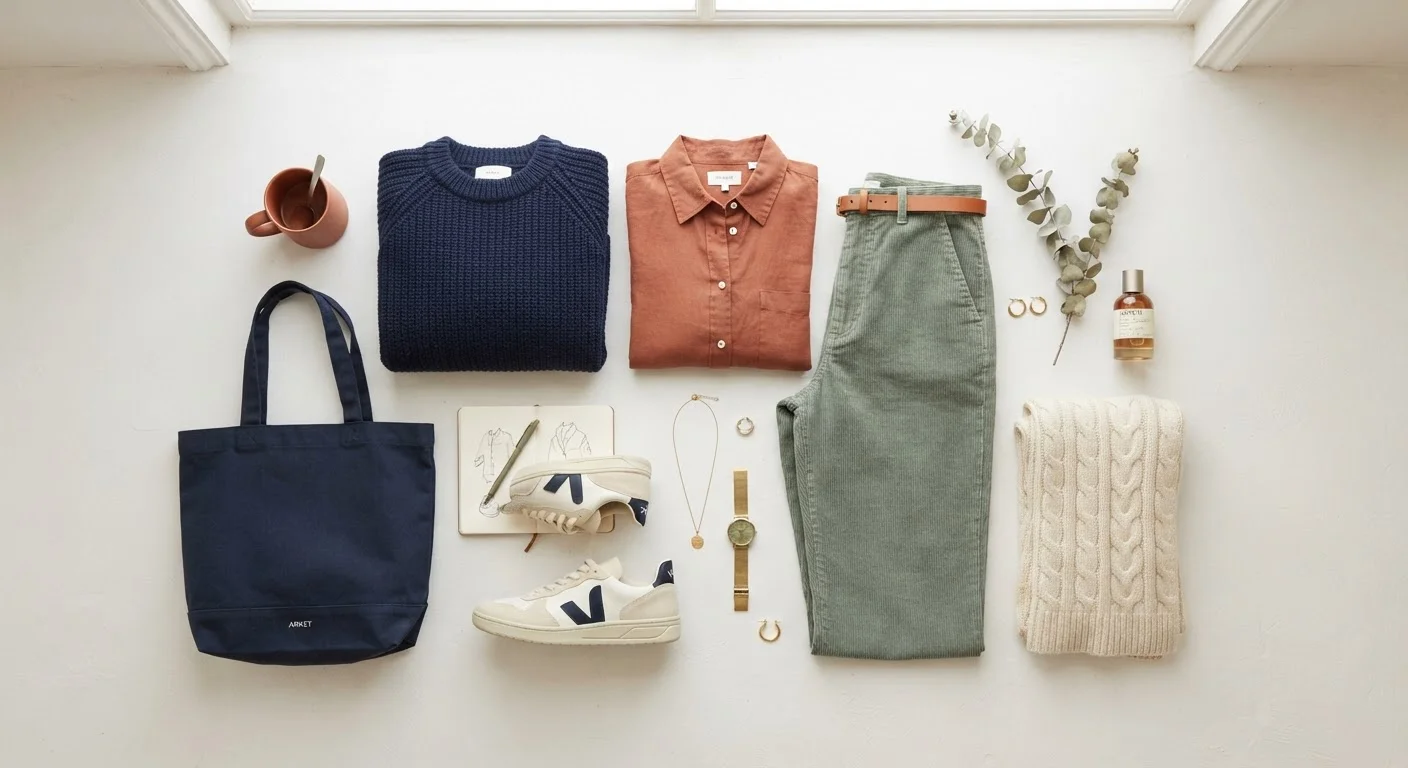
It shows up in how you style your hair on a Tuesday morning. In the mug you drink coffee from. In whether you gravitate toward bold color or quiet neutrality. These micro-decisions, accumulated over time, form a coherent aesthetic that's uniquely yours — whether or not you've ever consciously thought of yourself as a "stylish" person.
The idea that style is only for fashion-forward people is one worth letting go. Everyone has a personal style; not everyone has made it intentional yet. That distinction — between accidental and deliberate self-expression — is where real style discovery begins. For a deeper look at all the elements that shape a personal aesthetic, see the complete framework for developing your own aesthetic.
Style Is Not the Same as Aesthetics Labels
Online spaces are full of style categories — 'cottagecore,' 'dark academia,' 'quiet luxury' — and while these can be useful for discovery, they're not a destination. Real personal style rarely fits neatly into a single named aesthetic. Use these labels as inspiration, not identity boxes.
Identity, Values, and the Psychology Behind Getting Dressed
Psychologists and sociologists have long studied the relationship between dress and identity. What you choose to wear — or not wear — communicates social affiliation, personal values, and even mood. This isn't vanity; it's a deeply human form of nonverbal communication.
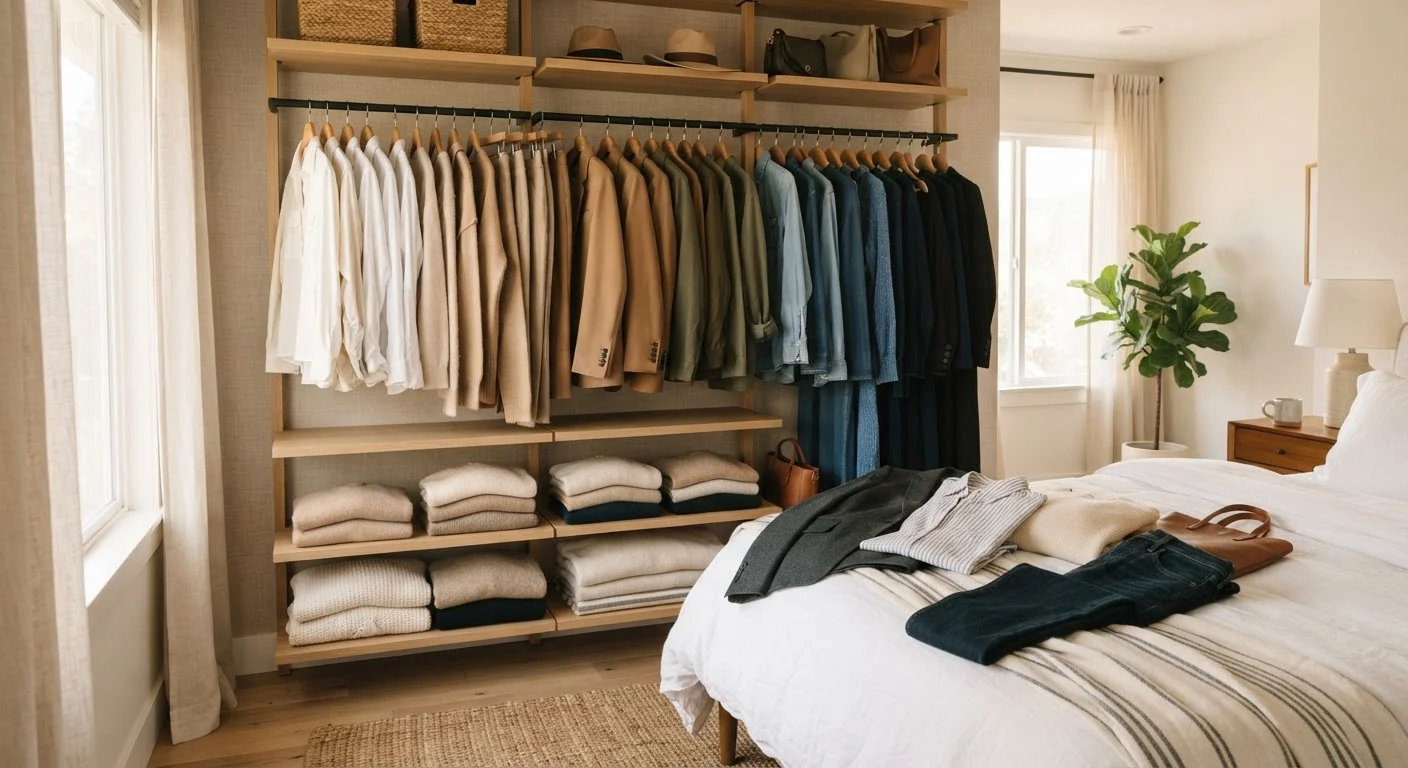
Consider someone who consistently reaches for structured, minimalist pieces in neutral tones. That preference likely reflects something real about how they move through the world — maybe a value for calm, clarity, or precision. Contrast that with someone whose closet is a riot of pattern and color, and you're probably looking at someone who prizes expressiveness and energy. Neither is better. Both are authentic.
“Elegance is not about being noticed, it's about being remembered.”
— Giorgio Armani, Fashion designer and founder of the Armani fashion house
This is why personal style — when it's working — feels less like performance and more like alignment. When your outer presentation matches your inner sense of self, getting dressed stops being a chore and starts feeling like a small, daily act of confidence.
The Difference Between Style and Fashion
Fashion is a system — an industry that produces trends, seasonal collections, and cultural moments. Style is individual. Understanding where they overlap (and where they diverge) is key to building something that actually lasts.
Trends aren't inherently bad. They reflect the cultural moment and can be genuinely exciting to engage with. But when trend-chasing becomes the primary driver of your wardrobe decisions, personal style tends to get lost in the shuffle. You end up dressing for the season, not for yourself.
A more sustainable approach is to treat trends as potential ingredients rather than instructions. Some will resonate with your existing aesthetic and are worth incorporating; others simply won't, and that's fine. Navigating the tension between trends and timelessness is a skill that develops alongside your personal style itself. For a clear breakdown of how the two concepts relate, personal style vs. fashion trends is a good place to start.
Try a 'Style Audit' Before Shopping
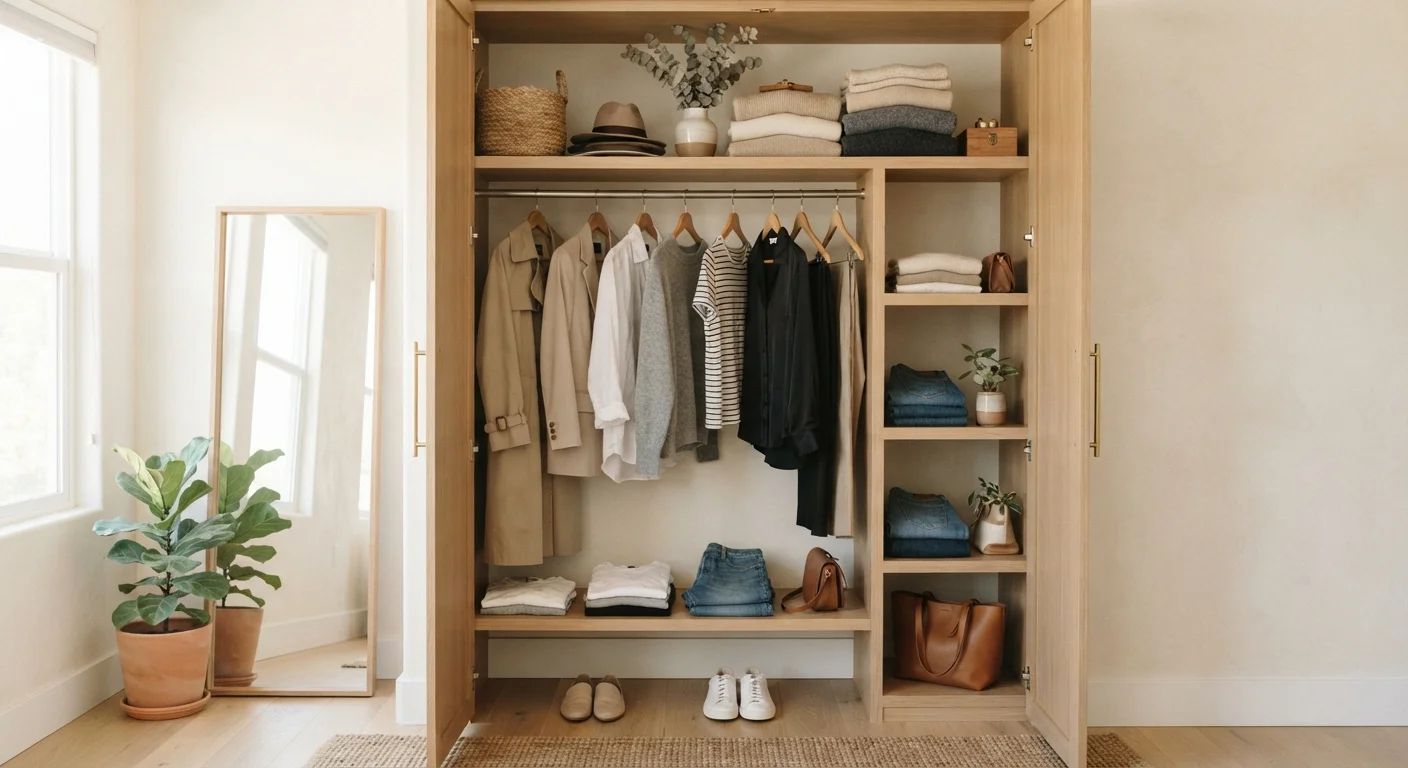
Before adding anything new to your wardrobe, spend 20 minutes pulling out the 10 pieces you wear most. Look for patterns — in color, silhouette, fabric, or occasion. Those patterns are your style speaking. Let them guide future decisions rather than starting fresh every season.
How Personal Style Actually Develops
Here's the good news: personal style isn't something you have to invent from scratch or purchase all at once. It emerges through attention and iteration over time.
The most practical starting point is observation — of yourself. What do you actually reach for repeatedly? What makes you feel capable, comfortable, or genuinely good? Those patterns are data. They're pointing at something real about your preferences, even if you haven't named it yet.
From there, it's about identifying your style touchstones — the recurring elements (a color palette, a silhouette, a texture) that show up again and again in what you love. Once you can see those threads, you can begin to strengthen them deliberately. And if you're starting from scratch, building a cohesive look over time is entirely possible without overhauling everything at once.