Why Signature Style Takes Time — And That's a Good Thing
There's a common misconception that personal style arrives fully formed — that one day you'll wake up knowing exactly who you are sartorially. In reality, a cohesive look is less a destination than a practice. It evolves as you gather information about what makes you feel like yourself, what photographs well, what holds up across seasons, and what you reach for again and again without thinking.
If you're just starting out, our guide for style beginners walks through the foundational questions worth asking before you spend a single dollar. That groundwork makes every step below more effective.
The good news: building slowly is actually an advantage. Rushed style transformations tend to produce wardrobes full of pieces that don't work together. Patient, iterative development produces something far more durable — a look that reflects who you actually are, not just who you wanted to be on one inspired afternoon.
Let Repetition Be Your Friend
Signature style isn't about wearing something different every day — it's about wearing what's unmistakably you, consistently. Returning to the same palette, silhouette, or styling approach isn't boring; it's the mechanism by which a look becomes recognizable. The most distinct personal aesthetics are built on repetition, not variety.
What You'll Need Before You Start
Before diving into the steps, gather a few tools and do a little honest self-reflection. The more clearly you can see your current situation, the more useful your decisions will be going forward.
What you will need
It's also worth thinking about how style fits into your broader financial picture. Building a wardrobe incrementally is far easier on your budget than dramatic overhauls — and it aligns well with the kind of intentional spending habits covered in our saving and debt resources. Quality over quantity isn't just a style principle; it's a financial one.
Style Inspiration Board
Collecting images that resonate with you — digitally via a pinboard app or physically cut from magazines — helps externalize your aesthetic so you can study it objectively.
Wardrobe Inventory List
A written or photographed record of every item you own makes gap analysis faster and more accurate than relying on memory.
Full-Length Mirror
Evaluating fit, proportion, and overall silhouette requires seeing yourself from head to toe — not just from the waist up.
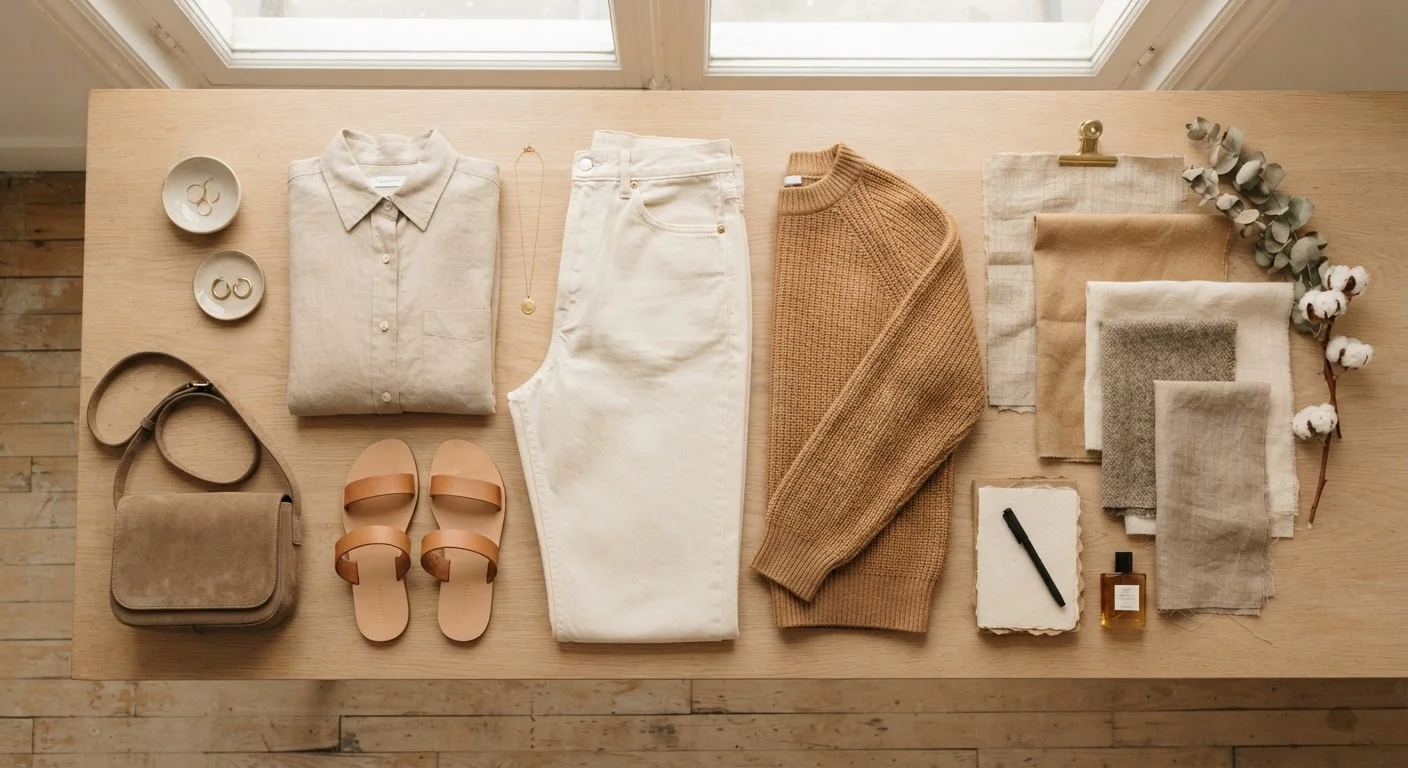
Color Swatch or Palette Reference
A small reference card of your chosen palette colors helps you evaluate new pieces accurately while shopping, especially in varied store lighting.
Step-by-Step: Building Your Cohesive Look
Follow these steps in order, but know that style-building is rarely perfectly linear. You may return to earlier steps as your taste clarifies — that's not backtracking, it's refinement.
Audit What You Already Own
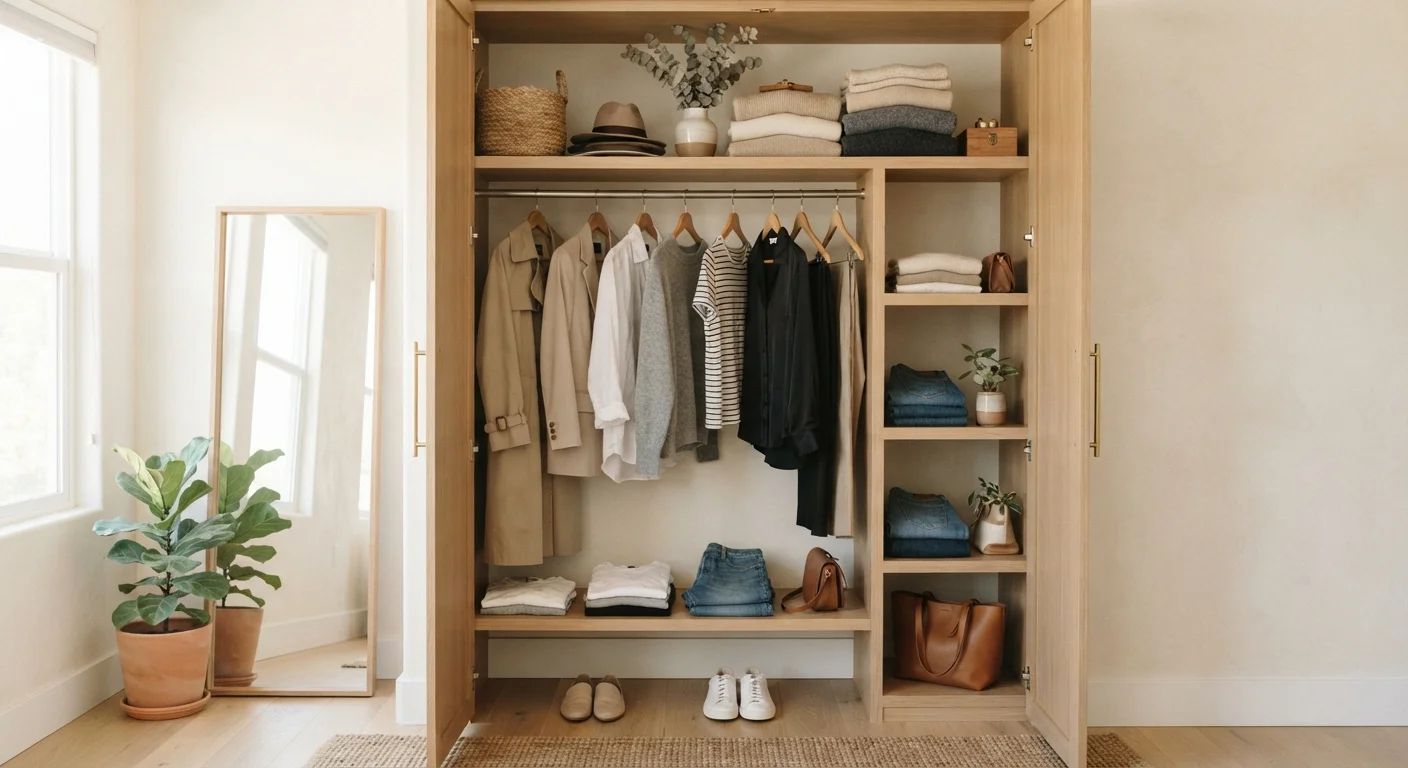
Before buying anything new, spend time with your existing wardrobe. Pull everything out and sort by how often you wear each piece. Notice patterns: Are most of your favorites in the same color family? Do they share a silhouette — fitted, relaxed, structured? The items you wear constantly without overthinking are your style data. They're telling you something true about your preferences that aspirational purchases sometimes obscure.
Define Two or Three Aesthetic Anchors
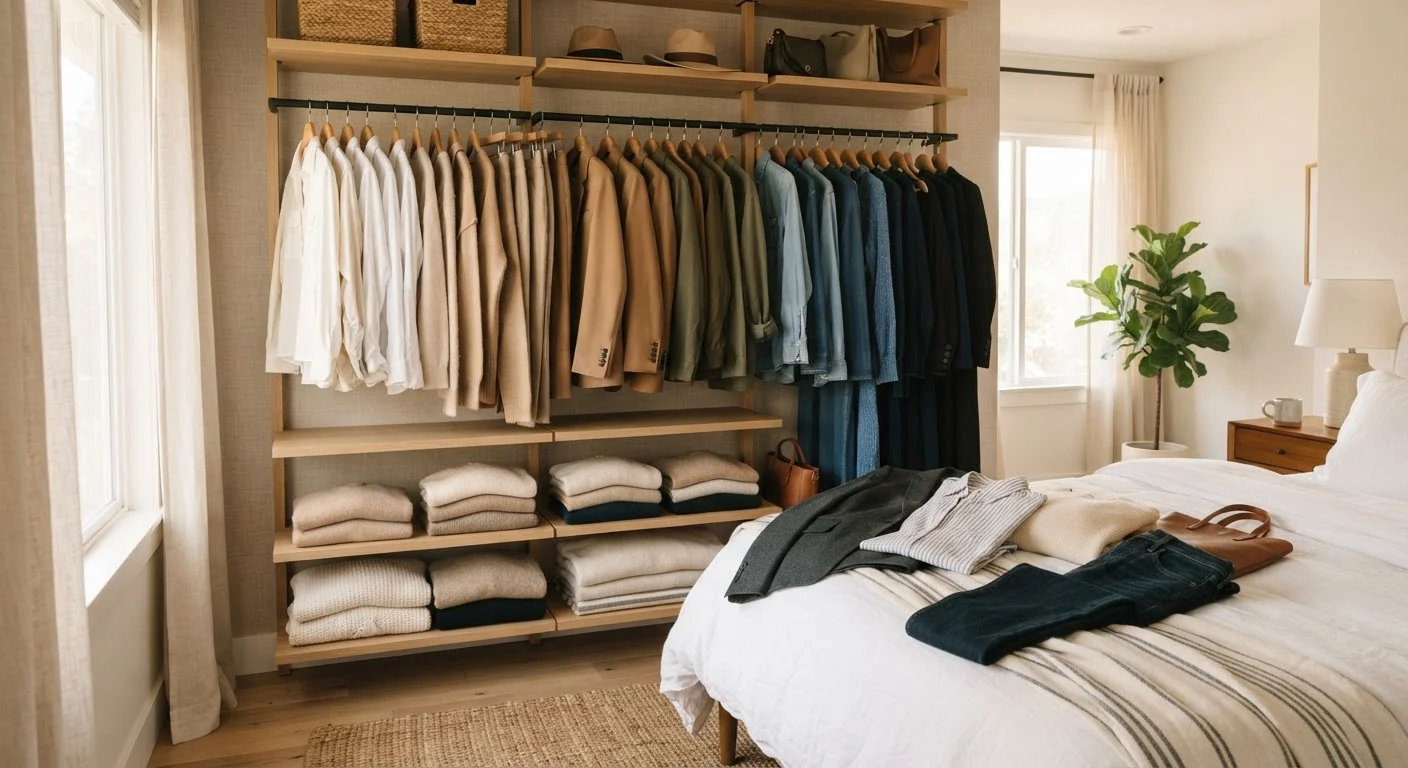
An aesthetic anchor is a consistent element you want running through your wardrobe — a color palette, a recurring silhouette, a preferred fabric weight, or a mood (minimal, romantic, utilitarian). Limiting yourself to two or three anchors at the start keeps your developing style focused rather than scattered. You might choose a three-color palette, a preference for relaxed tailoring, and a commitment to natural fabrics, for example. These anchors become your decision-making filter for every future purchase.
Identify Your Wardrobe Gaps (Honestly)
Cross-reference your anchors with what you currently own. Where does your wardrobe fall short of the look you're building? Gaps might be functional (no versatile layering piece) or aesthetic (your palette needs a neutral base). Make a prioritized gap list — but resist the urge to fill all of them at once. Target your single most-felt gap first. Solving one problem well beats solving five problems impulsively.
Add Pieces Incrementally and Intentionally
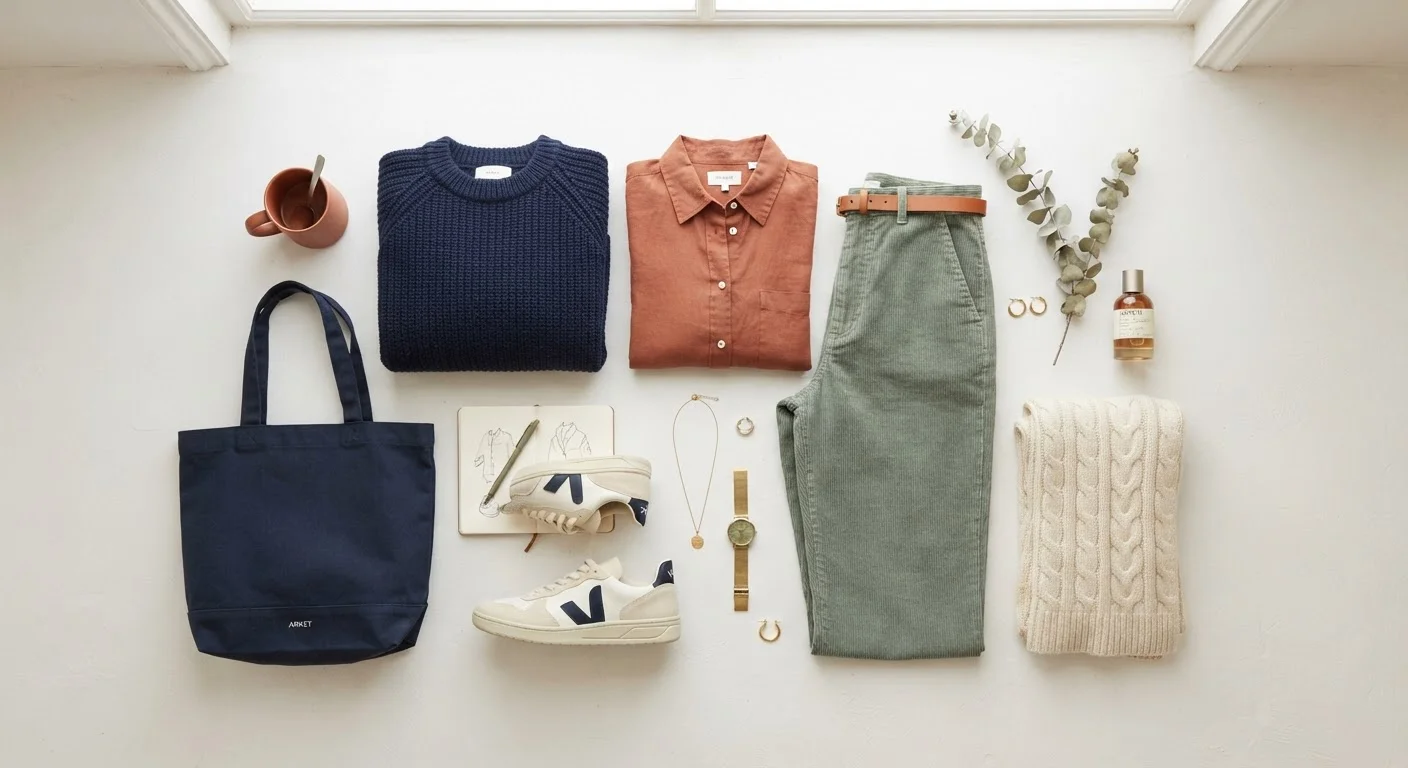
When you're ready to add something new, run it through a simple three-question filter before committing: Does it fit my established color palette or silhouette anchors? Can I style it with at least three things I already own? Would I wear it in one year? If you can't answer yes to all three, the piece probably belongs to a different aesthetic — not yours. This discipline feels strict at first, but it's what separates a cohesive wardrobe from an expensive collection of disconnected items.
Repeat, Reflect, and Refine
After three to six months of intentional adding and wearing, revisit your anchors. Have your tastes shifted? Are there pieces you added that still don't feel right? Style evolves — your anchors can too, as long as changes are deliberate rather than reactive. This reflection loop is what transforms a wardrobe from a collection of nice things into a genuine signature style. The complete personal style framework covers this iterative process in greater depth if you want to go further.
For a deeper look at the specific elements — from color palettes to silhouettes — that give a personal style its recognizable quality, explore our piece on style touchstones. And if you're wrestling with how trends fit into your developing aesthetic, navigating trends vs. timelessness addresses exactly that tension.
Don't Let Trends Derail Your Anchors
Trend cycles move fast, and it's easy to introduce a wave of trend-driven pieces that quietly erode the cohesion you've built. That doesn't mean ignoring trends entirely — selective adoption can keep a style feeling current. But any trend piece should still clear your three-question filter before it earns a place in your wardrobe.