What Makes a Look Feel Like Yours
There's a certain quality some people carry into every room — a visual coherence that makes their outfits feel deliberate rather than assembled by accident. It's not always about expensive clothes or access to a stylist. More often, it comes down to a handful of repeating choices: the same silhouette showing up in different fabrics, a color palette that stays consistent across seasons, an accessory category they never skip.
These are style touchstones — the recurring elements that give a personal aesthetic its recognizable shape. And once you identify yours, getting dressed becomes less about decisions and more about expression. If you're still building that foundation, our complete personal style framework covers the full picture from identity to wardrobe architecture.
Below are the most common touchstones that define a signature look — and what it actually means to make each one your own.
A Recurring Color Palette
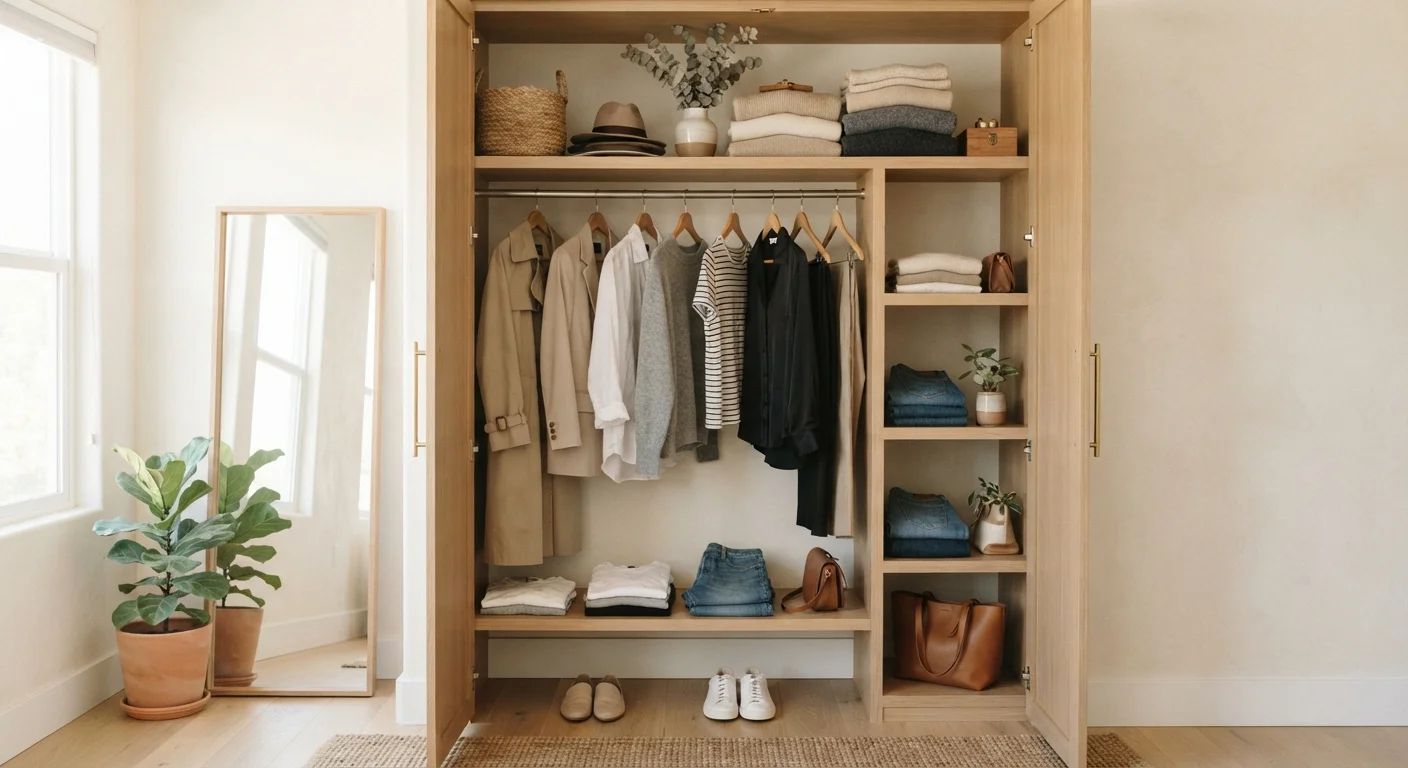
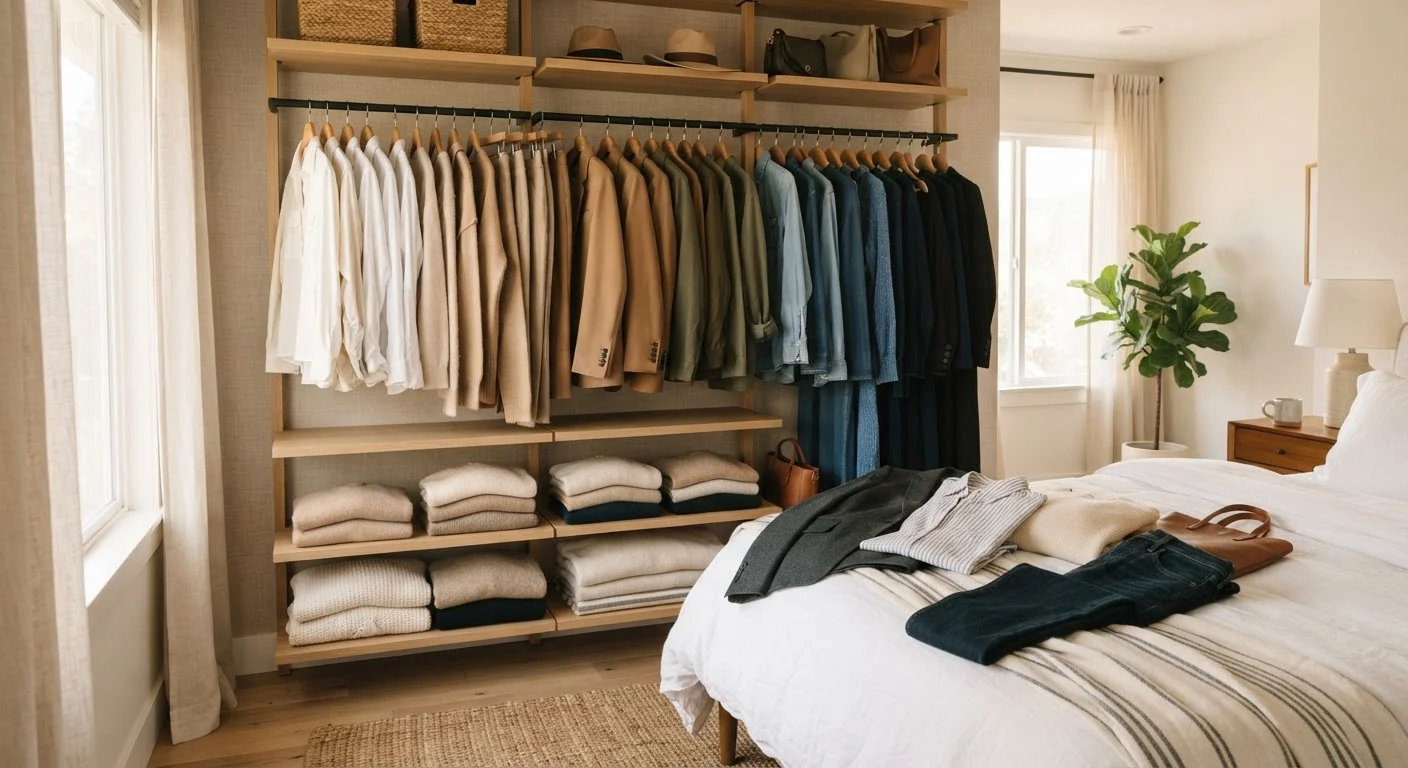
Color is often the first thing that makes a wardrobe feel cohesive — or chaotic. People with a strong signature look tend to operate within a relatively narrow range of tones, even if they vary by season. That doesn't mean wearing the same color every day; it means your wardrobe's overall cast feels unified.
Some gravitate toward earthy neutrals — camel, rust, olive, cream. Others build around cool, muted tones or lean into high-contrast black and white. The specifics matter less than the consistency. When you know your palette, shopping becomes easier and outfit combinations multiply naturally because everything already speaks the same visual language.
A cohesive color palette makes every outfit feel intentional without extra effort.
A Preferred Silhouette
Silhouette — the overall shape a garment creates on the body — is one of the most powerful and least discussed style tools. Someone who consistently chooses relaxed, straight-leg trousers paired with tucked tops has a silhouette preference, even if they've never labeled it as such. Someone who always reaches for fitted waists and A-line skirts does too.
Your silhouette preference is often tied to how you feel most comfortable moving through the world. It's worth examining not just what looks good in a mirror, but what you feel good wearing throughout a full day. That felt comfort tends to be more sustainable than trends. Learn more about developing these choices intentionally in our guide to building a signature style from scratch.
Silhouette preference is often the most unconscious — and most consistent — style choice people make.
A Signature Accessory Category
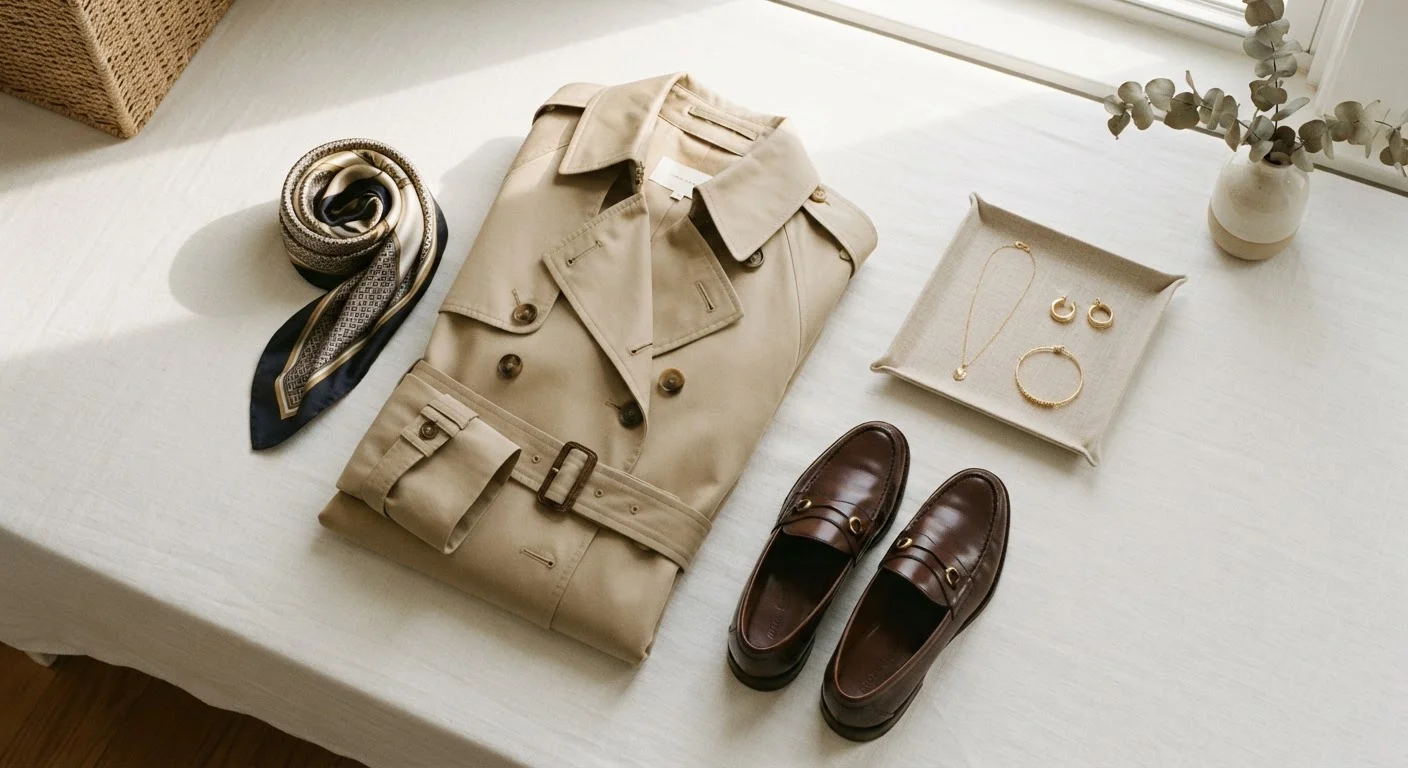
For some people it's always a statement earring. For others, it's a specific style of bag, a particular type of shoe, or layers of delicate gold necklaces worn together. A signature accessory category isn't about owning one iconic piece — it's about consistently reaching for the same type of finishing touch.
Accessories are often where a person's aesthetic personality becomes most visible, because they're lower-stakes choices that accumulate meaning over time. When someone is always seen wearing their category of choice — bold rings, classic loafers, silk scarves — it becomes part of how others recognize their look, and how they recognize themselves.
Repeating an accessory category over time turns a habit into a recognizable personal signature.
Fabric and Texture Preferences
Materials carry mood. Linen feels effortless and unpretentious. Leather reads as deliberate and structured. Cashmere signals quieter luxury. Denim is democratic and durable. The fabrics you consistently choose say something about both your lifestyle and your aesthetic values — and they affect how cohesive your wardrobe feels as a whole.
Texture also plays a role beyond fabric type. Someone who layers matte fabrics — cotton, suede, wool — creates a visually different wardrobe than someone who mixes satin with denim or velvet with jersey. Neither is more correct, but being aware of your texture tendencies helps you shop with more precision and resist pieces that look good in isolation but won't integrate with what you already own.
Fabric choices carry aesthetic weight — your texture tendencies shape your wardrobe's overall mood.
A Consistent Level of Formality
Formality level — sometimes called dressing register — is one of those touchstones that's easy to overlook because it operates in the background. But most people with a coherent personal aesthetic occupy a relatively consistent position on the spectrum from very casual to quite formal, and they tend to stay in that zone even when dressing up or down.
Someone whose register is naturally relaxed will dress up a special occasion with elevated basics rather than full formal wear. Someone naturally oriented toward polish will find ways to make casual moments feel put-together rather than disheveled. Understanding your register helps you make better decisions at both ends of the spectrum — and avoid pieces that feel out of character even when they're technically on-trend. For help building your vocabulary around these distinctions, our style vocabulary reference guide is a useful starting point.
Knowing your natural dressing register helps you feel like yourself in every setting, not just your comfort zone.
Grooming and Beauty Rituals That Repeat
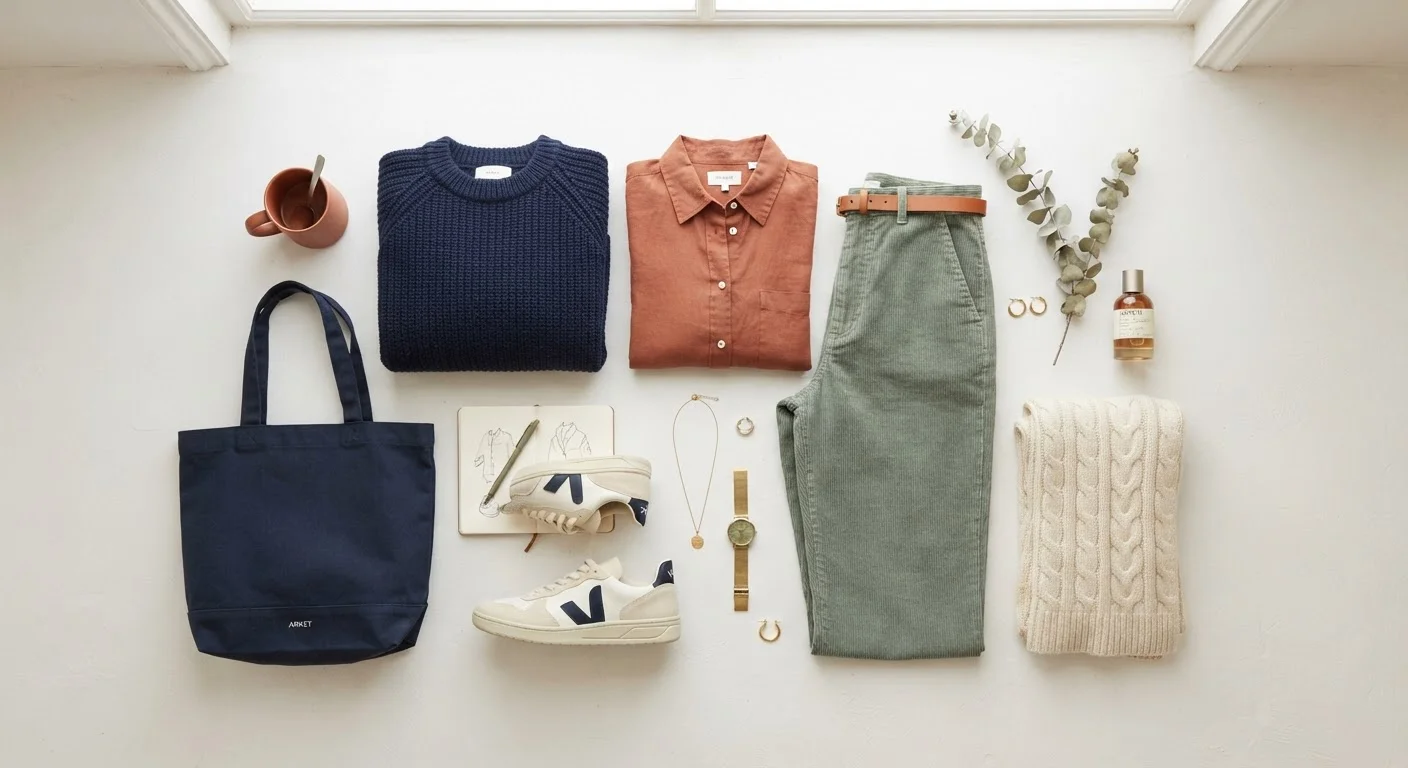
Style extends beyond clothing. A consistent approach to hair, skin, and makeup — or the deliberate choice to keep these minimal — is part of the full picture. People with a defined look often have an equally defined grooming or beauty signature: a specific lip color they return to, a particular hair texture they maintain, a commitment to clean skin and little else.
These choices don't need to be elaborate to be meaningful. What matters is that they're intentional and consistent enough to feel like yours. The grooming and beauty elements of a signature look also tend to be the most personal — they're the part that exists closest to the face, and the part that most directly signals how a person wants to present themselves to the world.
Beauty and grooming rituals complete a signature look — they're the personal details closest to who you are.
Making Your Touchstones Work Together
The power of style touchstones isn't in any single element — it's in the accumulation. A consistent color palette becomes more legible when it's paired with a recurring silhouette. A signature accessory hits differently when it appears against the same type of fabric you always return to.
Start With What You Already Wear
Your existing wardrobe is the most honest data set you have. Before building a new aesthetic vision, take stock of the pieces you reach for week after week — regardless of what you own. The patterns in your actual behavior are almost always more revealing than the styles you admire from a distance. Build from there, not from an idealized version of your wardrobe.
One practical approach: audit your wardrobe for what you actually reach for repeatedly, not what you bought with the best intentions. Patterns in your real choices reveal your touchstones more accurately than any style quiz. If you're exploring how to document and develop those patterns visually, mood boards can be a genuinely useful tool — when used with intention.
And remember: touchstones aren't rules. They're tendencies worth understanding so you can make sharper choices — including when to depart from them. For more on navigating that balance, the tension between trends and timelessness is worth exploring next.