Why Dental Disease Is So Prevalent
Periodontal disease doesn't develop overnight — it's the result of an ongoing, largely invisible process that starts the moment bacteria in the mouth combine with saliva and food particles to form plaque, a soft, sticky film that coats tooth surfaces. Left undisturbed, plaque mineralizes into tartar (also called calculus) within as few as three to five days. Tartar is porous and rough, which makes it an even more hospitable surface for additional bacterial accumulation.
What makes this cycle so common is that it is self-reinforcing without active disruption. In the wild, gnawing on raw materials provided some mechanical cleaning. Domestic pets on soft or processed diets, and with longer lifespans, accumulate this buildup steadily over years. Small and toy dog breeds face added risk because their teeth are proportionally crowded, leaving less space between teeth where cleaning — natural or assisted — can occur.
~80%
Dogs affected by age three
The American Veterinary Medical Association estimates that most dogs show signs of periodontal disease by their third birthday.
~70%
Cats affected by age three
Similar prevalence estimates for cats are cited across veterinary dental literature and professional guidelines.
Stage 1
Only reversible stage of disease
Gingivitis, the earliest stage, is fully reversible with professional cleaning and consistent home care; all later stages cause permanent structural damage.
How the Disease Progresses Through Four Stages
Understanding how periodontal disease advances helps explain why early detection matters so much. Veterinary dentistry classifies the disease in four stages:
- Stage 1 – Gingivitis: Inflammation of the gums caused by plaque accumulation. The gum line may appear red or swollen. This is the only fully reversible stage — professional cleaning and improved home care can restore gum health completely.
- Stage 2 – Early Periodontitis: Infection begins affecting the attachment between the gum and tooth root. Less than 25% of the supporting structures are affected. Some damage is permanent, but progression can be halted.
- Stage 3 – Moderate Periodontitis: Between 25% and 50% of the tooth's support structures are compromised. Pockets form between the gum and tooth, harboring bacteria. Teeth may become loose.
- Stage 4 – Advanced Periodontitis: More than 50% of supporting structures are lost. Tooth extraction is commonly required. At this stage, bacteria may enter the bloodstream consistently, raising concerns about effects on internal organs.
One of the most challenging aspects of this disease is that pets instinctively suppress signs of pain, making it easy for owners — and even attentive owners — to miss significant disease until it is well advanced. This is why veterinary assessment is irreplaceable.
“Periodontal disease is the most commonly diagnosed disease in small animal practice, yet it remains one of the most undertreated — largely because it progresses silently and pets rarely complain.”
— Veterinary Oral Health Council, North American veterinary dental standards body
Recognizing Early Warning Signs
While pets often hide discomfort, there are observable cues that can prompt a veterinary conversation:
- Persistent bad breath — not just 'dog breath,' but a noticeably foul or sour odor that doesn't resolve
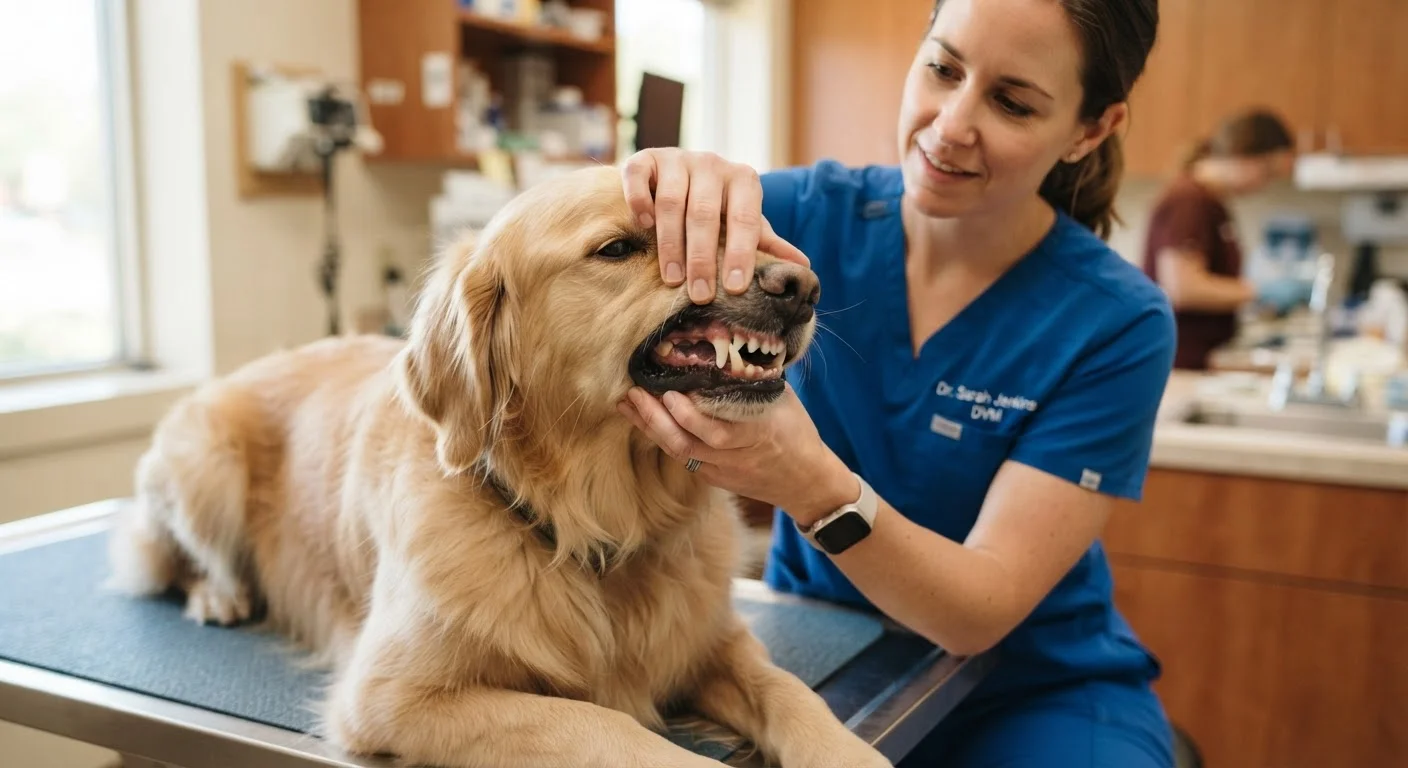
- Visible tartar — yellowish-brown deposits along the gum line, especially on the back teeth
- Red, puffy, or bleeding gums — healthy gum tissue should be pink and firm
- Changes in eating behavior — dropping food, chewing on one side, reluctance to eat kibble or hard chews
- Excessive drooling or pawing at the mouth
- Loose or missing teeth
It's worth noting that the absence of these signs does not mean a pet is disease-free. Regular professional dental evaluations — ideally as part of the annual vet visit checklist — are the most reliable way to assess what is happening below the gum line.
Start Mouth Handling Early
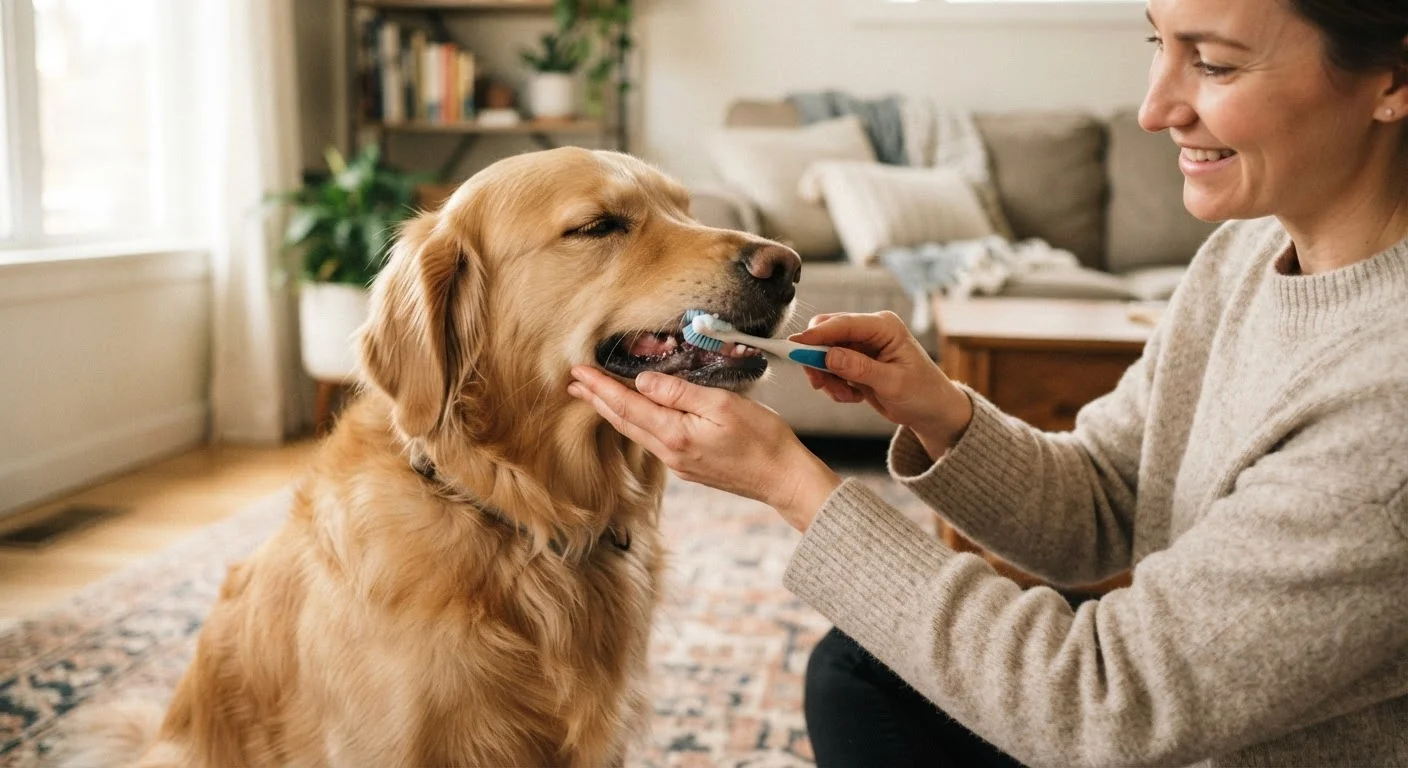
If you have a puppy or kitten, begin gently touching their lips, gums, and teeth during calm moments from an early age. This builds tolerance for tooth brushing and veterinary oral exams over time. For adult pets new to brushing, start slowly — let them taste the toothpaste first, then gradually introduce the brush over several sessions without pressure.
Preventive Care: What Actually Works
Prevention centers on disrupting plaque before it can mineralize. The most effective approaches, according to veterinary dental guidance, include:
- Daily tooth brushing
- Using a pet-safe toothpaste (which is enzymatic and does not require rinsing) and a soft-bristled brush designed for animals. Human toothpaste contains fluoride and sweeteners that are harmful to pets and should never be used.
- Professional cleanings under anesthesia
- Anesthesia allows a veterinarian to safely scale below the gum line — the area where periodontal disease does its real damage — as well as take dental X-rays to evaluate bone levels. Anesthesia-free dental procedures do not allow access to this critical area and are not considered adequate by most veterinary professional organizations.
- Veterinary-approved dental products
- Certain chews, water additives, and dental diets have been evaluated for plaque and tartar reduction. The Veterinary Oral Health Council (VOHC) evaluates and awards a seal to products that meet its standards — this is a useful reference when evaluating options.
For a broader look at building preventive dental habits at home, our complete guide to keeping your pet's teeth healthy covers brushing technique, product selection, and when to seek professional care.
Anesthesia and Dental Cleanings
It's common for pet owners to feel anxious about anesthesia during professional dental cleanings. Your veterinarian will perform a pre-anesthetic health evaluation — which may include bloodwork — to assess risk before any procedure. For the vast majority of pets, the risk of untreated dental disease outweighs the carefully managed risk of anesthesia. Discuss any concerns directly with your vet.