
Why Plate Composition Matters
Most nutrition advice focuses on what not to eat. Plate composition takes the opposite approach - it's a constructive framework that asks what your meal should include and in roughly what proportions. Rather than eliminating food groups, it emphasizes variety and balance at the level of a single meal.
Research consistently links dietary patterns rich in vegetables, lean proteins, whole grains, and healthy fats with lower risks of chronic disease. But translating that science into a practical daily habit is where most people get stuck. A simple visual framework bridges that gap without requiring nutrition expertise or meticulous tracking.
This isn't about achieving perfection at every sitting. It's about building a reliable default that nudges your overall eating pattern in a healthier direction over time.
The Four Building Blocks of a Balanced Plate
A nutritionally sound plate generally draws from four categories, each contributing something distinct to how your body functions and feels.
Macronutrients
The three main categories of nutrients your body needs in relatively large amounts: carbohydrates, protein, and fat. Each provides energy and serves specific functions in the body.
Fiber
A type of carbohydrate found in plants that the body cannot fully digest. It supports digestive health, helps regulate blood sugar, and contributes to feelings of fullness.
Phytonutrients
Naturally occurring compounds in plants - responsible for color, flavor, and aroma - that may support health by acting as antioxidants or anti-inflammatory agents.
Whole grains
Grains that retain all three parts of the kernel - the bran, germ, and endosperm - preserving more fiber, vitamins, and minerals than refined grains.
Healthy fats
Unsaturated fats found in foods like olive oil, nuts, seeds, and avocados. They support cell function, nutrient absorption, and cardiovascular health when consumed in appropriate amounts.
Caloric density
The number of calories in a given volume or weight of food. Foods high in water and fiber tend to be lower in caloric density, meaning they fill your plate more without adding as many calories.
Vegetables and Fruit (Half the Plate)
Non-starchy vegetables - leafy greens, cruciferous vegetables, peppers, tomatoes - should occupy roughly half your plate. They deliver fiber, vitamins, minerals, and phytonutrients while contributing relatively few calories. Fruit works similarly and can substitute for or complement vegetables depending on the meal.
Protein (About a Quarter)
Protein supports muscle maintenance, immune function, and satiety. Sources include poultry, fish, eggs, legumes, tofu, and dairy. Variety here matters - plant-based proteins like lentils and chickpeas also deliver fiber, making them especially nutrient-dense choices.
Whole Grains or Starchy Vegetables (About a Quarter)
Whole grains - oats, brown rice, quinoa, whole-wheat bread - provide sustained energy through complex carbohydrates and additional fiber. Starchy vegetables like sweet potatoes or corn serve a similar role. Choosing whole over refined versions preserves more nutritional value.
Healthy Fats (A Smaller Addition)
Fats from sources like olive oil, avocado, nuts, and seeds support nutrient absorption and help meals feel satisfying. A moderate amount goes a long way - this category is calorie-dense, so portion awareness matters here more than elsewhere.
How to Apply the Framework at Any Meal
The visual plate method works across cuisines and meal formats. You don't need a perfectly round plate or a kitchen scale - proportional thinking is the tool.
Use Your Plate as a Mental Template
When eating meals that aren't served on a single plate - like pasta dishes, soups, or takeout - mentally divide the meal into the same four categories. Ask yourself: where are my vegetables, my protein, my grain? This mental check takes seconds and keeps your meals on track without any formal tracking tools.
For a stir-fry, assess whether vegetables dominate the dish or whether they're an afterthought compared to noodles. For a sandwich, consider adding a side salad to shift the balance. Even a bowl-style meal - grain bowls, burrito bowls - maps neatly to the framework.
Breakfast is where many people find the framework most challenging to apply, since traditional American breakfast foods skew toward refined carbohydrates. Pairing eggs or Greek yogurt with whole-grain toast and a piece of fruit or a handful of greens moves the meal toward balance without a dramatic overhaul.
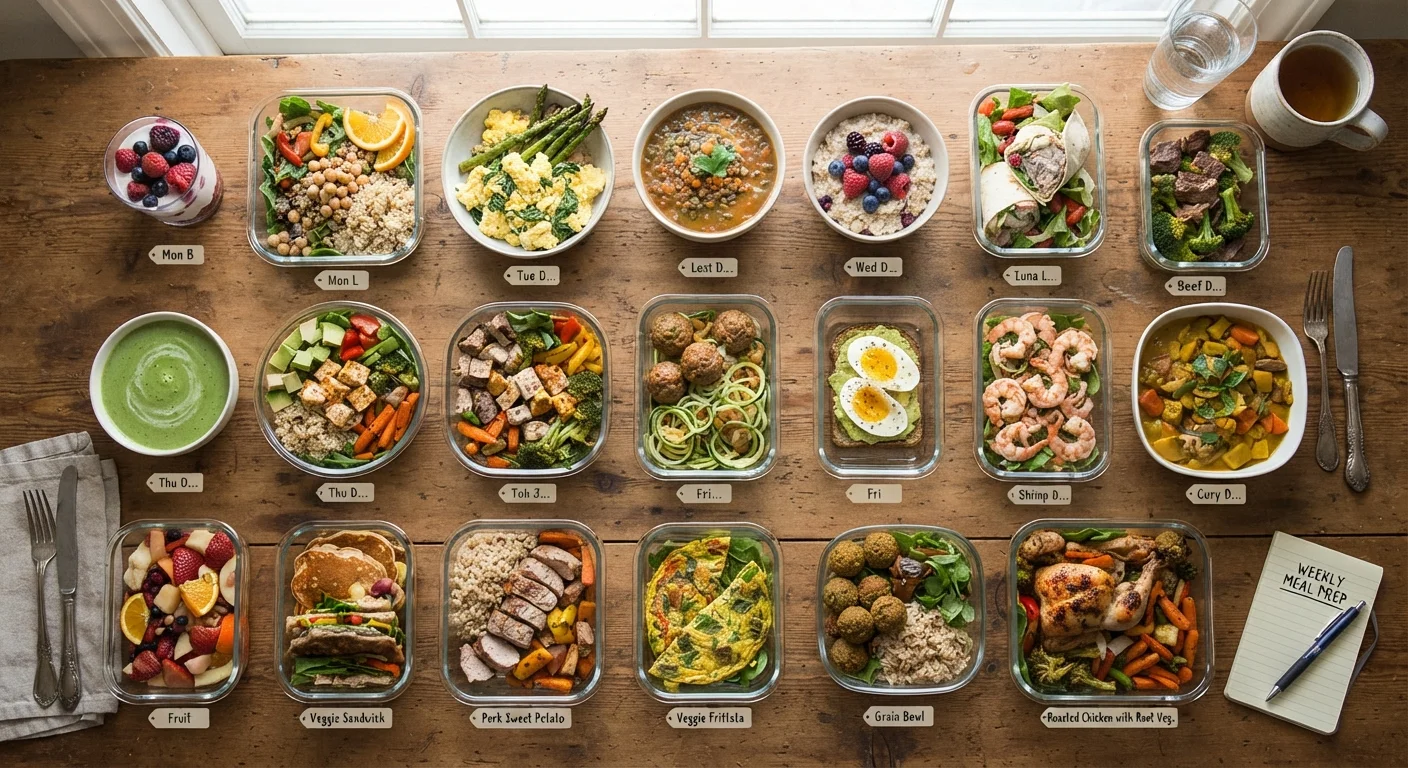
For a realistic look at how these principles play out across a full week of meals, see a week of balanced eating.
Common Pitfalls and How to Sidestep Them
Even well-intentioned eaters run into predictable gaps. Being aware of them makes it easier to course-correct without anxiety.
Labels Can Be Misleading
Food marketing terms like "natural," "multigrain," and "light" aren't regulated in ways that guarantee nutritional quality. Relying on front-of-package claims instead of ingredient lists and nutrition facts panels can quietly undermine an otherwise solid eating approach. When in doubt, check the actual ingredients.
Protein without plants: High-protein meals that crowd out vegetables miss a significant share of dietary fiber, which most Americans already under-consume. Aim to keep vegetables prominent even in protein-forward meals.
Whole-grain assumptions: "Multigrain" and "wheat" labels don't automatically mean a product is made from whole grains. Check ingredient lists for "whole" as the first word in the grain name.
Liquid calories: Beverages don't appear on your plate but can significantly affect overall nutritional balance. Sugary drinks, large portions of juice, and calorie-dense coffee drinks are easy to overlook.
For a deeper look at where balanced eating intentions often fall short, nutrition pitfalls that sneak into healthy eating routines covers the most common oversights in detail.
Building the Habit Over Time
The plate framework is most effective when it becomes a default rather than a deliberate calculation. Start with one meal per day - typically dinner, where most people have the most control over ingredients and preparation. Once that feels natural, extend the approach to lunch, then breakfast.
Consistency across a week matters more than any individual meal. A useful practice is a brief weekly self-check: Are you eating vegetables at most meals? Are whole grains appearing regularly? Is protein varied? The weekly nutrition self-check offers a structured set of questions to make that reflection easier.
If cost is a barrier, balanced plates are achievable without a large grocery budget. Frozen vegetables, dried legumes, eggs, and whole-grain staples are nutritionally solid and widely affordable. See eating well on a budget for practical strategies.
MyPlate (USDA)
The U.S. Department of Agriculture's MyPlate resource provides visual guides, food group explanations, and general dietary guidance aligned with the Dietary Guidelines for Americans.
Dietary Guidelines for Americans
The federal government's evidence-based nutrition recommendations, updated every five years, offering detailed guidance on food groups, nutrient targets, and healthy eating patterns for different life stages.
Nutrition Facts Label Explainer (FDA)
The FDA's plain-language breakdown of how to read and interpret the Nutrition Facts label found on packaged foods - a practical tool for making informed choices at the grocery store.
This article is for general informational and educational purposes only and is not a substitute for professional medical or dietary advice. Consult a qualified healthcare provider or registered dietitian for guidance specific to your health needs.