
Why a Weekly Nutrition Check-In Is Worth Your Time
Most people don't eat poorly because they lack information - they drift off course because daily life moves fast and patterns form quietly. A weekly nutrition self-check is a low-effort way to pause, reflect, and recalibrate before small habits become entrenched ones.
Unlike strict food logging, this approach focuses on broad patterns rather than precise calorie counts. Research in behavioral nutrition consistently finds that awareness of eating patterns - even without meticulous tracking - is associated with better dietary quality over time. The goal here is honest reflection, not judgment.
This checklist is organized into four practical categories covering the most common areas where balanced eating tends to slip. Work through it at the end of each week - Sunday evenings work well for many people - and note where you answered confidently versus where you hesitated. Those hesitations are your most useful data points.
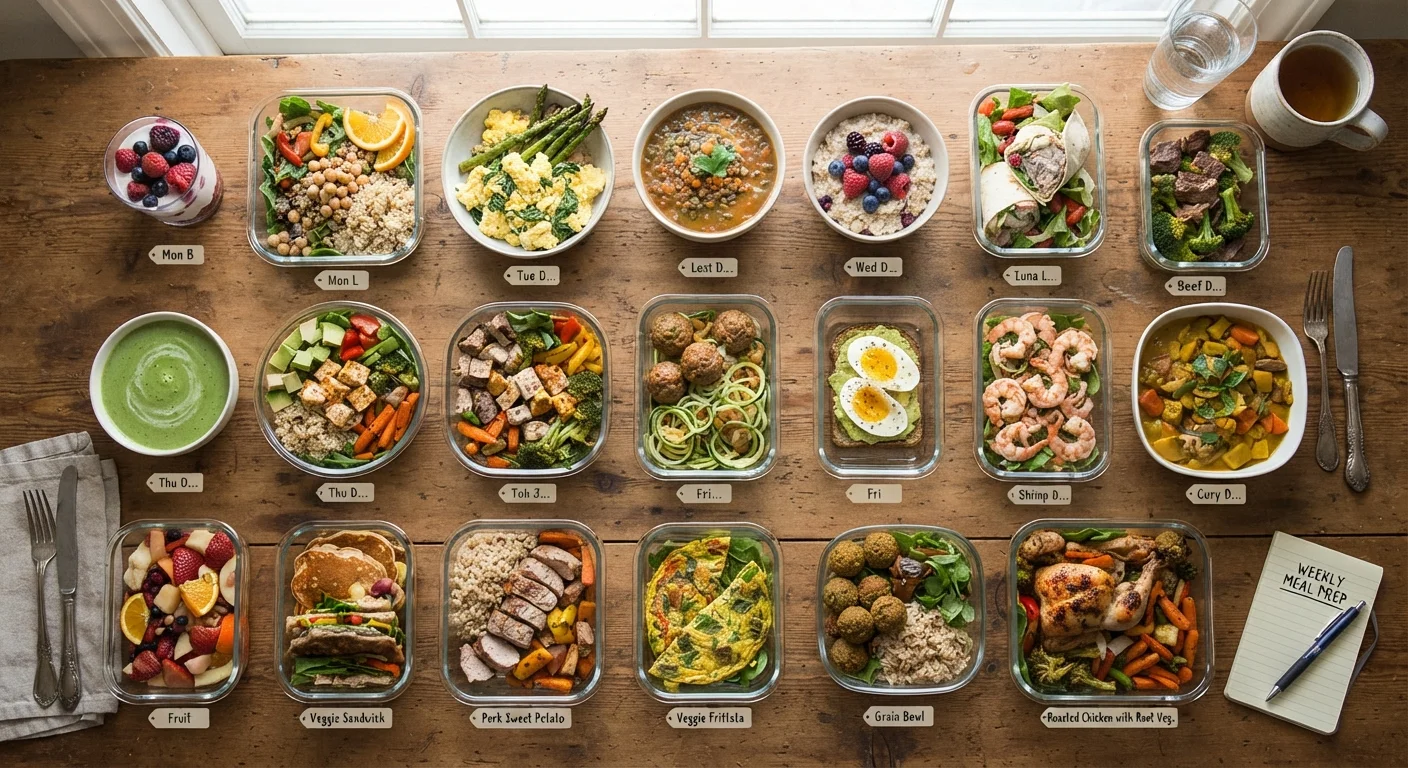
For a closer look at how good nutrition translates into realistic daily meals, see a full week of balanced eating examples. And if you're curious about the subtle ways well-intentioned habits fall short, common nutrition pitfalls is worth reading alongside this checklist.
This Is a Reflection Tool, Not a Diagnosis
This checklist is designed to support general dietary awareness for healthy adults - it is not a substitute for professional nutritional assessment or medical advice. If you have a chronic health condition, food allergy, eating disorder history, or specific health goal, work directly with a registered dietitian or your healthcare provider before making significant changes to your diet.
Your Weekly Nutrition Self-Check Checklist
Work through the questions below honestly. For each item, consider whether it reflects your experience across the majority of days this week - not just your best day or your worst.
Variety and Food Groups
Hydration
Meal Patterns and Timing
Nutrients Often Missed
Not sure how your hydration habits fit into the bigger nutrition picture? how water fits into your daily diet explains the connection between water intake, digestion, and nutrient absorption in clear terms.
Avoid Using This Checklist as a Basis for Restriction
Noticing gaps in your diet is useful information - but it should prompt gradual, balanced additions rather than rigid elimination or significant restriction. If you find yourself feeling anxious, guilty, or compelled toward highly restrictive behavior after completing this check-in, consider speaking with a healthcare provider or mental health professional. Healthy nutrition habits are built on flexibility, not perfection.
What to Do With Your Results
After working through the checklist, look at where your answers clustered. If most of your gaps fall in the same category - say, variety or vegetables - that's a useful signal about where modest, targeted changes could have the most impact.
Aim to address one or two areas at a time rather than overhauling everything at once. For practical help making those changes at the point of purchase, a room-by-room grocery store walkthrough offers section-by-section guidance for filling your cart with more nutritional balance.
Pair this nutrition check-in with a broader health routine. If you're also thinking about physical activity, a practical exercise self-assessment checklist is a helpful companion before beginning any new movement routine. For emotional and mental wellbeing, a personal mental wellness check-in follows a similar reflective format.
Repeat this self-check weekly for at least a month before drawing conclusions. One off week tells you little; a pattern across four weeks tells you a great deal.
This article is for general informational and educational purposes only and does not constitute medical or nutritional advice. Consult a registered dietitian, physician, or qualified healthcare professional for guidance specific to your health needs, conditions, or goals.