
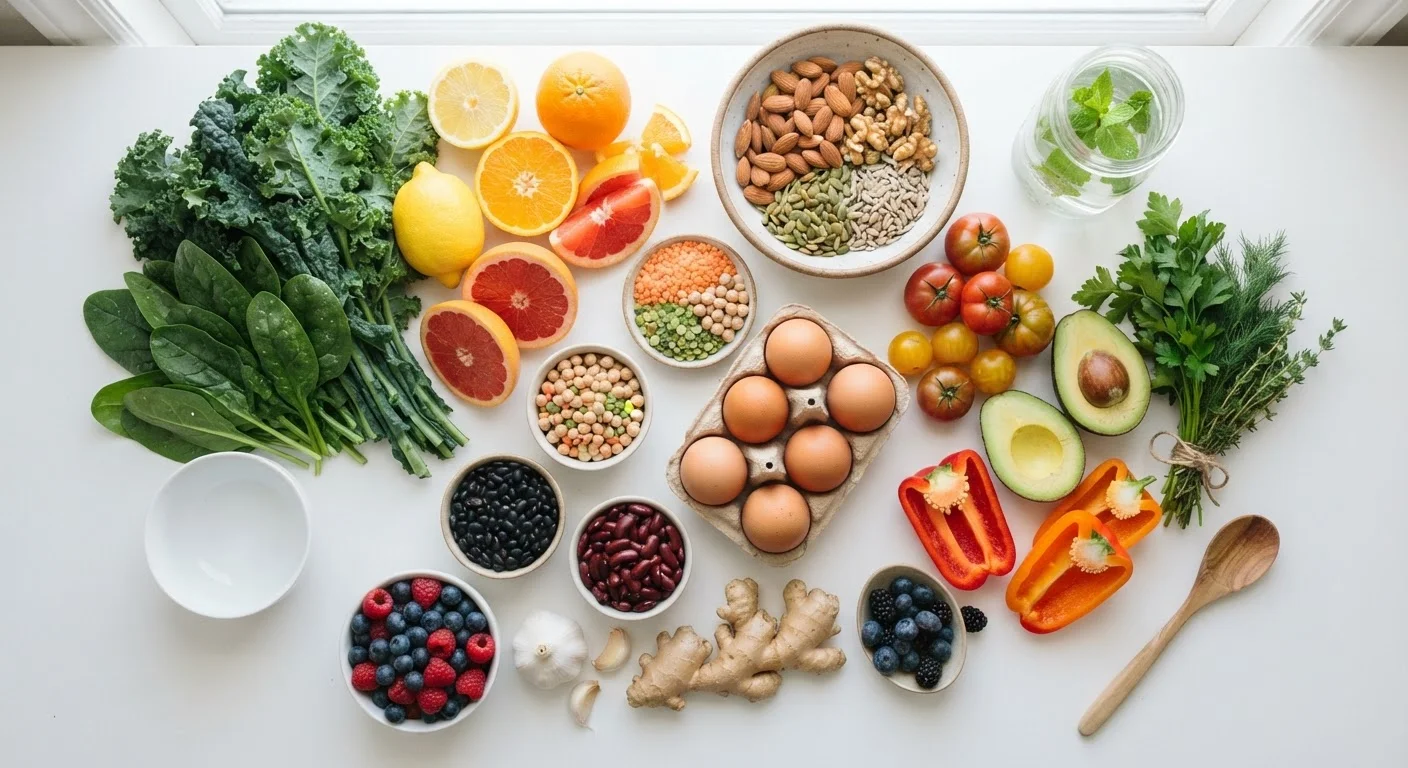
What Are Micronutrients and Why Do They Matter?
Unlike carbohydrates, protein, and fat, micronutrients - vitamins and minerals - do not provide calories. Yet they are indispensable. They drive nearly every biochemical process in the body: energy production, immune defense, bone maintenance, nerve signaling, and cell repair. Shortfalls in even a single micronutrient can quietly undermine health over time.
Adults in the U.S. are most commonly low in vitamin D, calcium, potassium, and iron, according to federal dietary surveys. Understanding what each nutrient does - and where to find it in food - is the first step toward closing those gaps.
| Total essential vitamins | 13 (4 fat-soluble, 9 water-soluble) (U.S. National Institutes of Health, Office of Dietary Supplements) |
| Most common U.S. adult deficiencies | Vitamin D, calcium, potassium, iron (Dietary Guidelines for Americans, 2020-2025) |
| Vitamin B12 consideration | Animal products only; supplementation advised for vegans (NIH Office of Dietary Supplements) |
| Vitamin D synthesis | Produced by skin on sun exposure; diet alone rarely sufficient (NIH Office of Dietary Supplements) |
| Iron absorption tip | Pair plant-based iron with vitamin C to improve uptake (Academy of Nutrition and Dietetics) |
Essential Vitamins: Functions and Food Sources
Vitamins are organic compounds divided into two categories based on how the body stores them.
Fat-Soluble Vitamins (A, D, E, K)
- Vitamin A - Supports vision, immune function, and skin integrity. Found in liver, dairy, eggs, and orange-yellow vegetables like sweet potatoes and carrots.
- Vitamin D - Regulates calcium absorption and supports bone health and immune function. Synthesized from sunlight exposure; dietary sources include fatty fish, fortified dairy, and egg yolks.
- Vitamin E - Acts as an antioxidant, protecting cells from oxidative damage. Found in nuts, seeds, vegetable oils, and leafy greens.
- Vitamin K - Essential for blood clotting and bone metabolism. Leafy vegetables such as kale and spinach are rich sources.
Water-Soluble Vitamins (B-Complex and C)
- B vitamins (B1, B2, B3, B5, B6, B7, B9, B12) - Collectively support energy metabolism, red blood cell production, and nervous system function. Whole grains, legumes, eggs, meat, and dairy cover most of the group; vitamin B12 is found almost exclusively in animal products, making supplementation relevant for those following plant-based diets.
- Vitamin C - Supports immune function, collagen synthesis, and iron absorption from plant foods. Citrus fruits, bell peppers, strawberries, and broccoli are excellent sources.
Micronutrient
A vitamin or mineral required in relatively small amounts that the body cannot produce in sufficient quantities on its own. Micronutrients must be obtained through diet and are essential for normal physiological function.
Fat-Soluble Vitamin
Vitamins A, D, E, and K, which are absorbed alongside dietary fat and stored in the liver and fatty tissues. Because they accumulate in the body, excessive intake from supplements can reach harmful levels.
Water-Soluble Vitamin
Vitamins B-complex and C, which dissolve in water and are not stored in large amounts. Excess amounts are generally excreted in urine, so regular dietary intake is important.
Daily Value (DV)
A reference amount established by the U.S. Food and Drug Administration used on Nutrition Facts labels to indicate how much a nutrient in a serving contributes to a standard daily diet.
Heme Iron
A form of iron found in animal-based foods such as red meat, poultry, and fish that is more readily absorbed by the body compared to non-heme iron from plant sources.
Bioavailability
The proportion of a nutrient that the body actually absorbs and uses after consumption. Bioavailability can be influenced by food preparation methods, nutrient interactions, and individual health status.
Key Minerals Adults Commonly Need
Minerals are inorganic elements obtained through food and water. Macrominerals are needed in larger amounts; trace minerals are required in smaller quantities but are equally critical.
Macrominerals
- Calcium - Builds and maintains bone density; supports muscle contraction and nerve transmission. Found in dairy, fortified plant milks, tofu made with calcium sulfate, and leafy greens.
- Magnesium - Involved in over 300 enzymatic reactions, including energy production and muscle function. Sources include nuts, seeds, whole grains, and dark leafy vegetables.
- Potassium - Helps regulate blood pressure and fluid balance. Bananas, potatoes, beans, and avocados are good sources.
Trace Minerals
- Iron - Carries oxygen in red blood cells. Heme iron from meat is more readily absorbed; non-heme iron from legumes and fortified cereals is absorbed more efficiently when paired with vitamin C.
- Zinc - Supports immune response, wound healing, and DNA synthesis. Shellfish, red meat, pumpkin seeds, and legumes provide meaningful amounts.
- Iodine - Critical for thyroid hormone production. Iodized salt and seafood are primary sources in the U.S. diet.
~42%
U.S. adults with vitamin D insufficiency
Based on analysis of NHANES data published in Nutrition Research, examining serum 25-hydroxyvitamin D levels across the U.S. adult population.
300+
Enzymatic reactions requiring magnesium
According to the NIH Office of Dietary Supplements, magnesium is a cofactor in more than 300 enzyme systems regulating diverse biochemical reactions.
~10 mg/day
Recommended iron intake for adult men
The Recommended Dietary Allowance for iron is approximately 8 mg/day for adult men and 18 mg/day for premenopausal women, per NIH guidelines.
Practical Strategies for Meeting Your Needs
Most healthy adults can meet their micronutrient needs through a varied, whole-food diet. A few consistent habits make a real difference:
- Eat a wide color range of vegetables and fruits. Different pigments signal different phytonutrients and micronutrient profiles.
- Include legumes and whole grains regularly. These deliver B vitamins, magnesium, iron, and zinc at low cost.
- Don't overlook dairy or fortified alternatives. Calcium and vitamin D are hard to obtain in adequate amounts without these foods or fortified substitutes.
- Read nutrition labels. The % Daily Value column tells you how much a serving contributes toward your daily target. See how to read a nutrition facts label for a full breakdown.
- Audit your habits periodically. Use a weekly nutrition self-check to spot recurring gaps before they compound.
This article provides general nutritional information and education only - it is not a substitute for personalized medical or dietary advice. If you have concerns about specific nutrient deficiencies, consult a registered dietitian or qualified healthcare professional before making significant changes to your diet or starting supplements.