Why Merging Goes Wrong
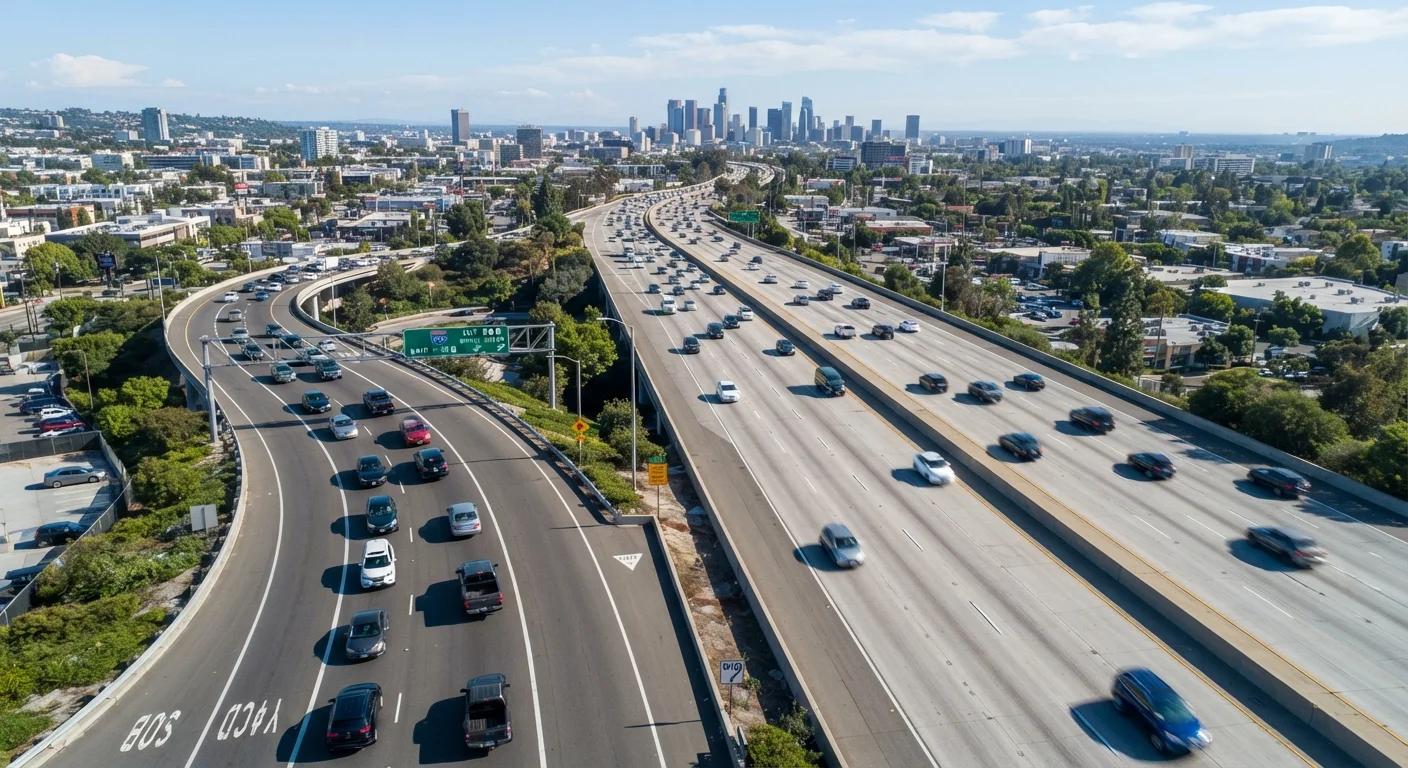
Highway merging demands split-second timing, spatial awareness, and confidence - all at once. Yet many drivers never received structured coaching on it beyond their initial license test. The result is a mix of bad habits, misunderstood rules, and anxiety-driven decisions that contribute to rear-end collisions, sideswipes, and sudden braking events every day on American freeways.
Whether you're a new driver still building confidence or an experienced driver with years of unchecked habits, understanding where merging typically breaks down can make a real difference. For a broader foundation of safe driving principles, see safe driving habits that experienced drivers build over time.
Stopping at the end of the on-ramp before merging.
Why it happens: Drivers panic when they don't see an immediate gap and treat the merge point like a stop sign, not realizing the ramp is designed for acceleration.
Merging at a speed far below highway traffic flow.
Why it happens: Drivers are taught to slow down in many situations, so the instinct to enter a fast road slowly feels cautious - but it creates a dangerous speed differential.
Failing to check blind spots before moving into the travel lane.
Why it happens: Drivers rely solely on mirrors, which have a well-known blind zone along the rear quarter panels - a space large enough to conceal a full-size vehicle.
Not signaling before merging onto the highway.
Why it happens: Some drivers consider turn signals optional on ramps, or they're focused on speed-matching and simply forget.
Refusing to use the zipper merge when a lane ends.
Why it happens: Many drivers believe that merging early is courteous, and staying in a closing lane until its end feels rude or aggressive. This misunderstanding leads to underused lanes and longer backups.
Cutting across multiple lanes immediately after merging.
Why it happens: Drivers who need a specific exit or who are uncomfortable in the right lane move laterally too quickly after entering, compounding merge risk with lane-change risk.
How to Merge the Right Way
Correct merging isn't complicated, but it requires deliberate practice. The on-ramp is an acceleration lane - use all of it. By the time you reach the merge point, your speed should be close to traffic flow, ideally within 5-10 mph. Signal early (at least three seconds before your intended merge), check your mirrors, glance over your left shoulder to clear your blind spot, and slide into a gap - don't force one.
Never Stop on a Live On-Ramp
Coming to a complete stop at the end of an on-ramp - rather than adjusting speed and finding a gap - puts you at serious risk of a high-speed rear-end collision from vehicles accelerating behind you. If traffic is heavy, reduce speed gradually while continuing to scan, and merge into the first safe gap you can match speed with.
Once on the highway, resist the urge to slow down immediately. Maintain your speed and blend smoothly into the lane's flow. If a gap isn't available, adjust your speed within the ramp rather than stopping - stopping on a live on-ramp is one of the highest-risk positions you can put yourself in.
Drivers who understand lane discipline and road markings make better merge decisions. Brushing up on common traffic signs and what they really mean - including yield and merge signs - helps reinforce the legal framework around these maneuvers.
~300,000
Annual U.S. merge and lane-change crashes
According to NHTSA data, lane-change and merge maneuvers are among the most common pre-crash scenarios recorded in multi-vehicle highway collisions.
40%
Reduction in merge-zone backup length
Transportation research on zipper merging has indicated backup reductions of roughly 40% compared to early-merge behavior in lane-closure scenarios.
For newer drivers still getting comfortable on fast roads, the new driver's complete introduction to road safety covers the foundational mindset and situational awareness skills that make highway driving less intimidating.