What App Store Ratings Actually Measure
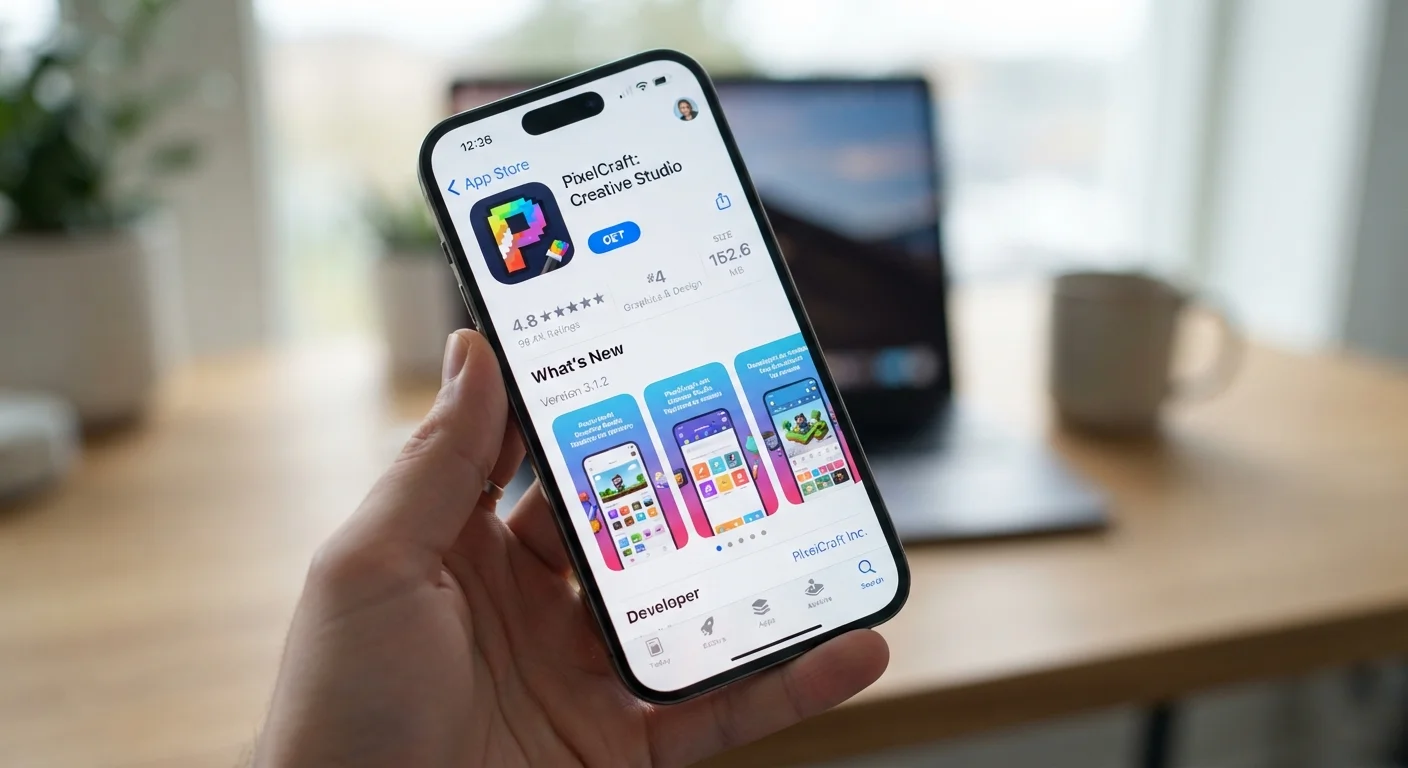
When you search for an app, a row of yellow stars is often the first thing you notice. It feels like a quick, trustworthy signal — a crowd-sourced verdict from thousands of users. But understanding what those stars actually measure helps you use them more intelligently.
App store ratings aggregate scores submitted by users who chose to rate the app, typically on a one-to-five-star scale. Both the Apple App Store and Google Play calculate an overall score from these submissions. The number you see, however, reflects who rated the app and when — not a random, representative sample of everyone who downloaded it.
Satisfied users and deeply frustrated users are both more motivated to leave a rating than the majority in the middle. This creates an inherent pull toward the extremes. A 4.6-star app may have earned it, or it may reflect a vocal enthusiast community, an in-app prompt strategy, or a recent spike in positive reviews following an update. Context matters enormously.
For a deeper look at what you're actually agreeing to when you download an app, see our article on the hidden costs of free apps.
Common Myths About App Ratings — Corrected
Several widespread assumptions about star ratings lead users to either over-trust or dismiss them. The myth-and-fact pairs below break down the most common misconceptions so you can evaluate ratings with a clearer eye.
Myth
A higher star rating always means a better app.
Fact
Star ratings measure user satisfaction among those who rated — not objective quality, security, or suitability for your specific use case.
An app can earn consistently high ratings because it does one narrow thing well and attracts users who love exactly that — even if it lacks features you need, collects more data than you'd like, or hasn't been updated in over a year. Ratings reflect the preferences of a self-selected group, not a universal quality benchmark. Always ask: what are these users praising, and does that match what I need?
Myth
More ratings means the score is more trustworthy.
Fact
Volume improves statistical reliability, but it doesn't guard against coordinated fake reviews, rating prompts timed after positive interactions, or demographic skew.
Both major app stores have faced documented challenges with fraudulent reviews. Some developers use services that generate artificial ratings, while others time their in-app review prompts to appear immediately after a user completes a rewarding action — like finishing a level or receiving a refund. The result is a systematically inflated score. A large sample size helps average out random noise, but it doesn't correct for systematic bias built into when and how users are asked to rate.
Myth
A 1-star rating means the app is broken or dangerous.
Fact
Many 1-star reviews reflect user frustration with pricing changes, lost progress, or misunderstood features — not fundamental flaws in the software.
When a popular app moves to a subscription model or removes a previously free feature, it often triggers a flood of one-star ratings from disappointed users — even if the core app functions perfectly. Reading the actual text of low-rated reviews reveals whether the criticism is technical (crashes, data loss, security concerns) or situational (disagreement with a business decision). Both are valid feedback, but they point to very different risks for a new user.
Myth
Apps with low or no ratings are risky and should be avoided.
Fact
New or niche apps simply have fewer users to generate ratings; low volume doesn't indicate poor quality or safety.
A productivity tool built for a specific professional workflow, or a utility app released by a small independent developer, may have fewer than 50 ratings — not because it underperforms, but because its audience is small. In these cases, look beyond the rating: examine the developer's website, check whether the app has been covered by credible tech publications, and review its stated permissions and privacy policy. These signals often tell you more than a sparse star count.
Myth
The overall star score updates in real time and reflects current performance.
Fact
Both major app stores can display cumulative historical ratings by default, meaning the score may include years of older reviews that predate current versions.
Apple and Google have both offered developers the option to reset ratings when a major new version launches, but not all developers use this feature, and stores may display all-time averages unless you look carefully. An app that was excellent three years ago but has declined in quality — or vice versa — may not have a score that reflects its current state. Filtering reviews by the most recent period is one of the simplest ways to get a more accurate picture.
How to Evaluate an App More Thoroughly
Star ratings are a reasonable first filter, but they work best as one signal among several. Here's a practical framework for digging deeper:
- Read recent reviews, not just top ones. Sort by most recent to see whether quality has improved or declined after updates. A 4.8-star app with a wave of one-star reviews in the last month is a warning sign.
- Check the update history. An app last updated two years ago may have unpatched bugs or compatibility issues with current operating systems, regardless of its rating.
- Look at the developer's response pattern. Developers who reply to critical reviews — especially with solutions — tend to be more invested in the product's ongoing quality.
- Review requested permissions. An app asking for access to your contacts, microphone, or location without an obvious reason is worth scrutinizing. Our guide on digital privacy settings most people never touch covers this in detail.
- Note the total review count. A 4.9-star rating from 47 users is statistically far less reliable than a 4.3 from 80,000.
~42%
Apps with ratings of 4 stars or higher on major stores
Research from app analytics firms has consistently found the majority of rated apps cluster above 4 stars, suggesting widespread rating inflation rather than universal quality.
Top 10%
Review writers among all app users
Studies on online review behavior indicate that only a small fraction of users leave any review, meaning ratings reflect a narrow, self-selected group rather than all users.
Understanding how an app is sold can also affect your assessment. A subscription model may incentivize developers to maintain and update an app consistently, while a one-time purchase may not. Our breakdown of subscription apps vs. one-time purchase software explains the difference.
App ratings, much like camera megapixel counts, can sound impressive while masking what truly matters — a parallel explored in our piece on camera specs that matter vs. numbers that just sound impressive.