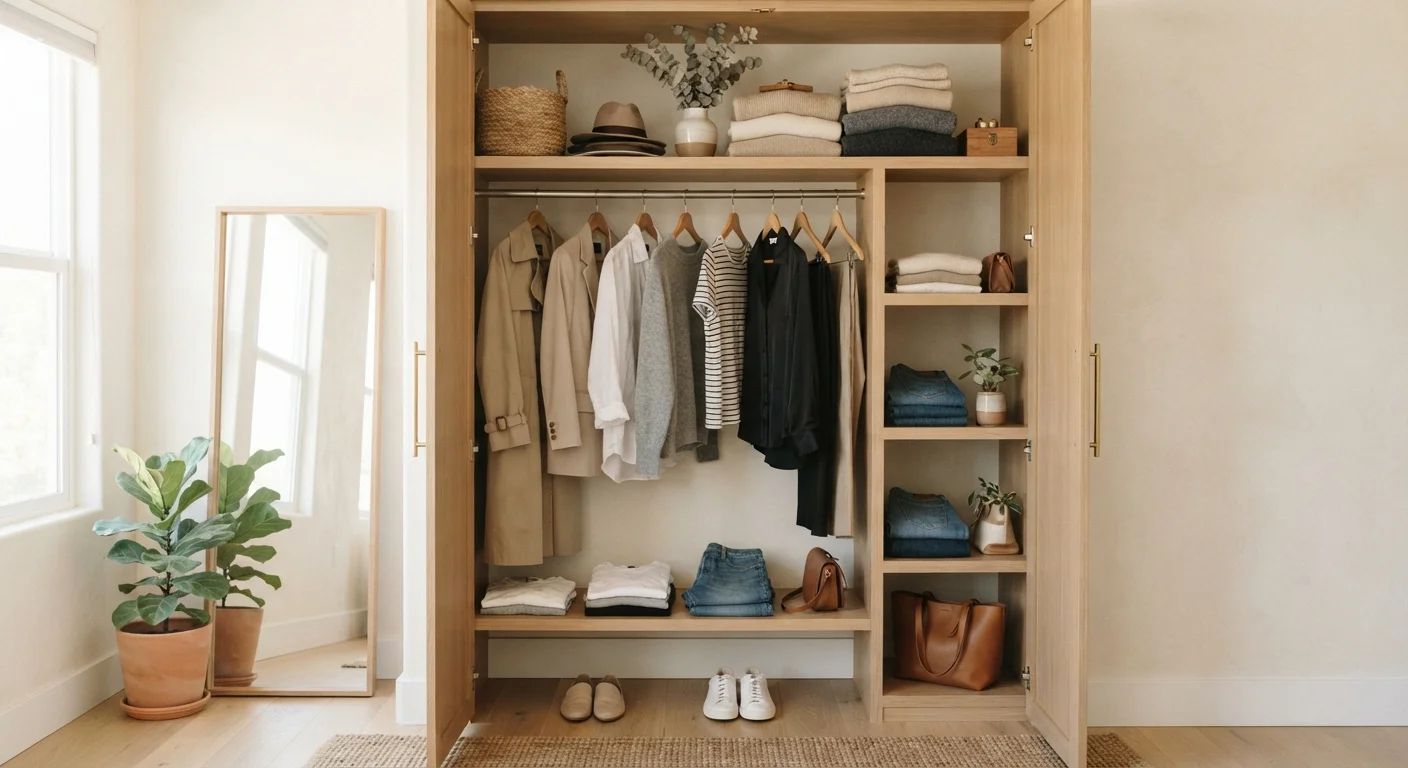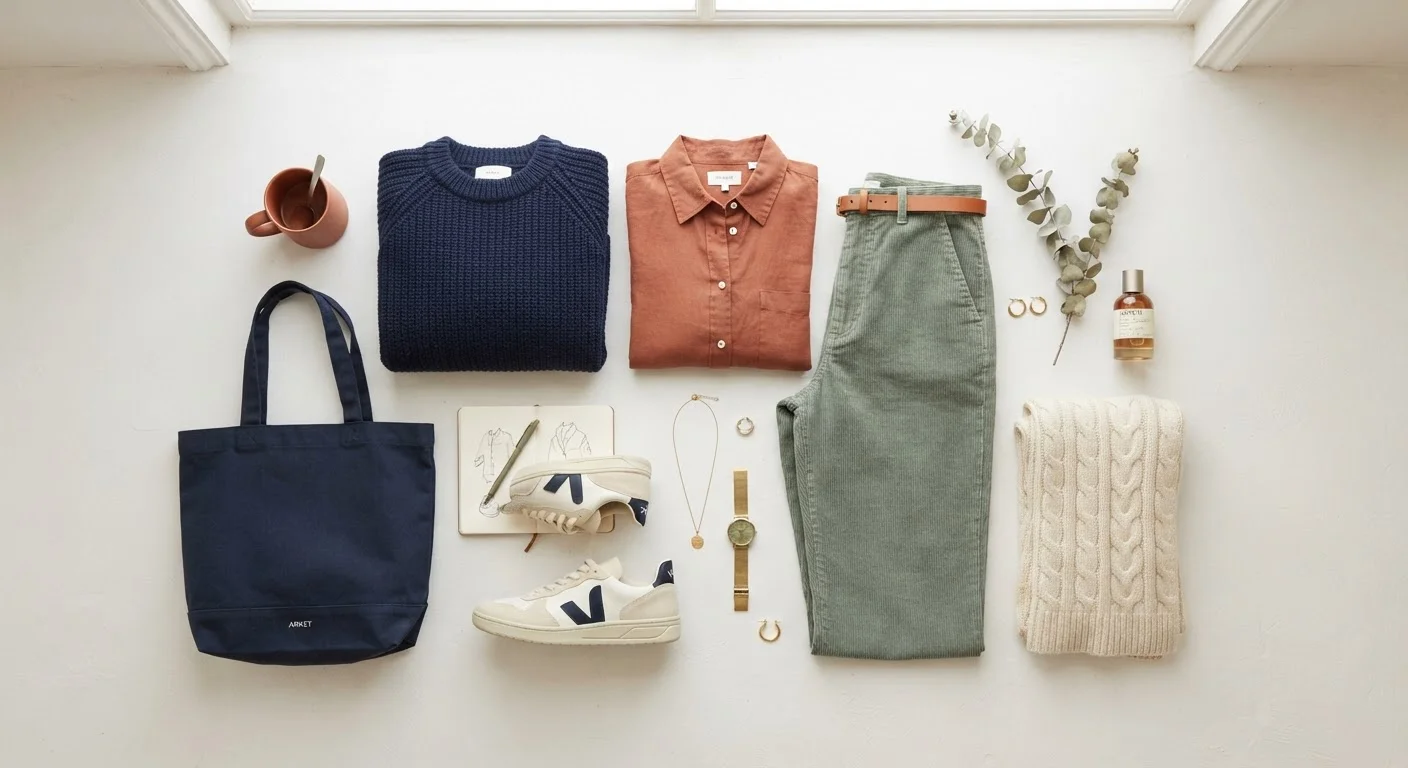
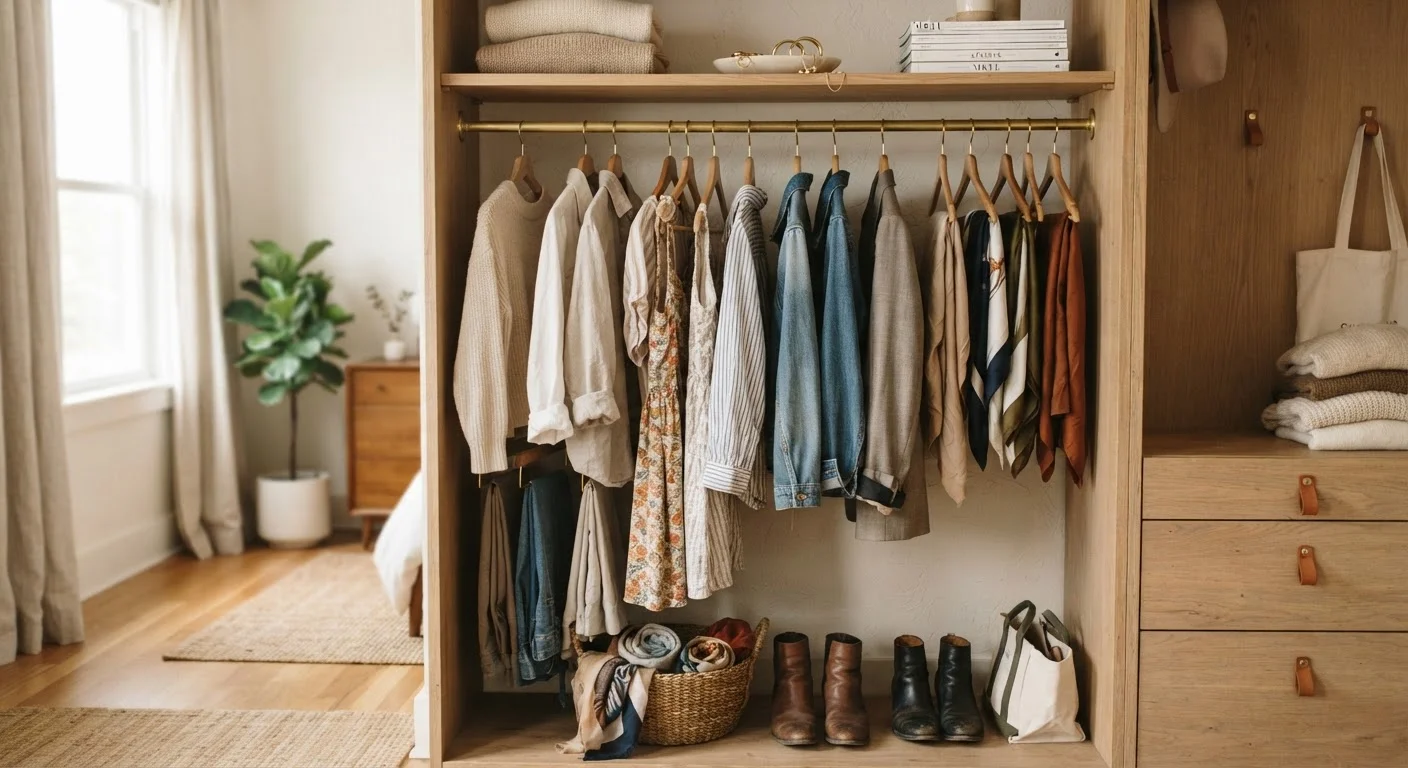
Why a Full Closet Can Still Leave You Stranded
The experience is surprisingly common: you're standing in front of a closet packed with clothes and feeling like you have absolutely nothing to wear. This isn't just a moment of decision fatigue — it's often a symptom of genuine wardrobe gaps. Specific types of pieces are missing, and without them, everything else fails to connect.
Wardrobe gaps don't announce themselves in advance. They show up at 7 a.m. before an important meeting, or when you receive a last-minute invitation, or when the temperature drops unexpectedly. Understanding which gaps tend to catch people off guard is far more useful than buying more of what you already have. If you're building a wardrobe from the ground up, recognizing these gaps early saves both money and frustration.
Reactive Shopping Costs More Over Time
When a wardrobe gap surfaces at the last minute — an unexpected interview, a formal event, a sudden cold snap — most people panic-buy whatever is available. These rushed purchases rarely align with what you already own, which compounds the gap rather than closing it. Planning purchases thoughtfully, even modestly, almost always leads to better long-term value and a more coherent wardrobe.
The Most Common Wardrobe Gaps — and How to Close Them
These aren't abstract style concepts. Each of the mistakes below represents a real, recurring pattern — the kind that turns a seemingly abundant wardrobe into a daily source of frustration. Recognizing them is the first step toward fixing them deliberately rather than reactively.
Owning plenty of statement pieces but no neutral connectors to tie them together.
Why it happens: Bold, eye-catching items are easier to feel excited about when shopping, so they get prioritized. Neutral basics feel boring to buy but are the actual workhorses of a functional closet.
Having no reliable layering piece for transitional weather or climate-controlled spaces.
Why it happens: Layering pieces — a structured blazer, a lightweight cardigan, a versatile jacket — tend to feel like optional extras rather than necessities until you desperately need one.
Owning shoes only at the extremes — ultra-casual sneakers and formal dress shoes — with nothing in between.
Why it happens: People tend to shop for obvious occasions. The middle-ground shoe, appropriate for a dinner, a casual Friday, or a daytime event, gets overlooked because it doesn't fit neatly into a single mental category.
Neglecting occasion-specific clothing until an event is imminent.
Why it happens: Formal or semi-formal occasions happen infrequently enough that it's easy to assume 'I'll deal with it when I need to.' That delay usually results in a stressful, expensive last-minute scramble.
Buying multiples of items you love while leaving entire categories completely empty.
Why it happens: Comfort and habit drive repeat purchases. If you love a particular style of t-shirt or a silhouette that works for you, it feels natural to keep buying variations — while ignoring categories that feel less exciting or familiar.
If your outfits often feel disconnected or like they don't quite work together, there may be deeper cohesion issues at play beyond individual missing pieces. Our editorial breakdown on why outfits feel inconsistent explores that dimension in more detail.
Closing Gaps Without Overspending
The goal isn't to go on a shopping spree — it's to shop with intention. Once you've identified which categories are genuinely underrepresented in your wardrobe, you can prioritize thoughtfully over time rather than buying everything at once.
~80%
Of wardrobe items rarely or never worn
Fashion industry research and consumer surveys consistently suggest that most people wear only a small fraction of what they own on a regular basis.
1 in 3
Shoppers who regret impulse clothing buys
Consumer behavior studies indicate that a significant share of clothing purchases are made reactively — often in response to a gap or event — and later go underused.
If wardrobe spending is a budget consideration, it helps to treat clothing purchases the same way you'd approach any discretionary category: plan ahead, set a realistic ceiling, and prioritize items with the widest utility. Resources like budgeting basics can offer practical frameworks for working clothing costs into your monthly spending plan without stress.
A smarter wardrobe doesn't require a bigger one — just a more intentional one. Spot the gaps, address them systematically, and the clothes you already own will start working much harder for you.