Why Clothing Sizes Are So Inconsistent
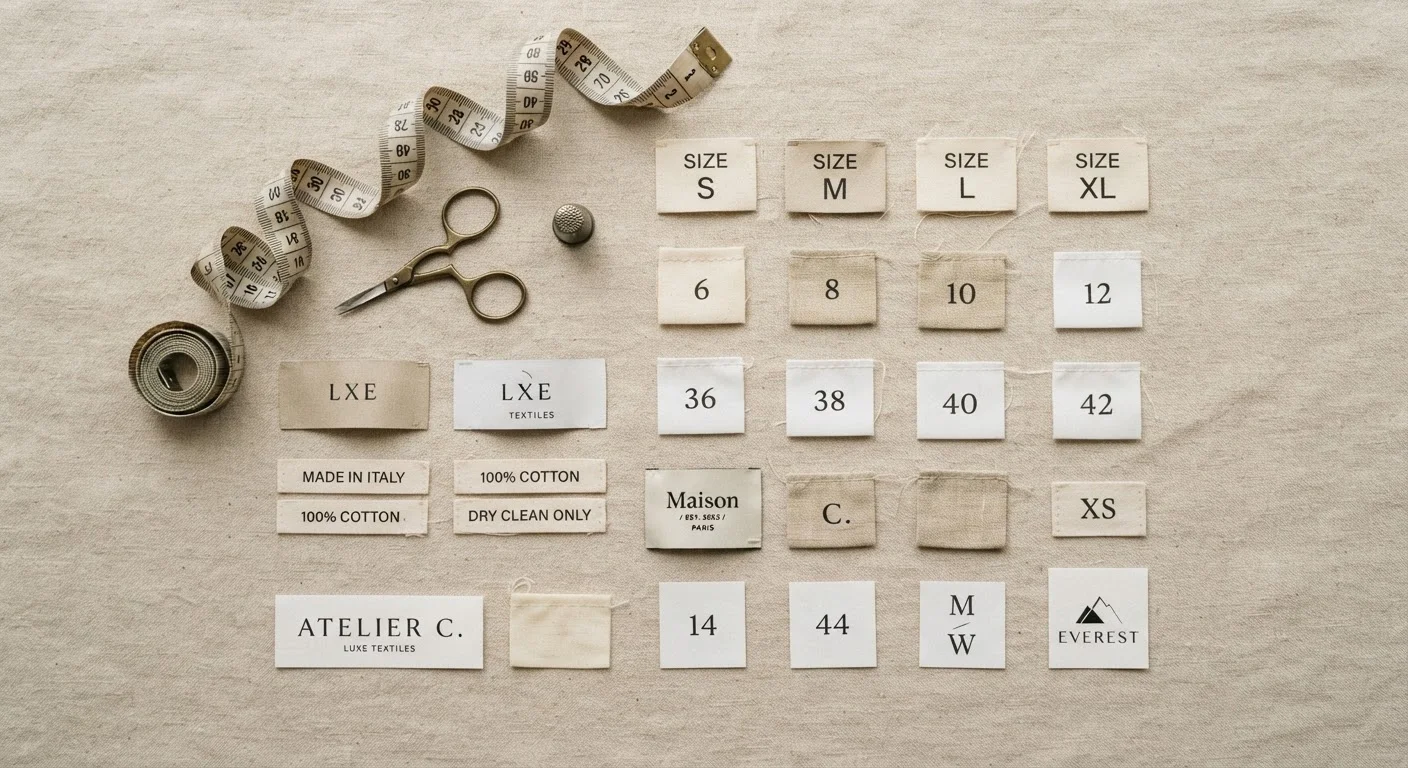
Walk into five different stores wearing a size 8, and you may find that you're a 6 in one, a 10 in another, and somewhere in between everywhere else. This isn't a glitch — it's simply how the industry works. Unlike standardized units of measurement, clothing sizes are not governed by a universal system. Each brand sets its own size grading, which means the number on the tag reflects that brand's internal logic, not a fixed body dimension.
This inconsistency is compounded by vanity sizing — the practice of labeling garments with smaller numbers than their actual measurements to make shoppers feel better. Over the past few decades, documented shifts in garment measurements show that a size 10 today may correspond to what was once labeled a size 14 or 16. Add international sizing systems into the mix — US, UK, European, and Asian standards all differ — and the number on a label becomes even less meaningful as a standalone reference.
The same challenge appears across garment types. A size large in a jersey T-shirt follows completely different proportions than a size large in a structured blazer. And within a single brand, sizing in denim may not match sizing in dress pants. It's a fragmented landscape that rewards shoppers who know to look beyond the label.
Fit vs. Size: What's Actually Different
Size is the label. Fit is the experience. When a garment fits well, it moves with you, sits correctly at the shoulders, doesn't pull across the back, and doesn't gap at the chest or waist. None of that is captured by a number.
| Criterion | Clothing Size | Garment Fit |
|---|---|---|
| What it measures | A brand's internal label system | How the garment sits on your body |
| Consistency across brands | Highly variable | Universally observable |
| Usefulness for online shopping | Limited without a size chart | High when paired with measurements |
| Emotional neutrality | Often charged with self-image associations | Objective and body-neutral |
| Best used for | Initial browsing and filtering | Final purchasing decision |
| Affected by vanity sizing | Yes — numbers shift over time | No — fit cues remain consistent |
Understanding the difference helps remove the emotional weight many people attach to clothing sizes. A size doesn't define your body — it's simply a rough starting point for narrowing down which items to try. Fit is the real measure of whether something belongs in your wardrobe.
Good fit varies by garment type too. In a well-fitted shirt, the shoulder seam sits at the edge of your shoulder — not drooping down the arm or riding up toward your neck. In trousers, the waist should sit without a belt holding things together, and there should be enough seat and thigh room to sit comfortably. These are fit cues that no size number communicates on its own.
If you find a piece that fits well in most areas but needs minor adjustment, that's often worth pursuing. Our guide on tailoring vs. buying the right fit off the rack walks through when alterations make sense and when it's better to keep looking.
How to Shop by Fit Instead of Size
The most practical shift you can make is to start with your body measurements rather than your size history. A soft measuring tape and three key numbers — chest or bust, natural waist, and hips — will serve you better than any size label. For bottoms, add your inseam. These measurements let you compare directly against a brand's size chart, which most retailers publish online.
US, UK, EU, AU
Major incompatible sizing systems worldwide
Each regional sizing standard uses different base measurements, meaning a US size 8 does not equal a UK size 8 or a European size 38.
3–5 sizes
Typical size variation across brands for same body
Fashion industry research and consumer reports consistently show the same individual fitting multiple different sizes depending on the brand and garment type.
When shopping in person, resist the urge to grab only your usual size. Pull items in a range of sizes and let the fit guide you. Pay attention to where garments are pulling, where they have excess fabric, and whether the proportions work for your frame. These observations are more informative than the tag.
It also helps to learn your fit preferences by garment type. Do you prefer a relaxed fit in denim and a tailored fit in blazers? Noting what works for your body in specific categories makes future shopping faster and more confident. You might also find that certain brands consistently fit you well — that's useful pattern recognition worth tracking.
Don't overlook the care label either. Once you find a garment with great fit, knowing how to maintain it is essential. Our guide to reading clothing care labels helps you decode the symbols so your well-fitting pieces stay that way. And if you want to challenge other assumptions you've absorbed about dressing well, our piece on style myths that keep people stuck is worth a read.