Why Dress Codes Still Matter
Whether you're RSVP-ing to a wedding, prepping for a job interview, or heading to a rooftop happy hour, dress codes communicate expectations — and reading them correctly is a genuine skill. Getting it wrong doesn't just affect your outfit; it affects how comfortable and confident you feel in the room.
The problem is that dress code language has never been perfectly standardized. "Smart casual" means something different to a New York ad agency than it does to a Southern country club. That ambiguity is exactly why understanding the underlying logic — not just a list of dos and don'ts — is so useful. For a closer look at how these registers compare side by side, see our occasion dressing breakdown.
| Most Misunderstood Dress Code | Smart Casual |
| Formality Levels (Low to High) | Casual → Smart Casual → Business Casual → Business Formal → Cocktail → Black Tie |
| Black Tie Standard (Men) | Tuxedo, dress shirt, bow tie, formal leather shoes |
| Business Casual Gray Area | Denim — dark and well-fitted may work in some settings |
| Safe Rule When Unsure | Dress one level above your best guess |
The Formality Spectrum, Level by Level
Think of dress codes as existing on a sliding scale from fully relaxed to strictly ceremonial. Here's what each major level actually calls for:
Casual
Casual means comfortable and personal — jeans, t-shirts, sneakers, and everyday separates all fit. The only real rule: avoid anything visibly dirty, torn (unless intentionally styled), or sloppy. Casual is not "anything goes"; it's just the most relaxed end of the spectrum.
Smart Casual
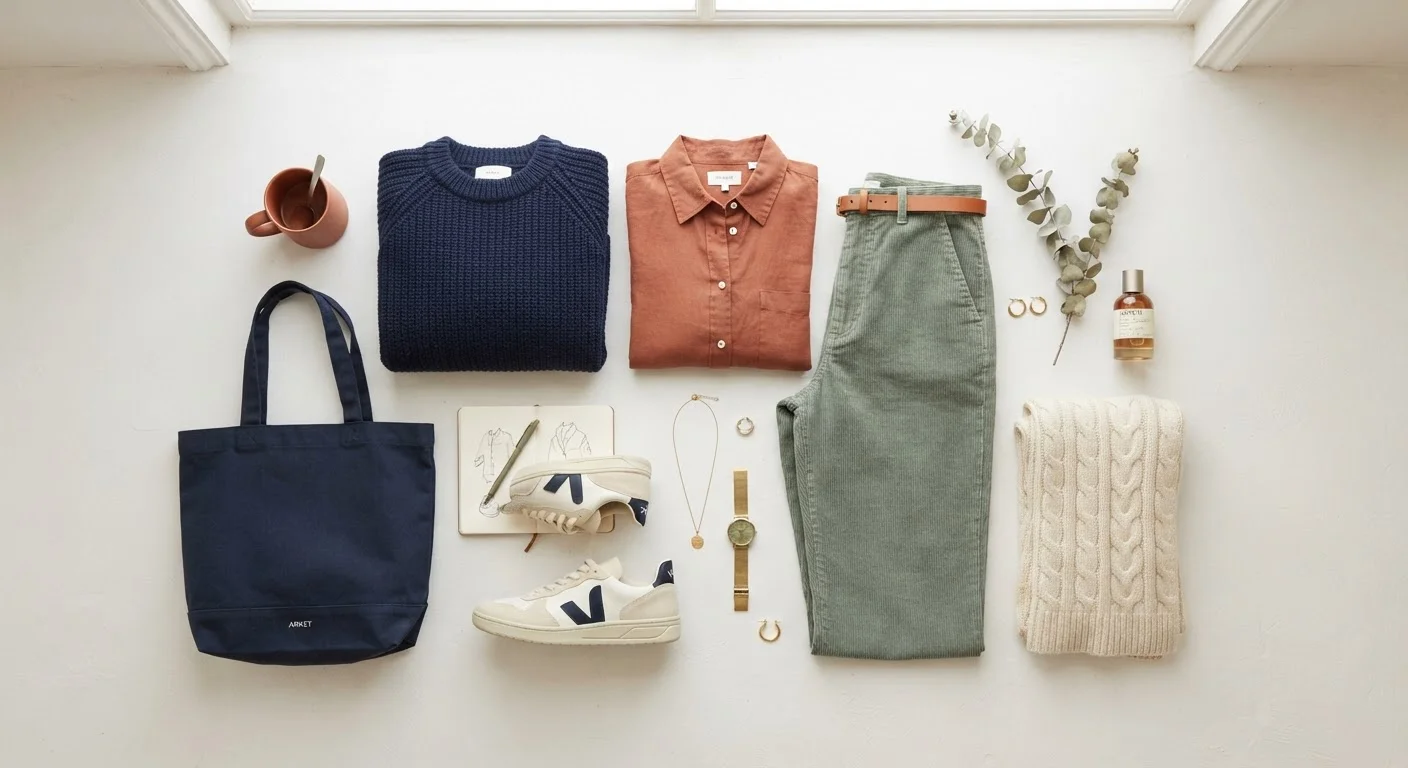
This is the most commonly misread dress code. Smart casual bridges the gap between relaxed and polished. Think dark-wash jeans or chinos paired with a neat blouse, button-down, or structured top. Clean leather or suede footwear elevates a look significantly. Avoid athletic wear, graphic tees, and flip-flops.
Business Casual
Common in workplace settings, business casual means professional without being stuffy. Slacks or tailored trousers, blouses, collared shirts, blazers, and closed-toe shoes are all appropriate. Denim is generally a gray area — dark, well-fitted jeans can work in some offices, but when in doubt, swap them for trousers.
Business Formal / Professional
Here, suits — or a coordinated skirt or trouser suit — are the expectation. Neutral or subdued colors tend to read as most authoritative. Accessories should be understated and intentional. This is the standard for courtrooms, formal interviews, and executive presentations.
Cocktail Attire
Cocktail attire is festive but not ceremonial. Midi or knee-length dresses, tailored jumpsuits, and dark suits with a tie (or an open collar, depending on the event's vibe) all work well. Steer clear of floor-length gowns — save those for formal events — and anything too casual like sundresses or linen shorts.
Black Tie
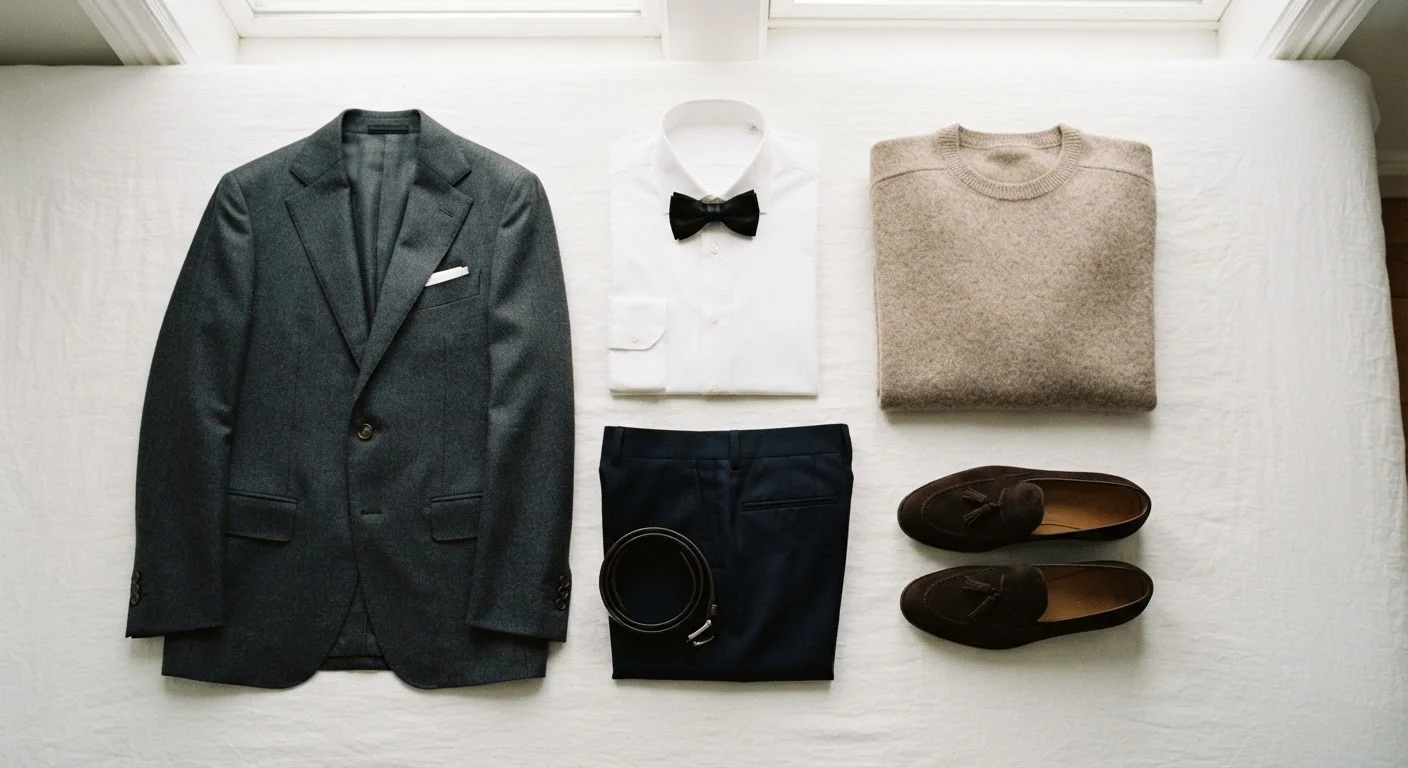
Black tie is the most formal dress code you'll encounter at most social events. For women and femme-presenting guests, a floor-length gown is traditional, though an elegant formal jumpsuit or a sophisticated cocktail-length dress can be appropriate depending on the venue. For men and masc-presenting guests, a tuxedo — complete with a dress shirt, bow tie, and patent or polished leather shoes — is expected. Black tie is not the occasion for creative liberties unless the invitation specifically says "black tie optional" or "black tie creative."
Black Tie
A formal evening dress code requiring tuxedos (or equivalent formal attire) and floor-length or sophisticated formal wear. It signals a ceremonial or high-prestige occasion.
Cocktail Attire
A semi-formal dress code typically requiring knee-to-midi-length dresses or dark suits. It sits between business formal and black tie on the formality scale.
Smart Casual
A dress code that blends polished and relaxed elements — think neat, well-fitted clothing without a full suit or formal gown. Often the most misinterpreted register.
Business Casual
A professional but relaxed workplace dress code that favors tailored separates, blouses, and collared shirts over full suits or casual streetwear.
Formality Register
The level of dress formality appropriate for a given occasion, ranging from casual to ceremonial. Understanding which register an event calls for helps you dress with intention.
How to Decode an Ambiguous Invite
When an invitation's dress code is unclear, context clues are your best tools. Consider the venue (rooftop bar vs. historic ballroom), the time of day (daytime events skew less formal), and the host's personal style if you know them. When genuinely unsure, it's almost always safer to dress one level up — you can remove a blazer, but you can't add one you didn't bring.
Keep in mind that dress codes are also evolving. Many workplaces have relaxed from full business formal to business casual, and some social events now blend registers entirely. The core principle remains: show the host and other guests that you made a considered effort. That intention reads across every formality level.
For readers who want to push creative boundaries within these frameworks, some dress code conventions are genuinely worth bending — knowing the rules first makes breaking them a choice, not an accident. And when building outfits within any formality tier, solid color coordination skills make the process significantly easier.
"Black Tie Optional" Is Not Casual
When an invitation says "black tie optional," it doesn't mean you can show up in jeans. It signals that a tuxedo is welcome but not mandatory — a dark formal suit is the appropriate alternative. Cocktail attire is the minimum expectation. Think of "optional" as referring to the tuxedo, not the formality level itself.