What to Expect When Your Pet Needs Surgery
Learning your pet needs surgery — whether it's a routine spay or neuter, a dental extraction, or a more complex procedure — can feel overwhelming. The good news is that most veterinary surgeries are well-established, and there is a lot you can do as a pet owner to support a safe outcome.
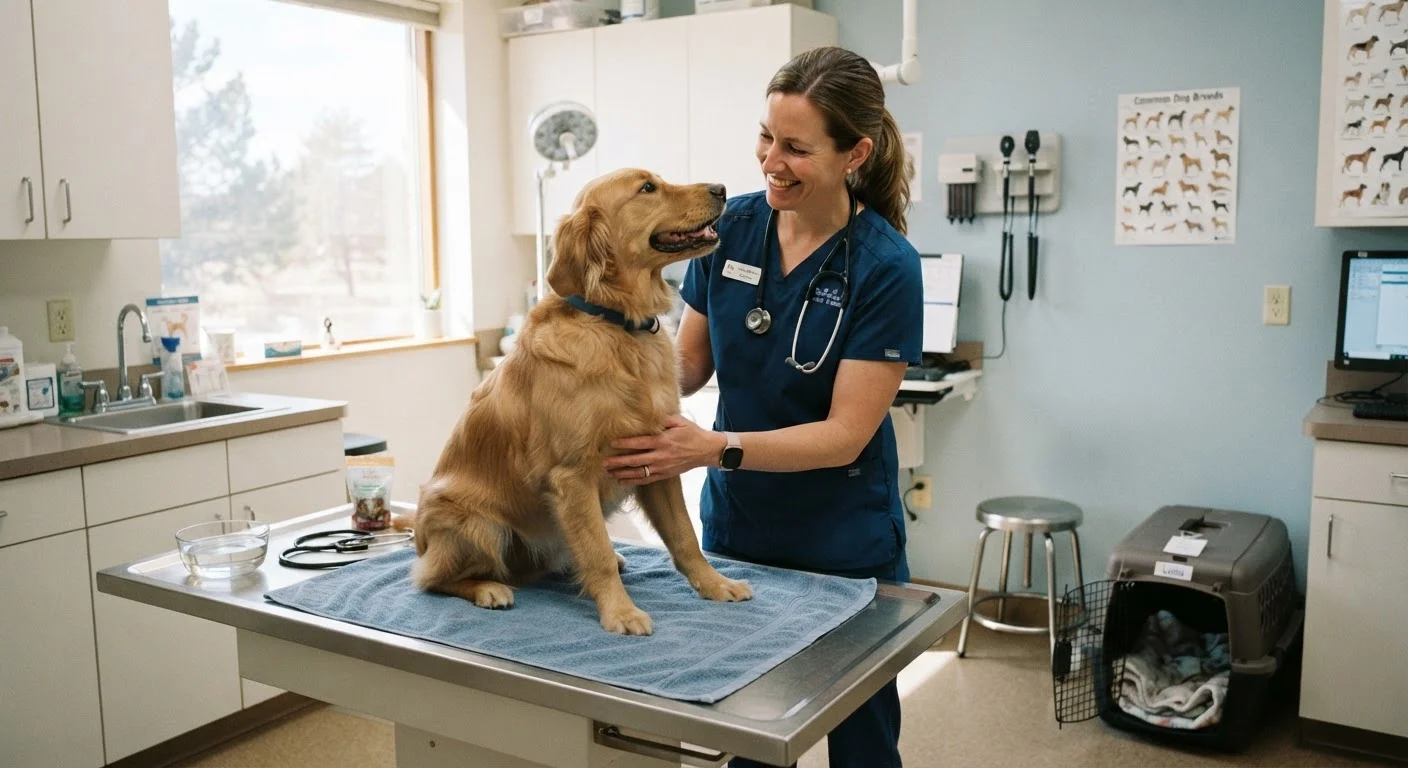
Preparation begins well before the procedure. Your veterinarian will conduct a pre-surgical exam, which may include blood work, urinalysis, or imaging to assess your pet's overall health and confirm they are a safe candidate for anesthesia. For older pets, these screenings are especially important, as age-related organ changes can affect how anesthesia is metabolized.
Ask your vet to walk you through the procedure, what anesthesia protocol will be used, and what monitoring will be in place. Understanding the plan helps you ask informed questions and reduces anxiety — for you and ultimately your pet.
What you will need
Step-by-Step: Before, During, and After Surgery
Following your veterinarian's instructions precisely is the single most important thing you can do. The steps below reflect general best practices; always defer to your vet's specific guidance for your pet's procedure.
Attend the Pre-Surgical Veterinary Appointment
Schedule and attend any required pre-operative exam. Your vet will review your pet's health history, perform a physical assessment, and may order pre-anesthetic blood work to evaluate organ function. This is also the time to disclose any medications, supplements, or health conditions your pet has.
Follow Fasting Instructions Carefully
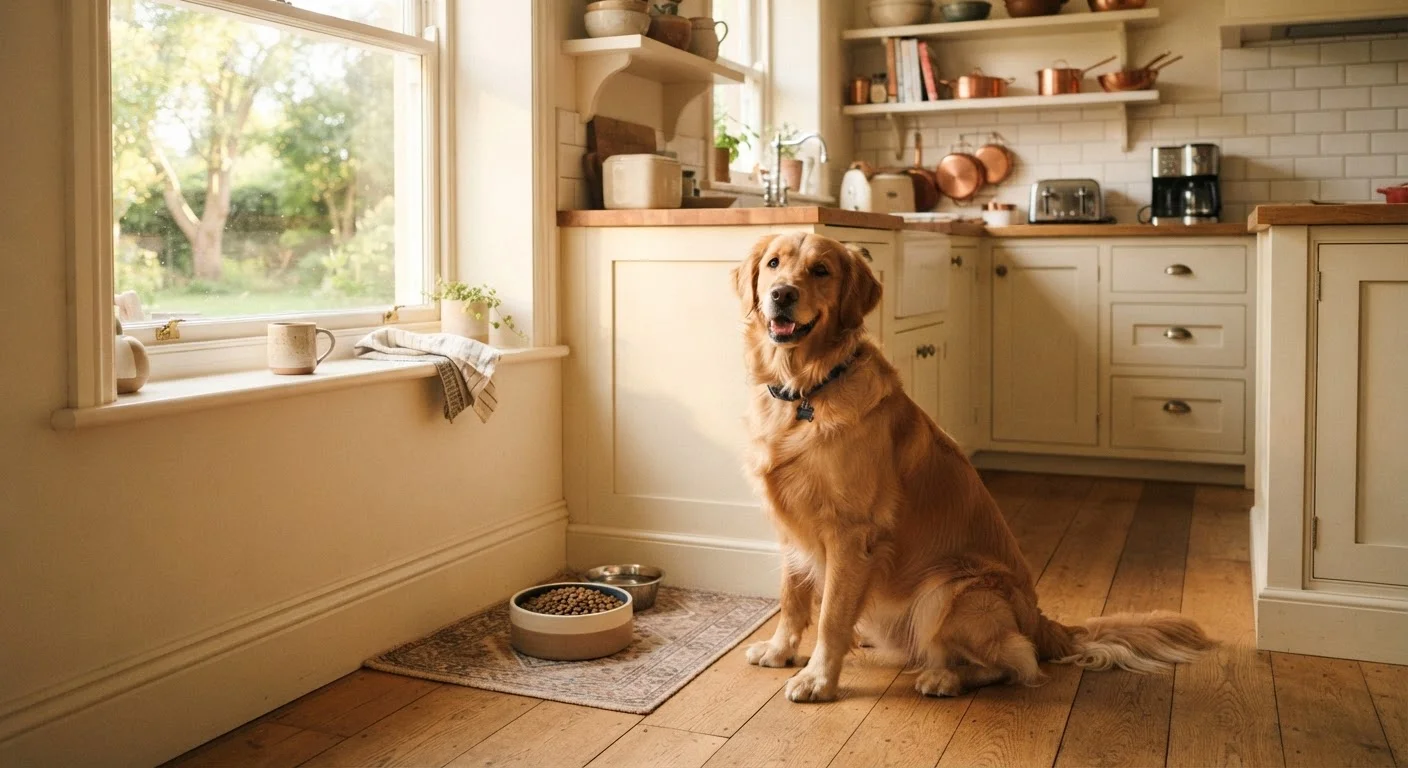
Your veterinarian will give you specific fasting instructions — typically withholding food for 8 to 12 hours before surgery and, in some cases, water for a shorter window. Fasting reduces the risk of aspiration (inhaling stomach contents) during anesthesia, which can be life-threatening.
Exact fasting guidelines vary by species, age, and procedure, so follow your vet's directions precisely rather than general estimates.
Prepare Your Home Recovery Space in Advance
Before drop-off day, set up a quiet, comfortable, and confined recovery area at home. This might be a crate, a small room, or a sectioned-off space away from stairs and other pets. Gather clean bedding, food and water bowls, and any post-op medications prescribed by your vet.
Drop Off Your Pet and Clarify Pick-Up Instructions
Arrive at the clinic at the scheduled time. Ask the surgical team to confirm what time you should expect a call and what information they'll provide after the procedure. Ensure the clinic has a reliable phone number to reach you throughout the day.
Review Discharge Instructions Thoroughly Before Leaving the Clinic
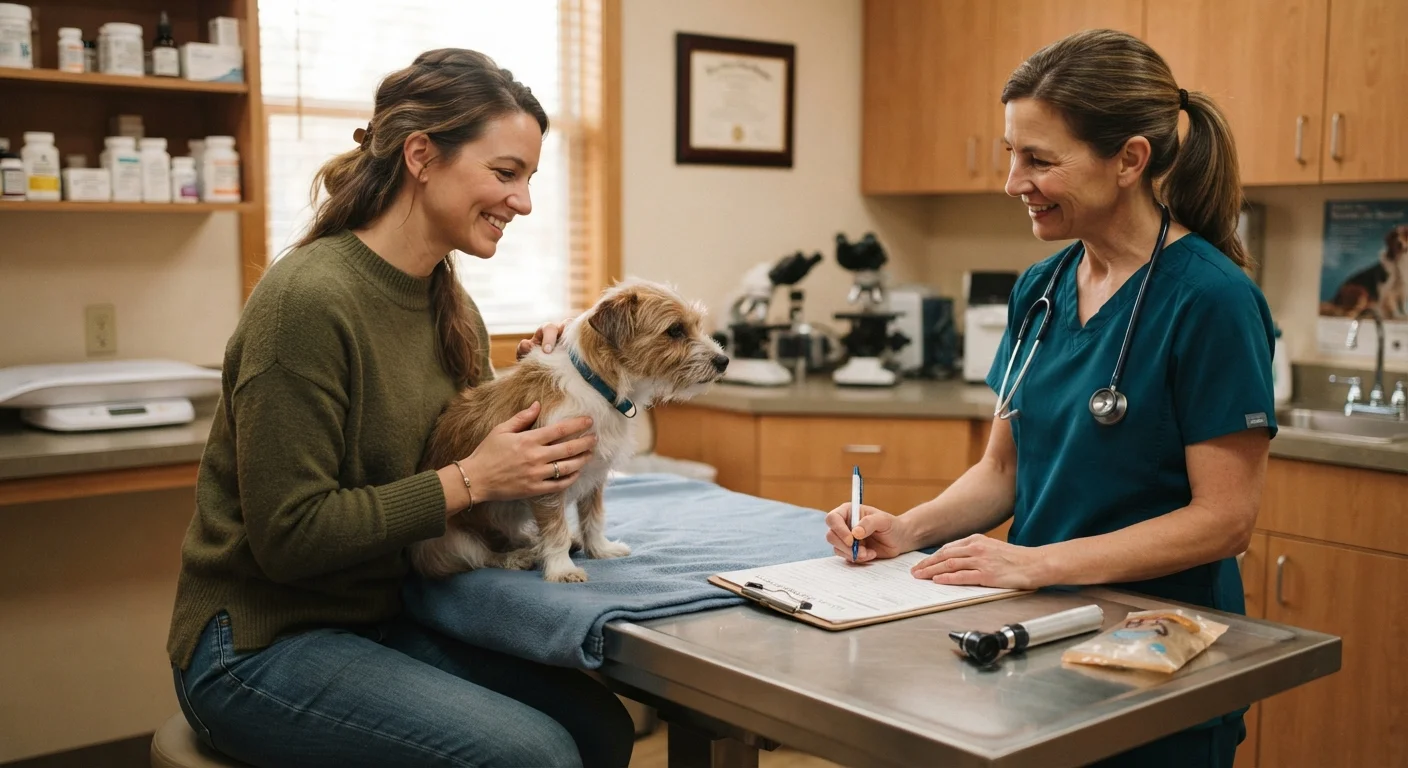
When you pick up your pet, the veterinary team will provide discharge instructions covering medications, feeding schedules, activity restrictions, incision care, and follow-up appointments. Ask for clarification on anything that is unclear before you leave — it is much easier to ask in person than to interpret written instructions at home under stress.
Manage Activity and Incision Care at Home
Restrict your pet's movement as directed — this typically means no running, jumping, or rough play for 10 to 14 days, depending on the procedure. Check the incision site daily for signs of infection. Use an Elizabethan collar (e-collar) or recovery suit if recommended to prevent licking or chewing at the wound.
Administer all prescribed medications on schedule, even if your pet seems to be feeling better before the course is complete.
Help Your Pet Stay Calm Before Surgery
Anxiety on surgery day is common for pets. Keep your own demeanor calm during drop-off, as pets often pick up on owner stress. Bring a familiar blanket or toy if the clinic permits it. Avoid excessive reassurance behaviors like prolonged farewells, which can inadvertently signal to your pet that something is wrong.
Common Post-Operative Concerns and When to Call Your Vet
After returning home, mild grogginess, reduced appetite, and some tenderness at the incision site are normal in the first 24 to 48 hours. However, certain signs warrant an immediate call to your veterinarian.
- Excessive swelling, redness, or discharge at the incision site
- Persistent vomiting more than once or twice post-anesthesia
- Labored breathing or extreme lethargy beyond expected grogginess
- Refusal to eat or drink beyond 24 hours after surgery
- Signs of pain such as whimpering, guarding the area, or aggression when touched
Pets experiencing anxiety around confinement during recovery may need additional support. Our guide on recognizing and addressing pet anxiety can help you identify whether your pet's stress response needs veterinary attention.
Do Not Skip the Follow-Up Appointment
Post-operative check-ups allow your veterinarian to confirm that the incision is healing properly, remove sutures if needed, and address any complications before they become serious. Skipping this visit — even when your pet appears fully recovered — leaves potential problems undetected. Always complete the full care plan your vet has outlined.
This article provides general educational information about pet surgery preparation and is not a substitute for veterinary medical advice. Always consult your veterinarian regarding decisions specific to your pet's health.