Recognizing the Signs
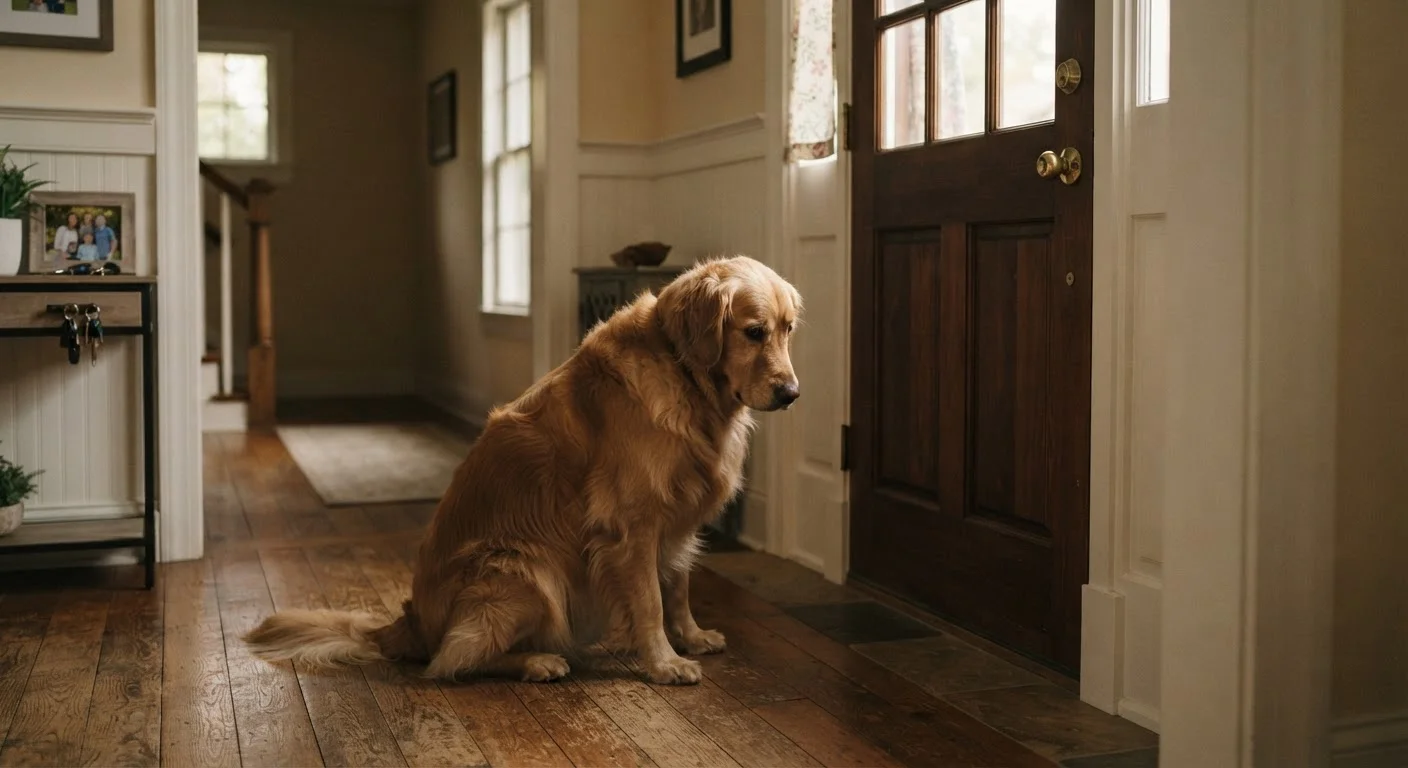
Separation anxiety doesn't always look the same in every dog. Some dogs become destructive - shredding furniture, chewing door frames, or tearing up items that carry your scent. Others vocalize relentlessly: howling, whining, or barking from the moment you leave until you return. House-soiling is another common sign, even in dogs who are reliably house-trained under normal circumstances.
What distinguishes separation anxiety from ordinary bad behavior is the context: these behaviors happen specifically in response to your absence - often beginning within minutes of you leaving, and stopping when you return. Pet owners frequently discover this pattern only after reviewing home security footage or receiving noise complaints from neighbors.
Other less obvious signs include pacing, drooling excessively, self-grooming to the point of irritating the skin, and attempting to escape - sometimes causing injury in the process. For a broader look at the subtle ways dogs communicate distress, see our guide on stress signals every pet owner should know.
Not All Alone-Time Behavior Is Separation Anxiety
Some dogs engage in destructive behavior when alone due to boredom, insufficient exercise, or lack of mental stimulation - not anxiety. The key distinction is emotional intensity: a bored dog may chew opportunistically, while an anxious dog shows signs of panic (panting, trembling, frantic escape attempts). Accurate identification matters because the interventions are different.
Why It Happens
Separation anxiety typically stems from hyperattachment - a bond so intense that a dog struggles to self-regulate when separated from their person. This can develop for several reasons: a significant life change (a new home, a change in work schedule, the loss of a family member), early-life trauma or under-socialization, or simply a dog's individual temperament and genetics.
Dogs adopted from shelters are sometimes more prone to separation anxiety, possibly due to prior experiences of abandonment - though any dog, regardless of background, can develop it. Ironically, extended periods of constant togetherness - such as during a prolonged period of working from home - can intensify hyperattachment if the dog never learns to be comfortable alone.
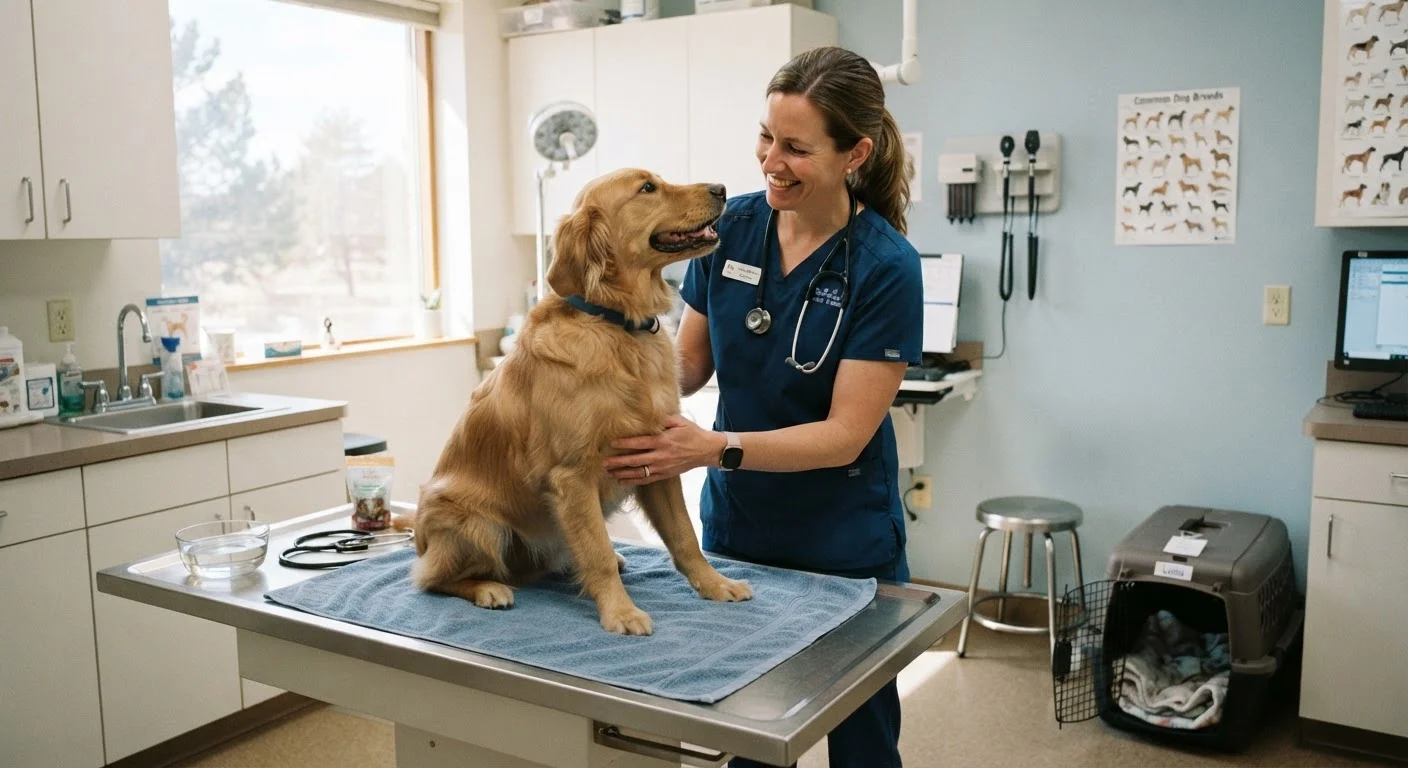
It's also worth noting that not every dog who seems upset alone has clinical separation anxiety. Some exhibit what's called simulated separation anxiety, where boredom or insufficient exercise is the real driver. Before assuming anxiety is the root cause, it's worth ruling out other explanations - including medical ones. Our article on when a vet visit comes first explains which behavioral changes warrant a checkup.
How to Respond: Starting Points
The most evidence-supported approach for separation anxiety is systematic desensitization - gradually exposing your dog to departure cues and short absences without triggering a full stress response. This means starting with absences measured in seconds, not hours, and slowly building duration only as the dog remains calm.
Practical starting steps include:
- Decouple departure cues. Put on your coat or pick up your keys at random times when you're not actually leaving. This reduces the panic that builds before you even walk out the door.
- Practice micro-departures. Step outside for 10 seconds, come back calmly. Gradually increase time. The goal is for your dog to learn that your absence is temporary and non-threatening.
- Avoid dramatic greetings and goodbyes. Emotional departures and returns can reinforce the idea that your absence is a significant event worth panicking over.
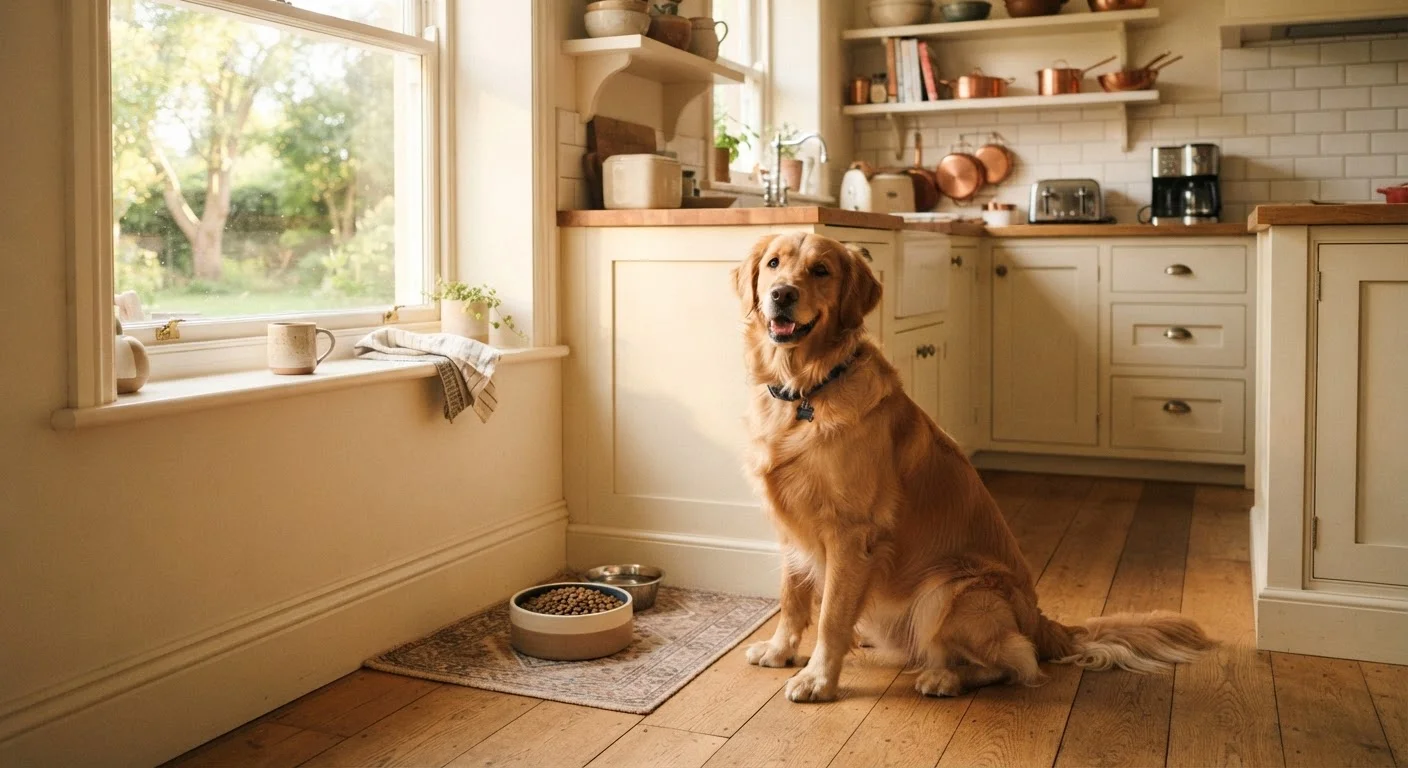
- Provide a predictable daily structure. Consistent routines in feeding, exercise, and rest reduce baseline anxiety. Our article on building a daily routine your dog can count on offers a practical framework.
Video Your Dog After You Leave
Before investing in a training plan, set up a phone or tablet to record your dog shortly after your departure. Even five minutes of footage can clarify whether your dog is panicking immediately, settling after a brief protest, or behaving normally. This information is also useful to share with a veterinarian or behaviorist.
When to Bring in a Professional
Mild separation anxiety often responds to owner-led desensitization with patience and consistency. Moderate to severe cases - where a dog is injuring themselves, destroying property extensively, or showing no improvement after weeks of effort - typically require professional guidance.
A certified applied animal behaviorist or veterinary behaviorist can create a structured behavior modification plan tailored to your dog's specific triggers and thresholds. In some cases, a veterinarian may recommend medication to reduce the dog's anxiety enough to make behavior training effective. Medication alone is rarely sufficient; it works best as a complement to a structured training protocol.
For a fuller picture of how anxiety disorders manifest in pets and what professional options exist, see our article on when pet anxiety goes beyond quirky.
This article provides general educational information about separation anxiety in dogs and is not a substitute for professional veterinary or behavioral advice. If your dog is showing signs of distress, consult a licensed veterinarian or certified animal behaviorist for guidance specific to your situation.