
Why Your Scalp Deserves Attention in Your Routine
Most hair care conversations focus on the strands themselves — shine, frizz, split ends, color. But hair is produced by follicles that live inside your scalp, which means everything visible starts with what's happening at the root. Neglecting scalp health is a bit like trying to grow a garden while ignoring the soil.
The scalp contains a dense network of sebaceous glands that produce sebum (natural oil), hair follicles, sweat glands, and its own microbiome — a community of microorganisms that, when balanced, helps maintain skin health. When this ecosystem is disrupted by product buildup, harsh cleansers, dehydration, or stress, the scalp signals its distress through itching, flaking, oiliness, or sensitivity.
Understanding your scalp as skin is the first mindset shift that makes the biggest difference. Just as you'd think about balancing moisture and cleansing in a basic skincare routine, the same logic applies above the neck.
Common Scalp Concerns and What's Behind Them
Scalp issues are incredibly common — and often misunderstood. Here's a breakdown of what's frequently going on:
- Dandruff: Linked to an overgrowth of Malassezia, a yeast naturally present on skin. It can cause the scalp to shed skin cells more rapidly, producing the oily, yellowish flakes most people associate with dandruff.
- Dry scalp: Often caused by dehydration, cold weather, or overly stripping cleansers. Produces smaller, white flakes and may feel tight or itchy.
- Oily scalp: When sebaceous glands produce excess sebum, hair can appear greasy quickly after washing. Heat, hormones, and certain hair products can all play a role.
- Product buildup: Styling products, dry shampoos, and even conditioner can accumulate on the scalp over time, clogging follicles and causing dullness or irritation.
- Scalp sensitivity or contact dermatitis: Fragrance, preservatives, or certain surfactants in hair products can trigger reactions in sensitive individuals.
~50%
Adults affected by dandruff at some point
Dandruff is one of the most prevalent scalp conditions globally, according to dermatology literature estimates.
100,000+
Hair follicles on the average human scalp
Each follicle is embedded in scalp skin, underscoring why scalp condition directly affects hair health across the board.
Conditions like seborrheic dermatitis or scalp psoriasis can look like severe dandruff but have underlying inflammatory causes. If standard care isn't helping, a dermatologist can offer proper diagnosis and treatment options.
Habits That Support a Healthier Scalp
Scalp care doesn't need to be complicated. A handful of consistent habits go a long way:
Start Simple Before Adding Products
Before reaching for specialized scalp serums or treatments, focus first on the basics: a gentle cleanser suited to your scalp type, thorough rinsing, and consistent washing frequency. Most scalp imbalances respond well to routine adjustments before targeted products become necessary.
Cleanse consistently — but not excessively
Finding your wash frequency sweet spot matters. Over-washing strips natural oils, prompting the scalp to overcompensate with more sebum production. Under-washing allows oil, sweat, and product to accumulate. Neither extreme supports balance. For guidance on how different cleansing methods compare, shampoo versus co-washing breaks down which approach may suit different hair types.
Massage while you wash
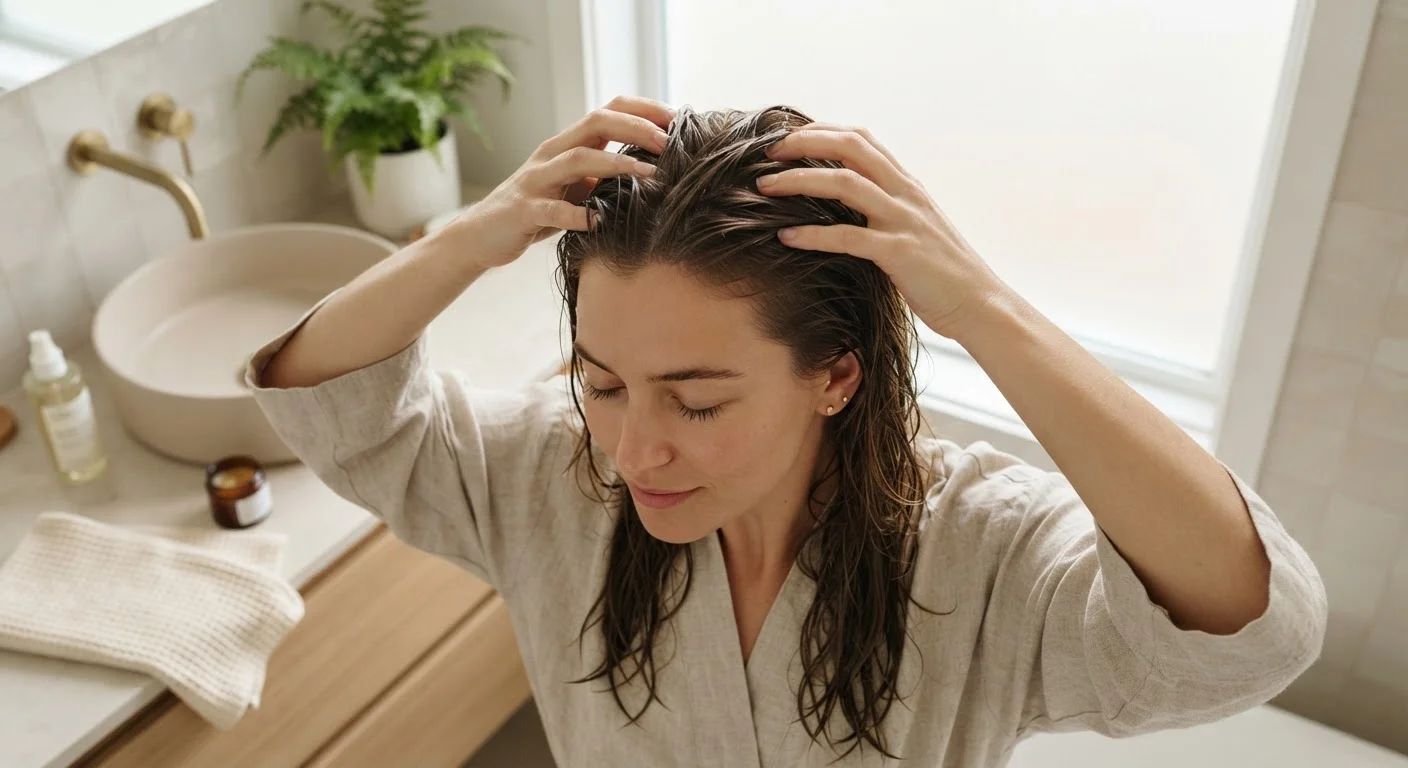
Use your fingertips (not nails) to gently work shampoo into the scalp in circular motions. This loosens buildup and may support circulation around follicles. Two to three minutes is plenty.
Rinse thoroughly
Residual shampoo or conditioner left on the scalp is a common but underappreciated source of irritation and buildup. Rinse longer than you think you need to.
Consider a periodic scalp exfoliation
Scalp scrubs or exfoliating scalp treatments — used occasionally, not weekly — can help clear dead skin and product buildup. People with sensitive scalps should use these sparingly and patch-test first.
Scalp health can also be folded naturally into a broader grooming practice. If you're building out a full routine, the head-to-toe grooming guide offers a practical framework that includes hair and scalp care alongside everything else.
When to Escalate Beyond At-Home Care
There's a meaningful difference between a scalp that needs a routine adjustment and one that needs professional care. Signs that it's time to consult a board-certified dermatologist include: persistent redness or inflammation, flaking that doesn't respond to dandruff-specific cleansers after several weeks, painful sores, significant hair thinning or shedding, or any sudden change in scalp condition.
These symptoms can indicate underlying conditions — seborrheic dermatitis, scalp psoriasis, folliculitis, or various forms of alopecia — that are far better managed with a proper diagnosis than with trial-and-error product swapping.
Scalp Health Reflects Overall Wellness
Factors like chronic stress, poor sleep, and nutritional deficiencies have been associated with changes in scalp condition and hair shedding. While topical habits matter, the scalp is also responsive to what's happening internally. Think of it as one piece of a broader self-care picture rather than an isolated concern.
The scalp is an extension of your skin, and like skin, it reflects overall well-being. Stress, sleep, hydration, and nutrition all influence how it behaves. Treating it as part of a holistic self-care approach — rather than an afterthought — is what sets a good hair routine apart from a great one.
This article is for informational purposes only and is not a substitute for professional medical or dermatological advice. If you have concerns about your scalp or hair health, consult a qualified healthcare provider.