Why 'Minor' Plumbing Problems Are Rarely Just That
Plumbing issues have a reputation for being easy to defer. A drip here, a slow drain there - nothing that seems urgent when there's no water pooling on the floor or a pipe that's visibly burst. But that perception is one of the most reliable pathways to expensive emergency repairs.
Most significant plumbing failures don't arrive without warning. They announce themselves quietly, through symptoms that homeowners repeatedly explain away. Understanding why these small signs matter - and what they commonly indicate - is one of the most practical things a homeowner can do to protect both property and budget. As outlined in our coverage of deferred maintenance costs, postponed plumbing fixes almost always compound.
~10,000 gal
Water wasted annually by household leaks
The U.S. Environmental Protection Agency estimates that the average American household loses around 10,000 gallons per year to leaks - equivalent to 270 loads of laundry.
10%
Homes with leaks wasting over 90 gal/day
According to EPA WaterSense data, roughly 10% of U.S. homes have leaks that waste 90 gallons or more per day - largely from toilets, faucets, and irrigation systems.
Common Plumbing Mistakes Homeowners Make
The errors below aren't the result of carelessness - they're predictable responses to how these problems present themselves. Recognizing the pattern is the first step toward breaking it.
Dismissing a dripping faucet as a trivial annoyance.
Why it happens: The slow pace of the drip makes it feel inconsequential - homeowners often tune it out or plan to 'get to it eventually.'
Treating a slow drain as something chemical drain cleaners will permanently fix.
Why it happens: Chemical drain products provide fast, visible results, which creates the impression the problem is solved. Most homeowners aren't aware that these products can degrade certain pipe materials over time.
Ignoring a running toilet because it doesn't seem to cause visible damage.
Why it happens: Since running toilets don't produce visible leaks, they feel harmless. The cost is hidden inside the water bill rather than appearing as property damage.
Overlooking low water pressure as a quirk of the local water system.
Why it happens: Homeowners often assume pressure issues are outside their control and therefore not worth investigating. Pressure changes tend to be gradual, making them easy to normalize.
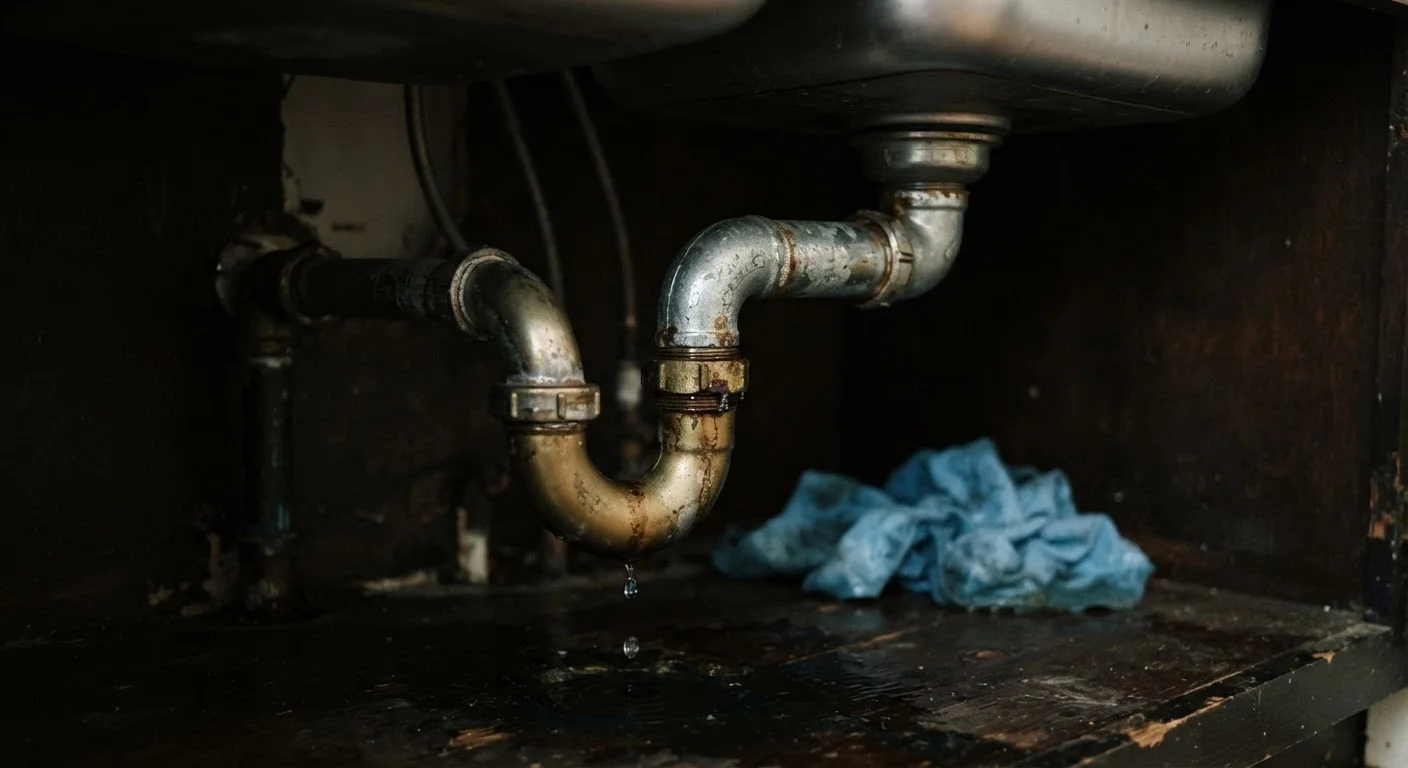
Assuming small moisture or water stains under sinks are from condensation.
Why it happens: Condensation is real and common, so it provides a convenient, stress-free explanation. Homeowners may wipe the area dry and not revisit it.
DIY Repairs Can Void Warranties or Violate Code
Some plumbing repairs require permits or must be performed by a licensed professional under local building codes. Before attempting any fix beyond basic tasks like replacing a faucet aerator or toilet flapper, verify what your jurisdiction requires. Unpermitted work can complicate home sales and insurance claims down the line.
Building Plumbing Awareness Into Routine Home Care
The most effective way to catch plumbing problems before they escalate is to make basic checks a standard part of home upkeep - not a reaction to something going wrong. A brief monthly inspection of under-sink cabinets, toilet tanks, and visible supply lines takes only a few minutes and can catch developing issues early.
Incorporating plumbing checks into seasonal maintenance routines - particularly before winter, when pipes are most vulnerable - is a strategy covered more broadly in our seasonal home maintenance guide. Plumbing problems that surface repeatedly despite repairs, or that affect multiple fixtures at once, should always be evaluated by a licensed plumber rather than managed with temporary fixes.
When to Call a Licensed Plumber Immediately
Any plumbing issue involving water near electrical panels, signs of sewage backup, or sudden drops in pressure throughout the entire home warrants an immediate call to a licensed plumber. These symptoms can indicate serious systemic failures. Do not attempt to diagnose or repair these conditions yourself - the risk of injury, property damage, or code violation is significant.
It's also worth recognizing that unresolved plumbing issues translate directly into financial drain - higher water bills, mold remediation costs, or structural repairs. If you're tracking household spending carefully, the spending leaks that erode household budgets piece offers a useful parallel for thinking about costs that accumulate invisibly. Staying ahead of maintenance is one of the clearest ways homeowners protect long-term home value.